

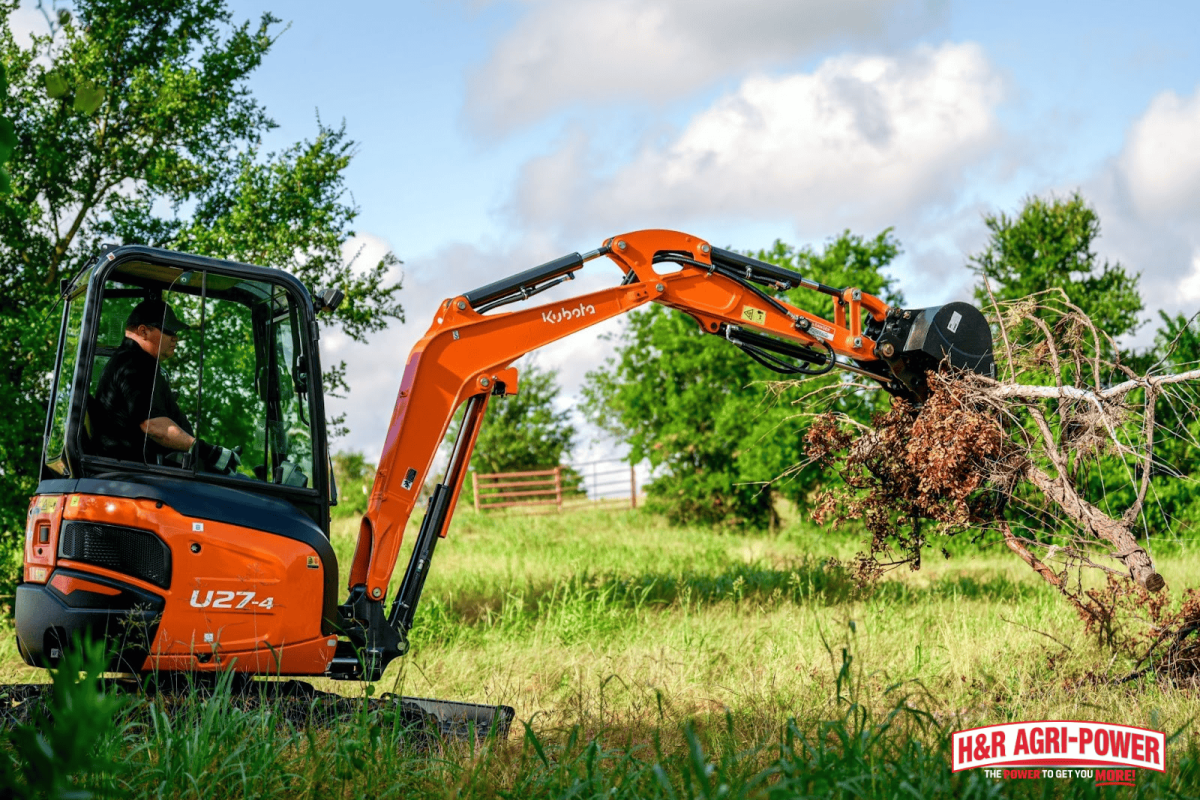
When it comes to handling the daily challenges of modern farm life, having the right equipment can make all the difference. Kubota compact excavators are designed specifically for farm use, offering the strength to tackle tough digging jobs, the agility to maneuver around tight spaces, and the versatility to switch between tasks with ease. From installing new water lines and repairing drainage systems to building fence rows and clearing debris, these machines bring reliable performance and impressive efficiency to a wide range of chores.
Research shows that farm mechanization technologies can raise labor productivity by approximately 25–35% across various farming systems, which reinforces how valuable equipment like compact excavators can be for boosting productivity and saving time on the farm. If you’re looking for a practical solution to work more efficiently and reduce labor strain, Kubota compact excavators are built to meet the demands of today’s busy farms.
The Farm Challenges Compact Excavators Solve
Farm work rarely follows a simple plan, and many tasks take longer than expected when you lack the right equipment. A compact excavator steps in as a dependable tool that helps you work faster, safer, and with cleaner results across a wide range of daily responsibilities.
Taking the Strain Out of Everyday Digging
Digging by hand or using a tractor bucket often leads to uneven trenches, wasted effort, and unnecessary time spent fixing mistakes. Hard soil, deep utility lines, and rocky ground only add to the challenge. A compact excavator lets you cut through tough earth with smooth hydraulic power, delivering straight trenches, controlled depth, and a consistent line from start to finish. This not only shortens the workday but also reduces the wear on your body and your equipment.
Working Around Tight Corners and Narrow Spaces
Barnyards, alleys, and livestock areas rarely offer wide turning room for larger equipment. These cramped work zones can slow progress and increase the risk of bumping into gates, waterers, or fencing. Compact excavators are built for narrow passages and tight spots, which makes them ideal for chores that require calm, steady movements in areas where livestock or structures are close by.
Their compact size helps prevent damage, improves operator comfort, and keeps jobs on track even when space is limited.
Precision Lifting for Improved Safety
Handling heavy or awkward materials with a loader can feel unpredictable, especially when precise placement is required. Rocks, culverts, logs, and posts all require a steady hand to set correctly. Compact excavators offer controlled lifting with a full range of motion, letting you position materials with greater accuracy. This precision reduces the risk of dropped loads, equipment strain, and misplaced materials, ultimately keeping your worksite safer and more organized. See benefits from Kubota compact equipment.
Creating Cleaner, More Professional Results
Some jobs demand more than quick digging or rough shaping. Drainage ditches need steady slopes, pads need a smooth finish, and storm cleanup requires finesse to sort debris without tearing up the surrounding ground. A compact excavator gives you the control to refine each movement, whether you are cutting, shaping, or clearing. The result is a cleaner and more polished outcome that saves time on cleanup and keeps your farm looking well-maintained.
How can a compact excavator help maintain older farm properties with aging infrastructure?
Older farms often have aging pipes, uneven land, and outdated drainage systems that require frequent attention. A compact excavator can reach tight areas around older buildings, dig clean repair trenches, and assist with ground reshaping without further disturbing fragile structures or established soil. This makes it an ideal tool for property upkeep and gradual modernization.
Choosing the Right Size Class for Your Farm
Selecting a compact excavator is not just about picking a machine with a recognizable brand. It comes down to matching the right size and capabilities to your farm’s unique needs, property layout, and daily workload.
Recent market research shows that demand for mini and compact excavators continues to rise, primarily driven by diversified farm applications and the needs of smaller acreage operations.
This growing trend highlights the importance of choosing a machine that aligns closely with your farm's everyday tasks and long-term goals.
Compact Models for Small Acreage and Routine Maintenance
On smaller farms or homesteads, chores like trenching for water lines, cleaning up after storms, and handling routine repairs can add up fast. Compact class excavators are designed for these lighter, everyday tasks. Their smaller frames make them easy to tow with a pickup, simple to maneuver in backyards or gardens, and ideal for jobs that need a gentle touch without sacrificing efficiency.
Mid-Size Options for Livestock Chores and Moderate Lifting
Livestock farms often have more demands, such as setting posts for fences, building corrals, or clearing pens. Mid-size compact excavators strike a good balance between reach and power, letting you handle heavier materials while still fitting through barn doors or working safely around animals. These machines can tackle deeper trenching, move rocks and feed bunks, and are well-suited for operators who need versatility every day.
Larger Compact Units for Utility Work and Site Preparation
For farms with more acreage or those that need to prepare building pads, maintain drainage, or repair tile lines, larger compact excavators offer extra digging depth and lifting ability. These models are built to take on tougher ground, handle bigger attachments, and maintain stability in challenging conditions. When you have larger spaces and bigger projects in mind, the added size and power of these units make a noticeable difference.
How does property layout affect the choice of excavator size?
The layout of your land, including gate widths, utility line locations, and the amount of open space, has a major impact on which excavator will work best for you. Farms with narrow driveways, close-set buildings, or lots of fencing may benefit from a smaller or short-radius machine. At the same time, wide-open spaces and fewer obstacles make it easier to use a larger, more powerful unit.
Understanding Kubota’s Excavator Series
When you are choosing a compact excavator for farm work, it helps to know the strengths of each Kubota series. Picking the right model can make your daily chores more efficient and keep your equipment working safely in your unique environment. Here is a guide to the best Kubota compact tractors for small and mid-sized farms.
Conventional Tail Swing for Open Work Areas
Kubota’s conventional tail swing excavators provide a balance of power and stability, which comes in handy when you have plenty of room to operate. These models are ideal for digging long trenches, handling large attachments, and working in fields or open construction sites where space is not limited. Their design provides greater digging force and better lifting capacity, making them a strong choice for larger projects or tasks that require extra muscle.
Short and Zero Tail Swing for Tight Spots
Many farms have narrow lanes, small barns, or fenced paddocks, where space for equipment is tight. Kubota’s short and zero tail swing excavators are built for exactly these conditions. These models are designed to minimize rear swing overhang, helping prevent accidental contact with fences, buildings, or other obstacles. Operators can work with confidence near delicate structures, and these machines are easier to maneuver in close quarters, keeping jobs moving smoothly even when space is at a premium.
Key Differences that Impact Farm Use
The right series depends not only on the size of your property but also on the type of work you do most often. Conventional tail swing models might offer more lifting power, but short- and zero-tail-swing units shine in crowded or sensitive areas. Understanding these differences can help you select an excavator that matches your operation’s daily needs and reduces downtime caused by accidental damage or equipment limitations.
What makes zero tail swing excavators a safer choice for busy farmyards?
Zero-tail-swing excavators have a compact rear profile that stays within the track width, even when rotating. This design reduces the risk of striking people, animals, or structures in active areas with limited visibility and constant movement, making it a safer and more practical option in busy farm environments.
The Key Specs Farmers Should Prioritize
Focusing on features and specifications that match your actual farm needs will directly impact how well the machine performs, how safe it is to operate, and how satisfied you will be with it for years to come.
Operating Weight and Stability
A machine’s weight affects not only how much it can lift, but also how steady it remains while digging or working on uneven ground. On the farm, stability is essential for safe trenching, lifting fence posts, or working along ditch banks. This is supported by a numerical study on excavator overturning stability, which found that inertial loads, machine base dimensions, and payload swing directly affect tipping risk and overall stability. Checking the operating weight helps ensure you pick a model that will not tip or struggle when handling the jobs you need done most.
Dig Depth and Reach
Digging new water lines, repairing tile, or installing culverts requires you to reach the right depth without extra passes. Pay close attention to both the maximum dig depth and reach ratings for each model. Selecting a machine that matches your typical trench requirements prevents frustration and wasted time on rework.
Auxiliary Hydraulic Flow
Many farm attachments, including augers, trenchers, and hydraulic thumbs, rely on a machine’s auxiliary hydraulic flow for power. Make sure your excavator delivers enough flow for all the tools you plan to use. This allows for faster, more efficient work and broadens what your excavator can handle on your property.
Machine Width and Swing Radius
Farm work often means navigating gates, barn doors, or tight lanes between buildings. A narrower width and reduced swing radius allow it to be operated in these areas without damage. These specs are especially important for livestock farms or properties with older, established structures.
Why is ground clearance important for compact excavators on farms?
Ground clearance helps compact excavators travel over rutted fields, avoid getting hung up on debris, and reduce the risk of undercarriage damage when moving through rough pastures or unpaved lots. Higher ground clearance makes a difference when working on uneven farm ground or after wet weather.
Essential Attachments for Farm Productivity
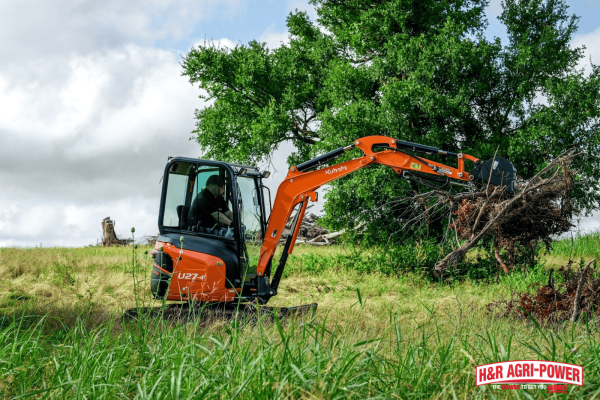
Selecting the right attachments for your compact excavator can significantly increase your productivity on the farm. With each new tool, your machine adapts to a wider variety of tasks, making it possible to move quickly from trenching to lifting, grading, or clearing, all without the need for multiple pieces of equipment.
-
Hydraulic Thumb: A hydraulic thumb is a practical upgrade for many farm excavators. With this tool, your excavator can easily clamp onto awkward materials like rocks, brush, fence posts, or scattered debris, making it simple to pick up and move items that are tough to handle by hand or with a bucket alone. The added grip and stability allow you to clean up storm damage, load scrap, or organize construction materials safely and without constant repositioning.
-
Auger Attachment: An auger turns your excavator into a powerful hole-drilling machine, streamlining tasks like building new fences, setting gateposts, or planting young trees. The auger delivers consistent, even holes that help posts stand straight and roots settle properly, no matter how tough the soil. This attachment not only saves time on repetitive digging but also gives you professional-looking results on large or small projects.
-
Trenching Bucket: When you need to install or repair water lines, lay electrical conduit, or add new drainage, a trenching bucket makes it easy to cut narrow, deep, and even trenches. This attachment is explicitly shaped for utility work, so you can dig with precision and reduce the amount of extra soil you have to backfill later. It’s an essential tool for keeping your underground systems accessible and well maintained.
-
Grading Bucket: A grading bucket helps you finish jobs that require a smooth, level surface, such as preparing a building pad, leveling a driveway, or shaping swales for water management. The wide, flat edge of the bucket lets you spread soil or gravel evenly, which is essential for good drainage and a long-lasting surface. Having this attachment on hand means you can tackle site prep and finishing tasks right from the cab.
-
Brush Clearing Tool: With a brush cutter or mower head, your excavator can quickly clear out dense weeds, tangled undergrowth, or overgrown fence lines. These tools are designed to power through tough vegetation, improving visibility, access, and pasture health. Regular brush clearing keeps your property looking neat and prevents unwanted growth from taking over valuable space.
Can compact excavators use multiple attachments on the same project?
Yes, most compact excavators are designed to swap attachments quickly, often with a quick coupler system. This means you can move from digging with a bucket to drilling with an auger, then switch to a grading bucket or thumb, all in one day. This versatility reduces downtime and makes your machine a true all-in-one solution for a busy farm.
Practical Setups for Common Farm Tasks
No two farms are exactly alike, so the way you use a compact excavator will depend on your property, your livestock, and your daily workload. Adapting your machine with the right combination of size and attachments helps you get better results on every project, from simple repairs to big improvements.
-
Fence and Corral Construction: Building or repairing fences and corrals is much easier with an auger for digging post holes and a hydraulic thumb for setting heavy posts or rails in place. This combination gives you straight lines, firm posts, and less manual labor, whether you are working in open pastures or tight barn lots.
-
Water Line and Drainage Trenching: When installing new water lines or improving drainage, a trenching bucket lets you dig narrow, deep channels without tearing up extra ground. Compact excavators are especially helpful for repairing old tile lines, running pipe under driveways, or adding new utility connections around the farmyard.
-
Barn Lot Cleanup and Material Placement: Keeping barnyards clean and organized is much more efficient with the right setup. Use a grading bucket to smooth muddy or rutted areas, then switch to a hydraulic thumb to move rocks, broken panels, or debris into piles for removal. This approach helps maintain safe footing for both livestock and equipment.
-
Orchard Rows and Tight Spaces: For fruit and nut growers, narrow paths between trees and posts make access a challenge. A compact excavator equipped with a short or zero tail swing and a smaller bucket can get between rows without disturbing root systems or damaging trunks, making tasks like root pruning, irrigation installation, or clearing windfall much simpler.
-
Pasture Maintenance and Land Improvement: Whether you’re filling in old ditches, clearing brushy patches, or reshaping low spots for better runoff, a grading bucket and brush cutter allow you to cover more ground quickly. These tools help improve land value and support healthy pastures year-round.
How can a compact excavator help with seasonal farm chores that change throughout the year?
A compact excavator’s ability to use different attachments and adjust to various tasks means it can be put to work in every season. In spring and summer, use it for planting and fencing. In fall, clear brush or repair drainage. During winter, it’s useful for moving feed, clearing snow, or repairing damage after storms, keeping your farm running smoothly no matter the season.
What to Look for When Buying a Compact Excavator
Choosing the right compact excavator is about finding dependable performance, not just a good price. Whether you are purchasing new or used, paying attention to the right details will help ensure your investment keeps up with your workload for years to come.
Hours and Overall Condition
A machine’s hours give a general idea of its usage, but what really matters is how well it has been maintained. Take a close look at the boom, stick, and bucket pins for looseness or signs of wear. Inspect the frame for welds or cracks, and make sure all joints move smoothly. A well-cared-for excavator will feel tight, operate quietly, and show consistent upkeep across all major components.
Hydraulic System Performance
The hydraulic system powers every digging, lifting, and attachment function, so it’s worth a careful inspection. Check hoses and fittings for leaks, and examine the cylinders for dents or seepage. Run the machine and make sure the controls respond smoothly without hesitation or noise. Strong, steady hydraulics mean faster cycle times and fewer problems down the road.
Undercarriage and Track Condition
The undercarriage supports the machine and determines how well it handles uneven terrain. Look over the tracks for cracks, missing rubber, or uneven wear, and spin the rollers and idlers to be sure they move freely. Excessive wear or damage in this area can lead to traction loss or instability, especially when working on slopes or soft ground.
Maintenance History and Long-Term Costs
A lower purchase price can be tempting, but overall value depends on how much the machine will cost to own and maintain. Ask for service records, check the availability of parts, and learn how often key components need attention. A reliable machine with easy-to-find parts and strong local support will save time and money in the long run.
What paperwork should I request before purchasing a used compact excavator?
Always request a full maintenance history, service receipts, and any remaining warranty information. These records show how the machine was cared for and can help you make an informed decision before committing to the purchase.
Routine Care to Maximize Service Life
Keeping your compact excavator properly maintained ensures it performs reliably for years to come. A few simple checks and good habits go a long way in preventing downtime and protecting your investment.
-
Daily Checks and Fluid Levels: Make it a habit to inspect your excavator before each use. Look for leaks, worn hoses, or loose fittings, and check oil, coolant, and hydraulic fluid levels. Cleaning vents and filters of dust and debris helps prevent overheating and keeps systems running efficiently.
-
Cleaning and Cooling System Care: Farm environments generate dust and debris that can accumulate around the radiator and engine bay. Keeping the cooling system clear allows proper airflow and prevents overheating during long workdays. Using compressed air or a soft brush helps remove buildup safely without damaging delicate fins or hoses.
-
Filter Replacement and Lubrication: Staying on schedule with filter changes and using the correct fluids keeps the machine running smoothly. Regularly grease all pins, joints, and bushings to reduce wear and prevent corrosion. Proper lubrication ensures smoother operation and helps extend the life of high-stress components.
-
Scheduled Servicing and Seasonal Storage: Follow the service intervals outlined in your operator’s manual to catch issues early. During the off-season, clean the machine thoroughly, disconnect the battery, and cover exposed fittings to protect them from moisture. Storing the excavator on firm ground helps avoid rust and damage from standing water.
How can I tell if my compact excavator needs professional service instead of routine maintenance?
If you notice slower hydraulics, warning lights, vibration, or persistent leaks after cleaning, it’s best to schedule a professional inspection. These symptoms may indicate internal wear or system imbalance that requires trained technicians to correct.
Find the Compact Excavator That Fits Your Farm
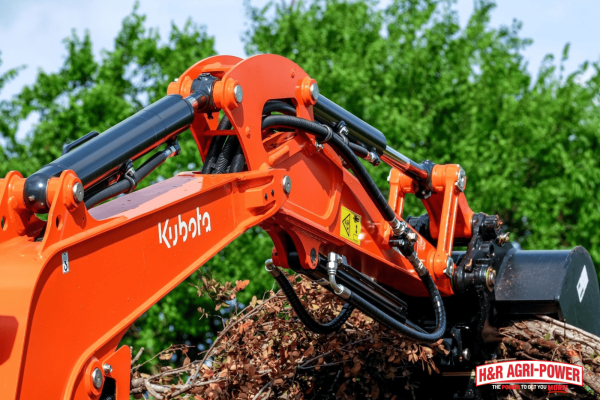
At H&R Agri-Power, we know that the right equipment can make daily farm work smoother and more efficient. If you’re considering a Kubota compact excavator, our team is ready to walk you through your options, answer your questions, and recommend the attachments that best fit your operation. Reach out to us online or stop by your nearest location. We’ll make sure you leave with a machine that’s built for your land and the work you do every day.
Frequently Asked Questions
What fuel efficiency can I expect from a compact excavator on a farm?
Fuel use depends on the model and job type, but compact excavators are generally fuel-efficient. Smaller machines typically burn less than a gallon per hour under light use.
Can compact excavators be used in winter or wet ground conditions?
Yes, with proper prep. Use winter-grade fluids, warm the engine before work, and operate cautiously on soft or frozen ground.
Are there legal requirements for transporting compact excavators?
Most states require proper tie-downs, brake systems, and trailer lights. Always check weight ratings for your trailer and truck combination before hauling.
How do I calculate the return on investment for an excavator?
Compare cost versus labor hours saved, fewer hired services, and increased productivity. ROI grows when the machine is used across multiple tasks and seasons.
Do I need formal training to operate a compact excavator on the farm?
You don’t need a license or certification to operate one on your own farm, but hands-on training is highly recommended. Knowing how to run the machine safely and correctly can prevent costly mistakes and reduce the risk of injury.