

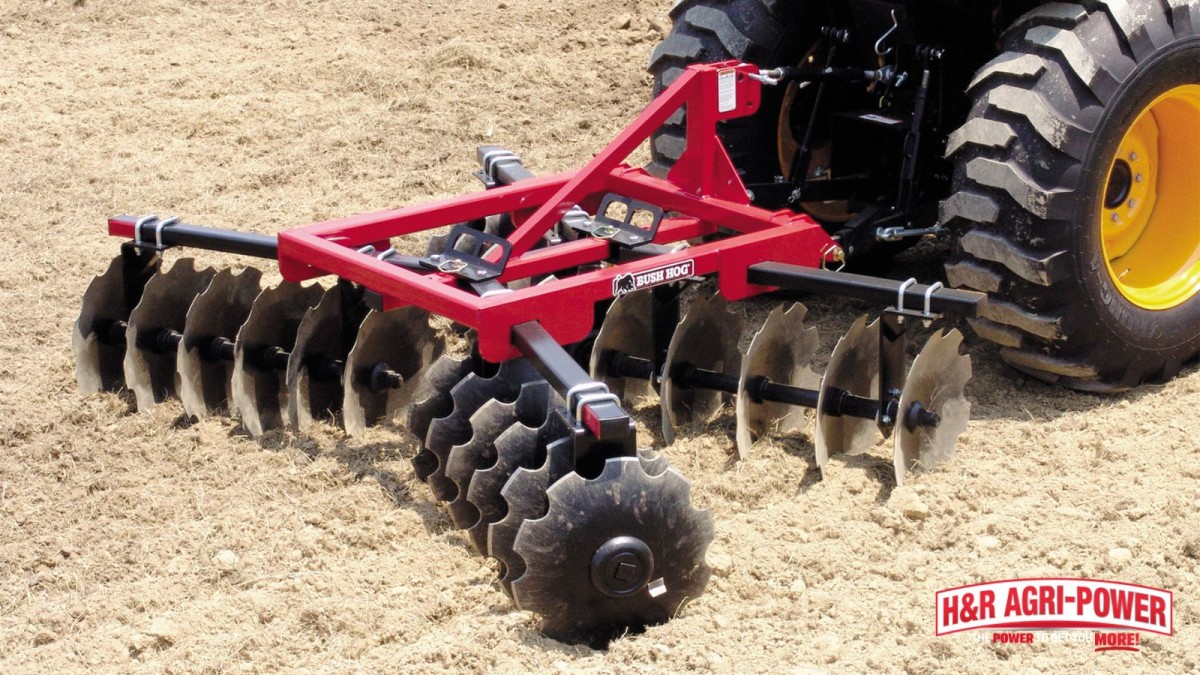
Offseason storage for Bush Hog implements is the process of cleaning, maintaining, protecting, and sheltering rotary cutters and other attachments during idle months to prevent corrosion, mechanical failure, and premature wear. Proper storage preserves equipment function, extends service life, and protects your investment.
We cover pre-storage preparation, storage environment selection, pest prevention, vulnerable component protection, common storage mistakes, ongoing inspection practices, and dealer support from H&R Agri-Power.
Pre-storage preparation includes thorough cleaning to remove crop residue and soil that accelerate corrosion, detailed inspection of blades and structural components for existing wear, and essential maintenance like oil changes and lubrication of all fittings. These steps eliminate the acids and contaminants that damage internal parts during long periods of inactivity.
Storage environment selection determines how well your implements hold up over winter. Indoor storage in a machine shed or barn keeps equipment clean and dry, while outdoor setups require ventilated covers and well-drained ground positioned away from snow accumulation. The right environment can cut equipment downtime significantly and slow depreciation.
Pest prevention addresses a frequently overlooked threat. Rodents seek warmth and shelter inside stored machinery, gnawing through wires, hoses, insulation, and rubber seals. A single chewed wire can sideline an entire implement when you need it most. Effective deterrence combines sanitation, physical barriers, and multiple control methods working in parallel.
Vulnerable component protection focuses on the parts most susceptible to storage damage: hydraulic cylinder rods prone to pit corrosion, cutting edges exposed to moisture, and rubber components that deteriorate without shelter. Coating exposed metal surfaces and retracting cylinders are simple measures that prevent costly repairs.
Common storage mistakes, regular inspection schedules, and the service and parts support available through H&R Agri-Power round out the practices that keep your Bush Hog implements ready for the next season.
What Preparations Should Be Made Before Storing Bush Hog Implements?
Preparations before storing Bush Hog implements include thorough cleaning, detailed inspection for wear or damage, and essential maintenance tasks. The following subsections cover each step.
Why Is It Important to Clean Bush Hog Implements Before Storage?
Cleaning Bush Hog implements before storage is important because dirt, dust, and crop residue become corrosive when mixed with grease and oil on equipment. Rotary cutter grass buildup, in particular, causes rapid deck rust that weakens structural integrity over time. A thorough pre-storage cleaning routine removes the corrosive compounds that accelerate deterioration, giving every subsequent maintenance step a clean foundation to work from.
How Should You Inspect Bush Hog Implements for Wear or Damage?
You should inspect Bush Hog implements for wear or damage by examining all critical components systematically before the offseason begins. Key areas to check include:
-
Blades and cutting edges for cracks, excessive wear, or bending.
-
Hydraulic hoses and cylinder rods for leaks, abrasion, or signs of pit corrosion.
-
Gearbox housings and driveline components for fluid leaks or unusual play.
-
Wheels for damage or wear
-
Structural frames and deck surfaces for rust spots or stress fractures.
According to the LSU Ag Center, tillage implements should be parked on concrete, gravel, or wood blocks to prevent ground moisture from accelerating corrosion during the inspection and storage period. Catching small problems now prevents costly mid-season failures later.
What Maintenance Steps Are Essential Before Offseason Storage?
The essential maintenance steps before offseason storage focus on preserving fluids and lubrication points. Core pre-storage tasks include:
-
Greasing all fittings, chains, bearings, and pivot points to prevent rust and seizing.
-
Coating exposed metal surfaces with light oil or rust-preventative spray.
Each of these steps takes minimal time yet directly protects against the most common forms of offseason damage. With maintenance complete, choosing the right storage location becomes the next critical decision.
Where Is the Best Place to Store Bush Hog Implements to Prevent Damage?
The best place to store Bush Hog implements is inside a machine shed or barn where they stay clean and dry. Indoor versus outdoor options, moisture prevention, and ventilation each play a role in protecting your equipment.
Should You Store Bush Hog Implements Indoors or Outdoors?
You should store Bush Hog implements indoors whenever possible. Indoor storage in a machine shed or barn keeps equipment clean and dry, shielding it from UV exposure, wind, and temperature swings that accelerate wear. When outdoor storage is the only option, position equipment on well-drained ground, protected from wind, away from areas where deep snow accumulates. Parking on concrete, gravel, or wood blocks prevents ground moisture from wicking into metal components. For most operations, even a basic pole barn pays for itself by dramatically reducing corrosion and component degradation over each offseason.
How Can You Protect Bush Hog Implements from Moisture and Rust?
You can protect Bush Hog implements from moisture and rust by combining proper placement, surface treatments, and fuel management. Key moisture and rust prevention steps include:
-
Coat all exposed metal surfaces with light oil or rust preventative sprays before storage.
-
Park implements on concrete, gravel, or wood blocks so ground moisture cannot reach the underside.
-
Retract hydraulic cylinder rods fully, since extended rods develop pit corrosion that tears out cylinder seals.
According to the LSU AgCenter, dirt, dust, and crop residue become corrosive when mixed with grease and oil on equipment. Thorough cleaning before storage removes these compounds and stops rust before it starts.
What Role Does Ventilation Play in Offseason Equipment Storage?
Ventilation plays a critical role in offseason equipment storage by preventing trapped moisture from condensing on metal surfaces. Without airflow, humidity accumulates under covers and inside enclosed buildings, creating the exact conditions that accelerate corrosion. For outdoor storage, use high-quality tarps or covers that allow ventilation rather than sealed plastic wraps that trap moisture against the implement.
According to a Farmonaut report on farm equipment storage buildings, advanced storage structures can reduce farm equipment depreciation by up to 30% using cutting-edge materials with integrated climate controls. Proper ventilation is a major reason: consistent airflow keeps relative humidity low and metal surfaces dry.
Investing in ventilated storage protects more than metal. Retained resale value, longer serviceable life, and fewer repair costs all follow from keeping Bush Hog implements in a dry, well-circulated environment. With storage conditions optimized, regular inspections throughout the offseason help catch emerging issues early.
How Can You Prevent Pest or Rodent Damage to Bush Hog Implements?
You can prevent pest or rodent damage to Bush Hog implements by combining sanitation, physical barriers, and active deterrents around your storage area. The following subsections cover which pests pose the greatest threat and which methods keep them away.
What Types of Pests Commonly Affect Stored Implements?
The types of pests that commonly affect stored implements are mice, rats, and other small rodents. These animals seek warmth, shelter, and food inside farm machinery during the offseason. Because rodent teeth grow continuously, they must constantly gnaw on hard materials to wear them down. This compulsive chewing makes hoses, wires, insulation, and rubber seals prime targets.
According to Purdue Extension, mice often damage large electrical appliances by chewing wiring and insulation, resulting in short circuits and fire hazards. A single chewed wire or hose can disable an entire implement when you need it most. Rodents can also squeeze through holes as small as a coin, making even tightly parked equipment vulnerable. Beyond structural damage, rodent droppings and urine create health risks, including diseases such as leptospirosis and hantavirus.
What Methods Can You Use to Deter Animals During Storage?
The methods you can use to deter animals during storage include physical exclusion, sanitation, and layered deterrent strategies. No single solution works effectively on its own; the best rodent prevention programs utilize multiple methods in parallel.
Effective deterrent methods include:
-
Sealing gaps around doors, vents, and walls with hard materials such as steel mesh, steel wire, cement, or concrete.
-
Maintaining proper sanitation around storage structures to eliminate sources of food, water, and shelter.
-
Placing snap traps or bait stations around the perimeter of your storage area.
-
Removing crop residue, spilled grain, and tall grass near stored implements.
-
Using peppermint oil-soaked rags or commercial rodent repellent products inside cab compartments and engine bays.
For operators storing Bush Hog rotary cutters and other implements across multiple seasons, investing in steel mesh exclusion barriers pays for itself quickly compared to replacing chewed hydraulic lines or wiring harnesses. With pest deterrents in place, attention can turn to protecting the most vulnerable implement components.
Which Parts of Bush Hog Implements Are Most Vulnerable During Storage?
The most vulnerable parts of Bush Hog implements during storage are hydraulic components, hoses, and cutting edges. Used oil left in the system accelerates this risk; according to Montana State University Extension, used oil contains acids that can corrode internal parts during long periods of inactivity. The sections below cover protection strategies for hydraulics and blades.
How Should You Protect Hydraulic Components and Hoses?
You should protect hydraulic components and hoses by retracting all cylinder rods, replacing old hydraulic fluid, and applying a light coating of oil to exposed metal surfaces. Cylinder rods left extended develop pit corrosion, which can tear out seals and lead to costly replacements. Hoses are equally at risk; rubber compounds degrade when exposed to temperature swings, UV light, and rodent gnawing.
Key protection steps include:
-
Fully retract hydraulic cylinders to shield chrome rod surfaces from moisture and pitting.
-
Drain and replace hydraulic fluid that may contain moisture or contaminants.
-
Inspect all hoses for cracks, bulges, or abrasion before storing.
-
Coat any exposed fittings or connection points with rust-preventative spray.
Hydraulic repairs are among the most expensive service calls after offseason storage, and nearly all of them trace back to skipped pre-storage fluid changes or extended cylinders.
What Steps Can You Take to Preserve Blades and Cutting Edges?
The steps you can take to preserve blades and cutting edges focus on thorough cleaning, protective coating, and proper positioning. Rotary cutter grass buildup causes rapid deck rust, so removing all crop residue from the cutting chamber is the first priority. Once clean, coat blade surfaces and the underside of the deck with light oil or a rust-preventative spray to create a moisture barrier.
Additional preservation steps include:
-
Sharpen or replace worn blades before storage so they are ready for spring use.
-
Store the implement with the deck lowered onto wood blocks to relieve stress on lift components.
-
Inspect blade bolts for fatigue cracks or looseness and replace as needed.
Blades are consumable parts, but proper offseason care extends their useful life significantly. With cutting edges protected, attention can shift to avoiding common storage mistakes that compound this wear.
What Mistakes Should Be Avoided When Storing Bush Hog Implements in the Offseason?
The mistakes that should be avoided when storing Bush Hog implements in the offseason include skipping pre-storage cleaning, neglecting fluid changes, leaving equipment outdoors unprotected, and ignoring periodic checks. These errors accelerate corrosion, invite pest damage, and drive up repair bills.
What Are the Consequences of Inadequate Storage Preparation?
The consequences of inadequate storage preparation include accelerated corrosion, seized components, and premature structural deterioration. Dirt, dust, and crop residue become corrosive when mixed with grease and oil on equipment, according to the LSU Ag Center. Used oil left unchanged contains acids that eat into internal parts during months of inactivity. Rotary cutter decks left caked with grass buildup develop rust at a far faster rate than clean surfaces. Each of these issues compounds over a single offseason, turning what would have been a routine spring startup into a costly rebuild. Skipping even one preparation step is often enough to trigger a chain of failures.
How Can Improper Handling Lead to Increased Repair Costs?
Improper handling leads to increased repair costs by turning preventable wear into major component failures. According to a 2023 U.S. PIRG Education Fund study, restrictive repair policies and unplanned breakdowns cost farmers approximately $3,348 per season. Hydraulic cylinder rods left extended develop pit corrosion that tears out seals, a repair far more expensive than retracting cylinders before storage. Rodents chew through hoses, wires, and rubber seals when equipment sits unprotected; a single chewed wire can disable an entire machine at the worst possible time. Belts and hoses deteriorate rapidly on equipment stored outside, compounding replacement expenses. Proper offseason handling is one of the most cost-effective investments a producer can make.
With storage mistakes identified, routine offseason inspections help catch emerging problems before they escalate.
How Often Should You Check on Stored Bush Hog Implements During the Offseason?
You should check on stored Bush Hog implements at least once per month during the offseason. Monthly inspections catch early warning signs before they escalate into costly repairs.
What Signs Indicate Potential Storage-Related Issues?
The signs that indicate potential storage-related issues include visible rust formation, rodent activity, moisture accumulation, and hydraulic fluid leaks. Rodent droppings near hoses or wiring signal active gnawing damage; according to Purdue Extension, mice often damage large electrical appliances by chewing wiring and insulation, resulting in short circuits and fire hazards. Condensation pooling under covers or on metal surfaces points to inadequate ventilation. Any musty odor inside enclosed storage areas often indicates trapped humidity accelerating corrosion. Catching these signs early during a quick monthly walkthrough prevents minor issues from becoming major repair bills when the season starts.
How Can Regular Inspections Help Extend Implement Longevity?
Regular inspections help extend implement longevity by identifying deterioration before it compounds. According to Morning Ag Clips, preventive schedules extend machine life by 20%-30% and can cut unscheduled downtime in half. A brief monthly check allows you to:
-
Reapply rust preventative coatings where protective films have worn away.
-
Confirm rodent deterrents remain effective and undisturbed.
-
Inspect hydraulic hoses for cracking or moisture intrusion.
Each inspection takes only minutes but preserves the implement's condition across months of inactivity. For operators managing multiple implements, keeping a simple log of each check builds a documented service history that supports resale value. With a consistent inspection routine established, the right dealer partner can help address any issues found before spring.
How Can H&R Agri-Power Support Safe Offseason Storage of Bush Hog Implements?
H&R Agri-Power can support safe offseason storage of Bush Hog implements through dedicated service, genuine parts availability, and expert guidance across 17 Bush Hog locations in five states. The sections below cover ongoing dealer support and key storage takeaways.
What Ongoing Service or Parts Support Does H&R Agri-Power Offer for Bush Hog Implements?
H&R Agri-Power offers parts sourcing, scheduled maintenance, and pre-storage inspections for Bush Hog implements at locations across Kentucky, Tennessee, Illinois, Indiana, and Mississippi. With over 50 years of experience, H&R Agri-Power stocks replacement blades, hydraulic hoses, bearings, and other wear components that should be addressed before the offseason. Scheduling a pre-storage service visit ensures fluids are changed, fittings are greased, and vulnerable components are inspected by trained technicians rather than overlooked until spring.
What Are the Key Takeaways About Storing Bush Hog Implements During the Offseason Without Damage?
The key takeaways about storing Bush Hog implements during the offseason without damage center on consistent preparation, proper environment, and ongoing vigilance:
-
Clean all crop residue, dirt, and grease buildup before storage to prevent corrosion.
-
Coat exposed metal surfaces with light oil or rust preventative spray.
-
Store implements indoors whenever possible, or use ventilated covers on well-drained ground.
-
Retract hydraulic cylinders and inspect hoses and seals for wear.
-
Implement rodent deterrents to protect wiring, hoses, and rubber components.
-
Check on stored equipment periodically throughout the offseason.
Proper offseason storage is one of the most cost-effective investments an operator can make. H&R Agri-Power is ready to help at any stage, from pre-storage service to sourcing the parts needed for a smooth return to the field.