

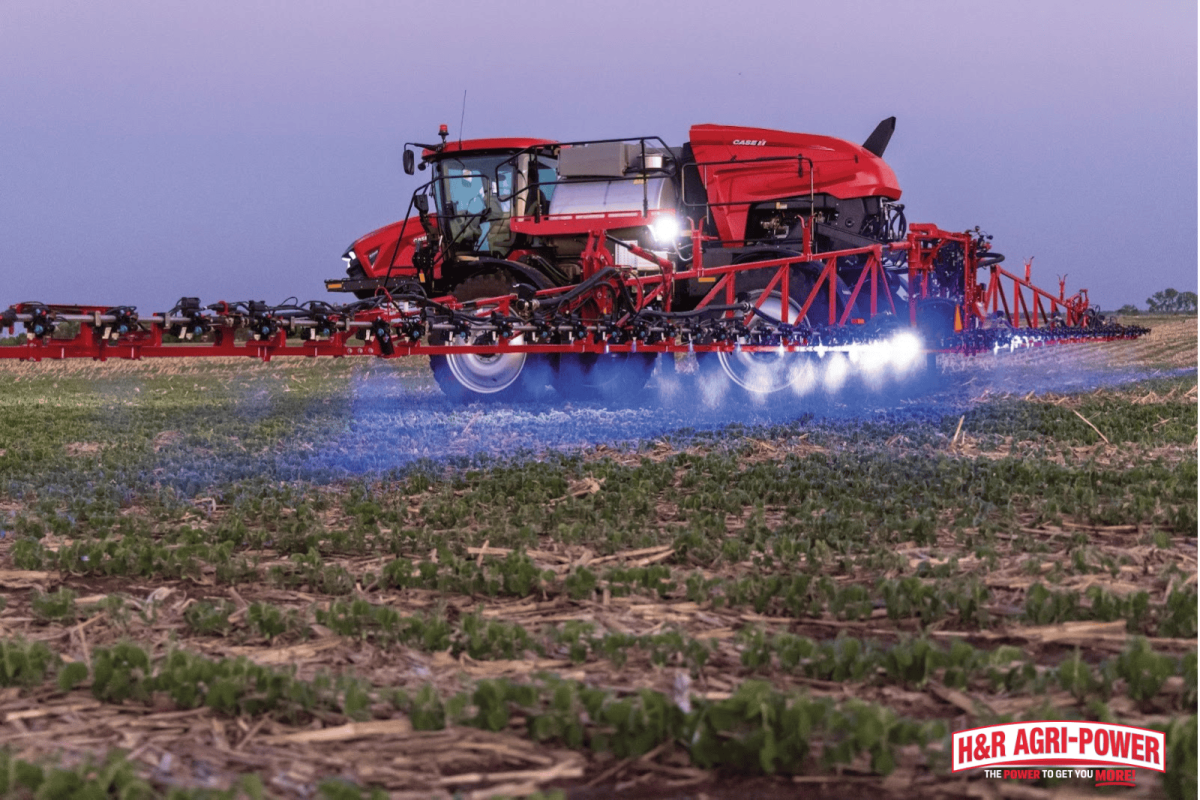
Smart spraying technologies are revolutionizing the way farmers manage their crops. By utilizing GPS and sensor-based systems, these tools precisely apply fertilizers, pesticides, and herbicides, reducing waste and improving crop health. According to the Research, guidance technologies were adopted on over 80% of planted acres for major crops in North America in 2019. This widespread adoption reflects the growing confidence in technologies that help reduce over- and under-application, optimize seeding, and ultimately enhance crop productivity. The ease of use and advanced functionalities of these systems have been key factors driving their adoption on farms globally.
In this guide, we explore how smart spraying systems are changing agriculture, with a focus on Case IH equipment and its role in modernizing farm operations.
How Smart Spraying Works
Smart spraying technologies use a combination of GPS guidance, sensors, and automation to target crops precisely. Unlike traditional spraying methods, which apply chemicals uniformly across the field, smart sprayers detect plant health, soil variability, and pest presence to apply inputs only where needed.
This targeted approach reduces chemical usage, prevents over-application, and promotes sustainable farming practices. Case IH Patriot sprayers, for instance, are equipped with AccuGuide guidance and VRT (Variable Rate Technology), enabling farmers to apply fertilizers and pesticides efficiently while covering large areas accurately.
Benefits of Smart Spraying Technologies
Smart spraying technologies are transforming agriculture by providing precise, efficient application of fertilizers, herbicides, and pesticides. These advanced systems not only optimize resource usage but also improve crop health, increase yields, and contribute to environmental sustainability. Here's how smart spraying technologies benefit farmers:
1. Optimized Resource Usage
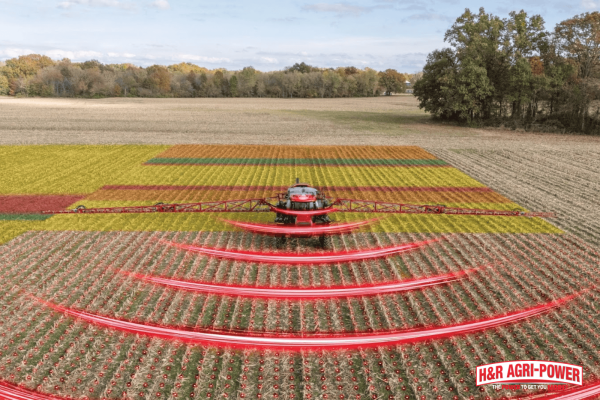
Smart spraying systems ensure inputs are applied precisely, minimizing waste. Case IH Patriot sprayers with GPS and sensor integration allow exact targeting of crops, optimizing fertilizer and pesticide usage.
2. Enhanced Crop Yield
By delivering inputs only where needed, smart sprayers ensure crops receive optimal nutrients and protection. This precision improves plant health, reduces stress, and ultimately increases yields. Case IH's SenseApply Technology maintains consistent application rates even at varying field speeds, ensuring uniform coverage.
3. Environmental Sustainability
Precision spraying reduces the overall volume of pesticides applied, decreasing runoff and minimizing environmental impact. A study in the Brazilian Cerrado region found that real-time sensor-based spraying reduced pesticide use by 2.3 times compared to conventional methods without affecting crop yield.
Key Features of Case IH Patriot Smart Sprayers
Case IH Patriot smart sprayers are equipped with advanced technologies that enhance precision, efficiency, and productivity in the field. These features work together to ensure optimal resource use, minimize waste, and improve overall spraying performance. Here are the key features of Case IH Patriot smart sprayers:
-
GPS Auto-Steer Systems: Enable precise navigation and reduce overlapping passes, saving fuel and labor costs.
-
Variable Rate Technology (VRT): Adjusts chemical application based on real-time field data, preventing waste.
-
Section Control: Automatically turns off sprayer sections in areas already treated, avoiding double application.
-
Real-Time Monitoring: Sensors and telematics provide live feedback on spray patterns, field conditions, and chemical usage, allowing farmers to make instant adjustments.
Challenges in Adopting Smart Spraying Tools
Despite their benefits, implementing smart spraying technologies comes with challenges:
-
High Initial Investment: Modern sprayers require a significant upfront cost, though long-term savings on inputs and labor offset this expense.
-
Data Management: The large volume of data collected from sensors and VRT systems needs effective interpretation through farm management software. Proper training is essential for maximizing benefits.
-
Technological Complexity: The integration of advanced technologies can be complex. A 2021 study published in ScienceDirect found that technological complexity, lack of collaboration among stakeholders, and inadequate government support hinder the adoption of agriculture 4.0 technologies.
-
Maintenance & Calibration: Precision sprayers require regular maintenance and calibration to maintain accuracy and prevent errors in chemical application.
Future of Smart Spraying in Precision Agriculture
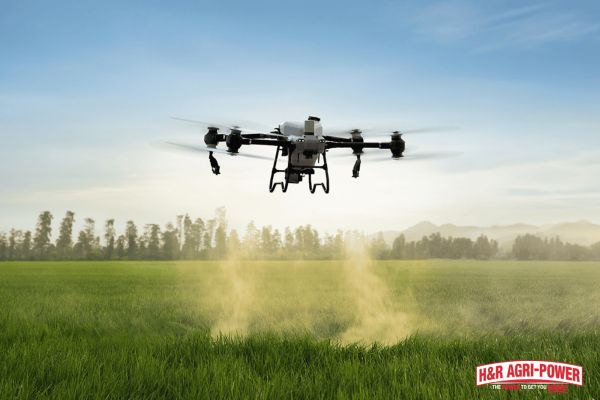
Smart spraying technologies as part of precision agriculture are rapidly advancing, incorporating AI, drones, and machine learning for even greater precision. These innovations enable farmers to reduce input costs, improve yields, and enhance sustainability.
-
AI and Machine Learning: These technologies allow sprayers to analyze data in real-time, making precise decisions on where and when to apply resources, minimizing waste.
-
Drones and Aerial Imaging: Drones provide real-time field insights, helping smart sprayers apply treatments only where necessary, improving efficiency.
-
Case IH Innovations: With features like Precision Farming, Case IH allows farmers to remotely monitor sprayer performance, optimizing efficiency and ensuring real-time adjustments across fields.
The future of smart spraying promises more efficient, sustainable, and cost-effective farming.
Elevate Your Farming with Smart Spraying
Adopting smart spraying technologies revolutionizes traditional farming by enabling precise, data-driven, and sustainable crop management. Case IH equipment leads the way, showcasing how innovative spraying technology can boost efficiency, cut costs, and enhance yields. Farmers who invest in smart sprayers are better equipped to meet growing food demands, protect the environment, and maximize profitability.
Now is the perfect time to embrace the future of farming. Integrate smart spraying tools today and unlock the full potential of modern agriculture. Contact H&R Agri-Power to explore the latest Case IH Patriot smart sprayers and take the next step toward a more efficient and sustainable farming operation.
Frequently Asked Questions
1. What is smart spraying technology?
Smart spraying technology uses advanced sensors, GPS guidance, and automation to apply fertilizers, pesticides, and herbicides to crops precisely. It ensures that chemicals are applied only where needed, improving efficiency and reducing waste.
2. How does smart spraying reduce costs?
By applying inputs only to areas that require treatment, smart spraying reduces the amount of chemicals used, leading to significant savings on fertilizers and pesticides. It also reduces labor and fuel costs by optimizing spraying operations.
3. Are smart sprayers suitable for all types of farms?
Yes, smart sprayers are suitable for various farm sizes and types. Whether for large commercial farms or smaller operations, the technology can be scaled to meet specific farm needs and improve overall efficiency.
4. How does Case IH equipment improve smart spraying?
Case IH equipment integrates advanced features like Precision Farming, Variable Rate Technology (VRT), and AccuGuide Guidance, allowing farmers to apply resources precisely and monitor performance remotely, optimizing field coverage and efficiency.
5. What are the environmental benefits of smart spraying?
Smart spraying minimizes chemical runoff and over-application, reducing environmental pollution and preserving surrounding ecosystems. It also conserves water and other resources, contributing to more sustainable farming practices.