

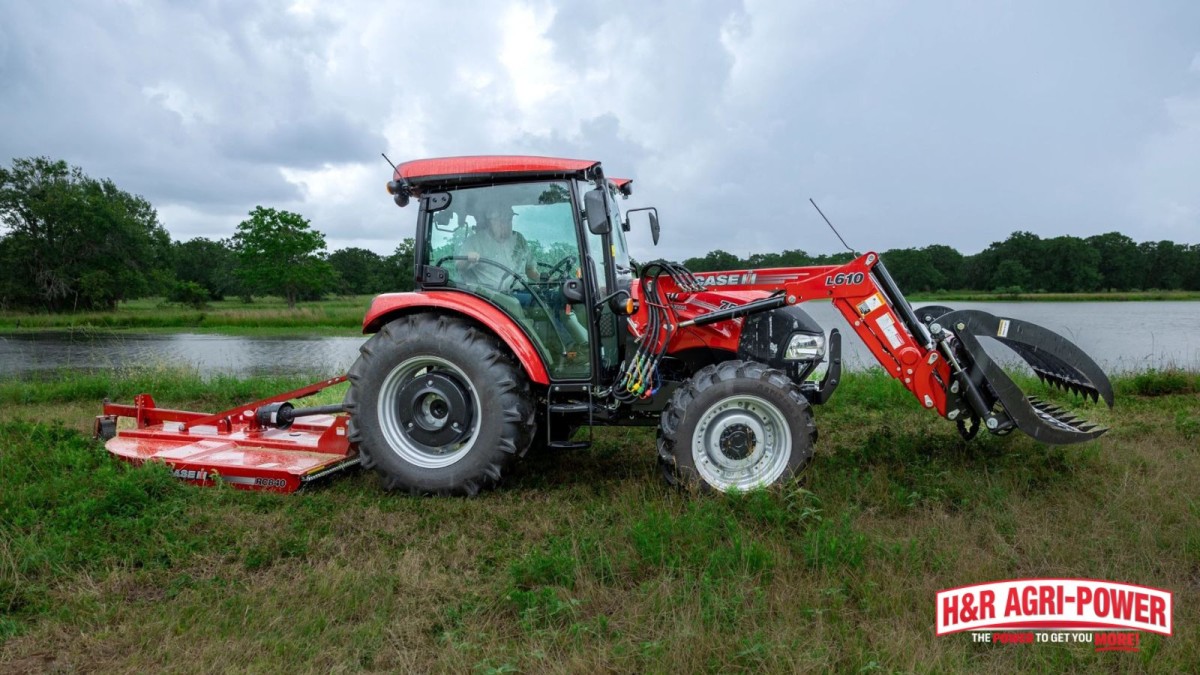
Seasonal bush hog planning is the practice of scheduling rotary cutter work across spring, summer, and fall to match vegetation growth cycles, protect wildlife habitat, and maintain equipment performance. Each season presents distinct conditions that determine what to cut, when to cut it, and how to keep your Bush Hog running reliably.
We cover seasonal vegetation priorities, wildlife and environmental considerations, regional adjustments across the United States, equipment maintenance practices, and how H&R Agri-Power supports landowners through every cutting season.
Spring brush hogging targets cool-season grasses, dormant brush, and early weed growth before nesting season ramps up. Timing your first cut correctly sets the foundation for healthy pasture regrowth while giving ground-nesting birds like quail and wild turkeys space to establish nests undisturbed.
Summer demands the most aggressive cutting schedules as warm-season vegetation grows rapidly. Cutting frequency directly influences soil health and pasture quality, but heat, humidity, and dense growth also place heavier loads on equipment components like gearboxes, blades, and PTO shafts.
Fall brush hogging focuses on clearing woody regrowth, managing perennial weeds, and preparing properties for winter dormancy. Certain forages like alfalfa and clover require careful cutting heights to preserve stand longevity, and late-season timing helps minimize disruption to wildlife preparing for colder months.
Regional differences in climate, growing seasons, and local regulations mean no single cutting calendar works everywhere. Landowners across the Southeast, Midwest, and surrounding regions face varying conditions that shape when each seasonal window opens and closes.
Consistent maintenance between seasons protects your investment and prevents costly breakdowns. Routine inspections of blades, gearbox oil, seals, and driveline components keep your bush hog field-ready year after year.
Why Is Seasonal Bush Hog Planning Important for Land Management?
Seasonal bush hog planning is important for land management because it aligns cutting schedules with vegetation growth cycles, wildlife activity, and equipment demands. The consequences of skipping a seasonal schedule and the equipment benefits of proper planning illustrate why timing matters.
What Are the Consequences of Not Following a Seasonal Schedule?
The consequences of not following a seasonal schedule include damaged root systems, disrupted wildlife habitats, and accelerated land degradation. When more than half of a plant's forage is removed, root growth stops within one to two days and remains halted for an average of 11 days, according to the Noble Research Institute. This stalled recovery weakens pasture stands over time, inviting invasive species and soil erosion.
Poorly timed mowing also threatens ground-nesting birds. Species like bobwhite quail and meadowlarks rely on undisturbed fields during nesting season, and cutting at the wrong time destroys active nests. Beyond ecology, irregular schedules force operators to tackle overgrown vegetation that strains equipment components far more than routine cuts would.
How Does Proper Planning Improve Equipment Lifespan?
Proper planning improves equipment lifespan by distributing workload evenly across seasons, preventing the excessive strain that comes from infrequent, heavy-duty cutting sessions. Overgrown brush demands higher PTO loads, accelerates blade wear, and overheats gearboxes. A consistent seasonal schedule keeps each cutting pass manageable, reducing stress on drivetrains and cutting assemblies.
According to a 2025 University of Illinois analysis, overall machinery costs rose 25% from 2021 to 2024, climbing from $136 to $171 per acre. With repair costs reaching $39 per acre, preventive scheduling becomes a financial strategy, not just a maintenance preference. Operators who plan seasonal rotations catch small issues early, avoiding costly breakdowns during peak cutting periods.
With the importance of seasonal timing established, understanding what specific vegetation to target each season puts this planning into practice.
What Types of Vegetation Should You Cut in Spring?
The types of vegetation you should cut in spring include dormant cool-season grasses, overwintered weeds, and early brush growth before nesting season begins. Timing and wildlife precautions shape effective spring brush hogging.
When Is the Best Time in Spring to Begin Brush Hogging?
The best time in spring to begin brush hogging is early March, before ground-nesting birds establish nests and while dormant vegetation is still manageable. According to Patriot Natural Resources, the best mowing window for minimizing impacts on wildlife is typically early spring (March) or late fall (October through November), depending on your location.
Targeting this narrow window lets you clear winter debris, knock back early weed growth, and open fields before warm-season grasses emerge. Once you move past early spring, nesting activity increases rapidly, making later cuts riskier for wildlife. For most properties across the central and southern United States, completing the first pass by mid-March strikes the right balance between land management goals and habitat protection.
What Precautions Should You Take for Wildlife and Growth in Spring?
The precautions you should take for wildlife and growth in spring include scouting fields before cutting, adjusting mowing height, and using protective equipment attachments. These steps reduce harm to nesting birds and young mammals while preserving beneficial plant regrowth.
Key precautions to follow:
-
Walk or drive fields before mowing to identify active nests from species such as bobwhite quail, wild turkeys, and meadowlarks.
-
Install a flushing bar across the front of the mower deck with dangling chains to encourage animals to flee ahead of the equipment.
-
Avoid mowing in the dark, when ground-nesting birds sit tight on nests and are least likely to flush.
-
Raise cutting height to at least 4 inches for cool-season grasses to protect root systems and promote faster spring recovery.
-
Leave buffer strips of uncut vegetation along field edges and waterways to preserve cover for wildlife.
Balancing productivity with habitat stewardship is one of the most undervalued aspects of seasonal brush hogging, yet it directly affects long-term land health. With spring vegetation managed, summer growth patterns will determine your next cutting schedule.
What Should You Focus on Cutting in Summer with a Bush Hog?
Summer bush hog work should focus on managing fast-growing warm-season grasses, dense weed stands, and overgrown field edges before vegetation becomes too tall and woody. The sections below cover how summer growth changes your cutting schedule and which safety precautions matter most in peak-season conditions.
How Does Summer Growth Impact Cutting Schedules?
Summer growth impacts cutting schedules by accelerating vegetation turnover, which demands more frequent passes to keep fields manageable. Warm-season grasses, broadleaf weeds, and volunteer saplings can add several inches of height per week during peak growing conditions. Longer growing seasons across the United States, driven by rising temperatures and shifting precipitation patterns, further compress the window between necessary cuttings.
According to a University of New Hampshire study, five cuttings per year resulted in increased soil carbon pools compared to three cuttings per year, with more frequent cuttings increasing enzyme activity for breaking down organic matter. This means tighter summer rotations do more than keep properties tidy; they actively improve soil health over time.
For most operations, planning cuts every three to four weeks through June, July, and August prevents vegetation from outpacing the mower's capacity and reduces strain on blades and gearboxes.
What Safety and Equipment Considerations Apply for Summer Bush Hog Work?
The safety and equipment considerations that apply for summer bush hog work center on heat-related risks, increased debris hazards, and accelerated component wear. Key precautions include:
-
Inspect blades before each session, since dry, hardened stalks dull cutting edges faster than soft spring growth.
-
Check gearbox oil levels when the gearbox is cool and on level ground to prevent overheating.
-
Ensure PTO shielding is intact; PTO shafts are among the most dangerous pieces of farm equipment, causing injuries that include broken bones, spinal damage, and scalping.
-
Schedule cutting during daylight hours and avoid mowing in the dark to protect ground-nesting birds that are less likely to flush at night.
-
Attach a flushing bar to the front of the mower deck to encourage wildlife to clear the cutting path ahead of the blades.
Operators should also stay hydrated and take regular breaks, as summer heat compounds fatigue during extended tractor work. With the right preparation, summer brush hogging stays productive and safe throughout the season.
Which Vegetation Is Best Cut in Fall for Optimal Results?
Fall brush hogging targets dormant warm-season grasses, dried weed stands, and overgrown brush before winter sets in. The sections below cover property preparation and what to avoid cutting during this season.
How Do You Prepare Your Property for Winter During Fall Brush Hogging?
You prepare your property for winter during fall brush hogging by clearing dead growth, managing field edges, and reducing woody encroachment before the ground freezes. Priority targets include dried annual weeds, senescing warm-season grasses, and fence-line brush that can trap snow and moisture against structures.
Cutting these materials in late fall removes fuel for potential wildfires and eliminates overwintering sites for crop pests. Focus on areas where thick vegetation could conceal drainage issues or block access roads during winter storms. Leaving a 3- to 7-inch stubble height across pastures protects root systems and reduces soil erosion through winter months.
What Should You Avoid Cutting in the Fall?
You should avoid cutting established legume stands, late-season cover crops, and areas sheltering wildlife during fall brush hogging. According to Penn State Extension, alfalfa or clover should be cut at a minimum of 2 inches cutting height to maintain stand longevity and minimize ash content concerns. Cutting these forages too aggressively in fall weakens root reserves needed for spring regrowth.
Other vegetation to leave undisturbed includes:
-
Native warm-season grass stands that provide winter cover for ground-nesting birds and small mammals.
-
Newly seeded areas where fall plantings have not yet established root systems.
-
Riparian buffers along waterways that prevent erosion during winter precipitation.
Operators should also avoid mowing in the dark, when birds are most likely on the nest and least likely to flush. For most properties, scheduling fall cuts during daylight hours in October or November balances vegetation management with habitat conservation.
How Can You Adjust Bush Hog Plans for Regional Differences in the United States?
You can adjust bush hog plans for regional differences in the United States by accounting for local wildlife regulations, environmental protections, and climate-driven growing seasons. The following subsections cover key legal and environmental factors alongside weather pattern influences.
What Environmental or Legal Factors Impact Seasonal Brush Hogging?
The environmental or legal factors that impact seasonal brush hogging include ground-nesting bird protections, native habitat preservation rules, and federal equipment safety requirements. Species like bobwhite quail, wild turkeys, and meadowlarks build nests in grasses and rely on undisturbed fields during nesting season; mowing at the wrong time destroys nests and displaces these birds, according to Patriot Natural Resources.
Key factors to evaluate before cutting include:
-
Nesting season restrictions: Many states discourage or restrict mowing between April and mid-July to protect ground-nesting wildlife.
-
Flushing bar use: Attaching a flushing bar when mowing earlier in the year helps wildlife escape ahead of equipment.
-
Night mowing avoidance: Cutting in the dark increases the risk of destroying nests, since birds are least likely to flush at night.
-
OSHA equipment mandates: All farm equipment must have PTO guarding under OSHA standard 1920.212, and ROPS have been required on employee-operated tractors since 1976.
Operators who overlook these factors risk both ecological damage and regulatory penalties, making local compliance checks an essential first step in any regional plan.
How Do Weather Patterns Influence Regional Cutting Schedules?
Weather patterns influence regional cutting schedules by shifting growing season length, peak growth periods, and ground conditions across different parts of the country. According to USDA Climate Hubs, growing seasons have become longer nationwide, temperatures have risen across seasons, and precipitation patterns have changed with increased extreme precipitation events.
These shifts affect scheduling in practical ways:
-
Southern states experience earlier spring green-up and longer summers, often requiring a first cut in March and more frequent passes through October.
-
Northern and Midwestern states have shorter windows, with reliable cutting typically starting in late April and wrapping up by early November.
-
Wet regions may need schedule flexibility, since saturated soils cause rutting and compaction that damages both the field and the equipment.
For operators managing land across multiple climate zones, building a flexible calendar that accounts for these regional weather differences is far more effective than following a single fixed schedule.
What Equipment and Maintenance Best Practices Should You Follow Each Season?
The equipment and maintenance best practices you should follow each season include regular blade inspections, gearbox servicing, and driveline lubrication timed to your cutting schedule. The subsections below cover inspection frequency and routine maintenance tasks.
How Often Should Bush Hog Blades and Components Be Inspected?
Bush hog blades and components should be inspected before every use and at structured intervals throughout each cutting season. A quick visual check before each session catches cracked blades, loose bolts, and missing shear pins before they cause damage or safety hazards.
Key inspection intervals include:
-
Check blades for wear, cracks, and balance before each mowing session.
-
Inspect the gearbox oil level, with the gearbox cool and on level ground, to prevent gear wear and overheating.
-
Examine PTO shielding and driveline guards for cracks or missing components at the start of each season.
-
Assess deck skid shoes and hitch pins for excessive wear monthly during heavy-use periods.
Spring inspections carry extra importance because equipment has sat idle through winter. Moisture accumulation, rodent damage to wiring, and seal degradation all occur during storage. Catching these issues early prevents costly mid-season breakdowns.
What Routine Maintenance Extends the Life of Your Bush Hog?
Routine maintenance that extends the life of your bush hog centers on consistent lubrication, timely fluid changes, and seal replacements aligned with operating hours.
Essential maintenance tasks include:
-
Replace gearbox oil when necessary to flush metal shavings and sludge.
-
Use EP 80W-90 gear oil as the standard lubricant, switching to SAE 85W-140 for high-load applications or what is recommended per the operator’s manual.
-
Lubricate the driveline slip joint every 8 hours of operation to prevent rust and corrosion of PTO shafts.
-
Upgrade to high-temperature, double-lip nitrile seals in dusty conditions; according to FIMIC Implement, these seals improve longevity by 30–40% compared to standard seals.
The financial case for disciplined maintenance is substantial. Skipping a $15 grease fitting today often leads to a $1,500 gearbox replacement tomorrow, making seasonal maintenance the most cost-effective investment in any bush hog operation.
With equipment properly maintained, H&R Agri-Power can help you find the right parts and service support to keep your bush hog running season after season.
How Can H&R Agri-Power Support Your Seasonal Bush Hog Planning and Maintenance?
H&R Agri-Power can support your seasonal bush hog planning and maintenance through equipment sales, genuine parts, factory-trained service technicians, and financing across 20 locations in six states.
What Equipment, Parts, and Services Does H&R Agri-Power Offer for Effective Brush Hogging?
H&R Agri-Power offers bush hog rotary cutters, genuine manufacturer parts, and full repair and maintenance services for effective brush hogging. With specialization in Bush Hog, Case IH, Kubota, and New Holland equipment, H&R Agri-Power stocks the tractors and implements needed for every seasonal cutting task.
Key offerings include:
-
Factory-trained technicians who perform seasonal inspections, blade replacements, and gearbox servicing.
-
Genuine manufacturer parts stocked at service departments across Kentucky, Alabama, Tennessee, Illinois, Indiana, and Mississippi.
-
Financing options that help manage rising machinery costs without delaying critical seasonal work.
Having a dealer relationship that covers equipment, parts, and service under one roof simplifies planning considerably, especially when timing matters between spring, summer, and fall cutting windows.
What Are the Key Takeaways About Seasonal Bush Hog Planning: What to Cut in Spring, Summer, and Fall We Covered?
The key takeaways about seasonal bush hog planning covered in this article center on matching vegetation types, cutting heights, and equipment maintenance to each season's demands.
-
Spring brush hogging targets early weed growth and dormant-season debris, ideally starting in March while respecting wildlife nesting periods.
-
Summer cutting manages rapid warm-season growth on a tighter schedule, requiring attention to safety, hydration, and blade condition.
-
Fall clearing prepares properties for winter by removing woody encroachment and dead vegetation, while preserving perennial stands like clover at proper cutting heights.
-
Routine maintenance, including gearbox oil checks, driveline greasing, and blade inspections, protects equipment longevity across all three seasons.
-
Regional climate differences and local wildlife regulations shape the specific timing and approach for each property.
H&R Agri-Power provides the equipment, parts, and expert service to keep your bush hog performing through every season.