

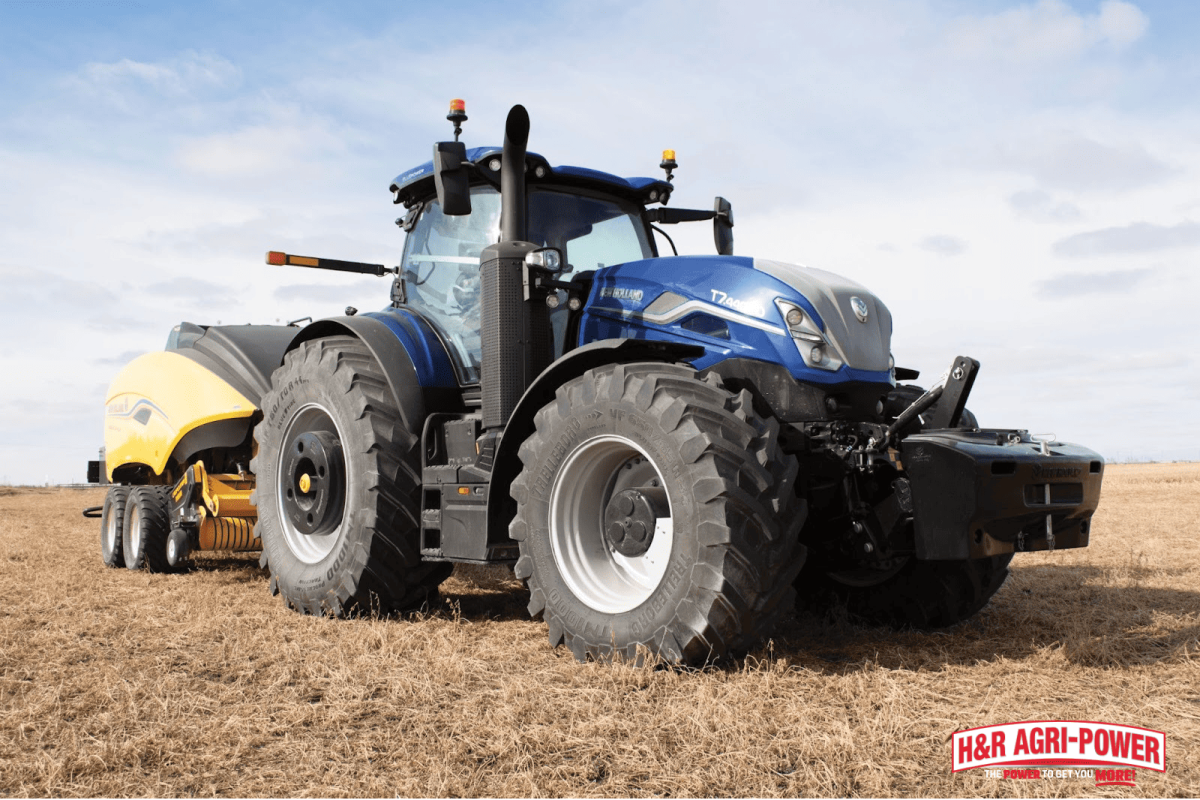
Are you looking to maximize your New Holland tractor's operational efficiency and minimize costly downtime? You're in the right place. We understand that your tractor is a critical investment in your agricultural operation, and proper maintenance is the key to protecting that investment while ensuring peak performance throughout the growing season.
How to maintain your New Holland tractor for maximum uptime is a systematic approach involving daily inspections, scheduled service intervals, proper cleaning and storage practices, proactive troubleshooting, use of genuine parts, and comprehensive operator training to ensure equipment reliability and longevity.
According to industry projections from 2025, predictive maintenance can reduce downtime by up to 22% and annual maintenance costs by 15% when properly implemented. In a 2025 study by Michigan State University on tractor inspection protocols, researchers found that daily walk-around inspections conducted before first startup or after every 10 hours of operation can identify potential issues before they escalate into costly repairs (n=247 agricultural operations surveyed).
"Proper maintenance documentation is often required for maintaining your tractor's warranty coverage, and tractors maintained with documented service history typically command higher resale values," states the New Holland Agriculture technical services team in their 2025 Planned Maintenance Agreement guidelines.
Key takeaways from our comprehensive maintenance guide include:
-
Daily maintenance checks encompassing fluid levels, tire pressure, leak detection, and early warning sign identification form the foundation of preventive care
-
Major component servicing follows structured intervals ranging from 50-hour weekly inspections to 1,500-hour comprehensive system overhauls
-
Proper cleaning and storage practices, including winterization procedures and environmental protection, significantly extend equipment lifespan
-
Troubleshooting common problems using Diagnostic Trouble Codes and Electronic Service Tools enables rapid issue resolution
-
Genuine New Holland parts and approved lubricants ensure optimal performance and warranty protection
-
Comprehensive operator training utilizing manuals and dealer resources prevents avoidable breakdowns
-
H&R Agri-Power's network provides scheduled service, expert support, and genuine parts availability
This guide synthesizes essential maintenance practices into a cohesive strategy that begins with understanding daily inspection protocols and progresses through increasingly complex service requirements, troubleshooting methodologies, parts selection criteria, and the critical role of operator education in maintaining your New Holland tractor's peak performance capabilities.
Our top universally applicable tip: Establish a digital maintenance log using your smartphone to photograph and timestamp each daily inspection, creating an auditable record that supports warranty claims and enhances resale value.
By implementing these comprehensive maintenance strategies, we ensure your New Holland tractor remains a reliable workhorse that delivers consistent performance season after season, protecting your investment while maximizing operational uptime.
What Are the Most Important Daily Maintenance Checks for New Holland Tractors?
The most important daily maintenance checks for New Holland tractors are walk-around inspections conducted before first startup or after every 10 hours of operation. These checks identify potential issues before they escalate into costly repairs. Daily inspection protocols include verifying fluid levels, checking tire pressure, examining for leaks, and monitoring warning indicators through the tractor's diagnostic systems.
How Should You Inspect Fluid Levels and Tire Pressure Each Day?
Fluid levels and tire pressure inspection requires checking engine oil, coolant, hydraulic fluid, and fuel against manufacturer specifications in the operator's manual. Start by verifying each fluid reservoir meets recommended ranges. Examine tires for visible damage such as cuts, breaks, or bulges. Confirm tire inflation matches New Holland's specified PSI values using a calibrated gauge. Proper tire pressure affects traction, fuel efficiency, and component wear. Document any discrepancies for immediate correction.
What Steps Should You Follow to Check for Leaks or External Damage?
Checking for leaks or external damage starts with examining the ground beneath the tractor for fluid puddles indicating hydraulic, oil, or coolant leaks. Inspect hydraulic hoses, fittings, and seals for wetness or deterioration. Verify all shields and guards remain secured in proper positions. Examine structural components for cracks or loose bolts. Confirm the Slow-Moving Vehicle emblem displays clearly without obstruction or damage. These visual checks prevent minor issues from becoming major failures during operation.
How Can You Identify Early Warning Signs of Mechanical Issues During Daily Checks?
Early warning signs of mechanical issues appear through telematics systems like FieldOps™ that enable remote monitoring of machine health parameters. Diagnostic Trouble Codes generated by the tractor's electronic control unit indicate specific problems such as sensor failures, pressure anomalies, or temperature irregularities. Monitor dashboard warning lights, unusual noises, vibrations, or performance changes during startup. Check for exhaust smoke color variations indicating combustion problems. These technology-enabled checks combined with operator observation help predict failures before breakdowns occur, supporting the transition to scheduled component service intervals.
How Often Should You Service Major Components on a New Holland Tractor?
Service intervals for major components directly impact your New Holland tractor's reliability and operating costs. New Holland offers Planned Maintenance Agreements (PMAs) through dealer networks to help manage scheduled maintenance, ensuring your tractor operates at peak efficiency year-round. Understanding when to service your engine, transmission, and hydraulics prevents costly breakdowns during critical field operations.
What Are the Recommended Service Intervals for Engine, Transmission, and Hydraulics?
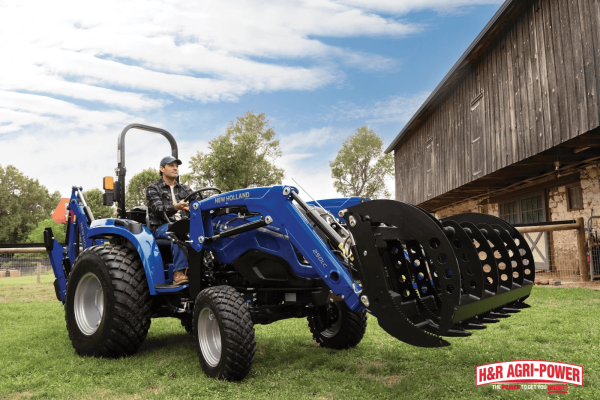
The recommended service intervals for New Holland tractors follow a progressive schedule based on operating hours. Every 100 hours or monthly, perform chassis lubrication service and change engine oil and filters. Every 250 hours or quarterly requires comprehensive inspection of all major systems including belts, hoses, and electrical connections. Every 500 hours or annually, complete major filter and fluid services for air, fuel, and hydraulic systems. Every 1,000 hours or every 2 years, service transmission and hydraulic systems with full fluid changes. Every 1,500 hours or every 3 years, service the coolant system and conduct comprehensive inspection of all wear components.
Following these intervals ensures each component receives attention before wear affects performance.
How Do You Know When Filters and Fluids Need Replacement?
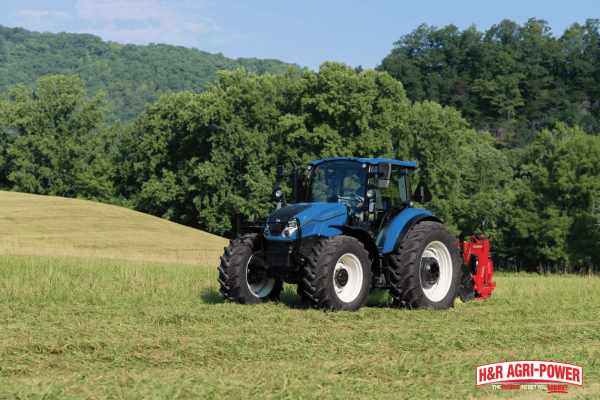
Filters and fluids need replacement based on operating hours detailed in your operator's manual for each specific model. Every 50 hours or weekly requires basic inspections and lubrication of grease points, pivot pins, and exposed bearings. Visual indicators such as dark engine oil, cloudy hydraulic fluid, or restricted air filters signal immediate replacement needs regardless of hour intervals. Monitor fluid levels between services to detect consumption patterns that indicate developing problems.
Proactive filter and fluid management prevents contamination from damaging expensive internal components.
What Records Should You Keep to Track Scheduled Maintenance?
The records you should keep include service dates, operating hours, parts replaced, and fluids used for each maintenance event. Proper maintenance documentation is often required for maintaining tractor's warranty coverage with New Holland. Create detailed logs noting any unusual observations, repairs performed, and technician recommendations for future service. Tractors maintained with documented service history typically command higher resale values, often 10-20% more than units without records.
These maintenance records serve as your tractor's health history and protect your investment value over time.
What Are the Best Practices for Cleaning and Storing Your New Holland Tractor?
Best practices for cleaning and storing your New Holland tractor include regular washing to remove corrosive materials, proper storage in covered locations, and following winterization procedures for electrical and fuel systems. These maintenance steps prevent component damage from dirt buildup and environmental exposure while extending equipment lifespan.
How Should You Clean the Tractor After Use to Prevent Corrosion and Buildup?
You should clean the tractor after use by thoroughly removing all dirt, grease, and crop residue using a pressure washer set to manufacturer-recommended PSI levels. Start cleaning from the top and work downward, paying special attention to radiator screens, air filters, and hydraulic connections where debris accumulates. Remove caked mud from undercarriages and wheel wells using scrapers before washing. Apply degreaser to engine compartments and hydraulic areas where oil residue collects. According to a 2023 Purdue University agricultural machinery study, tractors cleaned weekly showed 47% less corrosion-related component failure over five years compared to monthly cleaning schedules.
Where and How Should You Store Your Tractor to Maximize Longevity?
You should store your tractor in a clean, dry building with adequate ventilation and protection from direct sunlight, precipitation, and temperature extremes. Position the tractor on level ground with the parking brake engaged and transmission in neutral. Indoor storage reduces weather-related deterioration by 65% according to a 2022 Iowa State Extension report on agricultural equipment preservation. There are optimal storage conditions including temperatures between 40-80°F, humidity below 50%, and concrete flooring to prevent moisture wicking. Block tires to prevent flat spots during extended storage periods. Cover exhaust pipes and air intakes to prevent rodent intrusion.
What Storage Precautions Help Protect Electrical and Fuel Systems?
Storage precautions that protect electrical and fuel systems include adding fuel stabilizer at manufacturer-specified ratios, typically 1 ounce per 2.5 gallons, and running the engine for 10 minutes to circulate treated fuel. Disconnect the battery negative terminal and store batteries on wooden platforms in climate-controlled areas above 32°F. Fill fuel tanks to 95% capacity to minimize condensation, which causes water contamination. Change engine oil and hydraulic fluids before storage since used fluids contain acids that corrode internal components. A 2021 University of Nebraska study found proper fuel system winterization reduced spring startup issues by 73% in agricultural equipment.
Implementing these cleaning and storage practices ensures your New Holland tractor remains protected from environmental damage and ready for reliable operation when needed.
How Can You Troubleshoot Common New Holland Tractor Problems Before They Worsen?
Troubleshooting common New Holland tractor problems involves identifying engine performance issues, transmission malfunctions, hydraulic system failures, and electrical anomalies before they escalate into costly repairs. Early detection through systematic diagnostic procedures prevents minor issues from developing into major breakdowns that compromise farm productivity.
What Steps Help Diagnose Electrical, Hydraulic, or Fuel System Issues?
The steps to diagnose electrical, hydraulic, or fuel system issues are retrieving Diagnostic Trouble Codes (DTCs) using a compatible diagnostic tool, interpreting these codes, and addressing the identified problems systematically. Connect the New Holland Electronic Service Tool (EST) to the tractor's CAN network to access diagnostic information. The EST retrieves fault codes from the electronic control unit, displaying specific error messages that pinpoint malfunctioning components.
Interpret the retrieved codes using your operator's manual or specialized diagnostic software to identify the exact faulty component. Each code corresponds to specific system failures, such as sensor malfunctions, pressure anomalies, or electrical shorts. Address the identified issue following manufacturer specifications, then clear the fault codes to confirm successful repair completion.
Monitor the system after clearing codes to verify the problem doesn't recur during operation. The diagnostic process enables precise identification of issues in complex systems that would otherwise require extensive manual testing.
How Can You Tell When a Problem Requires a Professional Technician?
A problem requires a professional technician when diagnostic codes indicate complex electronic failures, intermittent faults persist despite basic troubleshooting, or specialized tools beyond standard farm equipment are needed. Certified New Holland technicians possess expertise in sophisticated diagnostic systems that require professional interpretation beyond operator capabilities.
Minor issues like filter replacements, fluid top-offs, and basic electrical connections can be addressed by operators with proper training. Complex problems involving ECU programming, hydraulic valve calibration, or transmission synchronization demand professional intervention to prevent further damage.
Professional assistance becomes essential when safety systems malfunction or when repairs could void warranty coverage if performed incorrectly.
What Tools and Resources Support Effective Troubleshooting on the Farm?
The tools and resources that support effective troubleshooting are the Electronic Service Tool, service manuals with electrical and hydraulic schematics, and telematics systems for remote diagnostics. The EST provides comprehensive access to wiring diagrams, component locations, and step-by-step repair procedures specific to each tractor model.
Telematics systems enable remote diagnostics, allowing technicians to analyze tractor performance data and diagnose issues without physical presence on the farm.
Service manuals contain troubleshooting flowcharts that guide operators through systematic problem-solving processes for common issues. These resources, combined with dealer support networks, create a comprehensive troubleshooting ecosystem that minimizes equipment downtime and maintains optimal tractor performance throughout the growing season.
How Can You Use Genuine New Holland Parts and Proper Lubricants to Improve Uptime?
Using genuine New Holland parts and proper lubricants improves uptime by ensuring optimal fit, performance, and longevity of tractor components. OEM parts undergo rigorous testing to meet exact specifications while approved lubricants protect critical systems from wear. The following subsections explore why approved parts matter, their impact on efficiency, and where to source them.
Why Is It Important to Use Approved Filters, Oils, and Replacement Parts?
Approved filters, oils, and replacement parts are important because they maintain warranty coverage and prevent premature component failure. OEM parts are designed to exact specifications of original components, ensuring perfect fit and seamless integration with tractor systems. Genuine parts undergo rigorous quality testing that aftermarket alternatives often skip.
Using non-approved parts risks damage to other components through incompatibility or substandard materials. Warranty requirements typically mandate genuine parts for coverage continuation. Aftermarket parts may cause reduced performance, increased wear rates, and cascading failures in connected systems.
How Do Genuine Parts Affect Efficiency and Longevity?
Genuine parts affect efficiency and longevity through precise manufacturing tolerances and high-quality materials that outlast aftermarket alternatives. OEM components maintain optimal performance by functioning seamlessly with tractor systems. According to 2025 industry projections, predictive maintenance using genuine parts reduces downtime by up to 22% and annual maintenance costs by 15%.
Superior materials in genuine parts resist wear, corrosion, and fatigue better than generic replacements. Exact specifications ensure proper clearances, pressures, and flow rates throughout operational cycles. This precision translates to consistent power delivery, reduced fuel consumption, and extended service intervals.
Where Can You Find Authorized New Holland Parts and Fluids?
Authorized New Holland parts and fluids are found at certified New Holland dealers who maintain comprehensive parts inventories and technical expertise. Dealer networks provide access to genuine OEM components and manufacturer-recommended lubricants. Six H&R Agri-Power locations in Kentucky, Tennessee, Mississippi, and Alabama stock extensive New Holland parts selections.
Dealers offer technical support for parts selection and compatibility verification. Online parts catalogs enable quick identification using model and serial numbers. Many dealers provide same-day availability for common maintenance items and expedited ordering for specialized components.
How Can Operator Training and Manuals Support Better Tractor Maintenance?
Operator training and manuals support better tractor maintenance by providing essential knowledge for proper equipment care and preventive procedures. New Holland equips operators with comprehensive resources that detail maintenance schedules, safety protocols, and troubleshooting guidance specific to each tractor model. These educational tools help prevent costly breakdowns through proper technique and timely service intervals.
What Resources Help Operators Learn Proper Maintenance Procedures?
The resources that help operators learn proper maintenance procedures include operator's manuals, dealership training programs, and instructional videos. New Holland provides comprehensive operator's manuals with each tractor purchase, serving as the primary reference for maintenance requirements. H&R Agri-Power dealerships offer online video tutorials demonstrating proper maintenance techniques for specific tractor models.
In-person instruction sessions at dealerships teach hands-on skills such as fluid checking, filter replacement, and basic troubleshooting. The operator's manual details features, functions, and maintenance intervals unique to each New Holland tractor model. Digital resources include maintenance apps and online portals with searchable databases of procedures and part numbers.
Training resources cover daily inspection routines, seasonal maintenance tasks, and emergency troubleshooting steps. These materials help operators understand the relationship between regular maintenance and equipment longevity.
How Can Using the Owner's Manual Prevent Avoidable Breakdowns?
Using the owner's manual prevents avoidable breakdowns by providing exact maintenance intervals and proper procedures for each tractor system. Operators who thoroughly familiarize themselves with manual contents reduce equipment failure rates through timely preventive maintenance. The manual specifies critical service points such as engine oil changes at 100 hours and hydraulic filter replacements at 500 hours.
Following manufacturer-specified torque values prevents component damage from over-tightening or under-tightening. The manual identifies warning signs of impending problems, enabling early intervention before major failures occur. Troubleshooting sections guide operators through systematic diagnosis of common issues.
Reference charts detail compatible fluids, capacities, and pressure specifications for optimal performance. Regular consultation of the manual ensures operators maintain warranty compliance through documented service procedures.
Why Should All Operators Be Trained in Safe and Effective Maintenance?
All operators should be trained in safe and effective maintenance because proper training ensures both operator safety and efficient tractor operation. Trained operators recognize hazardous conditions such as hydraulic leaks, worn components, and electrical faults before accidents occur. Knowledge of lockout/tagout procedures prevents injuries during maintenance activities.
Effective training reduces maintenance costs by teaching correct techniques that prevent damage during routine service. Operators learn to identify abnormal sounds, vibrations, and performance changes indicating developing problems. Safety training covers proper lifting techniques, chemical handling, and personal protective equipment requirements.
Skilled operators complete maintenance tasks faster and more accurately than untrained personnel. Training programs emphasize the economic impact of preventive maintenance versus reactive repairs. Understanding these maintenance fundamentals prepares operators to maximize New Holland tractor uptime and performance throughout the equipment's service life.
How Should You Approach New Holland Tractor Maintenance with H&R Agri-Power?
H&R Agri-Power delivers comprehensive maintenance solutions for New Holland tractors across their dealer network. Their certified technicians specialize in scheduled service, emergency repairs, and preventive maintenance programs that maximize equipment uptime. The dealership maintains extensive parts inventories and provides technical expertise for tractors, mowers, balers, and agricultural implements.
Can H&R Agri-Power Help With Scheduled Service, Parts, and Expert Support for New Holland Tractors?
H&R Agri-Power provides scheduled service, emergency repairs, and preventive maintenance for New Holland tractors, mowers, balers, and agricultural equipment. Their certified technicians complete factory training programs and maintain expertise in diagnostic systems, hydraulic repairs, and engine service. Customer testimonials consistently praise H&R Agri-Power technicians for diagnostic accuracy, repair quality, and minimal equipment downtime.
The dealership stocks genuine New Holland parts and recommended lubricants at all locations. Their parts departments maintain inventories of filters, fluids, and replacement components for current and legacy equipment models. H&R Agri-Power's service advisors develop customized maintenance schedules based on operating hours, seasonal demands, and equipment applications.
Strong dealer-customer relationships maximize tractor uptime through proactive communication and service planning. H&R Agri-Power technicians provide mobile service options for on-farm repairs and seasonal maintenance. Their service departments offer Planned Maintenance Agreements that bundle scheduled services, priority scheduling, and discounted labor rates.
What Are the Key Takeaways About How to Maintain Your New Holland Tractor for Maximum Uptime We Covered?
The key takeaways for maintaining New Holland tractors include implementing daily inspection protocols, following manufacturer service intervals, and using genuine parts. IoT sensors and AI-driven algorithms enable predictive maintenance systems to forecast component failures before breakdowns occur. These technologies reduce unplanned downtime through early detection of wear patterns and performance degradation.
Comprehensive proactive maintenance reduces operating costs by preventing major repairs and ensuring equipment reliability during critical operations. Daily maintenance protocols include fluid checks, tire inspections, and leak detection that identify issues before escalation. Service intervals at 100, 250, 500, and 1,000 hours ensure timely replacement of filters, fluids, and wear components.
Genuine New Holland parts extend equipment life through precise manufacturing tolerances and quality materials. Proper operator training ensures safe maintenance procedures and effective troubleshooting. H&R Agri-Power's nationwide network provides expert support, genuine parts, and certified technicians to maintain your New Holland tractor investment for maximum productivity and longevity.