

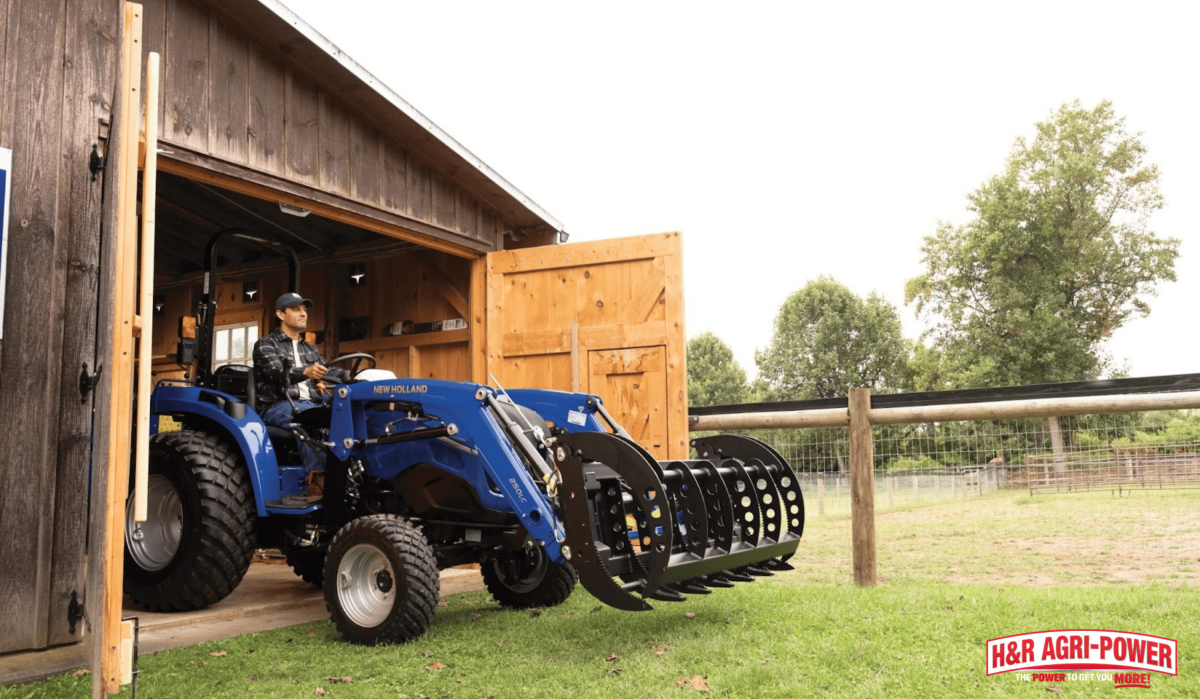
When we consider the long-term success of tractor ownership, proper maintenance stands as the difference between a machine that lasts five years versus one that serves faithfully for decades. For first-time New Holland tractor owners, establishing the right maintenance habits from day one determines whether your investment becomes a reliable workhorse or a costly burden.
Why First-Time Owners Need This Guide
As first-time tractor owners, you're joining a community where preventive maintenance delivers a proven 400% return on investment. We understand the initial overwhelm of managing complex machinery, but with the right habits, you'll join the ranks of owners whose tractors remain productive well beyond 10,000 hours. This guide addresses your specific concerns about protecting your investment while avoiding the common pitfalls that lead to premature equipment failure.
The Data Behind Proper Maintenance
According to the University of Wisconsin Extension (2023), annual maintenance and repair costs for tractors range from $0.75-$1.50 per hour of operation, representing 10-15% of total operational costs. More importantly, Progressive Farmer's 2022 reliability survey of 7,755 tractor evaluations found New Holland ranked as Most Durable in the midsize tractor category (100-235 hp), with an average of just 1.21-1.25 problems per unit—significantly better than the industry average.
Expert Perspective on Maintenance Impact
"The difference between great tractor maintenance and not is a tractor that lasts five years rather than 20 years," explains a certified technician from Evergreen Tractor. "There are 40-year-old Kubota tractors working like new thanks to great maintenance. With proper care, a well-maintained tractor can last decades."
Key Maintenance Points You'll Master
- Manual mastery: Understanding manufacturer-specific service intervals based on hours rather than miles, ensuring warranty compliance with proper documentation
- Daily inspections: Checking fluid levels, tire pressure, and safety systems before each use to catch problems early
- Fluid management: Following precise oil change intervals and using New Holland Ambra fluids for optimal protection
- Tire care: Maintaining proper inflation for load requirements and seasonal work, enhancing traction and fuel efficiency
- Storage practices: Protecting equipment with proper cleaning, anti-corrosion treatments, and climate-specific preparations
- Electrical maintenance: Addressing battery, lighting, and electrical issues—the top three problems across all tractor sizes
- Hydraulic care: Monitoring system pressure and fluid condition to prevent contamination-related failures
- Service scheduling: Following 50-hour inspections through 4,000-hour major services for comprehensive coverage
- Record keeping: Documenting all maintenance to demonstrate history, assist troubleshooting, and improve resale value
Your Path to Successful Ownership
We recognize that investing in a New Holland tractor represents a significant commitment to your operation. Through this comprehensive guide, we'll transform maintenance from an overwhelming obligation into a systematic process that protects your investment. By following these ten essential habits, you'll join thousands of satisfied New Holland owners who maximize equipment longevity while minimizing operating costs. Every dollar you invest in preventive maintenance saves an average of $5 in future repair costs, making proper care not just advisable but economically essential.
Immediate Action Steps
Start your maintenance journey today by locating your operator's manual and establishing a relationship with an authorized dealer like H&R Agri-Power, which operates over 20 locations with 100+ manufacturer-trained technicians. With Top Maintain Planned Maintenance Agreements, you can lock in current rates and ensure certified technicians perform all critical services using genuine New Holland parts.
Setting You Up for Success
As we explore each maintenance habit in detail, remember that consistency trumps perfection. These practices, developed from decades of industry experience and validated by independent surveys, will help you avoid the costly mistakes that plague uninformed owners. Your New Holland tractor has the proven capability to deliver years of reliable service—these maintenance habits ensure it reaches that potential.
Why Is Reading the New Holland Tractor Owner's Manual Important?
Reading the New Holland tractor owner's manual is important because it contains the manufacturer-recommended maintenance schedule specific to each tractor model. The manual specifies service intervals based on hours of operation rather than miles, ranging from 10 hours to 4,000 hours depending on service type. Each model requires different fluid standards and lubricant types, which the manual details precisely.
The operator's manual includes a scheduled maintenance log for documentation purposes. This log helps owners track completed services and upcoming maintenance needs. Following manual guidelines ensures warranty compliance with certified service requirements. Without proper adherence to these specifications, warranty claims may be denied.
The manual provides critical information about recommended standards for each fluid and lubricant type. Using incorrect fluids can damage hydraulic systems, transmissions, and engines. Proper fluid selection based on manual specifications prevents costly repairs and extends equipment life.
Understanding your specific model's requirements through the manual prevents maintenance errors. Different New Holland models have varying capacities, intervals, and specifications. The manual eliminates guesswork and ensures proper care tailored to your tractor's design. This knowledge foundation prepares owners to establish effective maintenance routines for their specific equipment.
How Should New Holland Tractor Owners Perform Daily Pre-Operation Inspections?
Daily pre-operation inspections are the foundation of tractor longevity and safe operation. These quick checks take only 10-15 minutes but prevent costly breakdowns during critical field operations.
Check Fluid Levels Before Each Use
Fluid levels require checking before each use to prevent engine damage and hydraulic system failures. Engine oil verification involves pulling the dipstick when the engine is cold and level. Coolant levels need inspection at the radiator cap and overflow tank. Hydraulic fluid checks happen through the sight glass or dipstick on the reservoir.
Inspect Tire Pressure When Cold
Tire pressure inspection must occur when tires are cold for accurate readings. Cold tires provide baseline pressure measurements unaffected by heat expansion. Proper inflation depends on implementing weight and field conditions. There are optimal pressures for different operations, such as 12 PSI for fieldwork, 15-18 PSI for loader work, and 20 PSI for road transport.
Examine Air and Fuel Filters
Air and fuel filters need visual inspection for dirt accumulation or blockage signs. Clogged air filters reduce engine power and fuel efficiency. Fuel filter contamination causes injector damage costing $1,200-2,400 in repairs. Filter inspection involves checking the restriction indicator on air filters and examining fuel filters for water separation.
Test Lights and Safety Features
Lights and safety features require testing before field or road operation. Working headlights, taillights, and turn signals ensure visibility and legal compliance. Safety features include the PTO shield, ROPS functionality, and seat belt condition. Many tractor accidents involve non-functioning safety equipment.
Inspect for Broken Parts and Loose Connections
Visual inspection identifies broken components and loose connections before catastrophic failure. Check areas include hydraulic hoses for cracks, belt tension and wear, and mounting bolts on implements.
Monitor Lubrication Points
Lubrication points need checking for proper grease levels and contamination. Critical points include loader pivot pins, three-point hitch bushings, and PTO shaft joints. Poor lubrication accounts for over 36% of premature bearing failures based on 2025 SKF bearing research.
Verify Filter Functionality
Filter functionality verification ensures all protective elements remain properly seated and sealed. Loose filter seals allow contaminants that cause 65-90% of hydraulic system failures, according to 2012 research. Check includes oil filter tightness, air filter housing seals, and fuel filter connections.
Check Battery and Electrical Systems
Battery terminals require inspection for corrosion buildup and secure connections. Corrosion increases resistance causing starting problems in tractors. Clean terminals with baking soda solution and apply dielectric grease for protection. Verify the battery holds 12.6 volts when resting and connections remain tight.
Completing these daily inspections creates a maintenance baseline that identifies problems before field failures occur. The next section explores best practices for maintaining proper engine oil and fluid levels throughout your tractor's service life.
What Are the Best Practices for Maintaining Tractor Engine Oil and Fluid Levels?
The best practices for maintaining tractor engine oil and fluid levels include using proper viscosity oil per the operator's manual and operating conditions, and replacing engine oil and hydraulic fluid based on hour intervals in the operator’s manual. New Holland tractors require specific maintenance intervals based on operating hours rather than mileage.
Engine oil maintenance forms the foundation of tractor longevity. Workmaster 50 models require 6.6 quarts of engine oil capacity. Select viscosity based on ambient temperature—thicker oils protect high-powered engines better under heavy loads. Change both oil and filter simultaneously during each service interval.
Hydraulic system maintenance requires equal attention. Replace hydraulic fluid and filter to prevent contamination. Transmission and hydraulic service occurs based on hour intervals in the operator’s manual.
Coolant system maintenance prevents overheating and freeze damage. New Holland tractors use 50/50 extended life coolant mixture. Service the coolant system based on hour intervals in the operator’s manual. Monitor coolant levels during pre-operation checks to catch leaks early.
Temperature affects fluid selection significantly. Cold weather demands lower viscosity oils for easier starting. Hot conditions require higher viscosity fluids to maintain protective film strength. There are many fluid grades available, such as 5W-30, 10W-40, and 15W-50, each suited to specific temperature ranges.
Proper fluid maintenance extends component life and prevents costly repairs. Quality fluids maintain stable viscosity across temperature extremes. Contaminated fluids cause 65-90% of hydraulic system failures. Regular fluid analysis detects problems before catastrophic failure occurs. These maintenance practices prepare your tractor for the filter replacement schedule that follows.
How Often Should You Check and Replace New Holland Tractor Filters?
Filter replacement frequency for New Holland tractors varies depending on the specific filter type and operating conditions. Air filter internal elements need changing every 1,200-1,500 hours. Engine oil filters demand the most frequent attention at intervals coinciding with oil changes.
Fuel system filtration follows a moderate schedule with pre-filter replacement every 600-1,500 hours. Main hydraulic filters share the same 600-1,500 hour interval as fuel pre-filters. Engine breather filters and cabin air filters both require replacement every 1,200-1,500 hours for optimal performance.
Environmental conditions significantly impact filter service intervals. Dusty field conditions accelerate air filter contamination, requiring cleaning or replacement before scheduled intervals. Cold weather operations may necessitate early fuel filter replacement to maintain proper fuel flow, particularly during temperature drops below 32°F.
New Holland specifies genuine OEM filters to ensure proper filtration efficiency and warranty compliance. Aftermarket filters may compromise engine protection and void warranty coverage. Genuine filters maintain precise micron ratings and flow characteristics engineered for each tractor model.
Regular filter inspection between scheduled replacements prevents unexpected failures. Visual checks during 50-hour service intervals identify premature contamination or damage. Monitoring filter conditions helps establish optimal replacement schedules based on actual operating conditions rather than hour meters alone. This proactive approach to filter maintenance directly impacts engine longevity and hydraulic system reliability.
What Steps Should You Take to Keep New Holland Tractor Tires in Good Condition?
Keeping New Holland tractor tires in good condition requires weekly pressure checks during 50-hour inspection intervals and cold-tire verification for accurate readings. Proper inflation depends on load and speed requirements, with heavy disk work typically requiring 32 PSI in rear tires. Fall and spring represent optimal times to determine proper tire inflation for seasonal work.
Check Tire Pressure Weekly During 50-Hour Inspection Intervals
Weekly tire pressure checks during 50-hour inspection intervals are essential for New Holland tractor maintenance. Cold tires provide the most accurate pressure readings, as heat from operation increases PSI by 1 pound for every 10° Fahrenheit change in temperature. Proper inflation pressure varies based on load and speed requirements, with heavy disk work often requiring 32 PSI in rear tires versus 12 PSI for lighter cultivation tasks.
Verify Tire Pressure When Tires Are Cold for Accurate Readings
Tire pressure verification when tires are cold ensures measurement accuracy within 2% of actual values. Temperature fluctuations during winter can cause pressure variations of 1 PSI per 10°F change. Fall and spring are optimal times to determine proper tire inflation for seasonal work patterns, establishing baseline pressures before heavy field operations begin.
Monitor Seasonal Temperature Effects on Tire Performance
Winter temperature fluctuations require increased tire pressure monitoring frequency to maintain optimal performance. Cold weather reduces tire pressure naturally, requiring adjustments to maintain manufacturer specifications. Regular inspections for weatherproofing degradation and sidewall cracks during winter maintenance prevent premature tire failure and ensure safe operation throughout harsh conditions.
Inspect Tread Depth and Tire Condition Regularly
Tread depth verification ensures safer operation and optimal traction in field conditions. Minimum tread depth of 20% remaining prevents soil compaction issues that damage field productivity. Visual inspections reveal weatherproofing deterioration, sidewall cracks, and uneven wear patterns indicating alignment or ballast problems requiring immediate attention.
Maintain Proper Inflation for Traction and Fuel Efficiency
Properly inflated tires enhance traction and fuel efficiency by maintaining optimal contact patch geometry. Under-inflated tires increase rolling resistance by 7-10%, reducing fuel economy and accelerating tread wear. Over-inflation reduces traction area, compromising field performance and operator safety during hillside operations.
Regular tire maintenance prevents soil compaction issues while extending tire service life beyond 5,000 operational hours. These inspection practices integrate seamlessly with other 50-hour maintenance tasks, creating comprehensive equipment care routines that maximize New Holland tractor performance and longevity.
How Can You Properly Clean and Store Your New Holland Tractor?
Proper cleaning and storage of your New Holland tractor involves protecting equipment under cover from weather elements while maintaining critical systems through regular cleaning and protective treatments. Store tractors in covered buildings or use weatherproof tarps to shield machinery from rain, snow, and UV exposure. Clean the radiator and hydraulic cooler every 50 hours in hot conditions above 85°F to maintain proper temperature control.
Apply anti-corrosion coatings to exposed metal surfaces and the undercarriage before storage periods exceeding 30 days. Use protective sprays containing zinc phosphate or rust inhibitors on the chassis, especially in humid climates where moisture levels exceed 60% annually. Drain existing engine oil and replace with winter-grade 5W-30 or 10W-30 oil for cold storage below 32°F.
Examine antifreeze levels before winter storage, ensuring a 50/50 coolant mixture protects to -34°F. Proper storage conditions under 70°F with humidity below 50% significantly impact structural integrity and prevent deterioration of rubber seals, hoses, and belts.
Clean control modules and electronic sensors using compressed air at 30 PSI, then protect with sealed enclosures or waterproof covers. Apply dielectric grease to all electrical connections, battery terminals, and sensor plugs to repel moisture that causes corrosion. Regular cleaning prevents contamination that causes 65-90% of hydraulic attachment issues, according to research showing particle contamination as the primary failure mode in hydraulic systems.
What Electrical System Checks Are Critical for First-Time Tractor Owners?
Electrical system checks are critical for first-time tractor owners because battery, lighting, and electrical issues represent the top three problems across all tractor sizes. First-time owners must establish regular testing routines for battery charge and connections, particularly after extended idle periods when batteries drain significantly.
Battery maintenance forms the foundation of electrical system health. Clean battery posts and cables monthly to remove material deposits that reduce charging efficiency. Excessive idle time drains batteries below optimal voltage levels, requiring immediate recharging to prevent permanent damage.
Charging system components require systematic inspection beyond basic battery care. The alternator functions as the critical component maintaining electrical system charge during operation. Test alternator output voltage annually using a multimeter to verify 13.5-14.5 volt readings at operating speed. Defective alternators cause cascading electrical failures throughout tractor systems.
Moisture infiltration causes widespread electrical damage in agricultural environments. Check all connectors for water intrusion that creates corrosion and resistance. Wiring harness damage occurs from rodent activity, vibration wear, and environmental exposure. Apply dielectric grease to electrical connections in humid conditions to repel moisture and prevent corrosion buildup.
Safety-critical electrical components demand frequent testing protocols. Test lights, indicators, and safety electronics before each operation to ensure proper function. Look for corroded terminals on switches, loose ground cables affecting circuit completion, and defective ignition switches preventing reliable starts.
Annual comprehensive electrical diagnostics prevent unexpected failures during critical operations. Verify voltage output across all circuits and scan error codes using diagnostic tools to identify developing problems. These proactive electrical system checks help first-time owners avoid costly downtime and ensure safe, reliable tractor operation throughout ownership.
How Do You Inspect and Maintain PTO, Hydraulics, and Attachments on New Holland Tractors?
Inspecting and maintaining PTO, hydraulics, and attachments on New Holland tractors requires systematic checks of fluid condition, pressure levels, and component wear. Front PTO gear oil needs draining to prevent gear damage. Hydraulic system problems manifest as slow loader movement or hitch lifting issues.
Check hydraulic oil for milky appearance indicating water contamination or dark color showing oxidation. A 2019 study by the Equipment Manufacturers Association found that 65-90% of hydraulic failures resulted from contaminated fluid. Measure hydraulic system pressure monthly and monitor oil temperature during operation to detect developing problems early.
Replace the hydraulic return filter when blocked to prevent catastrophic system damage. Inspect the hydraulic suction filter quarterly and listen for unusual pump noise that signals cavitation or wear. Use dedicated hoses, funnels, and containers exclusively for hydraulic work to prevent cross-contamination between different fluid types.
Test hydraulic fluid before and after maintenance using particle counters or laboratory analysis. Quality hydraulic fluid maintains stable viscosity across temperature extremes from -20°F to 180°F. According to hydraulics distributor AHS Hydraulics, proper hydraulic maintenance extends component life by 15-20 years on average.
Regular PTO and attachment maintenance prevents costly downtime during critical field operations. Schedule inspections based on operating hours rather than calendar time for accurate service intervals. These maintenance practices ensure reliable performance of implements ranging from loaders to mowers throughout the tractor's operational life.
What Preventative Maintenance Schedules Should First-Time Owners Follow?
Preventative maintenance schedules for first-time New Holland tractor owners follow specific hour-based intervals. These intervals are found in each tractor’s operator’s manual. Dealer service every 1,000 hours ensures critical system inspection by certified technicians.
Tractors with over 600 hours annual usage require the manufacturer's Comprehensive PMA (Planned Maintenance Agreement). Units operating under 600 hours annually follow the Annual Powertrain PMA schedule. Prompt completion of scheduled maintenance maintains warranty coverage with New Holland and H&R Agri-Power.
First-time owners benefit from establishing these maintenance routines immediately after purchase. Regular adherence to these schedules prevents costly breakdowns and extends equipment life significantly. These structured intervals ensure optimal performance throughout the tractor's operational lifespan while maintaining manufacturer warranty requirements.
How Can Proper Record-Keeping Improve Long-Term New Holland Tractor Performance?
Proper record-keeping improves long-term New Holland tractor performance by enabling data-driven maintenance decisions, proving warranty compliance, and increasing resale value. The operator's manual includes a scheduled maintenance log specifically designed for tracking all service activities based on hours of operation rather than miles.
Maintenance Documentation Benefits
Digital tracking and CMMS tools can reduce documentation errors. A 2019 study by the Equipment Maintenance Council found that farmers who maintain detailed records cut repair costs by 25% through better maintenance control. Records help identify recurring problems and maintenance patterns, such as hydraulic issues appearing every 300 hours or filter degradation in dusty conditions.
Documentation proves warranty compliance with manufacturer requirements. New Holland requires proof of scheduled maintenance for warranty claims, including fluid changes at specified intervals and use of genuine parts. Accurate repair records assist with troubleshooting future operational issues by revealing component failure patterns and service histories.
Essential Record Categories
Keep comprehensive records of all fluid changes, filter replacements, and repairs performed. Document these critical items:
- Engine oil changes with date, hours, and oil specification used
- Hydraulic fluid services including contamination test results
- Filter replacements noting genuine part numbers
- Tire pressure adjustments and seasonal changes
- Battery maintenance and electrical system repairs
- PTO and attachment service intervals
Digital vs. Paper Documentation Systems
Modern farmers benefit from digital record systems that sync with equipment hour meters. Paper logs remain valid but require manual entry discipline. Either system must capture service date, hour meter reading, work performed, parts used, and technician name.
Proper documentation is required for Top Maintain Planned Maintenance Agreements through H&R Agri-Power. These agreements rely on accurate service histories to schedule preventive maintenance at optimal intervals.
Impact on Equipment Value
Maintenance records demonstrate history for improved resale value. According to Mordor Intelligence’s report on trends and forecasts in the used tractor market, tractors without complete maintenance documentation sell for 20-30% less than units with records. Buyers specifically seek proof of oil changes and hydraulic services.
Well-documented maintenance history transforms your New Holland tractor from unknown risk to proven investment, supported by H&R Agri-Power's comprehensive service programs across their 6 New Holland locations.
How Can H&R Agri-Power Support First-Time New Holland Tractor Owners with Maintenance?
H&R Agri-Power provides comprehensive maintenance support for first-time New Holland tractor owners through manufacturer-trained technicians across 6 New Holland locations. The company operates a fleet of service trucks available 24/7 for on-farm emergency services. Their preventative maintenance programs extend equipment life while following manufacturer-recommended intervals. CNH Industrial Capital Productivity Plus financing makes parts and service accessible. The following resources help owners maintain their equipment effectively.
What Maintenance Services and Resources Does H&R Agri-Power Provide for New Holland Tractor Owners?
The maintenance services and resources from H&R Agri-Power include routine maintenance programs, complete rebuild services, and comprehensive inspection services for all New Holland equipment. Their Top Maintain Planned Maintenance Agreements lock in rates to avoid inflation. The Comprehensive PMA covers all major maintenance components per owner's manual specifications. For tractors with under 600 hours annual usage, the Annual Powertrain PMA provides powertrain maintenance with inspections and fluid sampling.
Service locations span Tennessee, Kentucky, Alabama, and Mississippi. Online parts ordering and service scheduling streamline the maintenance process. Mobile service units equipped with tools and parts deliver emergency response capabilities directly to farms. Each service truck carries diagnostic equipment and genuine New Holland parts for immediate repairs.
|
Service Resource Area |
Support Attribute |
Specific Value |
|
Service Technicians |
Training Level |
Manufacturer-certified |
|
Service Coverage |
Availability |
24/7 emergency response |
|
Service Locations |
Geographic Spread |
4 states, 6 locations |
|
Financing Options |
Provider |
CNH Industrial Capital |
|
PMA Programs |
Coverage Types |
Comprehensive and Powertrain |
These maintenance resources ensure first-time owners receive professional support throughout their tractor's operational life.
What Are the Main Takeaways About Maintenance Habits for First-Time New Holland Tractor Owners?
The main takeaways about maintenance habits center on preventive maintenance delivering a 400% return on investment. Every dollar spent on preventive maintenance saves an average of $5 in future repair costs. Most tractors last around 4,000 hours, while high-end models reach 10,000 hours with proper care. New Holland ranks as Most Durable in the midsize tractor category (100-235 hp) with 1.21-1.25 problems per unit in reliability surveys.
The difference between great and poor maintenance spans 5 years versus 20 years of tractor life. Using genuine New Holland parts and fluids maintains warranty coverage. Establishing a relationship with an authorized dealer before purchase ensures long-term support. Developing a detailed maintenance plan at purchase following manufacturer specifications prevents most problems through routine maintenance rather than age-related failure. H&R Agri-Power's comprehensive support network helps first-time owners implement these critical maintenance habits from day one.