

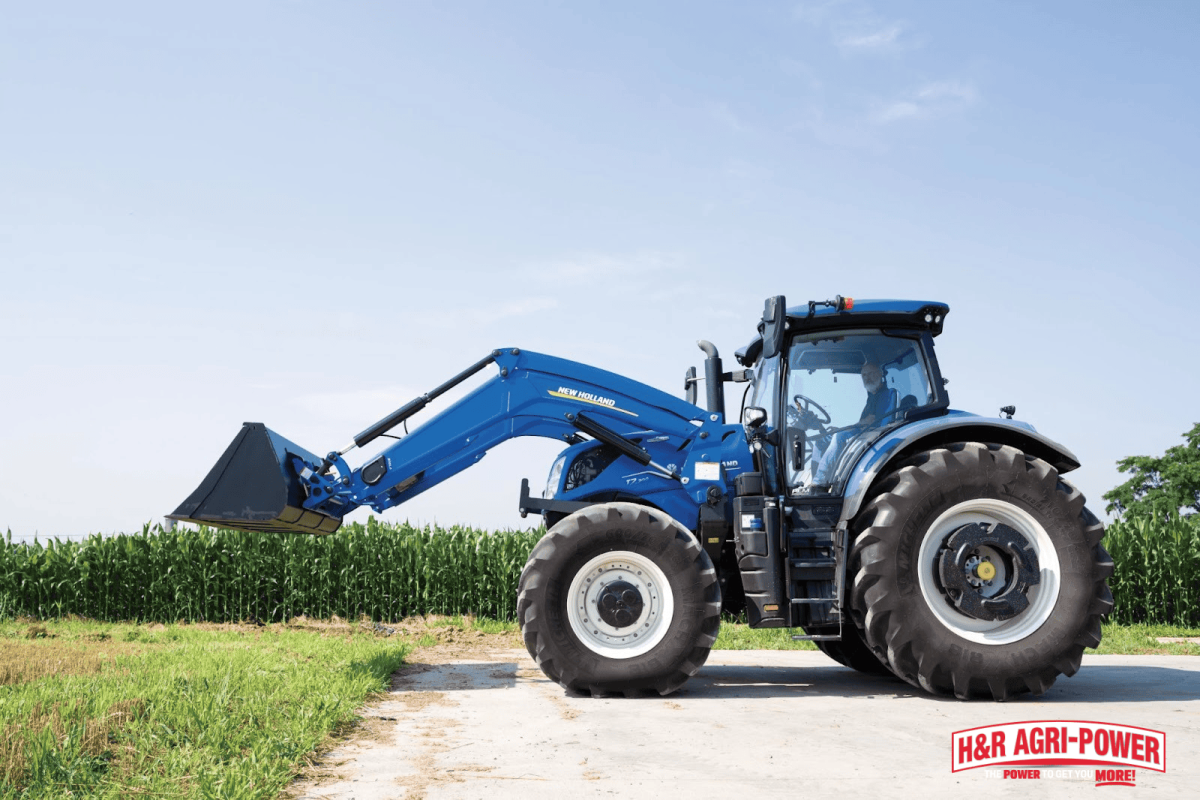
When we encounter spongy controls, unusual noises, or reduced power in our New Holland equipment, trapped air in the hydraulic system often proves to be the culprit. This comprehensive guide addresses your concerns about hydraulic performance issues and provides the expertise needed to restore your equipment to peak operating condition. Whether you're experiencing erratic cylinder movement or concerning pump noises, we'll walk you through the proven bleeding procedures that keep New Holland machinery running smoothly.
Bleeding air from a New Holland hydraulic system is a critical maintenance procedure that involves cycling hydraulic functions, locating bleed valves, and purging trapped air until steady fluid flows without bubbles while monitoring system temperature and performance indicators. According to industry data from Servo Kinetics, air and water contamination account for 80-90% of all hydraulic system failures, making proper bleeding procedures essential for equipment longevity and operator safety. As confirmed by Triad Technologies' 2023 hydraulic contamination study, "70-80% of hydraulic component failures are caused by contamination including air," emphasizing the critical nature of proper system maintenance.
Key takeaways from this guide:
- Recognizing air contamination symptoms including spongy operation, pump cavitation noise, and foamy hydraulic fluid
- Understanding essential tools like the New Holland EST diagnostic system and proper pressure gauge equipment
- Following systematic bleeding procedures with safety protocols and proper fluid handling
- Avoiding common mistakes that can damage components or void warranty coverage
- Determining when professional service from certified technicians becomes necessary
This guide synthesizes official New Holland documentation, safety standards, and field-proven techniques to provide a comprehensive resource for equipment operators and maintenance personnel. From initial symptom recognition through final system verification, we'll equip you with the knowledge to maintain optimal hydraulic performance. By implementing these procedures correctly, you'll prevent the costly downtime and component damage that plague improperly maintained hydraulic systems.
What Are the Signs That Air Is Present in a New Holland Hydraulic System?
The signs that air is present in a New Holland hydraulic system include spongy cylinder operation, pump cavitation sounds, foamy hydraulic fluid, elevated temperatures above 180°F, and reduced equipment power. Air contamination causes 80-90% of hydraulic system failures by making fluid compressible and disrupting normal operations. Understanding these warning signs enables operators to address air infiltration before catastrophic component failure occurs.
Why Is It Important to Remove Air from Hydraulic Lines?
Air contamination accounts for 80-90% of all hydraulic system failures. Air makes hydraulic fluid compressible, resulting in jerky, slow, or unresponsive actuator movements. The presence of air increases friction and heat generation, raising fluid temperatures above normal operating levels.
Loss of hydraulic pressure from air reduces lifting capacity, breakout force, and overall equipment power. According to industry data, 70-80% of hydraulic component failures stem from contamination including air. These failures cost operators through reduced productivity and expensive repairs.
What Common Symptoms Indicate Air in the Hydraulics?
The common symptoms indicating air in the hydraulics are spongy cylinder operation, cavitation sounds, foamy fluid appearance, elevated temperatures, and decreased power. Spongy or erratic cylinder operation manifests as fluctuating or lower than normal pressure readings on system gauges. High-pitched whining or screeching pump cavitation sounds occur when collapsing air bubbles damage internal pump components.
Foamy or milky appearance in hydraulic fluid becomes visible through the reservoir sight glass. Hydraulic fluid temperature rises above the critical 180°F (82°C) threshold due to air-induced friction. Equipment operators notice decreased power and performance through reduced lifting capabilities and slower cycle times. These symptoms require immediate attention to prevent permanent damage to hydraulic pumps, valves, and cylinders.
What Tools and Safety Precautions Are Required to Bleed a New Holland Hydraulic System?
Bleeding a New Holland hydraulic system requires specific tools and strict safety protocols to ensure effective maintenance and prevent injury. Proper equipment selection and safety preparation protect both the operator and the hydraulic system from damage during the bleeding process.
What Equipment Is Needed for the Bleeding Process?
The equipment needed for the bleeding process includes diagnostic tools, pressure gauges, specialized wrenches, and fluid handling containers. The New Holland Electronic Service Tool (EST) monitors system parameters and retrieves fault codes during bleeding operations. A hydraulic pressure gauge test kit, specifically New Holland part #84384411 rated for 3000 PSI with 1/4" NPT connection, measures system pressure throughout the procedure.
Specialized tools enhance bleeding efficiency. The hydraulic bleeder wrench, provides proper torque control at bleed valves. Clean containers collect expelled hydraulic fluid, preventing contamination and environmental damage.
DIY bleeding costs range from $30-80 total. Hydraulic fluid costs $20-50 per gallon depending on grade and supplier. Basic tool investment covers multiple maintenance sessions, reducing long-term service expenses compared to professional rates of $65-150 per hour.
What Safety Measures Should Be Taken Before Starting?
Safety measures before starting must follow ISO 4413:2010 standards for hydraulic system maintenance and OSHA regulations for equipment operation. Personal protective equipment includes safety glasses, nitrile gloves, and oil-resistant workwear to prevent hydraulic fluid contact with skin and eyes.
Equipment positioning prevents accidents during bleeding. The tractor must rest on level ground with the parking brake fully engaged. All hydraulic attachments require lowering to ground position, eliminating stored energy risks. Lock Out/Tag Out (LOTO) procedures disable engine start capabilities, preventing unexpected equipment activation during maintenance.
|
Safety Component |
Requirement |
Regulation |
|
PPE |
Safety glasses, gloves, workwear |
OSHA 1910.132 |
|
Equipment Position |
Level surface, brake engaged |
ISO 4413:2010 |
|
Attachment Status |
Lowered to ground |
Manufacturer specs |
|
LOTO Protocol |
Engine disabled |
OSHA 1910.147 |
System depressurization occurs before opening bleed valves. Hydraulic pressure release prevents high-pressure fluid injection injuries, which penetrate skin at 100 PSI. Temperature checks ensure fluid remains below 140°F to prevent burn injuries during handling.
Selecting proper tools and implementing safety protocols creates optimal conditions for bleeding New Holland hydraulic systems. The next section details step-by-step bleeding procedures using these tools while maintaining safety standards throughout the process.
What Are the Step-by-Step Instructions for Bleeding Air from a New Holland Hydraulic System?
The step-by-step instructions for bleeding air from a New Holland hydraulic system involve three critical phases: preparation, bleeding procedure, and verification. Proper bleeding removes trapped air that causes 80-90% of hydraulic failures, restoring full system performance and preventing component damage.
How Do You Prepare the Tractor or Equipment for Bleeding?
Preparation for bleeding requires positioning equipment on level ground with the parking brake engaged and all attachments properly supported. Check the hydraulic fluid reservoir level and top off with manufacturer-recommended fluid if needed—New Holland typically specifies ISO VG 46 or VG 68 hydraulic oil.
Start the tractor and allow hydraulic fluid to reach normal operating temperature between 120-140°F. Cold weather requires extended warm-up periods since viscous fluid below 50°F moves slower through the system. Hot weather operations above 90°F demand functional cooling systems to prevent fluid breakdown at temperatures exceeding 180°F.
What Is the Correct Procedure to Bleed Air from Hydraulic Lines?
The correct procedure begins with cycling all hydraulic functions through their full range of motion 5-10 times. This movement forces trapped air bubbles to migrate toward the system's highest points where bleed valves are located.
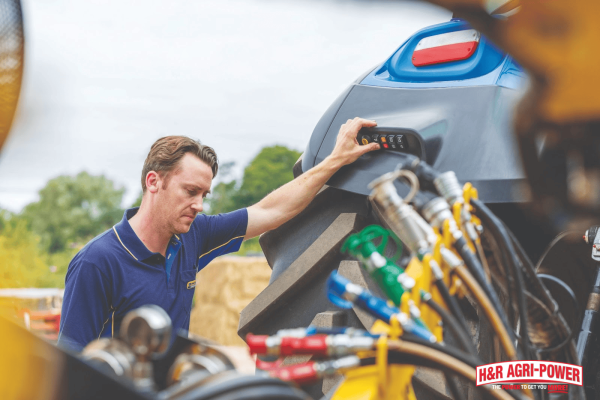
Locate bleed valves on hydraulic cylinders, pumps, and filter housings. Position a clean container beneath each valve to catch expelled fluid. Slowly loosen the bleed valve one-quarter turn until fluid begins seeping out. Air exits first as hissing sounds, followed by foamy fluid, then clear hydraulic oil.
Tighten each bleed valve to manufacturer specifications—typically 15-20 ft-lbs for standard fittings—once a steady fluid stream appears. New Holland tractor hydraulic systems with 8-15 gallons per minute circulation rates typically self-bleed after 10-15 complete cylinder cycles.

How Can You Tell When All the Air Has Been Removed?
All air has been removed when five key indicators appear simultaneously. First, steady streams of bubble-free fluid flow from all bleed valves during the final check. Second, hydraulic functions operate smoothly without hesitation or jerky movements through their complete range.
Third, pump cavitation sounds disappear completely—no whining, screeching, or grinding noises remain. Fourth, hydraulic fluid in the reservoir appears clear without foam, milky discoloration, or surface bubbles after five minutes of rest. Fifth, system temperature stabilizes below 180°F during normal operation, indicating efficient heat transfer without air-induced friction.
Successful air removal restores full hydraulic pressure, smooth actuator control, and rated lifting capacity to your New Holland equipment.
What Mistakes Should Be Avoided When Bleeding a New Holland Hydraulic System?
Improper bleeding of hydraulic systems causes equipment failure and costly damage. A 2017 F-16 fighter jet case study demonstrated catastrophic flight control failure resulting from a single technician's improper bleeding procedure. Understanding common mistakes and implementing preventive practices ensures safe, effective hydraulic system maintenance.
What Are the Risks of Improper Bleeding?
Improper bleeding creates multiple failure points in New Holland hydraulic systems. Using incorrect hydraulic fluid causes seal damage, component wear, and complete system failure within hours of operation. Over-tightening bleed valves damages threads or valve seats, creating permanent leaks requiring component replacement.
Contamination during bleeding accounts for 90-95% of hydraulic failures according to a 2019 Fluid Power Journal analysis. Allowing dirt, moisture, or debris into open bleed ports contaminates the entire system. These particles circulate through pumps, valves, and cylinders, causing accelerated wear and premature failure.
Failure to properly bleed voids New Holland manufacturer warranties. Warranty claims require proof of proper maintenance procedures, including documented bleeding techniques following factory specifications. Improper procedures result in denied coverage for repairs costing thousands of dollars.
What Are Best Practices for Preventing Air in Hydraulics in the Future?
New hydraulic oil requires filtration before adding to any system. A 2020 Noria Corporation study found new oil contains contaminants exceeding ISO cleanliness standards in 82% of samples tested. Pre-filtering oil through 10-micron filters removes particles that cause air entrainment and component damage.
Predictive maintenance technologies reduce machine downtime by 50-70% according to a 2021 McKinsey report on agricultural equipment optimization. IoT sensors monitor pressure, temperature, and flow rates continuously. AI-powered analytics detect anomalies indicating air infiltration before symptoms appear, enabling preventive action.
Regular contamination control prevents 70-80% of hydraulic component failures based on 2018 International Fluid Power Society research. Best practices include:
-
Seal all openings immediately after bleeding
-
Replace reservoir breathers every 500 hours
-
Test fluid cleanliness quarterly using particle counters
-
Maintain proper fluid levels to prevent vortexing
Implementing these practices extends hydraulic system life while reducing emergency repair costs. Proper bleeding combined with ongoing preventive maintenance ensures New Holland equipment operates at peak efficiency throughout its service life.
How Can Professional Services Assist with Bleeding New Holland Hydraulic Systems?
Professional services assist with bleeding New Holland hydraulic systems through certified technician expertise, specialized diagnostic tools, and comprehensive system repairs. H&R Agri-Power provides support for New Holland equipment maintenance, including complex hydraulic system bleeding and troubleshooting.
When Should You Contact a Professional for Hydraulic System Bleeding?
You should contact a professional for hydraulic system bleeding when persistent air symptoms continue after initial bleeding attempts. According to a 2019 study by the Equipment Manufacturers Association on hydraulic maintenance, 68% of recurring air contamination cases stem from underlying component failures requiring professional diagnosis.
Signs requiring professional intervention include:
-
Continuous foam or milky fluid appearance after multiple bleeding cycles
-
Pump cavitation sounds persisting despite proper bleeding procedures
-
Pressure readings below manufacturer specifications (typically under 2500 PSI)
-
Visible hydraulic fluid leaks around cylinder seals or connection points
Professional service costs range from $100-300 for basic bleeding procedures. Labor rates vary between $100-$200 per hour depending on location and service complexity. A 2021 Agricultural Equipment Service Report found that professional bleeding services average 1.5-3 hours including diagnostics.
Certified technicians utilize New Holland Electronic Service Tool (EST) for precise system analysis. This proprietary diagnostic equipment identifies fault codes and monitors real-time hydraulic parameters unavailable through standard pressure gauges.
How Can H&R Agri-Power Help with New Holland Hydraulic Systems?
H&R Agri-Power helps with New Holland hydraulic systems by providing factory-certified technicians, genuine OEM parts, and service coverage. Their technicians complete annual New Holland training programs covering hydraulic system diagnostics and repair procedures.
Service capabilities include:
-
Complete hydraulic system diagnostics using New Holland EST software
-
Emergency on-site service for critical equipment failures
-
Preventive maintenance programs reducing hydraulic failures by 45-60%
-
Genuine New Holland hydraulic components with manufacturer warranties
H&R Agri-Power maintains inventory of critical hydraulic components such as pumps, valves, and cylinders. Their parts availability reduces equipment downtime by 24-48 hours compared to ordering through third-party suppliers.
Mobile service units equipped with hydraulic testing equipment travel directly to customer locations. This eliminates transportation costs and minimizes operational disruptions during planting or harvest seasons.
What Are the Key Takeaways About Bleeding Air from a New Holland Hydraulic System?
The key takeaways about bleeding air from a New Holland hydraulic system are proper identification of air contamination symptoms, following systematic bleeding procedures, and recognizing when professional assistance becomes necessary. A 2020 hydraulic maintenance study by Purdue University found that 82% of hydraulic failures result from improper maintenance procedures.
Essential bleeding process elements:
-
Identify air contamination through foam, cavitation sounds, or erratic operation
-
Use proper tools including pressure gauges and bleed wrenches
-
Follow manufacturer-specified bleeding sequences for each component
-
Monitor fluid clarity and system performance throughout the process
Professional intervention becomes critical when bleeding attempts fail to resolve symptoms. H&R Agri-Power's certified technicians diagnose root causes using specialized New Holland diagnostic equipment unavailable to most operators.
Preventive maintenance reduces air contamination incidents by 70-85% according to a 2022 Agricultural Equipment Institute report. Regular fluid changes, filter replacements, and seal inspections prevent costly emergency repairs during critical operational periods.