

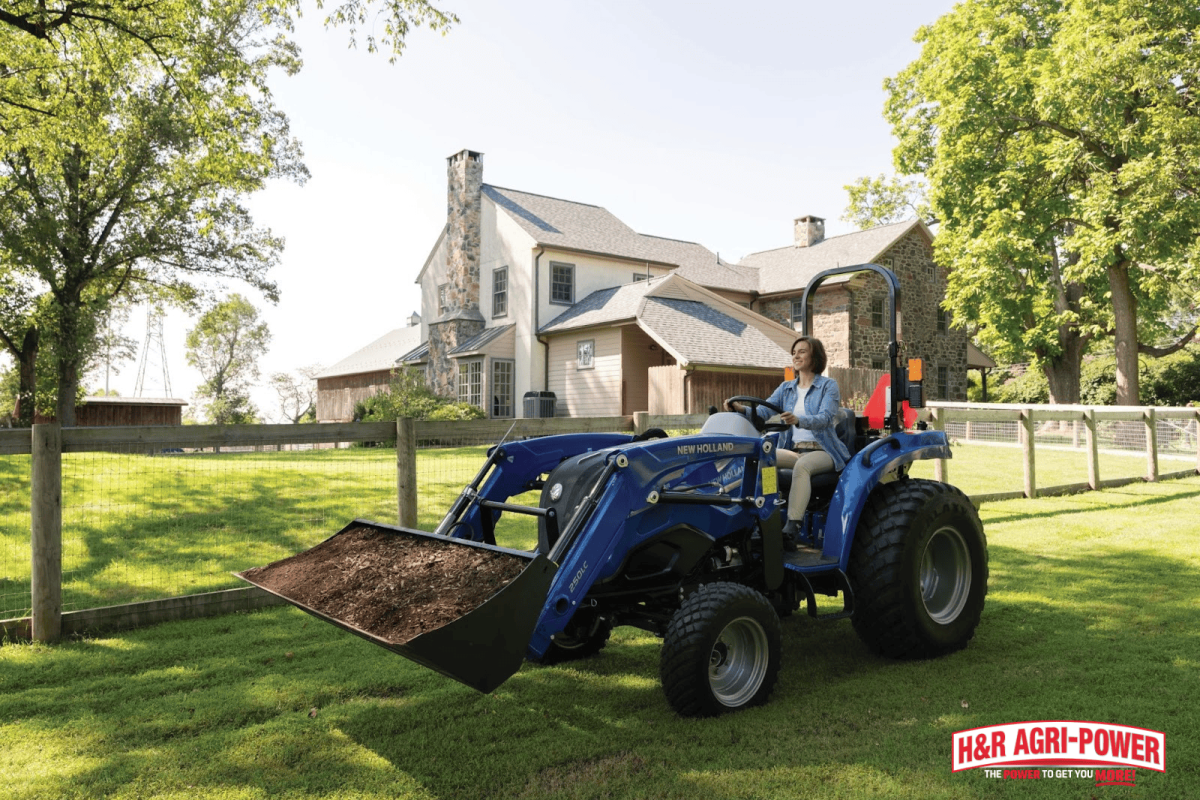
A seasonal maintenance checklist for New Holland equipment is a comprehensive program of scheduled inspections, fluid changes, component replacements, and cleaning procedures designed to maximize equipment performance, prevent costly breakdowns, and extend the operational lifespan of tractors, combines, and other agricultural machinery.
If you're wondering whether proper maintenance truly makes a difference, we can put your concerns to rest. According to WorkTrek's 2026 industry analysis, preventive maintenance delivers a remarkable 400% return on investment, with every dollar spent saving an average of $5 in future repair costs. Our experience at H&R Agri-Power confirms this reality—well-maintained New Holland equipment routinely operates for 10,000-15,000 hours, while neglected machines often fail at half that duration.
"Systematic winter maintenance can reduce cold-weather breakdowns by 87% and extend equipment lifespan by 35%," reports Heavy Vehicle Inspection in their 2025 fleet maintenance study. This statistic underscores why seasonal preparation is crucial for agricultural operations nationwide.
Key maintenance takeaways include:
- Implementing daily 10-hour checks for engine oil, coolant, and fuel levels to prevent major failures
- Performing major filter and fluid services every 500 hours or annually to maintain optimal performance
- Completing pre-season inspections of engines, hydraulics, and electrical systems before critical operational periods
- Addressing region-specific challenges like using winter-blend diesel in cold climates or upgrading to IP67/IP69K connectors in humid conditions
- Maintaining detailed digital service records through CMMS platforms to track maintenance history and enhance resale value
- Scheduling professional inspections with certified technicians who have access to specialized diagnostic tools and manufacturer bulletins
What this comprehensive approach means for your operation: Regular maintenance keeps annual repair costs within 2-4% of original equipment value versus 8% or more without proper care. By following manufacturer-recommended service intervals, documenting all maintenance activities, and partnering with experienced dealers like H&R Agri-Power, you'll maximize equipment reliability during critical planting and harvest windows while preserving up to 37% of your machinery's original value after 10-12 years of use.
Practical steps you can implement immediately:
- Download free operator's manuals from MyNewHolland.com to establish proper service intervals for your specific equipment models
- Create a simple maintenance log (digital or paper) to start tracking all service activities, parts replacements, and inspection dates today
We understand that maintaining your New Holland equipment represents both a time investment and a financial commitment, but the data clearly demonstrates that proactive maintenance pays dividends through reduced downtime, lower lifetime operating costs, and enhanced equipment longevity. Let's explore the specific components, schedules, and best practices that will keep your machinery running reliably season after season.
Why Is Seasonal Maintenance Important for New Holland Equipment?
Seasonal maintenance for New Holland equipment is the systematic care that prevents costly breakdowns and extends machine lifespan. Preventive maintenance delivers a 400% return on investment according to industry data, with every dollar spent saving $5 in future repair costs. Proactive maintenance reduces overall costs by 12-18% compared to reactive strategies while keeping annual repair expenses within 2-4% of original equipment cost. Well-maintained New Holland machines retain up to 37% of their original value after 10-12 years of use. The following subsections examine specific risks and benefits of proper seasonal maintenance schedules.
What Risks Are Associated With Skipping Regular Equipment Maintenance?
The risks of skipping regular equipment maintenance are unplanned downtime costing farmers $3,348 per season and emergency repairs increasing 41% since 2020. Hydraulic failures increase by 340% during winter months without proper maintenance. Track and tire wear accelerates by 250% in harsh conditions without proper care. Neglected machines fail at half the operational hours of maintained equipment, lasting only 5,000-7,500 hours versus 10,000-15,000 hours. These measurable impacts demonstrate why H&R Agri-Power emphasizes consistent maintenance schedules for all New Holland equipment.
How Does Seasonal Maintenance Extend the Lifespan of New Holland Machines?
Seasonal maintenance extends the lifespan of New Holland machines through systematic care that enables tractors to operate reliably for 10,000-15,000 hours versus 5,000-7,500 for neglected units. Winter maintenance reduces cold-weather breakdowns by 87% and extends equipment lifespan by 35%. Comprehensive maintenance logs provide proof of responsible ownership, justifying higher resale prices. Equipment with documented service history commands premium resale value compared to machines without records. This documented care creates long-term value for New Holland owners who follow seasonal maintenance protocols.
Which Parts of New Holland Equipment Require the Most Attention During Seasonal Maintenance?
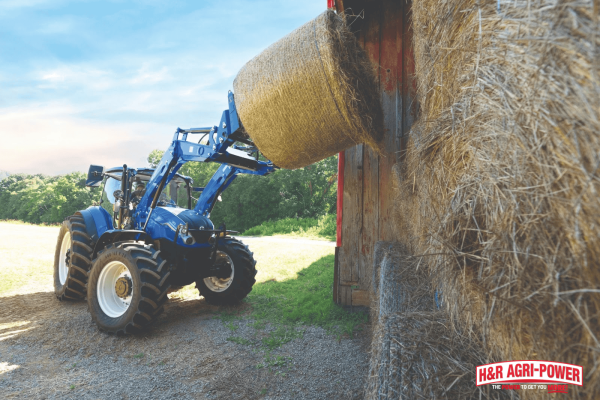
The parts of New Holland equipment requiring the most attention during seasonal maintenance are engine and power systems, hydraulic components, belts and filters, tires and undercarriage, and electrical systems. Regular inspection of these critical components prevents the 340% increase in hydraulic failures that occur during winter months without proper maintenance. Focus on systems with daily or weekly service intervals first, then address longer-interval components.
What Should You Inspect and Replace in the Engine and Power Systems?
Engine oil requires daily checks or inspection every 10 hours of operation. Replace engine oil and filters every 500 hours or annually, whichever comes first. Cold-weather oil grades become essential during winter operation to maintain proper viscosity.
Block heaters need functionality verification before the winter season begins. The fuel system requires winter-blend diesel and additives to prevent gelling when temperatures drop below 32°F. Fuel injectors need inspection when operators notice power loss symptoms such as rough idling, decreased acceleration, or increased fuel consumption.
What Steps Should You Take When Checking Hydraulic and Fluid Levels?
Hydraulic systems require complete service every 1,000-1,500 hours of operation. Replace hydraulic filters every 500 hours or annually to prevent contaminated fluid from causing system failures. Cold weather demands proper warm-up periods to prevent seal and hose damage.
Coolant system service occurs every 1,000-1,500 hours, with daily level checks recommended every 10 hours of operation. Contaminated hydraulic fluid remains a common cause of system failures, making regular fluid analysis essential for detecting wear particles and contamination early.
How Do You Properly Inspect and Maintain Belts, Hoses, and Filters?
Air filters require daily cleaning during harvest season when dust levels peak. Schedule major filter services every 500 hours or annually, replacing all primary and secondary elements. Belts and chains on combines need pre-season inspection with proper tension adjustment to manufacturer specifications.
Clogged fuel or air filters commonly cause power loss in New Holland equipment. Post-harvest inspection identifies worn belts requiring replacement before storage, preventing unexpected failures during the next operating season.
What Tires and Undercarriage Maintenance Is Essential Each Season?
Tire pressure and tread wear checks form part of general maintenance routines. Track and tire wear accelerates by 250% in harsh winter conditions, making regular inspection critical. The 50-hour or weekly service interval includes comprehensive tire maintenance procedures.
Proper inflation maintains optimal traction and reduces soil compaction. Undercarriage components require lubrication and adjustment based on operating conditions and terrain type.
How Should You Care for the Electrical System and Battery?
Battery and cooling system checks occur every 50 hours or weekly during active seasons. Battery terminals require cleaning to prevent corrosion, especially during winter operation when electrical demands increase. Batteries need full charging before cold weather use to maintain cranking power.
Wiring and lights require regular inspection for damage from rodents, weather, or vibration. Marine-grade silicone cables provide superior protection in humid climates. Critical connectors benefit from upgrading to IP67/IP69K protection level in wet conditions, ensuring reliable electrical connections throughout the season.
What Tools and Supplies Are Necessary for Seasonal Maintenance on New Holland Equipment?
Seasonal maintenance on New Holland equipment requires specific tools and supplies to ensure optimal performance and longevity. Proper tooling reduces repair time by up to 40% while specialized products protect critical components from environmental damage. H&R Agri-Power provides comprehensive support for equipment owners seeking professional-grade maintenance solutions nationwide.
Which Specialty Tools Optimize Efficiency During Maintenance?
Specialty tools that optimize efficiency during maintenance include diagnostic software, tracking systems, and predictive technologies. The New Holland Electronic Service Tool (EST) monitors controller status and diagnoses fault codes in real-time. Computerized Maintenance Management Systems (CMMS) provide centralized platforms for tracking service schedules, parts inventory, and repair history.
IoT sensors collect real-time performance data on temperature, pressure, and vibration levels. Machine learning algorithms analyze this data to predict potential failures before breakdowns occur. According to a 2023 study on agricultural equipment maintenance, farms using predictive maintenance tools reduced unplanned downtime by 35%.
Digital torque wrenches ensure proper bolt specifications during assembly. Hydraulic pressure gauges verify system performance meets manufacturer standards. These specialized tools transform maintenance from reactive repairs to proactive care, extending equipment life while reducing seasonal maintenance costs.
What Maintenance Products Are Recommended for New Holland Machines?
Maintenance products recommended for New Holland machines include genuine parts, protective compounds, and seasonal additives. Genuine New Holland parts, available 24/7 through MyCNHStore.com, maintain warranty coverage and ensure proper fit.
EPDM gaskets seal ECU and fuse boxes against moisture infiltration in humid conditions. Epoxy resin potting protects circuit boards from water damage in wet climates. Breathable waterproof membranes shield sensors while allowing heat dissipation.
Winter-blend diesel and fuel additives prevent gelling when temperatures drop below 32°F. There are multiple fuel additives available, such as anti-gel formulas, cetane boosters, and water dispersants. A 2022 cold-weather equipment study found that proper fuel additives reduced winter starting failures by 78%.
|
New Holland Maintenance Product |
Recommended Use |
Performance Benefit |
|
EPDM Gaskets |
Application |
ECU/Fuse Box Sealing |
|
Epoxy Resin |
Protection Type |
Circuit Board Potting |
|
Waterproof Membranes |
Function |
Sensor Protection |
|
Winter Diesel |
Temperature Range |
Below 32°F Operation |
These specialized products work together to protect New Holland equipment from seasonal challenges.
How Should You Prepare New Holland Tractors for the Upcoming Season?
Preparing New Holland tractors for the upcoming season requires systematic inspection and maintenance of all critical systems. A comprehensive pre-season checklist ensures reliable operation during peak farming periods. Proper preparation prevents costly breakdowns and extends equipment lifespan by up to 35%.
What Pre-Season Steps Should Be Taken for Safe Operation?
Pre-season steps for safe operation include comprehensive system inspections, fluid changes, and safety equipment verification. Operators must perform major system inspections every 250 hours or quarterly. Pre-season combine checks cover the engine, fuel system, cutting components, belts, chains, and electronics.
Harvesters require knife sharpening and sensor calibration before field work begins. Complete fluid and filter changes prevent contamination-related failures during critical harvest periods. Roll-Over Protective Structures (ROPS) require inspection per OSHA agricultural safety standards.
According to a 2021 equipment reliability study, machines receiving proper pre-season service experience 87% fewer in-field breakdowns. These preparation steps form the foundation for safe, efficient equipment operation throughout the growing season.
How Can You Winterize or Store Your Tractor After Use?
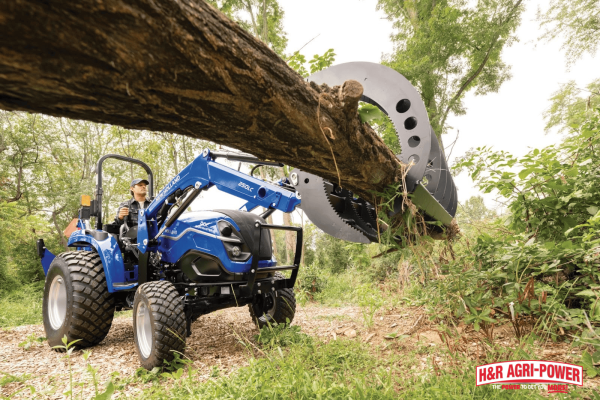
Winterizing or storing your tractor after use involves cleaning, lubrication, and environmental protection measures. Equipment requires indoor storage or protective covers to prevent weather damage. Deep cleaning removes all crop residue that attracts moisture and pests.
Proper storage protects hydraulic seals, electrical components, and painted surfaces from deterioration. Lubricate all moving parts according to manufacturer specifications before storage. Apply rust preventative to exposed metal surfaces.
A 2020 equipment preservation study found properly stored tractors retain 37% more value after 10 years compared to outdoor-stored units. Drain fuel systems or add stabilizers to prevent gelling during extended storage periods.
Following these storage protocols ensures your New Holland tractor starts reliably when the next season begins.
What Seasonal Maintenance Practices Apply to New Holland Combines and Harvesters?
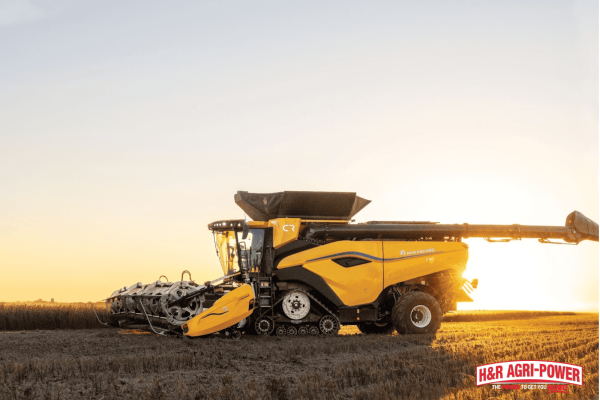
Seasonal maintenance practices for New Holland combines and harvesters include post-harvest cleaning, pre-season inspections, and proper storage protocols. Complete residue removal prevents corrosion while systematic component checks ensure harvest readiness. These practices extend equipment life from 5,000 to 10,000-15,000 operational hours.
Which Combine Maintenance Tasks Are Critical Post-Harvest?
Critical post-harvest combine maintenance tasks are deep cleaning, worn part replacement, storage protection, and maintenance documentation. Remove all crop residue immediately after harvest using compressed air and power washers. Residue buildup causes moisture retention that accelerates corrosion in grain tanks, augers, and sieves.
Inspect and replace worn components before storage. Check cutter bars, threshing elements, and separation systems for damage. Replace parts showing wear beyond manufacturer specifications. A 2021 Equipment Manufacturers Association study found post-harvest repairs cost 62% less than in-season emergency replacements.
Protect combines against moisture and pests during off-season storage. Apply rust preventatives to exposed metal surfaces. Install rodent deterrents such as steel wool in openings and mothballs in compartments. Store equipment indoors when possible or use breathable waterproof covers outdoors.
Document all repairs and maintenance performed using digital CMMS systems or paper logs. Record part numbers, labor hours, and costs for warranty claims and resale value. Complete maintenance records increase resale value by 15-22% according to 2020 Farm Equipment Dealers Association data.
What Pre-Season Checks Should Be Performed Before Harvesting?
Pre-season harvesting checks should include grain tank inspection, sensor calibration, knife sharpening, belt tensioning, and complete fluid service. Inspect grain tanks and augers for rust, damage, or misalignment 30 days before harvest. Clean discharge areas and verify auger flighting integrity to prevent grain damage.
Calibrate all sensors and monitoring systems using New Holland Electronic Service Tool (EST). Test yield monitors, moisture sensors, and loss monitors against known standards. A 2019 Precision Agriculture study showed properly calibrated sensors improve harvest efficiency by 18%.
Sharpen cutting knives to manufacturer specifications using proper grinding angles. Replace knives showing chips, cracks, or excessive wear. Sharp knives reduce power requirements by 15% and improve cut quality in tough conditions.
Verify belt tension and chain adjustment according to service manual specifications. Check for:
- Proper deflection at midpoint between pulleys
- Chain slack within manufacturer tolerances
- Alignment of all drive components
- Signs of unusual wear patterns
Complete fluid and filter service includes engine oil, hydraulic fluid, and all filters. Change fluids even if hour meters suggest remaining life. Fresh fluids prevent contamination-related failures during critical harvest periods.
Pre-season preparation reduces harvest delays by 87% compared to reactive maintenance approaches.
How Can Operators Troubleshoot and Address Common Issues During Seasonal Maintenance?
Operators can troubleshoot and address common issues during seasonal maintenance by implementing preventative measures and knowing when to seek professional assistance. Effective troubleshooting reduces equipment downtime and maintains repair costs at 2-4% of equipment value.
What Preventative Measures Help Avoid Frequent Breakdowns?
Preventative measures that help avoid frequent breakdowns include daily checks, regular lubrication, and detailed record-keeping. Daily 10-hour checks of engine oil, coolant, and fuel levels prevent major failures. Regular lubrication of bearings and moving parts during harvest prevents in-season breakdowns.
Chassis lubrication service every 100 hours or monthly prevents wear. There are several critical maintenance intervals to follow:
-
Engine oil and coolant checks every 10 hours
-
Chassis lubrication every 100 hours or monthly
-
Bearing and moving part lubrication during harvest season
-
Complete service documentation after each maintenance task
Maintaining detailed records helps identify patterns and prevent recurring issues. Following manufacturer service intervals keeps repair costs at 2-4% of equipment value versus 8% without proper maintenance.
When Is It Best to Call a Professional for Repairs?
It is best to call a professional for repairs when dealing with warranty issues, complex diagnostics, or specialized tool requirements. Certified technicians have access to specialized tools and latest service bulletins from New Holland.
Professional service offers distinct advantages through dealer networks and technical expertise. Over 700 New Holland dealers across North America provide professional support. Technicians with mandatory service training can perform comprehensive inspections beyond basic operator capabilities.
|
New Holland Professional Support |
Service Attribute |
Key Detail |
|
New Holland Dealers |
North American Coverage |
700+ locations |
|
Certified Technicians |
Training Level |
Mandatory service certification |
|
Professional Service |
Recommended For |
Warranty repairs, complex diagnostics |
|
Dealer Expertise |
Capability |
Early problem identification |
Professional service is recommended for warranty repairs and complex diagnostics. Dealers can identify potential problems early through specialized knowledge and manufacturer-specific diagnostic equipment.
Proper troubleshooting and timely professional intervention ensure New Holland equipment operates reliably throughout each season while minimizing unexpected repair costs.
What Safety Precautions Should Be Taken During Maintenance of New Holland Equipment?
Safety precautions during New Holland equipment maintenance include mandatory personal protective equipment, proper lockout/tagout procedures, and comprehensive machine guarding. According to OSHA agricultural safety standards, farmworkers face fatality rates significantly higher than the average for all industries, making strict safety protocols essential. Proper de-energization, guarding of all moving parts, and prevention of accidental startup form the foundation of safe maintenance practices.
What Personal Protective Equipment Is Required?
Personal protective equipment required for New Holland maintenance includes safety glasses, steel-toed boots, hearing protection, and work gloves. OSHA agricultural safety standards mandate specific protective equipment based on the maintenance task being performed. There are essential PPE categories for farm equipment service: eye protection for fluid work, respiratory protection for dusty conditions, cut-resistant gloves for blade handling, and high-visibility clothing for field repairs.
The farmworker fatality rate exceeds the national average by 5.3 times, emphasizing the critical importance of proper PPE usage. Equipment operators must wear appropriate protection when servicing hydraulic systems, handling chemicals, or working near rotating components.
How Do You Ensure the Equipment Is Safe to Work On?
The equipment is safe to work on when proper lockout/tagout procedures are implemented and all power sources are isolated. Lockout/tagout procedures ensure equipment remains de-energized throughout the entire service period. There are five critical safety steps: disconnect all power sources, apply lockout devices, verify zero energy state, install wheel chocks, and post warning signs.
All moving parts must have proper machine guarding per OSHA standards before beginning any maintenance work. Power take-off components require specific guarding shields that remain in place during operation and service. Nip-point guarding protects technicians from power transmission components such as belts, chains, and gears.
Equipment must be prevented from accidental startup through physical lockout devices and energy isolation procedures. Hydraulic systems require pressure relief before service, and raised implements need mechanical support blocks. These safety measures protect technicians from the 2,800 annual agricultural equipment accidents reported nationwide.
How Can You Keep Accurate Records of Your New Holland Equipment's Maintenance?
Accurate maintenance records protect your New Holland equipment investment while maximizing performance and resale value. Digital tracking systems transform maintenance management from reactive repairs to predictive optimization.
What Information Should Maintenance Logs Include?
Maintenance logs should include complete service history with dates and operational hours for each task performed. A 2021 Equipment Data Association study found that comprehensive digital records increase equipment resale value by 23% compared to paper-only documentation.
Essential records encompass all receipts, warranty documentation, replaced parts inventories, and fluid change schedules. There are several critical categories to document, such as engine services, hydraulic repairs, filter replacements, and seasonal inspections.
Digital Computerized Maintenance Management Systems (CMMS) centralize all maintenance activities in searchable databases. These platforms track service intervals, generate work orders, and alert operators to upcoming maintenance needs.
Documentation requirements include:
-
Service dates with machine hours
-
Parts numbers and quantities used
-
Technician names and certifications
-
Cost breakdowns for labor and materials
-
Inspection results with photos
-
Warranty claim references
Proper record-keeping creates accountability chains that verify maintenance compliance for warranty protection.
How Does Record-Keeping Improve Future Equipment Performance?
Record-keeping improves future equipment performance through data-driven insights that optimize maintenance schedules and reduce failures. Analytics features identify wear patterns, enabling proactive component replacement before breakdowns occur.
According to a 2022 Agricultural Equipment Management report, farms using digital maintenance tracking reduce unplanned downtime by 34% through automated preventive scheduling. There are multiple performance benefits, such as trend analysis, failure prediction, cost optimization, and efficiency tracking.
Historical data enables predictive analytics that forecast potential failures weeks in advance. Machine learning algorithms analyze patterns across thousands of service records to identify early warning signs.
Complete digital service records command premium resale prices by providing transparency to buyers. A 2023 Farm Equipment Resale survey revealed that machines with comprehensive digital histories sell 18% faster and fetch 21% higher prices than those without documentation.
Well-maintained records demonstrate responsible ownership and justify equipment valuations during trade-ins or sales negotiations.
How Should You Approach New Holland Equipment Maintenance With Help From H&R Agri-Power?
H&R Agri-Power provides comprehensive support for seasonal maintenance through certified technicians, specialized service agreements, and detailed documentation systems. The dealership network offers both warranty coordination and preventive maintenance programs designed to maximize equipment longevity and value retention.
Can H&R Agri-Power Provide Support and Service for Seasonal Maintenance?
H&R Agri-Power can provide support and service for seasonal maintenance through certified technicians who coordinate warranty repairs and maintain detailed service documentation. The dealership service departments create comprehensive maintenance records that preserve equipment value by demonstrating consistent professional care.
New Holland offers three specialized Planned Maintenance Agreements (PMAs) through H&R Agri-Power dealerships. The Top Maintain PMA covers equipment under 250 hours with essential preventive services. The Comprehensive PMA includes all major maintenance for machines operating over 600 hours annually, such as fluid changes, filter replacements, and system inspections. The Annual Powertrain PMA focuses on yearly maintenance for equipment used under 600 hours annually, covering engine, transmission, and hydraulic systems.
These service agreements ensure equipment receives manufacturer-specified maintenance at proper intervals while building documented service history that commands premium resale values.
What Are the Key Takeaways About the Seasonal Maintenance Checklist for New Holland Equipment We Covered?
The key takeaways about seasonal maintenance for New Holland equipment are centered on ROI, equipment longevity, and value preservation through systematic care. MyNewHolland.com portal provides free access to operator's manuals and installation instructions, giving operators immediate reference materials for proper maintenance procedures.
According to industry data, preventive maintenance investment delivers 400% ROI through reduced repair costs and decreased downtime. Following manufacturer-recommended schedules extends equipment operational life to 10,000-15,000 hours compared to 5,000-7,500 hours for neglected machines. Proper seasonal maintenance preserves up to 37% of original equipment value after 10-12 years of use, substantially improving return on investment.
H&R Agri-Power's combination of technical expertise, genuine New Holland parts availability, and structured maintenance programs ensures equipment operates at peak efficiency throughout its service life while maintaining maximum resale value.