

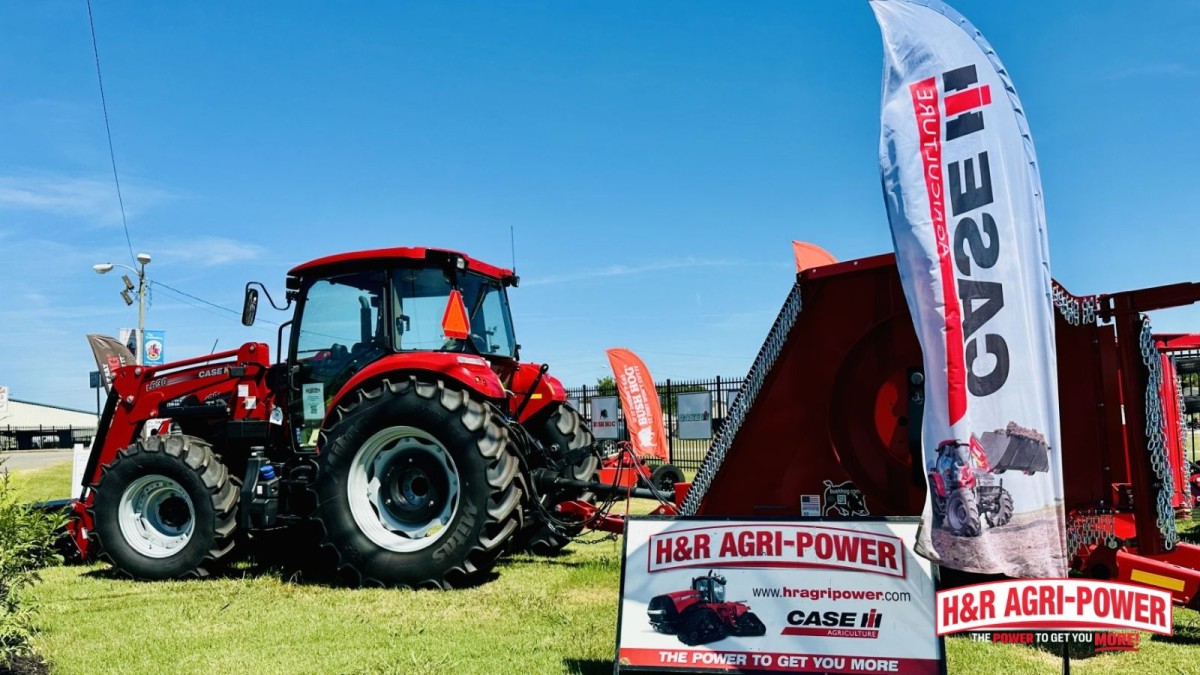
Matching a Bush Hog cutter to your tractor means pairing the cutter's width and drive demands to your tractor's available horsepower and PTO output. A common guideline is 5 HP per foot of cutting width, so a 5-foot cutter needs roughly 25 HP while a 10-foot model requires at least 65.
We cover compatibility factors and power calculations, mismatch risks, spec verification steps, terrain and vegetation considerations, and ongoing maintenance for long-term performance.
Tractor horsepower, PTO speed rating, and three-point hitch category all determine which cutter sizes your machine can safely run. Choosing between a 540 RPM and 1000 RPM PTO also affects torque delivery, with the 1000 RPM option transferring power more efficiently at higher horsepower levels.
Running an oversized cutter on an underpowered tractor strains the PTO shaft, gearbox, and transmission. Symptoms include engine bogging, excessive heat, and premature wear on driveline components; each of these shortens equipment life and raises repair costs.
Reading manufacturer spec sheets, consulting your tractor's operator manual, and bringing your model number and PTO details to an authorized dealer are the most reliable ways to confirm a proper match before you buy.
Heavy brush, saplings, and thick pasture demand more horsepower reserve than light grass maintenance. Slope, field moisture, mowing frequency, and total acreage further shape the ideal cutter width and tractor size for efficient coverage.
Routine greasing of PTO shaft bearings, timely gearbox oil changes, blade sharpening, and pre-use inspections keep your cutter and tractor working as a matched system season after season. H&R Agri-Power's parts inventory and manufacturer-trained technicians across 17 Bush Hog locations can help you select, set up, and maintain the right Bush Hog for your operation.
What factors determine whether a Bush Hog cutter is compatible with your tractor?
The factors that determine Bush Hog cutter compatibility include tractor horsepower, PTO rating, PTO speed, and cutting width. The following subsections break down each factor and how to calculate the right match.
Why is tractor horsepower important when selecting a Bush Hog cutter?
Tractor horsepower is important because it dictates the maximum cutting width a Bush Hog cutter can safely handle. An undersized tractor will bog down, overheat, and deliver poor cut quality.
The widely accepted rule of thumb is 5 HP per foot of cutter. A 5-foot bush hog therefore requires 25 HP at the PTO. According to Cornell Cooperative Extension, a ten-foot drawbar-mounted brush hog requires at least an 65 horsepower tractor, while bat-wing mowers spanning up to fifteen feet demand even higher horsepower.
Matching horsepower to cutting width is the single most important compatibility check. Skipping it leads to premature wear on the tractor, the cutter, and everything in between.
How does PTO (Power Take-Off) rating affect cutter performance and compatibility?
PTO rating affects cutter performance and compatibility by determining how much rotational power transfers from the tractor to the cutter's gearbox and blades. Bush Hog cutters specify a minimum PTO horsepower, which is always lower than the tractor's engine horsepower due to drivetrain losses.
Two standard PTO speeds exist: 540 RPM and 1,000 RPM. Each cutter is designed for one or the other. Connecting a 540 RPM cutter to a 1,000 RPM PTO, or vice versa, causes dangerous overspeed or insufficient blade rotation. Always verify that your tractor's PTO speed matches the cutter's rated speed before purchase.
What is the recommended horsepower range for different cutter sizes?
The recommended horsepower range for different cutter sizes scales with cutting width:
|
Cutter Width |
Minimum PTO HP |
Typical Tractor Class |
|
4 ft |
20 HP |
Subcompact/compact |
|
5 ft |
25 HP |
Compact/utility |
|
6 ft |
30 HP |
Utility |
|
7 ft |
35 HP |
Utility/row crop |
|
10 ft |
65 HP |
Row crop |
|
15 ft (bat-wing) |
100 HP |
High-horsepower row crop |
These ranges follow the 5 HP per foot guideline. For heavy brush or hilly terrain, adding 10 to 20 percent extra horsepower above the minimum provides a useful performance margin that protects both the tractor and the cutter's driveline.
How do you calculate the PTO horsepower your tractor provides?
You calculate PTO horsepower by applying a drivetrain loss factor to your tractor's rated engine horsepower. Most tractors deliver roughly 80 to 85 percent of engine HP at the PTO shaft. A tractor rated at 50 engine HP, for example, typically produces 40 to 42.5 PTO HP.
Choosing the correct PTO speed also matters for efficiency. According to the TractorByNet community, a 1,000 RPM PTO transmits power at lower torque than a 540 RPM PTO, providing more efficient power transfer at higher HP levels for large Bush Hog cutters.
Check your tractor's operator manual for the published PTO horsepower figure; using that number, rather than an estimate, ensures an accurate cutter match. With power requirements clear, understanding what happens when the match is wrong becomes equally critical.
What problems occur if you mismatch cutter size and tractor power?
Mismatching cutter size and tractor power causes mechanical strain, accelerated wear, and safety hazards. The sections below cover mechanical issues from oversized cutters, PTO and transmission risks, and warning signs of an underpowered setup.
Can using a larger cutter than your tractor can handle cause mechanical issues?
Yes, using a larger cutter than your tractor can handle causes serious mechanical issues. An oversized rotary cutter demands more horsepower than the tractor can deliver, forcing the engine to lug under constant overload. This accelerates wear on the clutch, hydraulic system, and three-point hitch components.
According to Cornell Cooperative Extension, rotary cutter blades reach top speeds over 150 miles per hour, generating enough kinetic energy to cut through saplings several inches in diameter. When a tractor cannot maintain proper blade speed, the cutter bogs down in heavy vegetation, causing repeated shock loads that stress the drivetrain and dull blades prematurely.
Beyond mechanical damage, an underpowered tractor paired with an oversized cutter burns more fuel while covering fewer acres per hour, erasing any productivity advantage the wider deck was supposed to provide.
Are there risks to the PTO shaft or transmission from underpowered tractors?
Yes, there are significant risks to the PTO shaft and transmission from underpowered tractors. When the cutter's demand exceeds available PTO horsepower, the driveline operates under continuous overload. This excessive torque strains several critical components:
-
PTO shaft U-joints wear prematurely and can fail suddenly.
-
The tractor's transmission clutch pack overheats from slipping under load.
-
Gearbox seals in the cutter degrade faster, allowing moisture intrusion.
-
Shear pins break repeatedly, signaling a chronic power deficit.
Each failure carries a cascading effect. A snapped U-joint can damage the PTO stub shaft, and overheated transmission fluid loses its protective properties, compounding internal wear. Matching cutter size to actual PTO output prevents these expensive repairs.
What are signs your tractor is struggling to run your cutter?
The signs your tractor is struggling to run your cutter include several recognizable symptoms during operation:
-
Engine RPMs drop sharply when engaging thick brush or tall grass.
-
Black exhaust smoke appears under load, indicating incomplete combustion.
-
The tractor stalls or nearly stalls in moderate vegetation.
-
Ground speed slows to a crawl despite full throttle.
-
PTO shear pins break more than once per season.
-
The hydraulic system feels sluggish when lifting or adjusting the cutter.
Choosing a cutter that consistently demands your tractor's maximum output leaves no reserve for tough conditions, turning every mowing session into a stress test. Recognizing these warning signs early helps you avoid costly drivetrain repairs and guides a better equipment match from the start.
What steps should you take to check and confirm proper bush hog and tractor matching?
The steps you should take to check and confirm proper bush hog and tractor matching include reading manufacturer specs, consulting dealer resources, and bringing key tractor details to your dealer. Each step builds confidence that your cutter and tractor pair correctly.
How do you read and interpret manufacturer cutter specs?
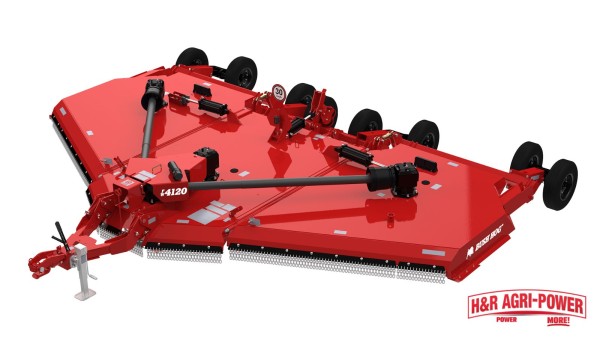
You read and interpret manufacturer cutter specs by locating the key data points printed on the cutter's spec sheet or product tag. Every Bush Hog model lists critical compatibility details:
-
Minimum PTO horsepower required to operate the cutter safely at full capacity.
-
PTO speed rating, either 540 RPM or 1,000 RPM, which must match your tractor's PTO output.
-
Cutting width in inches or feet, which determines ground coverage per pass.
-
Hitch type, typically Category I, II, or III three-point hitch.
-
Gearbox oil capacity and weight, essential for proper lubrication from day one.
Compare each spec against your tractor's owner manual ratings. If any single value falls outside your tractor's capability, that cutter is not the right match. Paying close attention to these numbers before purchase prevents costly drivetrain problems down the road.
Can you consult equipment manuals or dealer resources for compatibility?
Yes, you can consult equipment manuals or dealer resources for compatibility, and doing so is one of the most reliable ways to verify a match. Your tractor's operator manual lists PTO horsepower output, hitch category, and hydraulic capacity. Bush Hog's product manuals specify the exact tractor requirements for each cutter model.
Authorized Bush Hog dealers maintain compatibility databases and have hands-on experience pairing cutters with specific tractor brands and series. According to a 2020 Farm Equipment Magazine profile, dealership networks like H&R Agri-Power combine manufacturer training with field knowledge to guide customers toward correct equipment pairings. A quick call or visit to a knowledgeable dealer can confirm what spec sheets alone may not make obvious.
What information should you bring to your local dealer to get the right match?
The information you should bring to your local dealer to get the right match includes specific tractor data and details about your intended use. Prepare the following before your visit:
-
Tractor model, year, and engine horsepower so the dealer can look up exact PTO output.
-
PTO type and speed (540 RPM, 1,000 RPM, or both).
-
Three-point hitch category (I, II, or III).
-
Total acreage and vegetation type you plan to mow, since heavier brush demands more power.
-
Terrain conditions, including slope grade and wet areas, which affect cutter selection.
Providing these details upfront allows the dealer to narrow options quickly and recommend a Bush Hog model that fits both your tractor's capabilities and your property's demands. With the right information in hand, finding a proper match becomes straightforward rather than guesswork.
How do terrain, vegetation type, and mowing frequency influence your bush hog and tractor selection?
Terrain, vegetation type, and mowing frequency influence your bush hog and tractor selection by determining the horsepower demands, cut width requirements, and duty cycle your equipment must handle. The subsections below cover brush density, slope conditions, and acreage-based sizing.
Does heavy brush or light pasture change your horsepower needs?
Heavy brush changes your horsepower needs significantly compared to light pasture. A Bush Hog rotary cutter uses hinged, intentionally dull blades designed to whack through dense plant growth rather than slice it, so thick saplings and shrubs demand substantially more engine power than maintained grass. Light pasture mowing allows a smaller tractor to operate comfortably at moderate RPM, while heavy brush forces the engine to sustain peak PTO output continuously.
According to Cornell Cooperative Extension, a typical lightweight brush hog for a smaller tractor costs between $2,000 and $4,000, reflecting the lower horsepower class these units serve. Operators clearing overgrown fields with woody vegetation should budget for a heavier-duty cutter and a tractor with reserve horsepower to avoid constant strain on the drivetrain.
Should you select different cut widths for sloped or wet fields?
Yes, you should select different cut widths for sloped or wet fields. Narrower cutters reduce overall implement weight and lower the center of gravity, which improves stability on hillsides. According to OSHA guidelines, tractor mowers are approved for slopes between 15 and 22 degrees, while slopes exceeding 25 to 30 degrees require specialized equipment and extreme caution.
Wet fields compound the challenge because soft ground reduces traction. A wide, heavy rotary cutter on saturated soil increases the risk of the tractor sliding or sinking. Matching a compact cut width to these conditions keeps the operator safer and protects the field from rutting. For flat, dry ground, wider cutters maximize productivity without the same stability concerns.
How do mowing frequency and acreage size factor into your equipment choice?
Mowing frequency and acreage size factor into your equipment choice by determining how much time the cutter spends under load each season and how quickly it must cover ground. Infrequent mowing allows vegetation to grow tall and woody, requiring a heavier-duty cutter and more horsepower per pass. Frequent mowing keeps growth manageable, so lighter equipment can handle the task efficiently.
Acreage directly affects cut width selection. Operators managing large tracts benefit from wider decks that cover more ground per pass, reducing total mowing hours and fuel consumption. Properties mowed only once or twice per season accumulate tougher growth, which accelerates blade wear and increases gearbox stress. Adjusting maintenance intervals to match actual mowing hours keeps the cutter reliable regardless of schedule.
With terrain and usage patterns defined, consistent maintenance preserves the match between your cutter and tractor.
How can regular maintenance ensure long-term compatibility and safety between your bush hog and tractor?
Regular maintenance ensures long-term compatibility and safety between your bush hog and tractor by preserving correct PTO alignment, protecting gearbox integrity, and catching wear before it causes dangerous failures. The following subsections cover PTO and gearbox upkeep, pre-use inspections, and wear management.
What routine maintenance keeps PTO connections and gearboxes in top shape?
Routine maintenance that keeps PTO connections and gearboxes in top shape includes greasing all bearings (especially on the PTO driveshaft), maintaining proper-weight oil in the gearbox, and replacing worn shear pins or cross-kits before they cause driveline damage. According to Cornell Cooperative Extension, brush hogs normally do not need extensive maintenance, but operators should grease all bearings, maintain safety shields, keep proper-weight oil in the gearbox, sharpen blades with a handheld disc grinder when dull, and replace blades when severely worn.
Gearbox oil changes should follow manufacturer intervals. Milky oil signals moisture intrusion, which accelerates gear wear and can lead to catastrophic failure. Neglecting these basics is one of the fastest ways to void warranty coverage and create a dangerous mismatch between cutter demand and tractor output.
Should you inspect the cutter and tractor before every use?
Yes, you should inspect the cutter and tractor before every use. A quick walkaround catches loose bolts, cracked driveline guards, missing safety shields, and hydraulic leaks that could escalate into serious hazards during operation.
Key pre-use checks include:
-
Verify the PTO shaft guard spins freely and is not cracked or missing.
-
Confirm all safety shields around the cutter deck are securely fastened.
-
Check blade condition for excessive wear, bending, or missing hardware.
-
Inspect hydraulic hoses and three-point hitch pins for damage or leaks.
-
Ensure gearbox oil level is correct and the oil appears clean, not milky.
Rotary cutter blades can reach speeds exceeding 150 miles per hour, giving debris enough energy to travel over 300 feet. A two-minute inspection before each session is the simplest safeguard against equipment damage and serious injury.
How does addressing wear help prevent future mismatches or breakdowns?
Addressing wear helps prevent future mismatches or breakdowns by keeping the cutter's power demand within the tractor's rated capacity. Dull blades, worn bearings, and degraded driveline components force the tractor to work harder than the original match intended, effectively turning a properly sized setup into an underpowered one.
Replacing blades before they become severely beaten, swapping worn U-joints promptly, and maintaining correct gearbox oil viscosity all preserve the engineered balance between cutter load and tractor horsepower. Brush hogs lead hard, rough lives; they spend much of their working time being bashed against rocks, stumps, and hidden debris. Proactive wear management is far cheaper than emergency repairs or premature replacement.
With maintenance practices in place, expert guidance helps you get the most from your equipment investment.
How does H&R Agri-Power help customers match Bush Hog cutters to tractors for optimal performance?
H&R Agri-Power helps customers match Bush Hog cutters to tractors by combining hands-on equipment expertise with a full inventory of Bush Hog products across 17 dealership locations. The following sections cover compatibility assistance and key takeaways.
Can H&R Agri-Power's equipment sales and precision farming services assist with bush hog and tractor compatibility?
Yes, H&R Agri-Power's equipment sales and precision farming services can assist with bush hog and tractor compatibility. With manufacturer-trained service technicians and the area's largest parts inventory, H&R Agri-Power evaluates each customer's tractor horsepower, PTO speed, hitch type, and intended application before recommending a cutter. For smaller farm tractors, the most common setup is a three-point hitch cutter covering a 5- or 6-foot pass, according to Cornell Cooperative Extension.
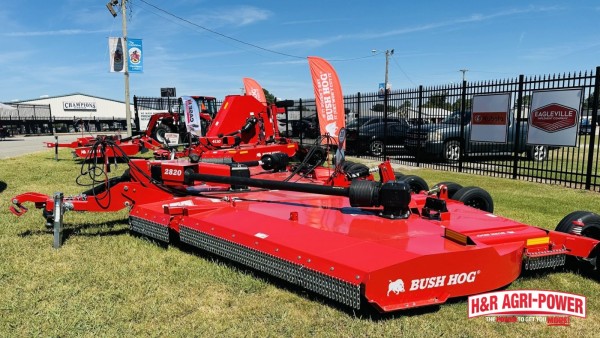
H&R Agri-Power also carries flex-wing models like the Bush Hog 4115, which includes the industry's only 10-Year Gearbox Limited Warranty. Whether a customer needs an economy cutter for light roadside work or a heavy-duty rotary mower for row crops, having a knowledgeable dealer walk through the specs prevents costly mismatches.
What are the key takeaways about how to match a Bush Hog cutter to tractor horsepower and PTO requirements we covered?
The key takeaways about how to match a Bush Hog cutter to tractor horsepower and PTO requirements are:
-
Always verify your tractor's PTO horsepower before selecting a cutter size.
-
Apply the 5 HP per foot rule as a starting baseline for minimum horsepower.
-
Match PTO speed (540 or 1,000 RPM) to the cutter's gearbox rating.
-
Factor in terrain difficulty, vegetation density, and mowing frequency when sizing up.
-
Inspect PTO connections, gearbox oil, and blades regularly to maintain safe compatibility.
-
Consult your dealer with your tractor's model, horsepower rating, and property details for accurate matching.
Bush Hog has offered cutters ranging from economy models for small tractors to heavy-duty shredding mowers since 1951. H&R Agri-Power carries this full lineup and provides the expertise to pair any Bush Hog cutter with the right tractor, ensuring optimal performance and long equipment life.