

North Alabama’s landscape has its own charm, with wide-open fields, rolling hills, and rich farmland. But anyone who works the land here knows it is not always easy. The soil can change completely from one spot to the next, with heavy clay in one area, soft loam in another, and loose sand nearby. This mix often makes everyday tasks like farming, gardening, or landscaping a real challenge, especially when a single machine cannot handle the changing conditions.
A study by Auburn University found that many farms in Alabama face problems like soil compaction, poor drainage, and erosion. These issues reduce soil strength, making it harder for crops to grow well. Farmers and landscapers who deal with such conditions every season know how much difference the right machine can make. Equipment that works with the soil rather than against it helps protect the land and keep it productive for years to come.
This guide explains what makes North Alabama’s soil unique and helps you find Kubota equipment that performs well in every condition. We also share simple tips to choose the right machine for your land and budget.
Soil Challenges and Conditions in North Alabama
North Alabama’s soil varies widely from one area to another, making farming and landscaping unique challenges. Some fields have heavy clay, others have sandy loam, and many have a mix of soil types. Soil conditions and challenges in this region influence everything from crop health to equipment performance.
Let’s discuss the types of soil in North Alabama and the challenges they present for farming and landscaping.
Types of Soil Found in North Alabama
North Alabama has several major soil areas, each with distinct characteristics:
-
Limestone Valleys and Uplands: Red clayey soils with silt loam surface layers; generally level to gently rolling. Major crops include cotton and soybeans.
-
Appalachian Plateau: Soils formed from sandstone or shale; loamy subsoils with fine sandy loam surface layers. Suitable for corn, soybeans, and potatoes.
-
Piedmont Plateau: Red clayey subsoils with sandy loam or clay loam surfaces; rolling to steep terrain.
-
Coastal Plain: Loamy or clayey subsoils with sandy loam surface layers; level to gently sloping. Supports corn, peanuts, and horticultural crops.
-
Blackland Prairie: Clay-rich soils, sometimes poorly drained; used for soybeans, timber, and pasture.
These soils vary in texture, drainage, and nutrient content, which directly affects planting, cultivation, and machinery use.
Common Challenges with Mixed Soil
Mixed soils bring several challenges for farmers and landscapers.
-
Uneven drainage that can lead to waterlogging or dry patches
-
Soil compaction reduces root growth and crop yields
-
Erosion risks on slopes or tilled land
-
Seasonal effects, such as swelling clay in wet months and cracking in dry periods
These challenges show why soil management strategies are essential. And also explain which equipment works best for each terrain type.
How Soil Affects Machinery Performance
North Alabama has a variety of soils, each with its own characteristics and challenges. Some areas have heavy clay, others have sandy loam, and many fields contain a mix of soil types. These differences affect farming, gardening, and landscaping in several ways. The challenges posed by each soil type underscore the need for effective soil management strategies. They also indicate which equipment works best in different conditions, allowing farmers and landscapers to get the most from their land.
Best Kubota Tractors for Mixed Soil in North Alabama
The right Kubota tractor makes work on North Alabama’s mixed soils much easier. Every field has different soil, with clay in some spots, sandy loam in others, and areas where the soils mix. A tractor that handles these conditions smoothly delivers better performance, protects equipment, and keeps work running efficiently.
Here are the main tractor types, key features for traction and stability, and attachments that increase versatility, along with recommended Kubota models.
Compact vs. Utility vs. Sub-Compact Tractors
Different tasks and farm sizes require different tractor types. Choosing the right one ensures efficiency and reduces soil damage:
-
Compact Tractors: Ideal for small farms, gardens, and tight spaces. Easy to maneuver and operate.
Recommended models: Kubota B2601, L2501, L3301 -
Utility Tractors: Handle heavier loads and larger fields, with balanced power and versatility for mixed soils.
Recommended models: Kubota M6060, M5-111, MX6000 -
Sub-Compact Tractors: Perfect for landscaping, mowing, and small-scale farming tasks. Great for narrow or confined areas.
Recommended models: Kubota BX2380, BX2680, BX23S
Key Tractor Features for Traction and Stability
Tractors must perform reliably on different soil types. Certain features make a significant difference in productivity:
-
Engine power suitable for mixed soil conditions
-
Torque and horsepower to manage heavier loads
-
Maneuverability for tight or uneven areas
-
Terrain adaptability for slopes, wet patches, and variable soil textures
Attachments for Versatility
Attachments make a tractor more useful around the farm or yard. Plows and tillers prepare the soil and keep it healthy, while mowers and brush cutters simplify clearing overgrown areas. Loaders and backhoes handle heavier tasks, such as moving soil, rocks, and other materials. Quick-attach systems let you switch between tools easily, saving time and effort.
Recommended attachments:
-
Front Loaders: Kubota LA525, LA534
-
Rotary Tillers: Land Pride RTR12 Series
-
Mowers/Brush Cutters: Kubota G Series or Land Pride attachments compatible with BX and B Series
Kubota Excavators and Loaders for Mixed Soil
Working on North Alabama’s mixed soils often requires machines that can handle varied terrain without sacrificing efficiency. Excavators and loaders provide practical solutions for digging, moving, and lifting tasks, helping you complete jobs safely and effectively.
These machines handle essential tasks such as digging, transporting materials, and managing soil under varied conditions.
Mini Excavators
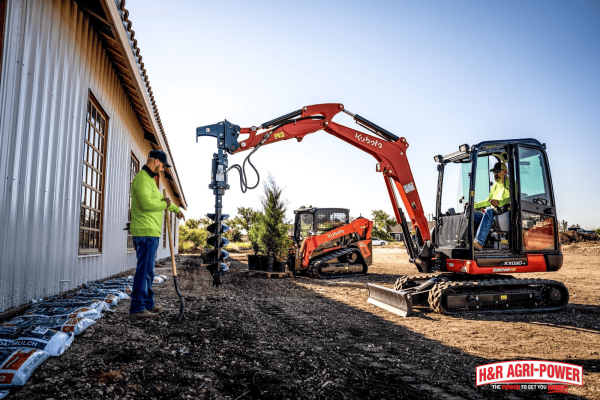
Mini excavators are compact machines that handle clay, loam, and sandy soils with precision. Their smaller size allows work in tight or confined spaces, such as narrow garden areas or around structures.
Stability and proper weight distribution ensure controlled digging and prevent damage to surrounding areas. Mini excavators are ideal for small landscaping projects, trenching, or soil preparation, making them a practical choice for both professional and residential use.
Skid Steer Loaders
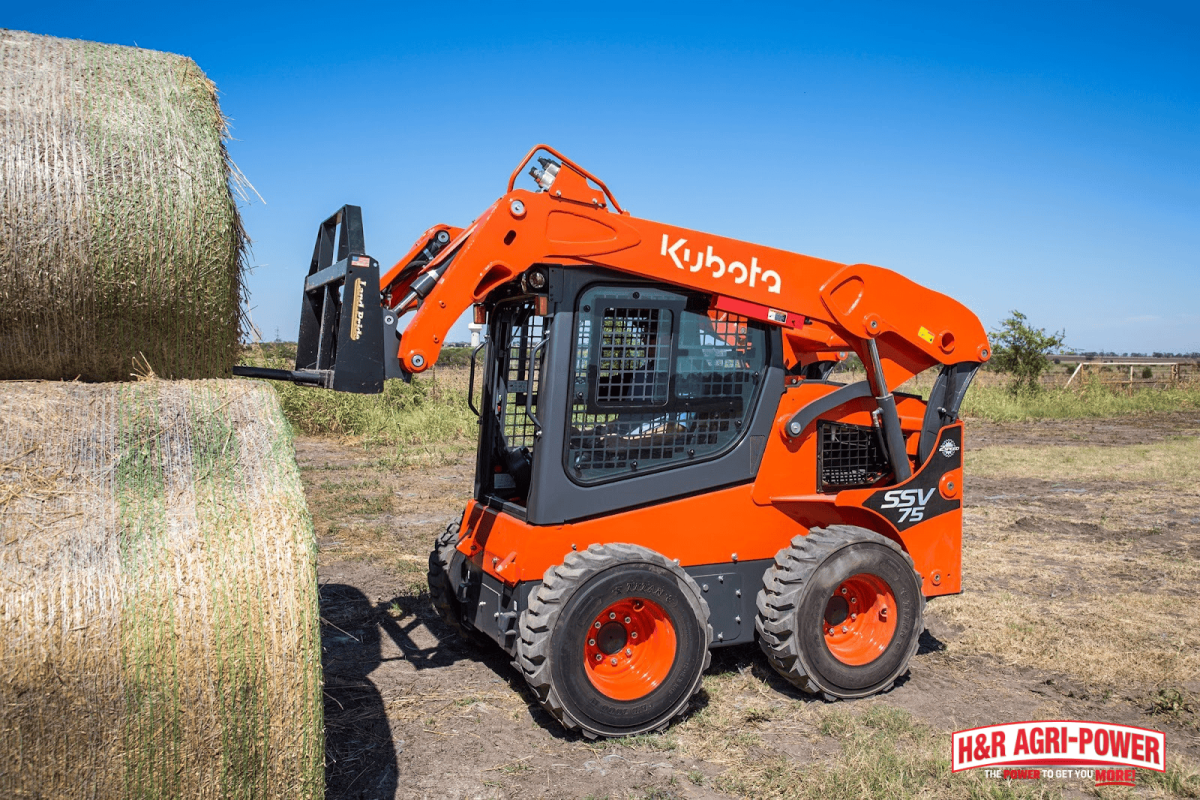
Skid steer loaders are versatile and highly maneuverable, making them perfect for moving soil and materials across mixed terrain. They can use multiple attachments, including buckets for moving dirt, forks for lifting, or brush cutters for clearing overgrown areas.
Their compact design allows easy operation in limited spaces while still providing the power needed for heavier tasks. With skid steer loaders, one machine can handle multiple jobs efficiently, saving time and effort.
Backhoe Loaders
Backhoe loaders combine digging, lifting, and loading capabilities in a single machine. They work well on various soil types, from clay-heavy areas to sandy patches, making them suitable for construction, landscaping, or farm work.
With both a front loader and rear backhoe, these machines can move materials, dig trenches, and perform a variety of other tasks. Their multitasking ability reduces the need for multiple machines and enables you to manage diverse projects with fewer resources.
Maximizing Efficiency of Kubota Equipment on Mixed Soil
Working on North Alabama’s mixed soils can be challenging, but using Kubota equipment properly helps get tasks done more effectively. Understanding how to operate tractors, loaders, and excavators across different soil types can reduce machine wear, prevent soil damage, and make everyday jobs easier.
Here are the ways to improve equipment efficiency, manage soil properly, and maintain machinery for long-term reliability.
Fuel Efficiency and Cost Considerations
Fuel use varies depending on soil type and the work being done. Studies show that poor tractor performance in the U.S. wastes nearly 150 million gallons of fuel each year, underscoring the importance of proper setup and maintenance in significantly cutting operating costs. Clay-heavy areas or uneven terrain require more effort from equipment, which can increase fuel consumption.
The right tractor or loader for each task, combined with an engine power matched to soil conditions and minimal idle time, helps reduce fuel consumption. Small adjustments, like driving at steady speeds and choosing the correct attachment for the job, also support more efficient operation.
Maneuverability in Tight or Uneven Spaces
Kubota equipment is designed to handle a variety of soil conditions, but proper operation improves performance. Moving slowly and carefully on slopes or uneven ground reduces the risk of slipping or creating ruts. Compact tractors and mini loaders are useful in narrow or confined areas, while larger utility machines perform well on open fields. Paying attention to terrain and adjusting speed and handling accordingly helps complete work safely and efficiently.
Techniques to Prevent Soil Compaction
Soil compaction can reduce crop growth and make landscaping more difficult. Using equipment with appropriate tire or track pressure for the soil type helps limit compaction. Spreading work over multiple passes rather than forcing heavy machinery in one go can also protect the soil.
Routine Maintenance for Optimal Performance
Regular maintenance keeps equipment running reliably and efficiently. Cleaning machinery after each use removes soil and debris that can affect moving parts. Lubricating joints, checking fluid levels, and inspecting tires or tracks prevent small issues from becoming larger problems. Scheduling routine maintenance based on usage rather than just time ensures the equipment operates at its best without unexpected breakdowns.
Attachment Usage for Maximum Productivity
Attachments allow a single machine to perform multiple tasks, but choosing the right attachment for each job improves efficiency. For example, using a plow or tiller for soil preparation is more effective than trying to do the same work with a loader bucket. Quick-attach systems make switching tools simple, saving time and effort. Proper attachment selection ensures that each task is completed safely and efficiently without overworking the machine.
Maintaining Kubota Equipment for Long-Lasting Performance
Proper care of Kubota equipment helps keep machines reliable and extends their useful life. North Alabama’s mixed soils, ranging from clay to sandy loam, can place extra stress on tractors, loaders, and excavators. Understanding how to maintain your machinery ensures it operates smoothly, reduces downtime, and protects your investment.
These are Kubota equipment’s durability features, key maintenance steps, and ways to prevent long-term wear.
Build Quality for Tough Soil Conditions
Kubota machines are designed with durability in mind. Strong frames, reinforced components, and quality hydraulics help equipment handle different soil types without excessive wear. Resistance to corrosion and impact ensures that tractors, loaders, and excavators continue to perform even in clay-heavy or sandy areas. Using machinery built for demanding conditions reduces the risk of breakdowns and provides consistent, reliable operation.
Routine Maintenance Tips
Regular maintenance keeps equipment running efficiently and avoids small issues turning into costly repairs. Key tasks include:
-
Cleaning equipment after each use to remove soil, dust, and debris
-
Lubricating moving parts to minimize friction and wear
-
Checking calibration and adjusting components when necessary
-
Replacing worn or damaged parts according to manufacturer guidelines
Following a consistent maintenance schedule ensures your machinery performs reliably and lasts longer.
Preventing Long-Term Wear and Tear
Proactive care protects both your equipment and the land it works on. Adjusting tires or track tension for different soil types reduces stress on the machine and prevents soil compaction.
Seasonal maintenance, tailored to wetter clay soils or drier sandy areas, helps equipment function smoothly year-round. Regular inspections of hydraulics, electronics, and other critical systems prevent small problems from becoming major issues, keeping your Kubota machines operating at their best.
Boost Productivity and Protect Your Land with Kubota
North Alabama’s mixed soils present unique challenges for anyone working the land, but with the right Kubota equipment, those challenges become manageable. From compact tractors in tight garden spaces to utility machines handling heavy loads, matching your machinery to soil type, terrain, and property size ensures efficiency, safety, and long-term productivity.
Proper use, regular maintenance, and thoughtful attachment choices help your equipment work with the land rather than against it. This approach protects both your investment and the soil, keeping your land productive and your work running smoothly for years to come.
Make your work on the land easier with Kubota tractors, loaders, and attachments available from authorized local dealers. Expert guidance and support from these dealers can help you choose the right machine for your soil, terrain, and tasks. Whether you’re farming, landscaping, or gardening, proper use of Kubota equipment ensures efficient operation in every condition.
Visit H&R Agri-Power today and discover the Kubota machine that makes your work easier and keeps your land healthy!
Frequently Asked Questions
How do I know which Kubota tractor is best for my land size?
Look at your land size and tasks. For small yards or gardens, choose a compact model. For several acres or heavier work, pick a utility tractor. H&R Agri-Power can help match you to the right size model.
Are Kubota tractors suitable for both commercial farms and home gardens?
Yes. Kubota offers models designed for both intensive agricultural use and residential landscaping. Local dealers carry tractors suitable for farms, gardens, or anything in between.
Can I use the same attachments across different Kubota models?
Some attachments work across several Kubota models, but always check the model’s compatibility and hitch system. Authorized dealers can confirm whether a particular attachment fits your tractor.
Is it necessary to adjust tire or track pressure for different soil types?
Yes. Adjusting tire or track pressure helps your equipment perform better and limits soil damage. Dealers or equipment manuals provide guidance for proper pressure settings.
Can Kubota equipment be safely operated by beginners, or is experience required?
Beginners can safely operate Kubota equipment with the right training and support. Dealers or certified trainers can provide guidance on proper setup, safe operation, and equipment care.