

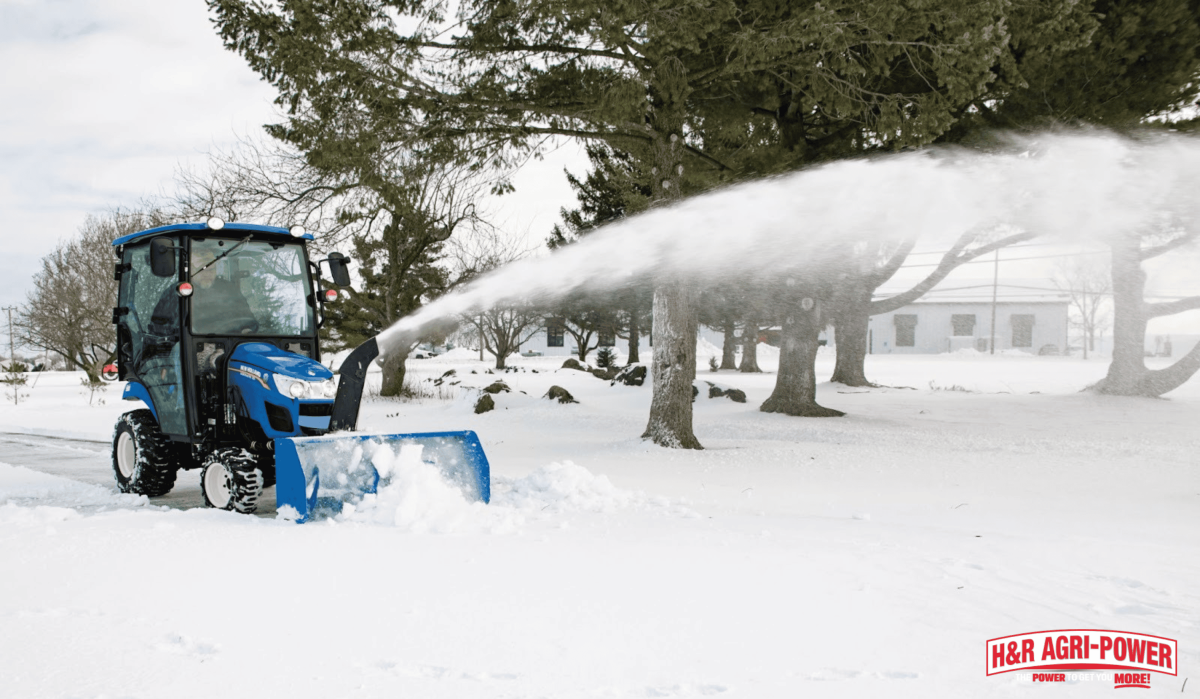
Winterizing New Holland equipment is the process of preparing tractors, implements, and attachments for cold-weather operation and storage by servicing fluids, batteries, fuel systems, and protective components before temperatures drop. This guide covers fluid and battery maintenance, fuel system and hydraulic preparation, lubrication and storage best practices, preventive inspections, cold-weather tools and accessories, and operator safety.
Cold temperatures thicken engine oil, hydraulic fluid, and diesel fuel, making proper fluid selection and timely changes essential. Switching to winter-grade oils and verifying coolant freeze protection keeps engines starting reliably and internal components corrosion-free during long idle periods.
Battery capacity drops significantly in freezing conditions, so verifying cold cranking amp ratings and maintaining full charge levels prevents no-start situations. Diesel fuel gels when paraffin wax crystallizes at low temperatures, and hydraulic systems respond more slowly in the cold, meaning fuel treatment and correct hydraulic fluid grades directly affect steering, braking, and implement control.
Systematic greasing of bearings, pivot points, and universal joints with cold-rated lubricants reduces breakdowns, while proper storage (including indoor shelter, rodent prevention, and rust-protective coatings) guards against freeze-thaw damage and corrosion.
Pre-winter inspections of tires, belts, hoses, and electrical systems catch wear before it becomes a costly failure. Off-season preventive maintenance can reduce winter repair costs by roughly 30%.
Block heaters, engine covers, and higher-CCA batteries are practical add-ons that improve cold-start performance and reduce engine wear. Operator training on icy-condition handling and emergency procedures rounds out a complete winterization plan. H&R Agri-Power's service team can support each of these steps with genuine New Holland parts and expert guidance.
What Steps Should You Take to Prepare New Holland Equipment for Winter Weather?
The steps you should take to prepare New Holland equipment for winter weather include fluid changes, battery maintenance, fuel system preparation, hydraulic protection, lubrication, and proper storage. Each step targets a specific vulnerability cold temperatures exploit.
Which Fluid Checks and Changes Are Essential for Winterizing Your Equipment?
The fluid checks and changes essential for winterizing your equipment include engine oil replacement, coolant testing, and hydraulic fluid evaluation. Used engine oil contains acids that corrode internal engine parts during long periods of inactivity, so fresh oil before winter is critical. According to Montana State University Extension, engine coolant must provide freeze protection to at least -40°F (-40°C), with proper additives to prevent corrosion in modern cooling systems containing mixed metals and alloys.
Key fluid checks before winter include:
-
Replacing engine oil with fresh, winter-grade oil rated for your expected low temperatures.
-
Testing coolant specific gravity with a hydrometer to verify adequate freeze protection.
-
Inspecting hydraulic fluid viscosity and switching to cold-weather formulations if needed.
-
Checking transmission fluid levels and condition.
-
Verifying windshield washer fluid is rated for sub-zero temperatures.
Skipping even one of these checks can lead to cracked blocks, seized components, or sluggish performance when temperatures drop.
How Does Cold Weather Impact Battery Performance and Maintenance?
Cold weather impacts battery performance by reducing capacity 30 to 40% at freezing temperatures and below, according to Full River Battery. This significant loss means a battery that starts reliably in autumn may fail entirely during a January cold snap. Higher Cold Cranking Amps ratings, such as 500 CCA or 580 CCA, are recommended for reliable cold-weather startups on agricultural equipment.
If batteries discharge excessively, the acid inside can freeze, expand, and permanently damage plates and casing. To protect batteries through winter:
-
Charge 12-volt batteries to 14.4 volts before storage.
-
Disconnect monitors and controller boxes in tractor cabs to eliminate parasitic voltage draw.
-
Perform periodic voltage checks to detect fast discharge indicating electrical issues.
-
Store batteries in a location where temperatures remain above freezing when possible.
Investing a few minutes in battery maintenance prevents one of the most common cold-weather breakdowns.
What Should You Know About Fuel System Preparation for Harsh Winter Conditions?
What you should know about fuel system preparation for harsh winter conditions centers on preventing fuel gelling, moisture contamination, and filter blockages. Number 2 diesel fuel begins to gel at approximately 10°F to 15°F due to paraffin wax crystallization, which can shut down an engine completely. Cold-weather diesel fuel additives modify wax crystal formation so fuel continues flowing at lower temperatures, and some additives contain biocides to minimize microbial growth.
Heat sources should never be used to warm fuel filters or tanks, as this introduces moisture and contaminants into the system. For gasoline-powered equipment, ethanol is hygroscopic and absorbs atmospheric moisture, so fuel stabilizers are essential for winter storage.
Practical fuel system steps include:
-
Keeping tanks at least half full to minimize condensation from temperature swings.
-
Switching to Number 1 diesel or blended winter fuel in extreme cold climates.
-
Adding approved cold-weather fuel additives before temperatures drop.
-
Replacing fuel filters before winter to ensure clean flow.
How Can You Protect Hydraulic Systems in Your New Holland Equipment During Winter?
You can protect hydraulic systems in your New Holland equipment during winter by switching to cold-weather hydraulic fluid, allowing adequate warm-up time, and inspecting seals and hoses. Hydraulic systems experience delayed response in brakes, steering, and traction controls during cold weather, particularly in older equipment. This sluggish response creates genuine safety risks, making warm-up periods and reduced operating speeds essential.
According to Ohio State University Extension, operators should drive at reduced speeds until hydraulic systems reach operating temperature. ISO VG 46 cold-weather hydraulic fluids, with pour point ratings of -35°F, flow more easily at low temperatures while maintaining proper viscosity during operation. New Holland AMBRA lubricants are designed specifically for New Holland equipment and provide targeted protection during winter.
Before winter, inspect all hydraulic hoses and seals for cracking. Cold makes rubber brittle, and a failed hose under pressure is both dangerous and costly.
What Are the Best Practices for Lubricating Moving Parts in Freezing Temperatures?
The best practices for lubricating moving parts in freezing temperatures involve systematic greasing of all high-wear areas and applying protective coatings to exposed metal. Universal joints, grease fittings, chains, bearings, and pivot points all require thorough greasing before cold weather sets in. Centralized grease ports, common on equipment like balers, supply grease to multiple bearing locations simultaneously, but each point must receive adequate volume.
Montana State University Extension recommends coating exposed metal surfaces with light oil or rust preventative sprays to prevent rust and seizing during winter. For equipment that will operate through winter, use low-temperature grease formulations that remain pliable below freezing. Neglecting lubrication is one of the fastest paths to bearing failure, and replacing bearings mid-winter is far more expensive than preventive greasing.
How Does Proper Storage Protect Equipment During Harsh Winter Conditions?
Proper storage protects equipment during harsh winter conditions by shielding components from moisture, freeze-thaw cycles, and pest damage. Indoor storage in a machine shed or barn is optimal. When indoor space is unavailable, outdoor storage with high-quality tarps allowing ventilation works, provided equipment sits on well-drained ground away from snow accumulation areas.
Freeze-thaw cycles in unheated sheds or outdoor environments create condensation that causes rust in fuel tanks and engine components. Before storing, take these steps:
-
Wash equipment thoroughly; dirt, chaff, and fertilizer residues hold moisture and accelerate corrosion.
-
Clean under shields, around belts, and inside machines where residue builds up.
-
Block rodent entry points, as rodents cause significant damage through nests in cab insulation, chewed wiring, and clogged air intakes.
-
Run RV antifreeze through sprayer systems to prevent pumps, valves, and nozzles from freezing.
-
Add fuel stabilizer to gasoline equipment to prevent ethanol breakdown and condensation.
The variability of winter weather conditions is often more detrimental than cold alone, making thorough preparation before the first freeze non-negotiable. With storage handled, the next priority is completing preventive inspections before equipment sits idle.
What Preventive Inspections Are Important Before Storing New Holland Equipment for Winter?
Preventive inspections before storing New Holland equipment for winter include checking vulnerable components, evaluating tires, belts, and hoses, and verifying electrical and lighting systems. Off-season inspections catch problems early, reducing costly spring surprises.
Which Components Are Most Vulnerable to Cold Weather Damage?
The components most vulnerable to cold weather damage are rubber hoses, belts, seals, batteries, and exposed metal surfaces. Freezing temperatures make rubber and plastics brittle, increasing the risk of cracks and failure when equipment restarts in spring. Coolant lines and hydraulic hoses are especially prone to splitting after repeated freeze-thaw cycles.
Exposed metal surfaces corrode quickly when moisture from condensation sits on unprotected steel throughout winter. Fuel system components, including filters and lines, can also sustain damage if residual moisture freezes inside them. According to Sinwal, preventive maintenance in the off-season reduces winter equipment maintenance costs by approximately 30% through early fluid testing and issue identification. Prioritizing these vulnerable areas during pre-storage inspection prevents the most common and expensive failures operators encounter each spring.
How Should You Inspect Tires, Belts, and Hoses for Winter Readiness?
You should inspect tires, belts, and hoses for winter readiness by checking each component for visible wear, proper tension, and correct pressure. Key inspection steps include:
-
Examining tire tread depth and sidewalls for cracks, dry rot, or embedded debris.
-
Inflating tires to manufacturer-recommended PSI, since pressure naturally drops in cold weather.
-
Checking drive belts and fan belts for fraying, glazing, or tension loss.
-
Inspecting hydraulic hoses and coolant hoses for bulging, abrasion, or soft spots that signal internal degradation.
According to Ohio State University Extension's Agricultural Safety and Health Program, worn-out tractor or skid loader tires increase the chances of slipping or causing collision damage, making tread inspection essential before winter. Replacing marginal belts and hoses before storage is far cheaper than dealing with a burst line or snapped belt during the first cold-weather startup.
What Electrical and Lighting System Checks Are Necessary Before Winter?
The electrical and lighting system checks necessary before winter include battery voltage testing, wiring inspection, and verification of all lights and safety indicators. According to Penn State Extension, 12-volt batteries should be charged to 14.4 volts for safe winter storage, with periodic voltage checks required to detect fast discharge indicating electrical issues within the machine or battery.
Essential pre-storage electrical checks include:
-
Testing battery terminals for corrosion and ensuring tight connections.
-
Verifying headlights, taillights, hazard flashers, and slow-moving vehicle signs function correctly.
-
Inspecting wiring harnesses for rodent damage, chafing, or exposed conductors.
-
Disconnecting monitors and controller boxes in the cab to reduce parasitic draw.
Addressing electrical issues before storage protects against dead batteries and hidden wiring problems that complicate spring startup.
What Tools and Accessories Help Improve Winter Equipment Performance?
The right tools and accessories improve winter equipment performance by reducing cold-start failures, protecting fluids, and maintaining reliable operation. The sections below cover recommended add-ons and engine heating solutions.
Are There Recommended Add-Ons for Cold Weather Operation?
There are several recommended add-ons for cold weather operation, including upgraded batteries, winter-grade fuels, cold weather hydraulic fluids, and tire pressure management tools. Key upgrades include:
-
High-CCA batteries: Standard agricultural batteries carry 340 CCA ratings, but cold weather startups require 500 to 580 CCA for reliable cranking.
-
Number 1 diesel fuel: Number 2 diesel gels at approximately 10°F to 15°F due to paraffin wax crystallization. Number 1 diesel has a lower gel point and is recommended for cold climates.
-
Cold weather hydraulic fluid: ISO VG 46 cold weather hydraulic fluids offer pour point ratings of -35°F, allowing systems to respond properly in freezing conditions.
-
Tire pressure gauges: Tire pressures naturally drop in cold weather and should be checked and filled to manufacturer-recommended PSI before winter use.
Investing in these add-ons before temperatures drop is one of the most cost-effective ways to prevent mid-season breakdowns.
When Should You Use Block Heaters, Engine Covers, or Insulated Blankets?
You should use block heaters, engine covers, or insulated blankets whenever New Holland equipment operates or starts in below-freezing temperatures. Block heaters warm engine coolant or oil, indirectly heating the engine block to reduce drag from thickened oils and raise core temperatures for proper fuel combustion. According to Penn State Extension, equipment used daily can be plugged into a timer to run block heaters for 1 to 3 hours before operation.
Glow plugs serve a different purpose inside diesel combustion chambers, heating incoming air to over 400°F for ignition. Never use starting fluids while cycling glow plugs; the combined heat can cause an explosion outside the combustion chamber. Engine covers and insulated blankets retain this generated warmth, shortening warm-up cycles and reducing fuel waste.
With the right accessories in place, ensuring operator safety becomes the next priority for winter fieldwork.
How Can You Ensure Operator Safety When Using New Holland Equipment in Winter?
You can ensure operator safety when using New Holland equipment in winter through proper training, pre-operation inspections, and emergency preparedness. The following sections cover precautions for icy conditions and protocols for handling winter equipment emergencies.
What Training or Precautions Should Operators Take in Icy or Snowy Conditions?
Operators should take precautions in icy or snowy conditions that address both machine readiness and personal awareness before starting any task. New Holland tractor maintenance includes over 40 checkpoints for thorough inspection and overhaul, with emphasis on filter replacement using Genuine Parts to ensure peak efficiency and warranty compliance.
Key precautions for winter operation include:
-
Verify brakes, steering, and traction controls before each use, since cold weather commonly delays hydraulic response.
-
Reduce operating speeds on frozen or snow-covered ground to account for longer stopping distances.
-
Allow engines to fully warm up before engaging implements or driving at working speed.
-
Inspect hazard flashers, lights, and slow-moving vehicle signs daily for roadway visibility.
-
Clean under shields, around belts, and inside machine cavities where residue traps moisture and accelerates corrosion.
Operators who skip warm-up routines or ignore sluggish hydraulic response are taking unnecessary risks that a few extra minutes of preparation would eliminate.
How Should You Handle Emergency Situations With Your Equipment During Winter?
You should handle emergency situations with your equipment during winter by maintaining fuel reserves, carrying emergency supplies, and knowing how to respond when machines fail in freezing conditions. According to the Ohio State University Extension Agricultural Safety and Health Program, maintaining half a tank or more of fuel prevents fuel line freezing or gelling during winter operation, with full tanks reducing condensation issues caused by temperature fluctuations.
Essential emergency preparedness steps include:
-
Keep fuel tanks full to minimize moisture condensation that contaminates diesel when warmed fuel meets cold fuel in the tank.
-
Store jumper cables, a charged battery pack, and basic hand tools on every machine operating in remote fields.
-
Never use heat sources to warm fuel filters or tanks, as this forces moisture and contaminants into the fuel system.
-
Schedule preventative servicing in the off-season to avoid costly emergency parts orders and higher labor expenses during breakdowns.
Cold temperatures thicken fluids, stress batteries, and make plastics and rubber brittle, so equipment that has not been properly winterized is far more likely to strand an operator in dangerous conditions. Proactive preparation remains the most reliable safety measure for winter fieldwork with H&R Agri-Power's support.
How Should You Approach Winterizing New Holland Equipment with H&R Agri-Power's Services?
You should approach winterizing New Holland equipment with H&R Agri-Power's services by combining professional dealer support with a structured seasonal maintenance plan. The sections below cover service and parts support alongside key takeaways from this guide.
Can H&R Agri-Power's Service and Parts Support Help With Winter Equipment Preparation?
Yes, H&R Agri-Power's service and parts support can help with winter equipment preparation. With over 50 years of experience and 6 New Holland locations across Kentucky, Tennessee, Alabama, and Mississippi, H&R Agri-Power provides access to New Holland genuine parts, certified service technicians, and seasonal maintenance programs. Winterization tasks such as fluid changes, battery testing, filter replacements, and hydraulic system inspections benefit from dealer-level expertise and OEM components. OSHA standards for agricultural operations (29 CFR 1928) require specific equipment guarding to protect workers from moving machinery hazards, and professional servicing helps ensure compliance. H&R Agri-Power can coordinate pre-winter inspections so equipment is field-ready when conditions demand it.
What Are the Key Takeaways About How to Winterize Your New Holland Equipment for Harsh Conditions We Covered?
The key takeaways about how to winterize your New Holland equipment for harsh conditions are:
-
Switch to cold-rated fluids, including winter-grade engine oil, diesel fuel additives, and low-temperature hydraulic fluid, before temperatures drop.
-
Test battery voltage and charge to 14.4 volts for storage; upgrade to higher CCA ratings for reliable cold starts.
-
Keep fuel tanks at least half full to minimize condensation and prevent fuel line gelling.
-
Inspect tires, belts, hoses, and lighting systems for wear that cold weather accelerates.
-
Lubricate all grease fittings, chains, bearings, and pivot points with cold-rated grease.
-
Store equipment indoors when possible, clean thoroughly to remove corrosive residues, and block rodent entry points.
-
Use block heaters on a timer for 1 to 3 hours before daily operation to improve cold-start performance.
Preventive winterization reduces costly emergency repairs and keeps New Holland equipment productive throughout the season. H&R Agri-Power stands ready to support every step of that process.