

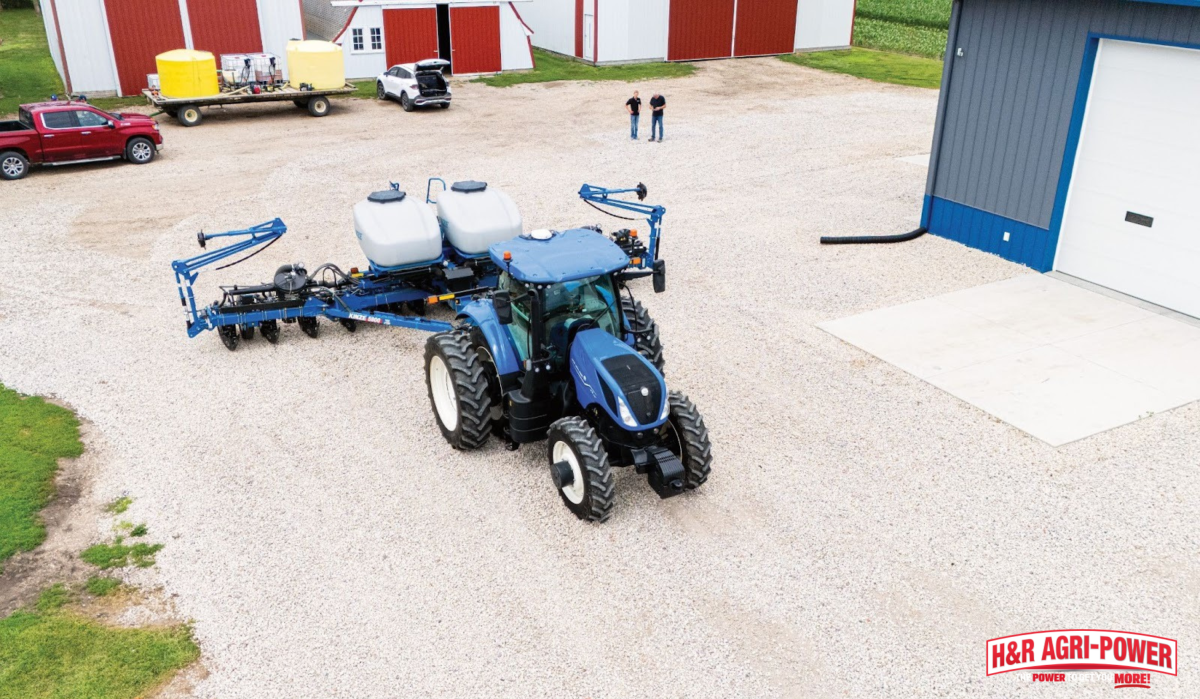
Spring preparation for a New Holland tractor is a systematic process of inspecting, servicing, and optimizing every major system before fieldwork begins. Getting this right protects your equipment investment, prevents costly mid-season breakdowns, and sets the foundation for a productive planting window.
This guide covers pre-season maintenance checks, implement and attachment readiness, common spring preparation problems and prevention, performance optimization, regional considerations for Kentucky, Tennessee, and neighboring states, and professional inspection support from H&R Agri-Power.
Pre-season maintenance spans engine components, fluids, tire condition, hydraulic and electrical systems, and thorough cleaning with proper lubrication. Each checkpoint addresses specific failure points that winter storage can introduce or worsen, from degraded coolant and corroded battery terminals to cracked belts and contaminated hydraulic fluid.
Implement readiness involves inspecting planters, seeders, and tillage tools for worn components, evaluating precision farming attachments, and verifying proper matching between implements and your tractor's horsepower, PTO speed, and hitch category.
Common spring issues like starting failures after storage, fuel degradation, and soil compaction from improper tire pressure can be prevented through targeted troubleshooting steps and a well-stocked spare parts inventory.
Performance optimization focuses on fuel efficiency adjustments, modern technology upgrades like GPS guidance and ISOBUS-compatible systems, and operator training that directly impacts how effectively your tractor performs in the field.
Regional factors matter significantly. Soil moisture levels, variable spring weather patterns, and safety regulations all influence when and how you should begin field operations across the mid-South and surrounding states.
What Maintenance Checks Should Be Performed on Your New Holland Tractor Before Planting?
The maintenance checks that should be performed on your New Holland tractor before planting include engine and fluid inspections, tire evaluation, hydraulic and electrical system testing, and thorough cleaning with lubrication. Each area targets a specific failure risk.
How Do You Inspect Engine Components and Fluids for Spring Readiness?
You inspect engine components and fluids for spring readiness by working through a systematic checklist that covers every critical system under the hood. According to the University of Kentucky Cooperative Extension, essential spring tractor maintenance includes inspecting the front axle and steering, verifying coolant levels, ensuring belt tension, cleaning or replacing air filters, monitoring engine oil level, cleaning battery cable corrosion, adjusting the clutch, maintaining fluid levels, and properly inflating tires.
Key engine inspection steps include:
-
Check engine oil level and condition; change oil if it has sat unused for more than six months.
-
Verify coolant is a proper 50/50 mix of coolant and distilled water.
-
Clean or replace primary air filters
-
Inspect belts and hoses for cracks, fraying, or dry rot from winter storage.
-
Test the battery, which should read 11 to 12 volts with the engine off.
Oil analysis is one of the most underrated tools available to operators. It identifies metal particles indicating component wear, detects water and fuel contamination, and monitors lubricant degradation before failures occur.
What Steps Should You Take to Ensure Proper Tire Condition and Pressure?
The steps you should take to ensure proper tire condition and pressure involve inspecting tread wear patterns, checking sidewalls for damage, and setting inflation based on your specific operating conditions. According to Penn State Extension, proper tire inflation pressure determination requires three factors: tire load, tire size, and speed of operation.
Spring is one of the optimal times to evaluate tire pressure on tractors and harvesters. Use a tire gauge accurate to 1 PSI for reliable readings. Running tires at minimum required inflation pressure increases the tire's footprint and decreases ground contact pressure, which helps improve soil aeration and water infiltration during spring fieldwork.
Common wear indicators to watch for:
-
Center tread wear signals overinflation.
-
Sidewall cracks indicate repeated underinflation.
-
Uneven wear across the tread suggests alignment or ballast issues.
For spring operations on wet soils, flotation tires run at much lower pressures than standard tires. Getting tire pressure right before planting is one of the simplest ways to protect both your soil structure and your tractor's efficiency.
How Can You Test and Service Your Hydraulic and Electrical Systems?
You can test and service your hydraulic and electrical systems by inspecting fluid quality, replacing filters on schedule, and verifying electrical output before fieldwork begins. Hydraulic filters should be replaced per manufacturer specifications.
Start by checking the hydraulic fluid's appearance. Milky or cloudy fluid indicates water contamination, while dark or burnt-smelling fluid signals oxidation. Either condition requires immediate fluid replacement. During any hydraulic service, seal open ports and hoses to prevent dirt ingress; contamination is the leading cause of hydraulic component failure.
For the electrical system:
-
Test battery voltage: 11 to 12 volts with the engine off confirms charge; higher voltage while running confirms alternator function.
-
Clean all battery cable connections to remove corrosion buildup from winter storage.
-
Test all lights, indicators, and safety interlocks before heading to the field.
Why Is Cleaning and Lubricating Essential for Tractor Performance?
Cleaning and lubricating is essential for tractor performance because debris accumulation and dry friction points accelerate component wear and reduce operating efficiency. A thorough exterior wash after winter storage removes mud, crop residue, and road salt that corrode metal surfaces and block cooling airflow.
Focus cleaning and lubrication efforts on these areas:
-
Radiator screens and cooling fins, where debris restricts airflow and causes overheating.
-
All grease fittings on steering linkages, three-point hitch pins, and PTO shafts.
-
Cab air filtration systems, which collect dust that affects operator comfort and visibility.
Always use clean tools during maintenance. New Holland offers a 100-point tractor inspection performed by experienced technicians using ultra-precise checks, which covers cleaning and lubrication alongside every other critical system. For operators handling this work independently, a disciplined cleaning routine before each season prevents the small issues that compound into costly repairs.
With maintenance checks complete, the next step is preparing the attachments and implements your New Holland tractor will power during planting.
Which Attachments or Implements Should You Prepare for the Planting Season?
The attachments and implements you should prepare for planting season include planters, seeders, tillage tools, and any precision farming accessories your operation requires. The sections below cover inspection routines, precision technology benefits, and proper implement matching.
How Do You Inspect and Maintain Planters, Seeders, and Tillage Tools?
You inspect and maintain planters, seeders, and tillage tools by checking wear components, verifying calibration, and replacing damaged parts before field work begins. Start with a thorough visual inspection of seed meters, opener discs, closing wheels, and depth-gauge wheels for cracks or excessive wear.
Key inspection steps include:
-
Replacing worn disc blades (18", 20", or 23" sizes) and sweeps to ensure proper soil penetration and seedbed quality.
-
Checking disc bearings and hubs for smooth rotation; rough or noisy bearings indicate imminent failure.
-
Lubricating all grease points, chains, and pivot joints per the manufacturer's schedule.
-
Testing seed metering mechanisms at multiple populations to confirm planting accuracy.
-
Inspecting hydraulic hoses and cylinders on toolbar-mounted implements for leaks or cracking.
Skipping pre-season implement inspection is one of the costliest shortcuts a grower can take, because a planter malfunction during a narrow planting window can set an entire field behind schedule.
What Are the Benefits of Using Precision Farming Attachments?
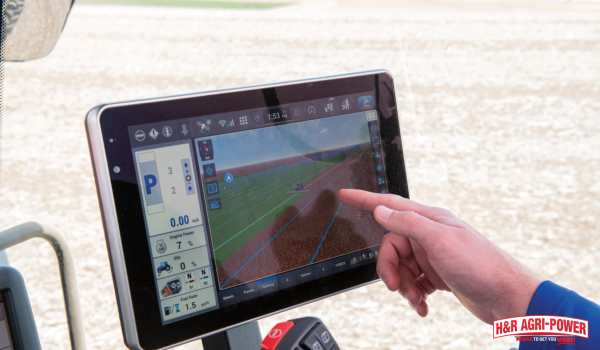
The benefits of using precision farming attachments include improved seed placement accuracy, reduced input waste, and higher yield potential across variable field conditions. ISOBUS, an international standard for machine-to-implement communication, enables multi-brand equipment control from a single in-cab display, eliminating the need for multiple monitors.
According to precision agriculture market research, the global GNSS agricultural market was valued at $42.60 billion in 2024 and is projected to reach $151.1 billion by 2034. This rapid growth reflects how GPS guidance, variable-rate seeding, and automated section control have moved from optional upgrades to operational necessities. For most mid-size operations, investing in section control alone pays for itself through seed savings on headland overlaps and irregular field boundaries.
How Do You Match Implements to Your New Holland Tractor's Capabilities?
You match implements to your New Holland tractor's capabilities by verifying three-point hitch category, PTO speed rating, and hydraulic flow capacity against each implement's requirements. Three-point hitch categories range from 0 to 4 for different tractor sizes, with specifications set by SAE standard J909. Standard rear PTO speed is 540 RPM, though many New Holland models also offer 1,000 RPM options for larger implements.
Before connecting any attachment, confirm that your tractor's hydraulic output meets the implement's minimum flow and pressure demands. Undersized hydraulics cause sluggish response and premature pump wear. Overloading the hitch beyond its rated lift capacity stresses the rear axle and frame. Always consult your operator's manual for weight limits specific to your model and wheelbase configuration.
With the right implements matched and inspected, addressing common spring startup issues keeps your operation on schedule.
What Are Common Issues Faced During Spring Tractor Preparation and How Can You Prevent Them?
Common issues faced during spring tractor preparation include starting failures after winter storage, unexpected breakdowns during planting, and disorganized spare parts inventory. The following sections cover troubleshooting, preventive strategies, and supply management.
How Can You Troubleshoot Starting Problems After Winter Storage?
You can troubleshoot starting problems after winter storage by systematically checking the battery, fuel system, and electrical connections. A battery should read 11 to 12 volts with the engine off; a lower reading indicates the battery needs charging or replacement. Fuel left idle for more than six months can degrade, and biofuel additives may cause sludge buildup that clogs injectors and filters.
Work through these steps before calling for service:
-
Test battery voltage and clean any corrosion from cable terminals.
-
Drain old fuel and replace filters if diesel sat unused over winter.
-
Inspect glow plugs or intake heaters for proper function.
-
Check starter motor connections for loose or corroded wiring.
Most post-storage no-start situations trace back to neglected batteries or stale fuel. Addressing both before the first spring crank saves hours of frustration.
What Preventive Measures Help Avoid Costly Downtime During Planting?
Preventive measures that help avoid costly downtime during planting include scheduled inspections, digital maintenance tracking, and pre-season component replacement. According to agricultural equipment maintenance industry research, CMMS platforms help farms reduce equipment downtime, protect crop yields, control repair costs, improve worker safety, and ensure operational continuity during critical planting and harvest windows.
Key preventive actions include:
-
Following manufacturer service intervals for oil, filters, and hydraulic fluid.
-
Replacing belts and hoses that show cracking or glazing before they fail in the field.
-
Scheduling professional inspections at least two weeks before planting begins.
-
Logging all maintenance digitally so nothing falls through the cracks.
Reactive repairs during planting cost far more than the parts themselves; the real expense is lost field time when conditions are ideal for seeding.
How Should You Store Spare Parts and Emergency Supplies?
You should store spare parts and emergency supplies in a clean, dry, and organized location near your primary equipment staging area. Keeping critical components on hand eliminates delays when a breakdown occurs mid-season.
Essential items to stock include:
-
Fuel filters, hydraulic filters, and air filter elements specific to your New Holland model.
-
Extra hydraulic hoses and fittings in common sizes.
-
Belts matched to your tractor's engine and accessory drives.
-
Basic electrical components such as fuses, relays, and battery terminals.
-
Sealed containers of engine oil, hydraulic fluid, and coolant.
Label all parts by equipment model and store them away from moisture and extreme temperatures. An organized parts inventory turns a potential full-day repair into a quick field-side fix, keeping your planting schedule on track.
How Can You Optimize Your New Holland Tractor's Performance for Spring Planting?
You can optimize your New Holland tractor's performance for spring planting through fuel efficiency adjustments, technology upgrades, and proper operator training. Each factor directly impacts productivity during critical planting windows.
What Adjustments Help Maximize Fuel Efficiency and Productivity?
The adjustments that help maximize fuel efficiency and productivity include complete engine tune-ups, throttle management, and proper ballasting. According to the Farm Advisory Service (Scotland), a complete tune-up reduces fuel consumption by approximately 15%, while throttling down and keeping revolutions low can save 33% on fuel.
Key adjustments for spring planting efficiency include:
-
Performing a full engine tune-up before the season begins.
-
Operating at the lowest effective RPM for each task.
-
Matching gear selection and ground speed to implement requirements.
-
Ballasting the tractor correctly to reduce wheel slip without adding unnecessary weight.
Many operators overlook throttle discipline as a fuel-saving strategy, yet it consistently delivers the largest single improvement in operating costs.
How Can Upgrading to Modern Technology Improve Planting Results?
Upgrading to modern technology can improve planting results by increasing precision, reducing input waste, and streamlining equipment management. GPS guidance systems minimize seed overlap and skips, while ISOBUS compatibility enables multi-brand implement control from a single in-cab display.
Technologies worth evaluating for spring planting include:
-
GPS auto-steer guidance for consistent row spacing and reduced operator fatigue.
-
ISOBUS-compatible monitors for seamless communication between tractor and planter.
-
Variable-rate application controllers that adjust seed and fertilizer placement in real time.
-
Agriculture CMMS software to automate preventive maintenance scheduling and improve asset visibility.
For most operations, GPS guidance delivers the fastest return because it immediately reduces overlap, saves seed, and extends productive field hours each day.
How Does Operator Training Impact Tractor Performance?
Operator training impacts tractor performance by ensuring that maintenance protocols, fuel-saving techniques, and precision technology features are used correctly. Even a well-maintained, fully equipped tractor underperforms when operated without proper knowledge of its systems.
Effective training should cover:
-
Correct shifting patterns and engine RPM management for fuel economy.
-
Calibration procedures for planters and precision agriculture displays.
-
Daily pre-operation inspection routines to catch issues before they escalate.
-
Safe operation of PTO, hydraulic, and three-point hitch systems.
Investing in operator skill development is one of the most cost-effective performance improvements available, since no mechanical upgrade compensates for improper use. With performance optimized across fuel, technology, and training, regional conditions become the next factor shaping your spring preparation plan.
How Does the Local Environment in Kentucky, Tennessee, and Neighboring States Affect Spring Tractor Preparation?
The local environment in Kentucky, Tennessee, and neighboring states affects spring tractor preparation through wet subsoils, variable weather windows, and region-specific safety requirements. The sections below cover startup considerations, soil and weather influences, and seasonal regulations.
What Region-Specific Considerations Should You Make for Spring Startup?
Region-specific considerations for spring startup include adjusting for saturated subsoils, unpredictable rain delays, and rapid temperature swings common across the mid-South. According to Penn State Extension, spring operations are generally carried out when subsoil can be very wet, requiring careful equipment adjustment. Lower tire pressure in fields increases the tire's footprint, reducing ground pressures and improving soil aeration and water infiltration.
Key spring startup adjustments for this region include:
-
Reducing tire inflation to the minimum safe pressure for your load and speed to limit compaction on wet ground.
-
Checking drainage conditions before entering fields, since clay-heavy soils across Kentucky and Tennessee hold moisture longer.
-
Scheduling fieldwork around narrow dry windows rather than fixed calendar dates.
For operators across these states, patience with field entry timing often matters more than any single mechanical adjustment.
How Do Soil Conditions and Weather Patterns Influence Maintenance Steps?
Soil conditions and weather patterns influence maintenance steps by dictating when fields are safe to enter and how hard equipment works once there. Kentucky soils reach field capacity at roughly 20 to 25% moisture content, according to University of Kentucky Cooperative Extension research. At field capacity, the soil is too wet to till, and forcing equipment through saturated ground accelerates undercarriage wear, strains drivetrain components, and causes lasting compaction.
Although only 8.2% of farms in Kentucky have been equipped with soil moisture sensors, that adoption rate is higher than in 27 other states. Investing in moisture monitoring helps operators time field entry precisely, reducing unnecessary mechanical stress. Frequent rain cycles across Tennessee and surrounding states also mean more mud exposure, making post-fieldwork cleaning and undercarriage inspections essential to prevent rust and debris buildup.
What Seasonal Regulations or Safety Guidelines Should You Follow?
The seasonal regulations and safety guidelines you should follow center on federal OSHA standards that apply regardless of state lines. According to OSHA, agricultural tractors with over 20 horsepower manufactured after October 25, 1976 must be equipped with a rollover protective structure (ROPS) and a seatbelt. This requirement is especially critical during spring, when soft, uneven ground increases overturn risk.
Additional safety guidelines to follow include:
-
Verifying that all power take-off shafts are guarded by a master shield or equivalent before attaching spring implements.
-
Confirming that operators under 16 years of age do not operate tractors over 20 PTO horsepower, per federal youth agricultural labor rules.
-
Inspecting lighting, reflectors, and slow-moving vehicle emblems before moving equipment on public roads between fields.
With regional safety standards addressed, professional inspections and dealer support can further streamline preparation.
How Should You Approach Spring Tractor Preparation with H&R Agri-Power's Inspections and Support Services?
You should approach spring tractor preparation with H&R Agri-Power's inspections and support services by scheduling a professional pre-season evaluation alongside your own maintenance routine. The following sections cover how H&R Agri-Power's dealer capabilities support planting readiness and the key takeaways from this guide.
Can H&R Agri-Power's Comprehensive Inspections and Support Solutions Help Prepare Your New Holland Tractor for Planting?
Yes, H&R Agri-Power's comprehensive inspections and support solutions can help prepare your New Holland tractor for planting. H&R Agri-Power employs New Holland manufacturer-trained service technicians across 6 locations in four states, providing the specialized diagnostic expertise that modern New Holland tractors require. Routine inspections help prevent breakdowns by identifying wear patterns and component failures before they cause equipment stoppage. With 24/7 emergency service support and a fleet of field-ready service trucks, H&R Agri-Power can address issues that arise during time-sensitive planting windows. For operators running complex platforms like the T7 series with Tier 4B compliant diesel engines, factory-trained technicians understand the specific service protocols these machines demand. Scheduling a pre-season inspection through an authorized dealer is one of the most effective ways to avoid costly mid-season failures.
What Are the Key Takeaways About How to Prepare Your New Holland Tractor for Spring Planting Season We Covered?
The key takeaways about how to prepare your New Holland tractor for spring planting season are:
-
Spring preparation starts with removing winter-specific attachments, cleaning the tractor thoroughly, and installing season-appropriate implements.
-
Engine fluids, belts, hoses, air filters, and cooling systems all require inspection before fieldwork begins.
-
Tire pressure directly affects soil compaction, traction, and fuel efficiency; always verify pressure using tire load, size, and operating speed.
-
Hydraulic and electrical systems need fluid quality checks and battery voltage testing after winter storage.
-
Safety components, including ROPS, seatbelts, PTO guards, and lighting, must be verified as functional before operation.
-
Local soil moisture and weather conditions across Kentucky, Tennessee, and neighboring states should guide your timing for spring field entry.
Partnering with H&R Agri-Power for professional inspections gives you access to genuine New Holland parts, precision agriculture support, and the dealer-level diagnostics that keep your equipment productive all season.