

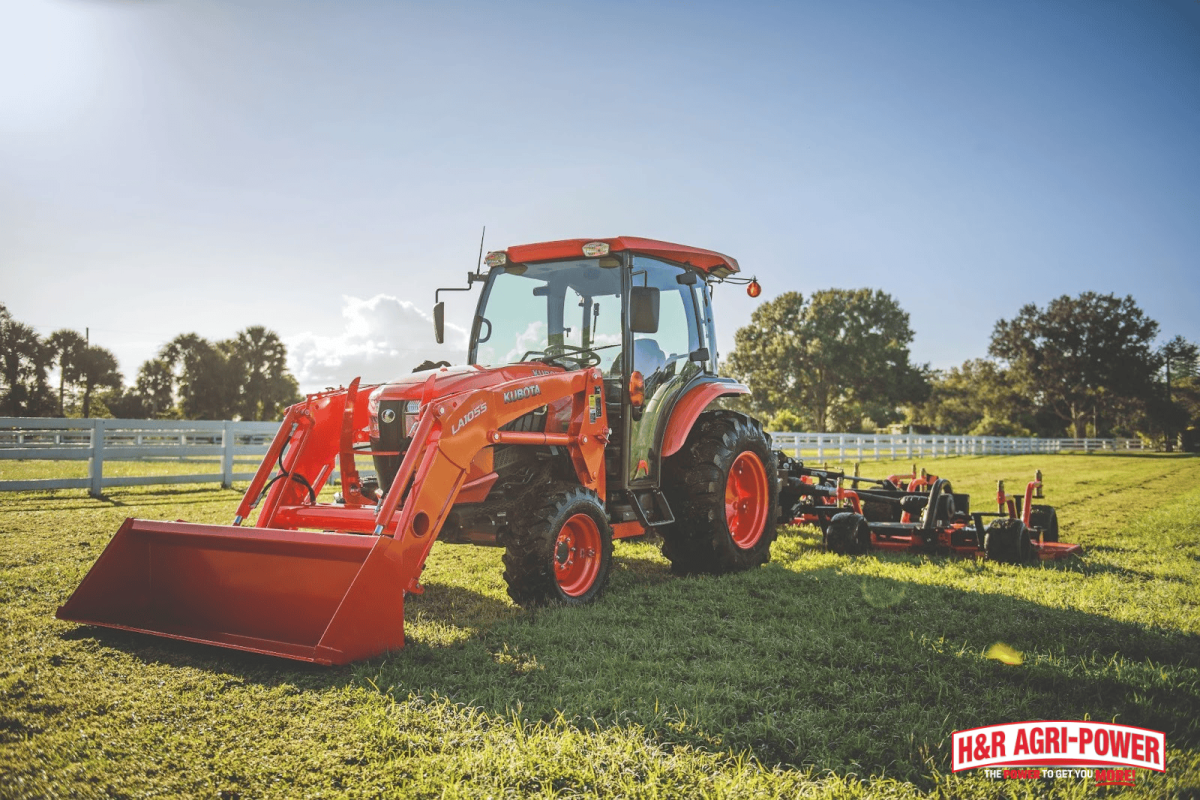
Fuel efficiency is a crucial factor for farmers and ranchers operating Kubota tractors, especially as fuel prices continue to rise. Optimizing fuel use not only saves money but also reduces the environmental impact of farming, aligning with the growing emphasis on sustainability in agriculture.
International Food Policy Research Institute (IFPRI) states that fuel and energy costs are significant contributors to farming expenses, and that improvements in fuel efficiency can positively impact farm profitability and help reduce the carbon footprint of agricultural operations. As global biofuel production continues to grow, efficient use of biofuels has become a key aspect of climate-smart agriculture.
In this guide, we’ll explore actionable strategies to improve fuel efficiency on your Kubota tractor fleet, from maintenance tips to innovative operational practices.
Why Fuel Efficiency Matters for Your Kubota Tractor Fleet
Optimizing fuel efficiency is not just about saving money; it’s about running a more sustainable and productive operation. A well-maintained, efficient tractor fleet can reduce fuel consumption and minimize carbon emissions, contributing to a more environmentally friendly farm.
-
Cost Savings: Reducing fuel usage directly impacts your bottom line by lowering overall fuel costs.
-
Increased Productivity: More efficient fuel use means fewer refueling stops, keeping your tractors running longer and improving operational efficiency.
-
Environmental Impact: By optimizing fuel efficiency, you reduce your operations’ carbon footprint, aligning with sustainable farming practices and green farming initiatives.
How can fuel efficiency save my farm money?
By improving fuel efficiency, you’ll spend less on fuel, which is one of the highest operating costs for farms. Minor improvements in fuel efficiency can lead to substantial savings over time, reducing your overall expenses.
Key Factors That Affect Fuel Efficiency on Kubota Tractors
Achieving optimal fuel efficiency in your Kubota tractor fleet requires understanding and addressing several factors that can affect how efficiently your tractors use fuel.
From regular maintenance to the way your tractors are operated, each element plays a critical role in minimizing fuel consumption and maximizing performance. Follow these 7 tips to reduce your tractor fuel consumption.
Proper Tractor Maintenance
Regular maintenance is crucial for ensuring that your Kubota tractors run as efficiently as possible. Well-maintained tractors consume less fuel, last longer, and are more reliable during demanding tasks.
-
Air Filters: Clean or replace air filters regularly to ensure proper airflow and fuel combustion.
-
Engine Oil: Use the correct oil and change it at recommended intervals to reduce friction and optimize engine performance.
-
Tires: Proper tire pressure reduces rolling resistance and ensures that your tractors use fuel more efficiently.
Tractor Load and Usage
The way your Kubota tractors are used can significantly impact fuel efficiency. Overloading a tractor, for instance, puts unnecessary strain on the engine and increases fuel consumption.
-
Avoid Overloading: Ensure that your tractors are not overloaded, as this will force the engine to work harder and consume more fuel.
-
Adjust Power Settings: For tasks that don’t require full power, reduce the throttle to optimize fuel use.
Fuel Type and Quality
Using the correct fuel type is essential for maintaining engine performance and fuel efficiency. Always ensure you are using high-quality, clean fuel and that your tractors are designed to run on it.
-
Use the Recommended Fuel: Always check the owner’s manual to ensure you use the correct type of fuel for your specific Kubota model.
-
Fuel Additives: Consider using fuel additives that improve combustion efficiency, especially if you are operating in areas with lower-quality fuel.
How to Optimize Fuel Efficiency with Kubota Technology
Kubota tractors are equipped with innovative technologies designed to enhance fuel efficiency and reduce operating costs. A 2024 report by the U.S. Government Accountability Office (GAO) found that integrating precision agriculture technologies, such as GPS guidance, auto-steering, and machine learning, has significantly reduced fuel consumption.
By enabling farmers to make more precise decisions regarding input use, these technologies not only increase operational efficiency but also lower fuel and resource costs.
Kubota’s Advanced Fuel Efficiency Features
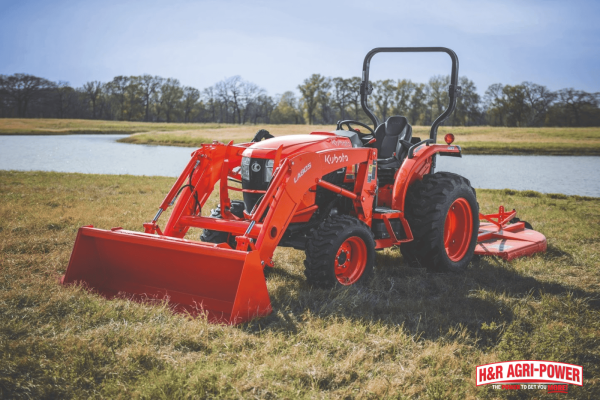
Kubota tractors come equipped with a range of advanced technologies designed to improve fuel efficiency, such as:
-
Eco Mode: Many Kubota models feature an Eco Mode, which reduces engine speed during light tasks to save fuel while maintaining adequate power.
GPS and Precision Agriculture
Kubota offers integration with precision agriculture technologies that can help you reduce fuel consumption through smarter operations.
-
GPS Guidance Systems: GPS enables tractors to operate more efficiently by reducing overlap during field operations, thereby saving fuel and reducing equipment wear.
-
Field Mapping: Precision ag systems can create field maps that guide tractors along optimized routes, reducing unnecessary travel and fuel use.
How can precision farming help me save fuel?
Precision farming tools like GPS guidance and field mapping optimize tractor routes and reduce overlap, leading to fewer fuel-burning passes over the same ground. This can save significant fuel costs over time.
How Your Operating Habits Can Impact Fuel Efficiency
Even the most advanced tractor can waste fuel if it’s not operated efficiently. The way drivers handle Kubota tractors, such as throttle control, speed, and load management, has a direct effect on fuel consumption. By adopting smarter driving habits, operators can significantly improve overall fuel efficiency and extend the life of their equipment.
Training Your Operators for Fuel Efficiency
Fuel efficiency isn’t just about the tractor; the way operators drive also plays a key role in how much fuel is consumed.
-
Smooth Driving: Encourage operators to drive smoothly without rapid acceleration or sudden braking, which can waste fuel.
-
Proper Speed: Operating tractors at their optimal speed for each task can help maintain fuel efficiency. Traveling at excessively high speeds for tasks like plowing can lead to higher fuel consumption.
Routine Operation Checklists
Implementing daily operation checklists ensures that drivers are mindful of factors that can improve fuel efficiency:
-
Pre-Operation Checks: Have operators inspect the tractor for issues like low tire pressure or fluid levels that can affect fuel efficiency.
-
Load Optimization: Ensure operators know the proper loading limits for each tractor to avoid overloading and wasting fuel.
How to Monitor and Adjust Fuel Usage on Your Fleet
Regularly tracking fuel usage across your entire Kubota tractor fleet is key to identifying inefficiencies and making data-driven adjustments. By monitoring fuel consumption and making strategic changes, you can optimize your fleet’s performance, reduce costs, and ensure that your tractors are operating at peak fuel efficiency.
Fuel Monitoring Systems
Consider installing fuel-monitoring systems on your Kubota tractors to track fuel usage in real time. This allows you to:
-
Identify Inefficiencies: Track fuel consumption across different tractors to identify which ones are performing poorly.
-
Optimize Fleet Usage: By monitoring fuel usage, you can adjust fleet assignments to maximize efficiency and reduce fuel waste.
Regular Fuel Audits
Conducting regular fuel audits across your fleet helps identify areas where fuel is being wasted and provides data to inform future improvements.
-
Track Fuel Consumption: Regularly compare fuel consumption data to work output and make adjustments as needed.
-
Set Benchmarks: By monitoring fuel usage, you can adjust fleet assignments to maximize efficiency and reduce fuel waste. This is a great way to improve farm productivity with Kubota tractors.
Take Action to Maximize Fuel Efficiency on Your Kubota Tractor Fleet
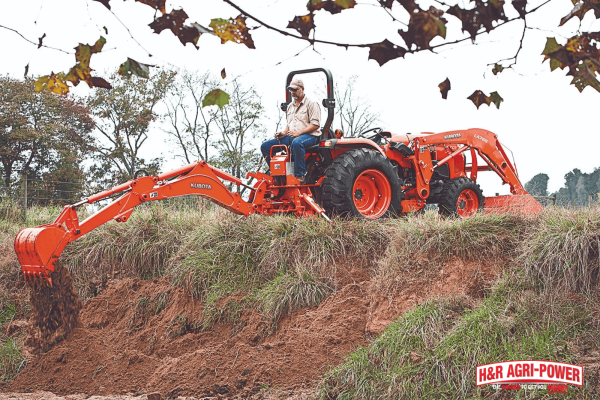
Optimizing fuel efficiency on your Kubota tractor fleet is essential for saving costs, improving productivity, and operating sustainably. By focusing on proper maintenance, utilizing advanced technologies, training operators for fuel-efficient practices, and implementing fuel monitoring systems, you can maximize the lifespan and performance of your tractors while minimizing fuel costs.
Make sure to work with your Kubota dealer, such as H&R Agri-Power, to explore additional features and maintenance services that help you get the most out of your fleet.
Ready to improve the fuel efficiency of your Kubota fleet? Contact H&R Agri-Power today to schedule a consultation, learn about our maintenance programs, and explore the latest Kubota models equipped with fuel-saving technologies.
Frequently Asked Questions
How often should I replace the air filters in my Kubota tractor to optimize fuel efficiency?
Air filters should be replaced every 100 hours of operation or more frequently if operating in dusty conditions.
Can adding fuel additives improve fuel efficiency?
Yes, certain fuel additives can help improve combustion efficiency and prevent engine buildup, thus enhancing fuel efficiency.
What is Eco Mode on Kubota tractors, and how does it help fuel efficiency?
Eco Mode automatically adjusts engine speed for light-duty tasks, reducing fuel consumption while still delivering adequate power.
How can I reduce fuel consumption during heavy-duty tasks like plowing or hauling?
Ensure that your tractor is adequately maintained, avoid overloading, and use the correct power settings to reduce unnecessary fuel consumption.
Is there a way to calculate the potential fuel savings from improving efficiency?
Yes, you can track fuel consumption over time, compare it with previous data, and calculate savings from reduced fuel consumption.