

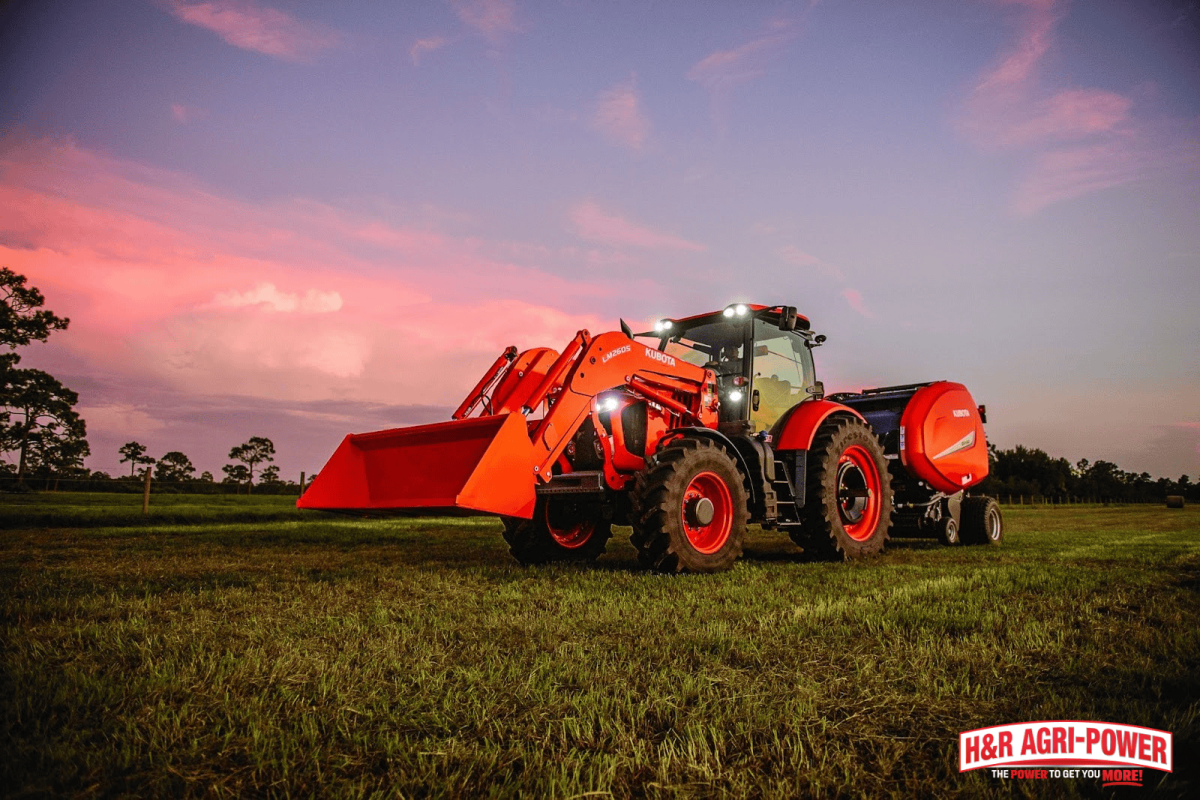
Equipment financing refers to the process of securing funds through loans, leases, or government-backed programs to purchase essential farm machinery such as tractors, loaders, and implements.
For Illinois farmers, access to affordable financing is critical, as machinery costs account for nearly 16% of farm production expenses nationwide, according to the USDA Economic Research Service (USDA ERS, 2023). Rising input costs and interest rate fluctuations in 2026 make equipment financing more relevant than ever.
This guide explains how Illinois farmers can finance Kubota equipment effectively, comparing loan structures, tax benefits, and government programs to ensure profitable, sustainable farm operations.
Understanding Equipment Financing in Illinois Agriculture
Financing farm equipment means obtaining capital through loans, leases, or credit programs to purchase machinery that supports production and efficiency. Unlike outright purchases, financing spreads costs over time, allowing farms to maintain cash flow for inputs such as seed, fertilizer, and labor.
This balance between liquidity and investment is critical, especially for small and mid-sized farms, which make up a large portion of Illinois operations. According to USDA Census of Agriculture (2017), over 90% of Illinois farms are family-owned, making financing essential to keep machinery accessible while managing tight budgets.
Why Financing Matters for Illinois Farmers
Farmers in Illinois face unique economic and environmental challenges. Financing is often the bridge that ensures timely machinery upgrades:
-
High upfront costs: Tractors, planters, and harvesters can cost anywhere from $50,000 to $300,000, depending on horsepower and attachments.
-
Seasonal income patterns: Financing aligns repayment schedules with harvest cycles, reducing financial stress during off-peak months.
-
Inflation and interest rates: Rising borrowing costs in 2026 make structured financing decisions more important than ever.
-
Technological upgrades: Modern Kubota tractors with precision farming tools require higher investment but deliver long-term efficiency.
By understanding these fundamentals, Illinois farmers can align their financing strategies with both short-term needs and long-term sustainability. Well-structured financing not only secures essential Kubota machinery but also safeguards farm resilience against economic volatility.
Key Kubota Financing Options in 2026
Kubota tractors and implements are widely used in Illinois due to their reliability, adaptability, and range of models suited for both small and large farms. Financing these machines in 2026 involves a mix of manufacturer programs, traditional lending, and government-backed credit options that reduce the burden of upfront costs.
According to the USDA Farm Service Agency (FSA), access to affordable credit remains a cornerstone of farm viability, with the agency providing over $6 billion in direct and guaranteed farm loans annually. For Illinois farmers, Kubota financing in 2026 typically falls under three primary categories.
Main Financing Options
-
Retail Instalment Loans
-
Fixed monthly payments over a set term.
-
Allows farmers to build equity in their equipment.
-
Best for long-term ownership and heavy-use machines.
-
-
Leasing Programs
-
Lower upfront costs compared to purchasing.
-
Flexible terms with options to purchase at lease-end.
-
Useful for farms that frequently upgrade equipment to newer technology.
-
-
Operating and Term Loan
-
Operating loans cover short-term machinery needs or seasonal repairs.
-
Term loans extend up to seven years, aligning repayment with expected equipment lifespan.
-
Benefits of Diverse Financing Options
-
Cash flow management: Farmers avoid tying up working capital in large upfront purchases.
-
Access to newer technology: Leasing or shorter-term financing allows for faster adoption of precision agriculture tools.
-
Risk reduction: Government-backed loans through USDA’s FSA reduce the risk of default by guaranteeing portions of the loan.
By evaluating these financing paths, Illinois farmers can match Kubota equipment investments with operational goals. The right choice depends on farm size, crop diversity, and whether the farmer prioritizes ownership, flexibility, or lower initial expenses.
State and Federal Programs Supporting Illinois Farmers
Financing Kubota equipment in Illinois is often supported by federal and state-level programs designed to ensure that farmers, especially beginning, small, and underserved producers, can access the machinery they need. These programs help reduce risk, lower costs, and expand credit opportunities beyond traditional commercial loans.
According to the USDA Farm Service Agency (FSA), Illinois farmers access both direct and guaranteed loan programs for equipment, operating capital, and land purchases. The FSA provides loans directly to farmers who cannot obtain commercial credit, while guaranteed loans involve partnerships with banks where USDA guarantees up to 95% of the loan value, reducing risk for lenders.
Key Federal Support Options
-
Farm Operating Loans: Cover daily operating costs, equipment purchases, and inputs like feed and seed.
-
Farm Ownership Loans: Though primarily for land, they can include funding for essential equipment.
-
Microloans: Streamlined loans of up to $50,000, often used by smaller operations for equipment like compact tractors.
-
Beginning Farmer and Rancher Loans: Special terms for new farmers, who represent over 25% of Illinois producers.
Illinois State-Specific Resources
-
Illinois Department of Agriculture Programs: While focused on conservation and resource management, the department often collaborates with federal programs to provide financial education and technical assistance.
-
Illinois Farm Development Authority: Provides credit enhancements such as loan guarantees and tax-exempt bonds to lower borrowing costs for farm investments, including machinery.
Why These Programs Matter
-
Reduce risk exposure for lenders, making credit more widely available.
-
Offer lower interest rates or flexible repayment schedules tied to seasonal farm income.
-
Ensure that smaller or family-operated farms, critical in Illinois agriculture, can finance modern Kubota machinery without overextending capital.
By leveraging these programs, Illinois farmers can secure financing under more favorable terms, supporting both short-term operational efficiency and long-term farm sustainability.
Tax Incentives, Depreciation, and Farm Credit Benefits
Beyond loans and leasing, farmers in Illinois can reduce the cost of Kubota equipment through federal tax incentives, accelerated depreciation, and agricultural credit programs. These financial tools lower the net expense of ownership and improve long-term return on investment.
The maximum Section 179 deduction in 2025 is $2,500,000.The phase-out threshold (when the deduction begins to be reduced dollar-for-dollar) is $4,000,000.
This provision helps farms of all sizes write off equipment costs immediately, rather than spreading deductions over several years.
Key Tax and Depreciation Benefits
-
Section 179 Deduction
-
Applies to new and used Kubota equipment.
-
Encourages reinvestment by reducing taxable income.
-
-
Bonus Depreciation
-
Currently set at 100% for 2026, allowing additional upfront write-offs.
-
Useful for farms exceeding the Section 179 threshold.
-
-
Farm Credit Interest Deductions
-
Interest paid on farm loans, including equipment financing, is deductible as a business expense (IRS Publication 225: Farmer’s Tax Guide).
-
Benefits for Illinois Farmers
-
Cash flow improvement: Immediate write-offs free up funds for seed, feed, and other operating needs.
-
Lower borrowing costs: Tax deductions reduce the effective cost of loan interest.
-
Long-term planning: Depreciation schedules align with the useful lifespan of Kubota tractors, typically 7 years per IRS MACRS rules.
Evaluating Farm Size and Needs Before Financing
Before applying for financing on Kubota tractors, Illinois farmers must carefully evaluate their farm size, operations, and equipment needs. Choosing the right model and financing plan ensures that investments align with production goals and repayment capacity.
Assessing Farm Size and Acreage
-
Small farms (under 100 acres): Compact Kubota models like the BX or B-Series are often sufficient. They handle tasks such as mowing, landscaping, and light tillage. Financing smaller models generally requires lower down payments and shorter terms.
-
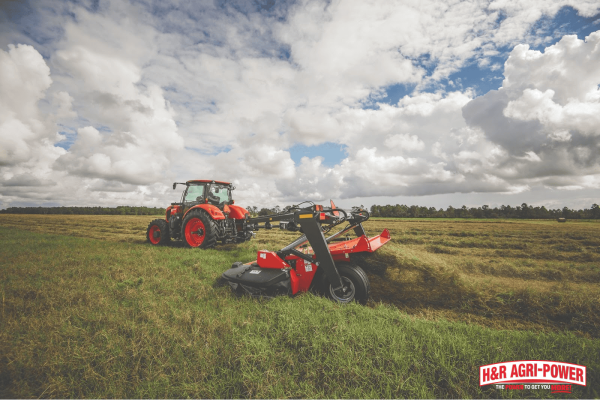
Mid-sized farms (100–500 acres): These operations often benefit from Kubota L or M-Series tractors, which offer greater horsepower for planting, baling, and tilling. Mid-tier financing balances affordability with productivity.
-
Large farms (500+ acres): Commercial-scale farms typically invest in heavy-duty Kubota M7 or M8 Series models. Financing options for these tractors often involve structured long-term loans, lease-to-own agreements, or fleet financing packages.
Matching Equipment to Farm Operations
Every farm’s needs differ based on crops, livestock, and workload intensity:
-
Row crop farms require tractors with strong PTO capacity and wide implements.
-
Livestock operations benefit from loaders, bale handling, and daily chore efficiency.
-
Specialty farms (e.g., orchards, vineyards) may need narrow-width tractors for precise maneuvering.
Financial Considerations
Before financing, farmers should:
-
Calculate repayment ability by analyzing seasonal cash flow.
-
Consider long-term use; buying a tractor that is too large increases financing strain, while one that is too small reduces productivity.
-
Factor in maintenance costs and service plans, which Kubota dealerships in Illinois often bundle with financing offers.
Why Evaluation Matters
A 2023 USDA report on farm profitability highlights that equipment financing decisions directly affect long-term sustainability. Over-leveraging can strain farm income, while underinvestment reduces efficiency. Careful evaluation ensures financing aligns with operational goals and prevents financial stress.
How Interest Rates and Loan Terms Impact Financing
Interest rates and loan terms play a decisive role in the affordability of Kubota equipment financing in Illinois. Farmers who fully understand these financial elements can minimize costs, plan repayments effectively, and avoid long-term financial strain.
Importance of Interest Rates
Interest rates determine how much a farmer ultimately pays for financed equipment beyond the original purchase price. Even a 1–2% difference in rate can significantly affect total repayment over a 5–7 year loan.
-
Fixed rates provide stability, with predictable payments throughout the loan term.
-
Variable rates may start lower but fluctuate with market conditions, potentially increasing costs over time.
-
Promotional offers, Kubota, and its dealers often advertise 0% APR for 36–60 months, but eligibility depends on credit score and financial standing.
Loan Terms and Their Impact
Loan term length, commonly 24 to 84 months, affects monthly cash flow and total cost:
-
Shorter terms (2–4 years): Higher monthly payments but lower total interest paid.
-
Longer terms (5–7 years): Lower monthly payments but higher cumulative cost.
Farmers should balance repayment comfort with total expense. For seasonal farming operations, terms that align with planting and harvest income cycles may provide flexibility.
Key Considerations for Farmers
When comparing financing packages, Illinois farmers should:
-
Review APR and effective annual rate (including fees).
-
Ask about early repayment penalties to allow payoff when profits are strong.
-
Confirm dealer-specific offers since promotions vary by location.
-
Check credit requirements before applying, as stronger credit scores unlock lower interest rates.
Why It Matters
According to the University of Illinois Extension, long-term agricultural success depends on aligning financial strategies with operational realities. Their 2024 statewide planning research highlights that shifting economic conditions, changing demographics, and evolving farm needs require more adaptable financial tools. Farmers who align loan terms with operational cash flow can sustain productivity while safeguarding long-term financial stability.
Understanding how rates and terms interact gives farmers the power to negotiate better financing, reduce total costs, and secure equipment without jeopardizing their financial health.
Credit Score and Eligibility Requirements
Credit score is one of the most important factors influencing a farmer’s ability to finance Kubota equipment in Illinois. It not only determines whether financing is approved but also directly impacts interest rates, down payment requirements, and loan terms.
Why Credit Scores Matter
A credit score reflects a borrower’s reliability in repaying loans. Lenders, including Kubota Credit, banks, and agricultural finance institutions, use it as the primary risk assessment tool.
-
High credit scores (700+): Usually qualify for 0% APR promotions and flexible repayment options.
-
Moderate scores (650–699): May still qualify for financing but at slightly higher interest rates.
-
Low scores (below 650): Often face stricter terms, higher interest, or require larger down payments.
Common Eligibility Requirements
While specific requirements vary by lender, most financing programs for Kubota equipment in Illinois include:
-
Proof of income or farm revenue (bank statements, tax filings).
-
Valid identification (state-issued ID or driver’s license).
-
Credit check authorization to review repayment history.
-
Down payment, commonly 10–20%, depending on loan type and credit score.
-
Collateral requirements for larger equipment purchases (tractors, combines, utility vehicles).
The USDA Farm Service Agency (FSA) also provides guaranteed loan programs for farmers who may not meet traditional lending criteria, especially beginning farmers or those with limited credit history.
Improving Eligibility for Financing
Illinois farmers looking to strengthen their approval chances should:
-
Pay down existing debts before applying.
-
Correct errors on credit reports using free annual checks.
-
Build a consistent repayment history with smaller loans or credit lines.
-
Prepare accurate financial records to demonstrate farm stability.
Why It Matters for Illinois Farmers
Many farm operators rely on financing to modernize equipment without exhausting working capital. Aligning credit score management with lender requirements helps unlock lower rates, improve cash flow, and ensure access to Kubota’s latest tractors and implements.
By maintaining a solid credit profile and understanding eligibility conditions, farmers can position themselves for the best financing deals in 2026, minimizing costs while keeping their operations productive and competitive.
Comparing Dealer Financing vs. Banks and Credit Unions
When financing Kubota equipment in Illinois, farmers often weigh the benefits of dealer financing (through Kubota Credit Corporation) against traditional lenders such as banks and credit unions. Each option carries unique terms, benefits, and limitations that influence the overall cost of ownership.
Dealer Financing (Kubota Credit Corporation)
Kubota dealerships in Illinois partner directly with Kubota Credit Corporation (KCC) to provide financing tailored for agricultural equipment.
Advantages:
-
Promotional rates such as 0% APR for 36–60 months on select models.
-
Fast approvals are often processed the same day at the dealership.
-
Bundled options, including service plans, insurance, and extended warranties.
-
Special programs for new farmers and seasonal payment structures.
Limitations:
-
Financing may only apply to Kubota equipment, limiting flexibility.
-
Interest rates outside promotional offers can be higher than those of banks.
-
Fewer customization options for repayment terms compared to credit unions.
Banks and Credit Unions
Traditional banks and agricultural-focused credit unions remain a strong option for Illinois farmers.
Advantages:
-
Competitive interest rates, especially for borrowers with excellent credit.
-
Flexible repayment terms that can be customized to farm cash flow.
-
Cross-product benefits, such as bundled accounts, lines of credit, or crop loans.
-
Broader eligibility, as financing can cover multiple brands and farm assets.
Limitations:
-
Approval may take longer due to stricter underwriting.
-
Higher documentation requirements (tax returns, business plans, collateral proof).
-
Less access to promotional 0% APR programs compared to KCC.
The Federal Reserve’s Agricultural Finance Databook shows that farm loan terms, such as interest rates and maturities, vary significantly by loan size and lender type. Data indicate that small and mid-sized banks, which serve many local and regional farm operators, often provide shorter maturities and operating loans that align more closely with seasonal cash flows.
Which Is Better for Illinois Farmers?
The decision often depends on farm size, financial history, and equipment needs:
-
Small farms or new operators may benefit from Kubota dealer promotions with low APR and fast approvals.
-
Larger operations with diverse financing needs may prefer banks or credit unions for better flexibility and multi-asset coverage.
Ultimately, comparing both options side by side ensures Illinois farmers secure the best balance of cost, convenience, and flexibility when financing Kubota tractors, implements, or utility vehicles.
The Role of Down Payments in Equipment Financing
A down payment is the initial upfront amount paid when financing Kubota tractors or implements in Illinois. It directly impacts loan terms, monthly payments, interest costs, and overall financial stability for farm operations. Understanding how much to put down is crucial for balancing affordability with long-term ownership costs.
Why Down Payments Matter
-
Lower monthly payments: A higher down payment reduces the financed principal, lowering recurring installments.
Reduced interest costs: Less borrowed capital means less interest accrued over the loan’s duration. -
Stronger loan approval chances: Lenders and Kubota Credit Corporation view down payments as a sign of financial stability.
-
Improved equity position: From day one, the farmer owns a larger share of the tractor, protecting against depreciation risks.
Typical Down Payment Expectations
In Illinois, typical down payments for Kubota equipment vary depending on the financing channel:
-
Kubota Credit Corporation (Dealer Financing): Often requires 10–20% of the purchase price, with promotions occasionally lowering or eliminating the down payment.
-
Banks and Credit Unions: Usually require 15–25%, depending on credit scores, collateral, and farm financial history.
Best Practices for Farmers in 2026
Farmers should evaluate cash flow, credit position, and equipment lifecycle when planning down payments:
-
Align with seasonal cash flow: Use post-harvest income or subsidies to fund larger upfront payments.
-
Consider long-term costs: A higher down payment can significantly reduce interest expense over a 5–7 year term.
-
Leverage equity for future loans: Strong initial equity improves chances of approval for additional financing.
-
Use USDA programs strategically: Beginning and socially disadvantaged farmers in Illinois may qualify for reduced down payment programs.
The Future of Kubota Financing in Illinois: Trends for 2026 and Beyond
The landscape of equipment financing is evolving, and Illinois farmers should be aware of upcoming trends that could influence decision-making.
Notable developments include:
-
Digital loan applications: Increasingly, lenders and manufacturers offer online platforms for faster approvals and easier comparison of terms.
-
Green financing incentives: Programs may expand to support low-emission and fuel-efficient equipment, rewarding farmers for sustainability.
-
Flexible repayment structures: Aligning payments with harvest schedules or commodity price cycles is becoming more common.
-
Rising interest rate environment: The Federal Reserve’s monetary policy will continue to impact farm loan affordability in 2026.
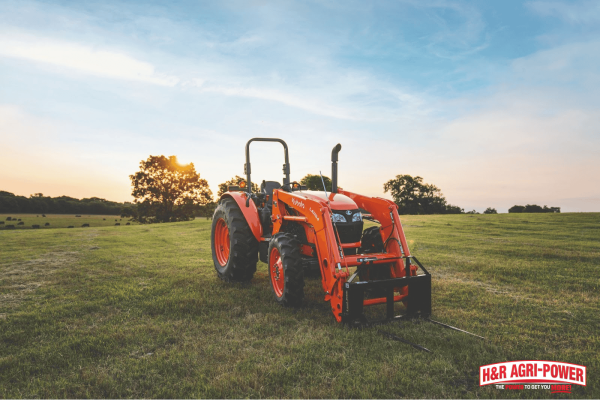
Kubota’s commitment to innovation means future financing may include special terms for precision agriculture technologies, encouraging farms to adopt smart equipment for efficiency gains. Staying informed of these changes ensures that Illinois farmers can finance equipment in ways that maximize profitability and long-term resilience.
Partner with H&R Agri-Power for Kubota Financing
Selecting and financing the right Kubota equipment is a major step for Illinois farmers planning for 2026. While financing options are diverse, from government-backed loans to dealer programs, navigating them requires trusted guidance. H&R Agri-Power offers expert assistance, new and used Kubota equipment, and financing solutions tailored to both small and large farms. Their team ensures that every farmer finds machinery and payment terms that align with operational needs, budget, and future goals.
Frequently Asked Questions
What Is the Typical Loan Term for Kubota Equipment in Illinois?
Loan terms usually range from 3 to 7 years, depending on equipment type, down payment, and lender requirements. Compact tractors may have shorter terms, while larger utility tractors and implements can qualify for extended repayment schedules.
Can Illinois Farmers Use Both USDA Loans and Dealer Financing?
Yes. Some farmers use USDA programs for primary purchases and supplement them with dealer financing for additional implements or attachments. Coordinating both requires careful budgeting to avoid overlapping debt burdens.
How Does Credit Score Affect Kubota Equipment Financing?
A strong credit score can reduce interest rates and expand financing options. Farmers with limited or poor credit may still qualify through USDA support programs or by providing additional collateral.
Is Leasing a Better Option Than Buying for Small Farms?
Leasing can be practical for small farms with limited capital or seasonal equipment needs. It reduces upfront costs but does not build equity. For farms needing long-term ownership, purchasing is generally more cost-effective.
What Happens If a Farmer Misses a Loan Payment?
If payments are missed, lenders may apply late fees, restructure terms, or, in severe cases, repossess the equipment. Farmers should communicate with lenders immediately to explore payment flexibility before issues escalate.