

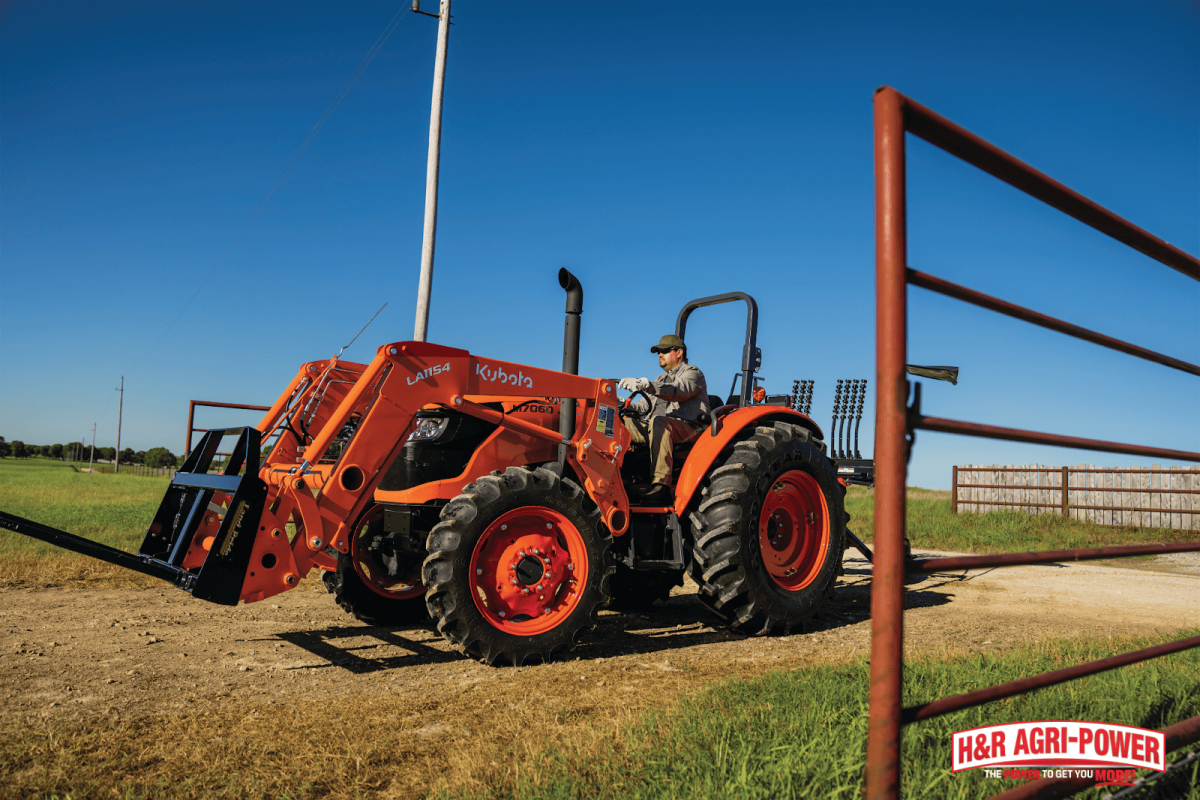
The hydraulic system in your Kubota tractor is crucial for lifting, steering, and other essential functions. However, when air becomes trapped in the system, it can cause poor performance, such as slow or erratic lifting and loss of hydraulic power. Bleeding the air from the hydraulic system restores normal function, ensuring your tractor works smoothly.
Air in the hydraulic system of your Kubota tractor can lead to decreased performance, such as slow or erratic lifting and loss of hydraulic power. Properly bleeding the system is essential to restore optimal function.
According to a study air entrainment in hydraulic systems can significantly reduce efficiency by affecting fluid compressibility and causing cavitation, leading to power loss and increased wear on components.
In this guide, we'll walk you through the necessary steps to properly bleed air from your Kubota tractor's hydraulic system, so you can return to work with confidence.
Why Do You Need to Bleed Air from Your Kubota Tractor's Hydraulic System?
Air can enter the hydraulic system of your Kubota tractor for several reasons, including:
-
Fluid changes: When new hydraulic fluid is added, air can be trapped if the system is not properly purged.
-
Leaks in hydraulic lines: Small cracks or leaks in hydraulic lines, fittings, or seals can allow air to enter the system.
-
Disconnection or replacement of components: If any hydraulic components are disconnected or replaced, air can enter the system.
According to a study published in the journal Energy in 2022, air entrainment in hydraulic systems can significantly reduce efficiency by affecting fluid compressibility and causing cavitation, leading to power loss and increased wear on components. The study emphasises the importance of proper maintenance, including regular bleeding, to maintain optimal fluid flow and ensure the system performs as expected.
When air is trapped, it creates a spongy or slow hydraulic response, which significantly affects your tractor's performance. Bleeding the system helps maintain optimal fluid flow, ensuring your machinery operates at its best.
Step-by-Step Guide: How to Bleed Air from a Kubota Tractor Hydraulic System
When air is trapped in your Kubota tractor's hydraulic system, it can lead to poor performance, such as slow lifting or jerky movements. Bleeding the air out of the system ensures smooth operation and enhances efficiency. Follow these simple steps to properly bleed the air from your hydraulic system.
Step 1: Check Fluid Levels
Before you begin, ensure your hydraulic fluid is at the correct level. Low fluid levels can exacerbate air problems. Always refer to the Kubota owner's manual for the correct type of hydraulic fluid and fill procedure.
Step 2: Start the Engine
Start the tractor and let it idle. This will circulate the hydraulic fluid and allow air to rise to the reservoir, where it can be bled out. Make sure the tractor is in a safe, stable environment to operate during this process.
Step 3: Operate Hydraulic Controls
Move the hydraulic control levers, such as the loader or 3-point hitch, through their full range of motion. By doing this, you'll allow the hydraulic fluid to flow through the system, pushing trapped air out of the lines. Repeat the operation several times to ensure air is purged completely.
Step 4: Locate and Open the Bleed Valve
Some Kubota tractors may have a bleed valve on the hydraulic lines or valves. If your model has this feature, use a wrench or screwdriver to open the valve while you operate the hydraulic system gently. When air escapes and only fluid starts to leak out, close the valve securely.
Step 5: Inspect for Leaks
Once you've completed the bleeding process, check all hydraulic lines and connections for leaks. Even minor leaks can cause air to re-enter the system, so it's essential to tighten any loose connections or replace damaged hoses.
Step 6: Test the System
Finally, test the hydraulic system by operating it under normal conditions. Move the loader, raise the three-point hitch, and check for any delays, jerky movements, or erratic behaviour. If the system responds quickly and smoothly, the air has been fully bled from the system.
Will bleeding the system solve all hydraulic issues?
While bleeding removes air, persistent issues like low pressure or slow response may indicate other problems, such as hydraulic fluid contamination or a faulty pump. If you need any help with Kubota tractor maintenance or have further questions, don't hesitate to contact us at H&R Agri-Power. We offer expert service and top-quality parts for your Kubota equipment.
Additional Tips
To ensure your Kubota tractor's hydraulic system continues to perform optimally, regular maintenance is essential. Follow these helpful tips to prevent issues and maintain the longevity of your equipment:
-
Regular maintenance is key to keeping your hydraulic system running smoothly. Always check fluid levels, look for leaks, and inspect hydraulic components regularly.
-
Use clean, high-quality hydraulic fluid to prevent contaminants from entering the system and causing issues.
-
If you experience continued problems after bleeding the system, it may be a sign of a deeper issue with the hydraulic components or fluid, which may require professional inspection.
Take Control of Your Kubota Tractor's Performance Today!
Bleeding the air from your Kubota tractor's hydraulic system is a simple yet crucial task to restore optimal performance. By following these steps, you ensure that your hydraulic system operates at peak efficiency, preventing costly downtime and disruptions. Regularly bleeding air and performing routine maintenance will not only extend the life of your tractor but also maximize your productivity on the field.
Don't let minor issues become big problems; take action now! Visit H&R Agri-Power for expert advice and support to keep your Kubota running smoothly, day in and day out.
Frequently Asked Questions
How often should I bleed air from my Kubota tractor's hydraulic system?
Air bleeding is generally required after a fluid change, when the hydraulic system has been disconnected, or if you notice a decrease in hydraulic performance. Regular maintenance will help minimize the frequency of air bleeding.
What if my Kubota tractor hydraulic system continues to have issues after bleeding the air?
If the issue persists after bleeding the air, there may be an underlying problem such as a hydraulic leak, clogged filter, or faulty valve. It's recommended to have a qualified technician inspect the system for further troubleshooting.
Can I use any hydraulic fluid for my Kubota tractor?
No, it's essential to always use the hydraulic fluid recommended in your Kubota tractor’s owner manual. Using the wrong fluid can lead to system damage and poor performance.
How do I know if my Kubota tractor is experiencing air in the hydraulic system?
Common symptoms include slow lifting, erratic movements, or spongy hydraulics. If your tractor's hydraulics aren't performing smoothly, it's a good indicator that air may be present in the system.
What are the benefits of regular hydraulic system maintenance for my Kubota tractor?
Regular maintenance helps to maintain optimal performance, reduce the risk of unexpected failures, and extend the lifespan of your tractor. Ensuring proper hydraulic function boosts productivity and prevents costly repairs.