

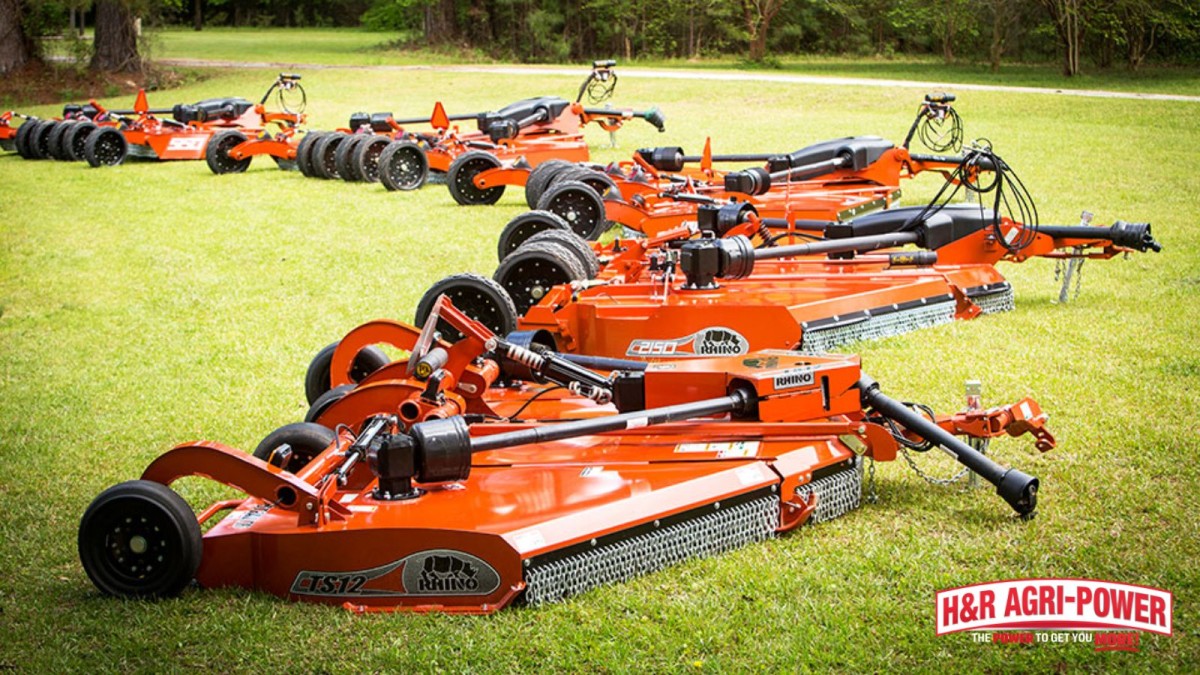
Bush hog maintenance is the scheduled process of cleaning, lubricating, inspecting, and repairing a rotary cutter to preserve its structural integrity, cutting performance, and operational safety across seasons of use.
This guide covers routine cleaning and inspection practices, proper lubrication techniques, blade maintenance and replacement, correct storage and winterization, preventive troubleshooting, manufacturer-recommended service intervals, and professional parts and service support.
Consistent cleaning removes corrosive debris from the deck, frame, and undercarriage, while frequent inspections of high-wear areas like driveline shields, skid shoes, and tailwheel assemblies catch developing problems before they escalate into costly repairs.
Lubrication at the right points with the right products protects gearboxes, U-joints, pivot tubes, and wheel hubs from friction damage and rust. Most manufacturers specify greasing key driveline components every eight operating hours, making a disciplined schedule essential.
Blade condition directly affects cut quality and gearbox longevity. Balanced, properly sharpened blades reduce vibration, while knowing when to replace a worn or cracked blade prevents damage to the blade carrier and surrounding components.
Storing a bush hog correctly between uses and during the off-season prevents condensation-driven corrosion, seized bearings, and degraded gearbox oil. Preparation steps like repacking wheel hubs and applying rust inhibitors protect idle equipment from hidden deterioration.
Proactive maintenance reduces overall repair costs significantly compared to reactive, run-to-failure approaches. Following your owner's manual for model-specific intervals and relying on genuine parts and qualified service support keeps your rotary cutter productive for years.
Why Is Regular Cleaning and Inspection Important for Bush Hog Longevity?
Regular cleaning and inspection is important for bush hog longevity because it prevents debris buildup, catches wear before it causes failures, and reduces long-term repair costs. The areas requiring the most attention and ideal inspection frequency are covered below.
What Areas of a Bush Hog Should Be Inspected Most Frequently?
The areas of a bush hog that should be inspected most frequently include:
-
Deck underside: Grass, mud, and crop residue trap moisture against metal surfaces, accelerating corrosion and restricting blade rotation.
-
Blades and blade bolts: Cracks, bends, and loose hardware create dangerous imbalances that transfer damaging vibrations into the gearbox.
-
Gearbox housing: Oil leaks or low fluid levels signal seal failures that, left unchecked, lead to costly internal damage.
-
Driveline and U-joints: Worn cross bearings and dry slip joints produce clicking or vibration during operation.
-
Tailwheel assembly: A seized or loose tailwheel causes uneven cutting height and places lateral stress on the hitch.
-
Safety shields and SMV emblem: Missing or damaged guards expose moving parts, and a dirty Slow Moving Vehicle emblem compromises road visibility.
According to John Deere guidelines for MX5, MX6, and MX7 rotary cutters, operators should clean the deck daily to prevent debris buildup and check the gear case oil level daily. Prioritizing these high-wear zones during every walkaround is one of the simplest ways to catch small problems before they become expensive repairs.
How Often Should Bush Hog Cleaning and Inspections Be Performed?
Bush hog cleaning and inspections should be performed on a tiered schedule based on operating hours and seasonal use.
-
Before every use: Walk around the unit, check for loose bolts, inspect blades, check gearbox oil level, inspect for seal leaks, and verify shield integrity.
-
Every 8 operating hours: Grease driveline slip joints, U-joints, and tailwheel pivot points.
-
Every 40 hours: Grease wheel hub bearings and leveling rod clevis.
-
Seasonally or before storage: Perform a full cleaning.
A case study published on ResearchGate demonstrated that condition-based maintenance on rotary machines can yield a 564% return on investment compared to a run-to-failure approach. Skipping even basic post-use cleaning invites corrosion that quietly shortens implement life between seasons. With consistent inspection habits in place, the next step is ensuring every grease point and oil reservoir receives proper lubrication.
How Can Proper Lubrication Help Your Bush Hog Last Longer?
Proper lubrication helps your bush hog last longer by reducing friction, preventing corrosion, and protecting critical drivetrain components from premature wear. The following subsections cover key lubrication points and the best lubricant types for rotary cutter maintenance.
What Lubrication Points Should Be Checked on a Bush Hog?
The lubrication points that should be checked on a bush hog include gearbox oil levels, driveline grease fittings, pivot points, and wheel hub bearings.
According to the Bush Hog 1815/11815 operator's manual, center and wing gearboxes require EP85W-140 oil with a capacity of 3 quarts and 6 ounces, and all grease points should use N.L.G.I #2 type grease. Beyond routine service intervals, preparation for extended storage demands extra attention. All pivot points should be lubricated and wheel hub bearings repacked before the off-season to prevent rust formation caused by condensation buildup.
Overlooking wheel hub bearings is one of the most common mistakes operators make, since damage from seized bearings often goes unnoticed until a costly failure occurs during peak mowing season.
What Types of Lubricants Are Best for Bush Hog Maintenance?
The best types of lubricants for bush hog maintenance are EP (extreme pressure) gear oils for gearboxes and N.L.G.I #2 consistency grease with performance-enhancing additives for all grease fittings.
Key lubricant categories for rotary cutters include:
-
EP gear oil (85W-140): Fills gearbox housings and withstands the high loads generated by PTO-driven blade carriers.
-
Lithium-based #2 grease with molybdenum disulfide (moly) additive: Woods Equipment specifies this formulation for all lubrication points, as the moly additive provides an extra layer of protection under heavy shear conditions.
-
General-purpose N.L.G.I #2 grease: Suitable for driveline U-joints, pivot points, and tailwheel assemblies when manufacturer specs do not call for moly additives.
Always consult your owner's manual before selecting a lubricant, because using the wrong viscosity or grease grade can void warranty coverage and accelerate component wear. With lubrication addressed, maintaining sharp, balanced blades is the next step toward extending implement life.
What Blade Maintenance Practices Extend the Life of a Bush Hog?
Blade maintenance practices that extend the life of a bush hog include routine sharpening, timely replacement, and regular visual inspections. The following subsections cover safe sharpening and replacement techniques, plus the warning signs that signal blades need attention.
How Do You Safely Sharpen or Replace Bush Hog Blades?
You safely sharpen or replace bush hog blades by following specific wear thresholds, edge profiles, and balance standards. Before any work begins, disconnect the PTO, lower the deck to the ground, and block it securely.
Replacement criteria:
-
Replace blades that are bent, cracked, or worn more than 1/2 inch deep into the leading edge at the lower bend.
-
Replace any blade showing visible stress fractures near the bolt hole.
Sharpening guidelines:
-
Grind the cutting edge to a 1/16-inch blunt edge rather than a razor edge; this preserves blade strength and resists premature dulling.
-
Follow the original factory bevel angle to maintain cutting efficiency.
According to Bush Hog's 1815/11815 operator manual, the weight difference between sharpened blades on the same carrier should not exceed 1 ounce, because imbalance transmits damaging vibrations directly into the gearbox. Checking balance after every sharpening session is one of the simplest ways to protect the most expensive component on the implement.
What Signs Indicate Bush Hog Blades Need Attention?
The signs that indicate bush hog blades need attention fall into visual, performance, and auditory categories.
-
Uneven cut height across the mowing path suggests one blade is shorter or more worn than its counterpart.
-
Ragged or torn grass tips instead of clean cuts point to a dull or damaged cutting edge.
-
Excessive vibration felt through the tractor seat or PTO shaft often signals blade imbalance or a bent blade.
-
Visible nicks, cracks, or rounding along the leading edge confirm material loss beyond acceptable limits.
-
Increased fuel consumption or engine strain at normal RPM can indicate blades are working harder due to poor edge condition.
Catching these symptoms early prevents secondary damage to bearings, spindles, and the gearbox. With blades in proper condition, protecting your bush hog through correct storage becomes the next priority.
How Does Correct Storage of Your Bush Hog Prevent Premature Wear?
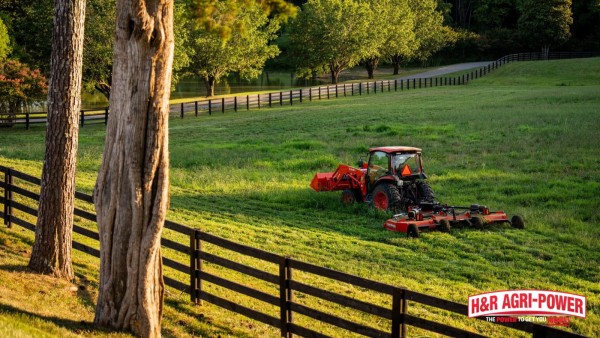
Correct storage of your bush hog prevents premature wear by shielding components from moisture, UV exposure, and corrosion that degrade metal and seals between uses. Proper shelter and off-season preparation protect against the most common causes of non-operational damage.
Where and How Should You Store a Bush Hog Between Uses?
You should store a bush hog in a dry, covered shelter such as a barn or equipment shed to minimize exposure to rain, humidity, and direct sunlight. Moisture is the primary driver of rust on bare metal surfaces, deck seams, and pivot points during idle periods.
If indoor storage is unavailable, position the cutter on level ground and use a weather-resistant tarp secured tightly to prevent wind-driven rain from reaching the deck and gearbox housing. Equipment stored outdoors is subject to accelerated degradation, so according to Team Tractor, applying a rust inhibitor or touch-up enamel to bare metal areas immediately after cleaning helps maintain structural integrity.
Before parking between uses, lower the deck fully or place it on blocks to relieve hydraulic pressure on lift cylinders. Even short-term neglect of storage conditions can introduce moisture into bearings and seals, creating problems that only surface during the next mowing season.
What Preparations Are Needed for Off-Season Bush Hog Storage?
The preparations needed for off-season bush hog storage include thorough cleaning, lubrication of all pivot points, gearbox oil service, and corrosion protection of exposed metal.
Key off-season storage steps:
-
Pressure-wash the entire deck, removing caked grass, soil, and debris that trap moisture against painted surfaces.
-
Lubricate every grease fitting and repack wheel hub bearings to prevent rust from condensation buildup, as recommended by Woods Equipment.
-
Inspect blades, bolts, and safety shields; replace any damaged hardware before storing so the unit is ready for spring.
-
Apply rust inhibitor or touch-up paint to any scratched or bare metal areas.
Skipping these steps often leads to seized bearings, corroded gearbox internals, and cracked seals that cost far more to repair than the time spent on proper winterization. With storage handled correctly, seasonal maintenance keeps your bush hog ready for reliable fieldwork.
What Preventive Steps Help Avoid Common Bush Hog Problems?
Preventive steps that help avoid common bush hog problems include recognizing early warning signs and staying ahead of scheduled maintenance tasks. The following subsections cover how to spot issues before they escalate and which routine tasks deliver the greatest return.
How Can You Identify Early Warning Signs of Bush Hog Issues?
You can identify early warning signs of bush hog issues by monitoring for changes in performance, sound, and physical condition during and after each use. Key indicators to watch for include:
-
Unusual vibration or shaking, which often signals unbalanced or damaged blades.
-
Grinding or knocking noises from the gearbox area, suggesting low oil or worn internal components.
-
Excessive grease leaking from seals, indicating potential bearing failure.
-
Uneven cutting patterns, pointing to blade wear or a bent blade carrier.
-
Difficulty engaging the PTO or a slipping clutch, which may mean friction plates have seized from inactivity.
Catching these symptoms early prevents minor wear from escalating into costly structural damage. Operators who perform a brief walk-around before and after mowing consistently catch problems at their least expensive stage.
What Maintenance Tasks Reduce the Risk of Major Repairs?
Maintenance tasks that reduce the risk of major repairs center on consistent, scheduled servicing of high-wear components. According to a report by Reliability.com, eliminating chronic equipment failures through proactive maintenance can reduce overall maintenance costs by 40% to 60%.
The highest-impact preventive tasks include:
-
Greasing all driveline and pivot points at manufacturer-specified intervals.
-
Checking and maintaining gearbox oil levels before each use.
-
Inspecting blades for cracks, bending, or excessive edge wear after every session.
-
Verifying blade bolt torque to prevent loosening under vibration.
-
Running in the slip clutch periodically to keep friction plates from seizing.
Corrective repairs on agricultural equipment consistently cost more than preventive maintenance, making a proactive schedule one of the most cost-effective investments an operator can make. With a reliable maintenance routine established, following manufacturer-specific guidelines ensures each task is performed correctly.
How Do Manufacturer Recommendations Impact Bush Hog Maintenance Plans?
Manufacturer recommendations impact bush hog maintenance plans by establishing precise service intervals, lubricant specifications, and inspection schedules tailored to each model's design. The following subsections cover why the owner's manual matters and where to locate model-specific guidelines.
Why Should You Follow the Bush Hog Owner's Manual for Maintenance Intervals?
You should follow the bush hog owner's manual for maintenance intervals because it provides model-specific schedules engineered to prevent premature component failure. For Bush Hog 1815/11815 models, the manufacturer recommends lubricating the input driveline, telescoping tubes, and shield bearings every 8 hours, while wheel hubs require service every 120 hours. These intervals are not arbitrary; they reflect factory testing under real-world cutting conditions. Skipping or stretching a scheduled grease cycle, even by a few hours, allows friction and debris to accelerate wear on bearings and driveline components. Following the manual also protects warranty coverage, since undocumented deviations from prescribed intervals can complicate claims.
Where Can You Find Manufacturer-Specific Maintenance Guidelines?
Manufacturer-specific maintenance guidelines can be found in three primary locations:
-
Printed owner's manual: Included with every new rotary cutter at the time of purchase, containing lubrication charts, torque specs, and interval tables.
-
Manufacturer websites: Brands like Bush Hog publish downloadable PDF operator manuals organized by model number and serial number range.
-
Authorized dealer service departments: Dealership technicians maintain updated service documentation and can clarify recommendations for older or discontinued models.
Always confirm you are referencing the correct manual revision for your specific serial number, since interval requirements and fluid specifications can change between production runs. With manufacturer guidelines in hand, the next step is pairing that knowledge with professional parts and service support.
How Should You Approach Bush Hog Maintenance with Professional Parts and Service Support?
You should approach bush hog maintenance with professional parts and service support by combining routine owner-performed tasks with dealer expertise for complex repairs. The sections below cover how H&R Agri-Power can help and the key maintenance takeaways from this guide.
Can Professional Inspections and Genuine Parts from H&R Agri-Power Help Extend Bush Hog Life?
Yes, professional inspections and genuine parts from H&R Agri-Power can help extend bush hog life by ensuring critical components meet original specifications. While daily greasing and blade checks are well-suited for owner maintenance, gearbox rebuilds and structural repairs demand professional tooling and training.
H&R Agri-Power, with over 50 years of experience and 21 locations across Kentucky, Tennessee, Illinois, Alabama, Indiana, and Mississippi, stocks OEM-quality parts and provides the technical service capacity to handle maintenance tasks that go beyond routine upkeep.
What Are the Key Takeaways About Essential Bush Hog Maintenance Tips for Longer Implement Life We Covered?
The key takeaways about essential bush hog maintenance tips for longer implement life we covered are:
-
Clean and inspect the deck, skid shoes, and structural components after every use to catch damage early.
-
Grease all lubrication points, including driveline U-joints and tailwheel hubs, at manufacturer-specified intervals.
-
Sharpen or replace blades before they become cracked, bent, or excessively worn, and always maintain proper blade balance.
-
Store your bush hog in a covered area with freshly lubricated pivot points and repacked wheel bearings to prevent off-season corrosion.
-
Follow your owner's manual for fluid types, torque specs, and service schedules specific to your model.
-
Partner with a trusted dealer for complex repairs, genuine parts, and professional inspections that protect your investment.
Consistent, proactive maintenance is the most cost-effective strategy for maximizing implement life. H&R Agri-Power is ready to support every stage of that process.