

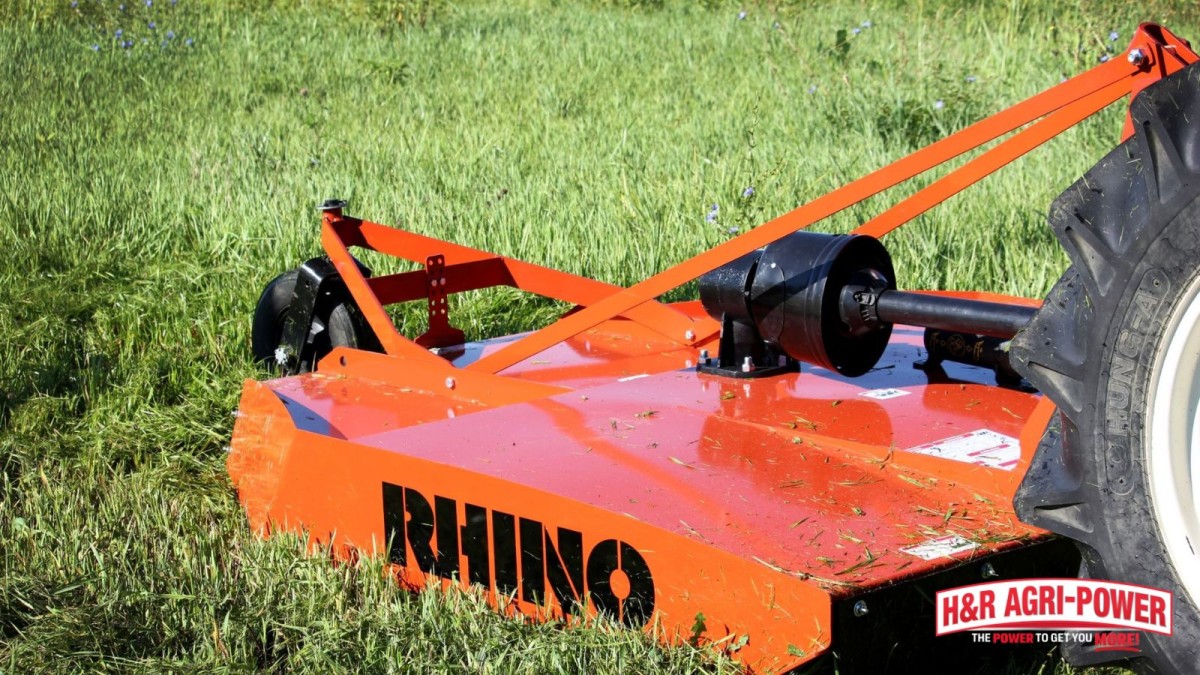
A Bush hog problem is any mechanical failure or performance issue that prevents a rotary cutter from mowing cleanly and efficiently. These problems range from dull blades and engagement failures to gearbox leaks and PTO driveline vibrations.
This guide covers blade and engagement troubleshooting, gearbox and driveline diagnostics, preventive maintenance practices, environmental and terrain considerations, and safety precautions for repairs.
Blade wear, improper engagement, and uneven cutting patterns are among the first issues operators notice. Dull or damaged blades leave streaks of uncut grass, while a cutter that won't spin often points to PTO shaft or clutch connection failures.
Gearbox and driveline malfunctions can escalate quickly from minor oil leaks to complete power transfer failure. Recognizing early symptoms like unusual noise, excessive vibration, or fluid pooling under the gearbox helps prevent costly breakdowns.
Routine maintenance on bolt torque, oil levels, and blade condition directly extends equipment life and reduces repair frequency. Consistent inspection schedules matter more as parts and labor costs for agricultural equipment continue to climb.
Terrain, vegetation density, and moisture levels all influence how a bush hog performs. Rocky fields risk blade and deck damage, tall overgrowth strains the driveline, and wet conditions reduce cut quality while increasing mechanical stress.
Safe repair practices protect operators from PTO wrap hazards and debris strikes. Proper PPE, equipment lockout procedures, and bystander clearance are essential during any inspection or maintenance task.
What Issues Frequently Cause a Bush Hog to Stop Working Properly?
Issues that frequently cause a bush hog to stop working properly include worn or damaged blades, PTO engagement failures, and uneven cutting patterns. The following sections cover blade warning signs, engagement troubleshooting, and streak diagnosis.
What Are Signs That Indicate a Problem With Bush Hog Blades?
Signs that indicate a problem with bush hog blades include visible nicks, cracks, bending, and excessive vibration during operation. A blade that has struck rocks or solid debris often develops chips along the cutting edge, throwing the assembly off balance. According to UC Agriculture and Natural Resources, both rotary and flail mowers can be damaged by striking solid materials during the mowing process.
Uneven cutting height across the swath is another reliable indicator. When one blade is shorter or bent relative to the other, the cutter leaves distinct ridges. Unusual rattling or metallic clanging at operating speed typically points to a loose blade bolt or a cracked blade carrier. Catching these symptoms early prevents costlier damage to the gearbox output shaft and spindle bearings.
How Do You Fix a Bush Hog That Won't Engage or Spin?
A bush hog that won't engage or spin is typically fixed by inspecting the PTO driveline, clutch mechanism, and gearbox input shaft in sequence. Start with these checks:
-
Confirm the tractor PTO lever is fully engaged and the PTO speed matches the cutter's rated RPM.
-
Inspect the shear bolt or slip clutch for failure; a broken shear bolt prevents blade rotation by design.
-
Examine the PTO shaft U-joints for seized cross bearings or excessive play.
-
Verify the gearbox input shaft turns freely by hand when the PTO is disconnected.
Since the first Bush Hog Model 12 rotary cutter went into production in 1951, driveline designs have evolved considerably, yet shear bolt and U-joint failures remain the most common engagement problems across all models.
What Causes Bush Hogs to Leave Uncut Grass or Streaks?
Bush hogs leave uncut grass or streaks when ground speed is too fast, cutting height is set incorrectly, or blades are dull. Traveling faster than the blade tip speed can clear results in strips of standing vegetation between passes.
Common causes include:
-
Dull or unevenly worn blades that tear rather than cut cleanly.
-
Cutting height set too low, causing the deck to ride on the runner shoes and scalp unevenly.
-
Excessive overlap or insufficient overlap between passes.
-
Attempting to cut wet grass, which clumps under the deck and blocks discharge.
According to Ohio State University Extension, keeping the mower just high enough to avoid riding on the runner shoes prevents excessive wear and maintains a consistent cutting plane. Matching ground speed to vegetation density is often the simplest correction operators overlook.
With cutting issues identified, understanding gearbox and driveline problems helps address deeper mechanical failures.
How Can You Diagnose and Fix Gearbox and Driveline Problems in Bush Hogs?
You can diagnose and fix gearbox and driveline problems in bush hogs by identifying early warning symptoms, inspecting seals and fluid levels, and addressing PTO shaft issues promptly. The following subsections cover specific malfunction signs, oil leak repairs, and driveline noise solutions.
What Symptoms Signal a Gearbox or Driveline Malfunction?
The symptoms that signal a gearbox or driveline malfunction include unusual grinding or whining noises, excessive vibration through the tractor, metal shavings in the gearbox oil, and sluggish blade response under load. A rotary cutter gearbox transfers power from the tractor to the cutting blades through an input shaft, gears, and an output shaft; failure at any point in this chain produces distinct warning signs.
Watch for these indicators:
-
Grinding or clunking sounds during engagement suggest worn or chipped gear teeth.
-
Excessive heat radiating from the gearbox housing points to low lubricant or bearing failure.
-
Metal particles visible in drained oil confirm internal component wear.
-
Blade speed that drops noticeably under light load indicates slipping gears or a failing input shaft.
Catching these symptoms early prevents catastrophic gearbox failure, which is one of the most expensive rotary cutter repairs.
How Do You Check and Fix Gearbox Oil Leaks on a Bush Hog?
You check and fix gearbox oil leaks on a bush hog by inspecting all seals, gaskets, and the drain plug while the unit is clean and stationary. Start by pressure-washing the gearbox housing so fresh leaks become visible during operation.
Common leak sources and fixes include:
-
Output shaft seal: The most frequent failure point. Replace the seal if oil traces appear around the blade spindle area.
-
Input shaft seal: Inspect where the driveline connects. A worn seal here allows oil to migrate up toward the PTO shaft.
-
Gasket surfaces: Tighten housing bolts to spec; replace the gasket if the mating surface shows warping.
-
Drain and fill plugs: Worn or cross-threaded plugs leak steadily. Replace with OEM-spec plugs.
According to Bush Hog, blade carrier and blade bolt torque should be rechecked every 50 hours in severe cutting conditions, and the same interval applies well to gearbox hardware inspections.
What Should You Do If the PTO Shaft or Driveline Is Noisy or Vibrating?
You should first shut down the tractor and inspect the PTO shaft, U-joints, and driveline shields if the PTO shaft or driveline is noisy or vibrating. PTO driveline vibration typically traces back to worn U-joints, an out-of-phase driveline, or operating at excessive angles.
Follow this diagnostic sequence:
-
Check U-joints for play by gripping each yoke and testing for looseness.
-
Verify the driveline is properly phased, with both yoke ears aligned on the same plane.
-
Inspect the PTO shaft splines for wear or corrosion that allows lateral movement.
-
Confirm the driveline shield rotates freely and is not binding against the shaft.
According to Penn State Extension, the PTO driveline is one of the oldest and most common farm machinery hazards, classified as a mechanical wrap point. Never inspect a spinning driveline; always disengage the PTO and shut off the engine first. Replacing worn U-joints and correcting shaft alignment resolves most vibration issues without full driveline replacement.
With gearbox and driveline problems addressed, consistent preventive maintenance keeps these components reliable season after season.
What Are the Most Effective Ways to Prevent Bush Hog Problems?
The most effective ways to prevent bush hog problems include consistent scheduled maintenance, proper torque checks, and avoiding operation in wet conditions. The following subsections cover maintenance frequency and the specific tasks that protect blades and gearboxes.
How Often Should You Perform Maintenance on a Bush Hog?
You should perform maintenance on a bush hog before each use for basic checks and at regular hourly intervals for deeper inspections. A pre-mow walkaround catches loose bolts, damaged blades, and low gearbox oil before they become costly failures.
Key maintenance intervals include:
-
Inspect blades, blade bolts, gearbox oil level and condition, and the stump jumper before every mowing session.
-
Grease all fittings on the driveline, hitch points, and blade carrier assemblies per the operator's manual schedule.
-
Recheck blade carrier and blade bolt torque every 50 hours in severe cutting conditions, as specified by Bush Hog.
Timing matters beyond the clock, too. According to Illinois Extension, it is never advisable to mow when the grass is wet, as moisture degrades cutting performance and accelerates buildup on the deck and blades. Waiting for dry conditions is one of the simplest preventive steps operators overlook.
What Maintenance Tasks Extend the Life of Bush Hog Blades and Gearboxes?
The maintenance tasks that extend the life of bush hog blades and gearboxes focus on sharpening, balancing, proper torque, and clean oil. Blades dull quickly in heavy brush, and running them past their service life stresses the entire drivetrain.
Essential tasks include:
-
Sharpen or replace blades once cutting edges show visible rounding or nicks.
-
Balance blades after sharpening to prevent vibration that damages gearbox bearings.
-
Torque blade bolt lock nuts to the manufacturer's specification.
-
Drain and refill gearbox oil at the interval specified in your operator's manual, using the correct grade.
-
Inspect gearbox seals for leaks and replace them at the first sign of oil weeping.
Proactive blade and gearbox care is the single most cost-effective habit for avoiding mid-season breakdowns. With preventive maintenance covered, understanding how environmental and operating conditions affect performance helps operators adapt their approach further.
How Do Environmental and Operating Conditions Affect Bush Hog Performance?
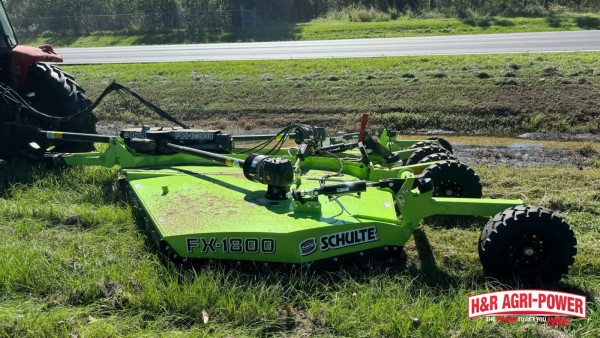
Environmental and operating conditions affect bush hog performance by influencing cutting difficulty, wear rates, and mowing frequency. Tall vegetation, rocky terrain, and wet ground each create distinct challenges covered below.
What Role Do Tall Weeds, Rocky Fields, or Wet Conditions Play in Cutter Issues?
Tall weeds, rocky fields, and wet conditions play a significant role in cutter issues by increasing mechanical stress, causing impact damage, and reducing cut quality. Each condition creates specific problems:
-
Tall, dense weeds overload the driveline and gearbox, forcing the blades to work harder and increasing heat buildup in the system.
-
Rocky fields expose blades and the underside of the deck to direct impact. According to the University of California Agriculture and Natural Resources, both rotary and flail mowers can be damaged by striking solid materials during the mowing process.
-
Wet conditions cause grass and debris to clump under the deck, restricting blade rotation and producing uneven cuts.
Operating in these conditions without adjustments accelerates wear on blades, bearings, and gearbox components, turning a routine mowing pass into a costly repair situation.
How Should You Adjust Usage in Different Terrains to Avoid Problems?
You should adjust usage in different terrains by modifying cutting height, ground speed, and mowing frequency to match field conditions. According to a Florida Department of Transportation turf management guide, plant growth and mowing frequency are influenced by environmental factors such as light, temperature, moisture, and edaphic conditions.
Practical adjustments include:
-
Raise the cutting height in rocky or uneven terrain to reduce blade contact with obstacles.
-
Reduce ground speed in tall, thick vegetation so blades can clear material without stalling.
-
Mow more frequently during peak growing seasons to prevent overgrowth that strains the drivetrain.
-
Avoid mowing in wet conditions whenever possible, as saturated ground increases rutting risk and clumping.
Matching your approach to the terrain is one of the simplest ways to prevent premature wear, yet it remains one of the most overlooked practices among operators. With operating conditions managed, following proper safety precautions during repairs becomes the next priority.
What Safety Precautions Should Be Taken When Repairing or Maintaining a Bush Hog?
Safety precautions for repairing or maintaining a bush hog include wearing proper PPE, ensuring the equipment is fully shut down before any inspection, and maintaining a clear zone around the machine during operation. The following subsections cover recommended gear and accident prevention practices.
What Personal Protective Gear Is Recommended for Working With Bush Hogs?
The personal protective gear recommended for working with bush hogs includes safety glasses, hearing protection, work gloves, and leather boots. According to Ohio State University Extension, this basic PPE is recommended for all mowing activities involving rotary cutting equipment. Hearing protection becomes especially important when operating equipment that exceeds 85 decibels, a threshold most rotary cutters surpass during use. Long pants and close-fitting clothing should also be worn to reduce snag risks near moving components. Skipping any single piece of this gear during maintenance or operation significantly raises the chance of injury.
How Can You Prevent Accidents During Inspection and Repairs?
You can prevent accidents during inspection and repairs by fully disengaging the PTO, shutting off the tractor engine, and removing the key before approaching the cutter deck. As Herb Willcutt, agricultural engineer and safety specialist with the Mississippi State University Extension Service, stated, "No one needs to be anywhere close to the operator while a rotary cutter is being used." This principle extends to maintenance: always ensure bystanders are clear of the work area. Before inspecting blades or driveline components, wait for all rotating parts to stop completely. Block the cutter deck so it cannot drop unexpectedly, and never rely solely on hydraulic pressure to hold it in a raised position. Consistent adherence to shutdown procedures is the single most effective way to prevent serious repair-related injuries. With these safety habits established, professional support can further reduce risk when complex issues arise.
How Can H&R Agri-Power's Services Help With Bush Hog Issues?
H&R Agri-Power's services help with bush hog issues through professional equipment inspections, genuine parts availability, and expert guidance across 21 locations in six states.
Can Equipment Inspection and Parts Services From H&R Agri-Power Help Resolve Bush Hog Problems?
Yes, equipment inspection and parts services from H&R Agri-Power can help resolve bush hog problems. With over 50 years of experience as an agricultural equipment dealer, H&R Agri-Power provides thorough inspections that identify worn components before they cause costly failures. A rotary cutter gearbox, for example, transfers power from the tractor to the cutting blades through an input shaft, gears, and an output shaft; catching wear in these components early prevents field breakdowns.
Timely access to replacement parts matters more than ever. According to a 2024 Investigate Midwest report, the costs of parts and labor for agriculture machines and equipment spiked by 41% since 2020 alone. H&R Agri-Power's 21 locations across Kentucky, Tennessee, Illinois, Alabama, Indiana, and Mississippi keep parts accessible, reducing the downtime that drives up operating costs. For operators dealing with persistent blade, gearbox, or driveline issues, professional diagnosis at an H&R Agri-Power service department often resolves problems faster than trial-and-error repairs.
What Are the Key Takeaways About Common Bush Hog Problems and How to Fix Them We Covered?
The key takeaways about common bush hog problems and how to fix them are:
-
Dull, bent, or improperly torqued blades cause uneven cutting, streaks, and excessive vibration.
-
Gearbox failures often start with oil leaks, unusual noises, or backlash outside normal specifications.
-
PTO shaft and driveline issues typically stem from worn universal joints, misalignment, or operating at excessive angles.
-
Preventive maintenance, including regular fluid checks, blade inspections, and bolt torque verification, reduces most common failures.
-
Environmental conditions such as wet grass, rocky terrain, and tall weeds accelerate component wear when operating adjustments are not made.
-
Proper safety precautions, including PPE and PTO shield compliance, protect operators during repairs.
H&R Agri-Power is ready to support every stage of bush hog ownership, from selecting the right rotary cutter to sourcing parts and providing expert service when problems arise.