

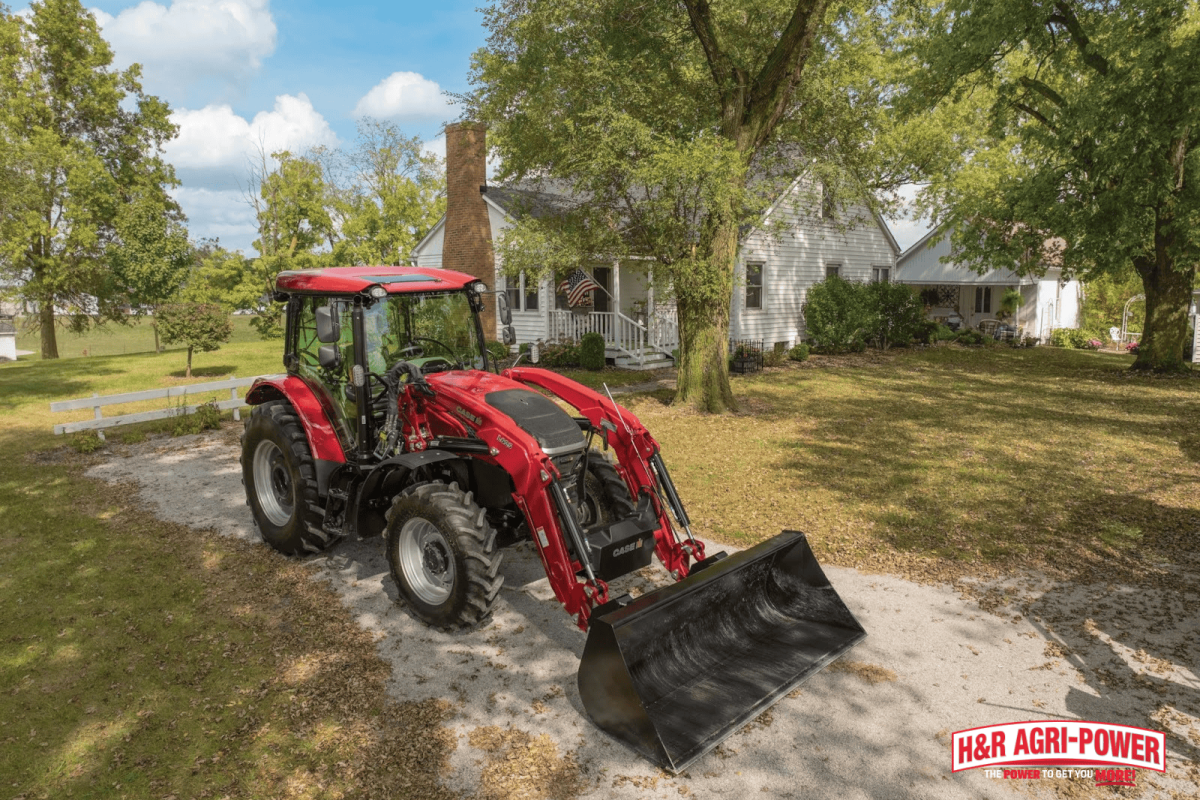
Your Case IH tractor is more than just machinery; it's the backbone of your farm. On Alabama's red clay fields and under its intense summer sun, dependable equipment means everything. When your tractor is ready to work day after day, you avoid costly breakdowns, maintain productivity during critical planting and harvest windows, and ultimately protect your investment.
Even short delays can have real consequences. Research from the University of Minnesota Extension shows that soybean yield potential can drop by about 1% for every day planting is delayed through June, underscoring just how costly downtime can be. In this article, we'll walk through practical steps and insider tips to keep your Case IH tractor running smoothly across Alabama's rural farms.
The Role of Reliable Equipment in Alabama Farming
Alabama's unique climate and terrain present challenges that make equipment reliability essential. Hot, humid summers stress engines and cooling systems, while wet winters and the state's famous red clay can accelerate wear on tires and undercarriage components.
Montgomery’s climatology records from the National Weather Service confirm that the region endures long, humid summers with average highs in the 90s°F, conditions that put added heat load on engines and cooling systems. When your tractor unexpectedly breaks down in these conditions, every lost hour can delay planting or Case IH harvesting, two activities tightly bound to the clock.
Operating equipment in these conditions requires machines that can withstand heat, moisture, and soil abrasiveness without losing efficiency. Reliable Case IH tractors contribute directly to higher crop yields and improved farm productivity. This isn't just about convenience; it's about safeguarding your farm's profitability and livelihood.
Why Does Tractor Reliability Matter?
Think of your tractor as the heart of your operation. Its performance impacts fuel costs, labor efficiency, and even soil health. A well-maintained tractor reduces downtime during crucial farming periods and keeps your fields productive, regardless of Alabama's changing seasons.
Extension research identifies machinery and equipment as major cost items, with repair and maintenance costs rising as machines age and accrue hours, making reliability central to keeping per-acre costs down.
How does Alabama's climate affect tractor performance?
Alabama's hot summers can cause engines to overheat if cooling systems aren't properly maintained, while the state's wet winters increase mud and debris exposure, leading to faster wear on tires and undercarriage components. Proper maintenance tailored to these conditions is essential for lasting tractor performance.
Getting to Know Your Case IH Tractor
Successful tractor maintenance starts with a solid understanding of your equipment. The Case IH operator's manual is an invaluable resource that provides detailed manufacturer specifications, recommended maintenance schedules, and guidance on using the right fluids and parts. Familiarizing yourself with this manual is the first step toward keeping your tractor running at peak performance across Alabama's diverse farming conditions.
Following Hour-Based Service Intervals
Case IH recommends hour-based service intervals, commonly at 50, 100, 250, 500 hours, and beyond, because, like many agricultural machinery models, repair and maintenance costs increase with accumulated hours of use.
In A Standard Model for Repair Costs of Agricultural Machinery, Rotz (1987) demonstrates that machines have near-zero R&M costs in early hours. Still, repair frequency and cost rise as hours accrue, especially past the mid-life of the machine. Typical tasks at these intervals include oil and filter changes, hydraulic system inspections, fuel system checks, and calibrations of electrical or electronic components. Following these scheduled intervals helps catch wear before it escalates into high-cost failures during peak work periods.
The Importance of Using Manufacturer Fluids and Parts
Preserving your tractor's reliability and peak performance starts with using genuine Case IH fluids and Original Equipment Manufacturer (OEM) parts. These components undergo rigorous testing to meet precise engineering standards, guaranteeing full compatibility with your tractor's complex systems. For instance, Case IH's proprietary lubricants are specially formulated to handle Alabama's extreme heat and high humidity, providing essential protection for your engine, transmission, and hydraulic systems against premature wear.
While aftermarket or generic substitutes might seem like a cost-saving option initially, they often fall short in performance and durability. In some cases, using non-approved fluids or parts can void your tractor’s warranty, lead to increased maintenance expenses, and cause unexpected equipment failures, risks that no Alabama farmer can afford. By choosing genuine fluids and OEM components, you not only safeguard your tractor's long-term value but also ensure it remains operational and efficient through every demanding season.
Why are genuine Case IH parts important for maintenance?
Genuine Case IH parts are specifically engineered to work seamlessly with your tractor. They maintain warranty protection, improve reliability, and withstand Alabama's environmental stresses better than generic alternatives.
Daily Checks for Smooth Operation
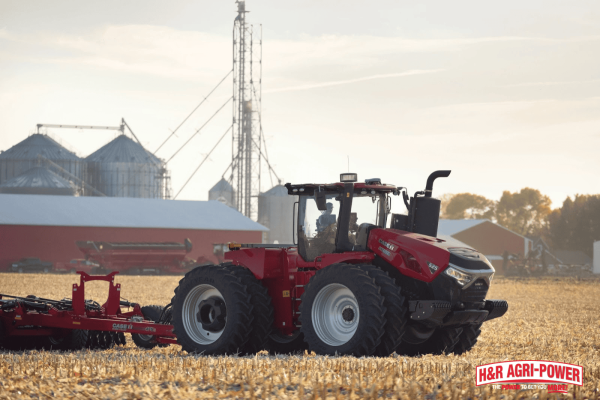
A simple daily routine can prevent unexpected breakdowns. Before you start the day's work, take a few minutes for a walk-around inspection. University operator checklists recommend these pre-operation inspections as standard best practice, since catching leaks, loose bolts, or low fluid levels before heading into the field is one of the most effective ways to prevent downtime and accidents.
What Should You Look For?
-
Fluids: Check engine oil, coolant, and hydraulic fluid levels to avoid overheating or hydraulic failures.
-
Tires: Inspect for correct pressure, cuts, or excessive wear, especially on Alabama's challenging soils.
-
Battery: Ensure terminals are clean and connections are tight to avoid starting issues.
-
Lights and Safety: Confirm that lights, warning signals, and safety features like the PTO (power take-off) are functioning correctly.
These small checks can identify leaks, loose bolts, or worn parts before they cause costly downtime in the field.
How often should daily tractor checks be performed?
Daily checks should be performed every morning before beginning work. This routine helps catch issues early and keeps your tractor ready for Alabama's demanding farming tasks. Extension training materials across the U.S. echo this advice, recommending daily pre-operation inspections as a standard step to ensure equipment is safe, reliable, and prepared for the day ahead.
Weekly and Monthly Upkeep You Can't Skip
Beyond daily inspections, weekly and monthly maintenance tasks keep your tractor in peak condition. Safety and extension programs consistently emphasize that these periodic routines, servicing air and fuel filters, greasing moving joints, checking hydraulic hoses, and inspecting belts and wiring, are essential to prevent avoidable failures and reduce the risk of unscheduled downtime.
Essential Tasks Include:
-
Air and Fuel Filters: Regularly clean or replace these to ensure your engine gets clean air and fuel flow, which is critical when working in dusty Alabama fields.
-
Greasing: Lubricate moving parts like joints, linkages, and bearings to prevent wear and tear. A grease gun is an indispensable tool here.
-
Hydraulic System: Check hoses for cracks or leaks and top off fluids as needed to keep your tractor's hydraulics responsive.
-
Belts and Wiring: Inspect for cracks, fraying, or looseness that could lead to unexpected failures.
Maintaining a monthly logbook or digital record of these tasks helps you track service and anticipate upcoming maintenance.
What happens if air filters are neglected?
Clogged air filters restrict airflow, causing engines to run inefficiently and potentially leading to overheating or engine damage, especially problematic in Alabama's dusty environments.
Preparing for Each Farming Season
Alabama's farming calendar brings changing demands that directly impact how you maintain your Case IH tractor throughout the year. Tailoring your maintenance routine to the specific needs of each season helps keep your equipment reliable and ready for the hard work ahead.
Spring: Prepping for Planting
As planting season approaches, it's crucial to thoroughly inspect and service your tractor to avoid costly delays. Start by flushing the cooling system to prevent overheating during warmer months. Change the engine oil and replace filters to ensure optimal performance. Don’t overlook tire care; proper inflation adjusted to field conditions can improve traction and reduce soil compaction.
Summer: Managing Heat and Dust
The intense Alabama summer heat puts extra stress on tractor cooling systems. Regularly cleaning radiators and monitoring coolant levels prevents overheating that can damage engines. Dust is another primary concern; keeping air intakes and filters clean helps maintain engine health and performance during dusty field operations.
Fall: Ready for Harvest
Harvest demands your tractor's peak performance and reliability. It's essential to verify that all critical systems, such as the PTO (power take-off), hydraulics, and brakes, are functioning flawlessly. Proper maintenance during this busy period helps ensure your equipment can handle heavy loads and long hours without unexpected breakdowns.
Winter: Storage and Protection
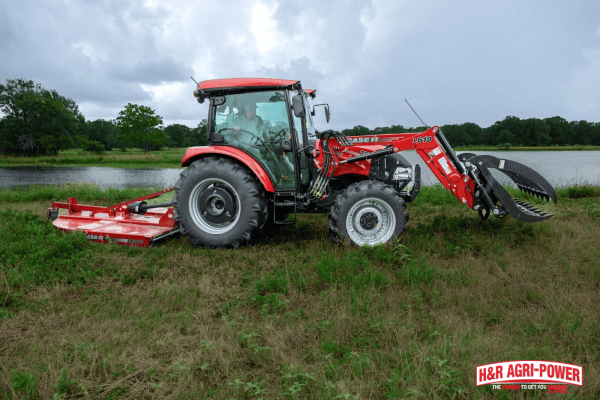
When the work slows down, proper storage preparation is essential to protect your tractor during the off-season. Add antifreeze to prevent freeze damage, thoroughly clean off debris that could cause corrosion, and store the tractor in a covered or sheltered area whenever possible. These steps help preserve your equipment and ensure a smooth start when the next season arrives.
Seasonal Maintenance Checklist for Alabama Farmers
|
Season |
Key Maintenance Tasks |
Notes |
|
Spring |
Cooling system flush, oil/filter change |
Prepare for planting season |
|
Summer |
Radiator cleaning, dust filter checks |
Prevent overheating |
|
Fall |
PTO and brake inspection |
Ensure harvest readiness |
|
Winter |
Antifreeze top-off, thorough cleaning |
Protect during storage |
How does seasonal maintenance improve tractor lifespan?
Seasonal maintenance addresses specific environmental stresses and farming demands, reducing wear and breakdowns. It ensures your tractor is ready for the rigors of each phase in Alabama's farming calendar. Industry research and ASABE standards reinforce this approach, showing that planned, preventive maintenance not only boosts machine availability but also reduces failure rates, directly supporting longer equipment life and greater reliability in the field.
Protecting Tires, Tracks, and Undercarriage
Alabama's diverse terrain can be harsh on tires and tracks, making proper care essential to extend their lifespan and protect your fields. Well-maintained tires and tracks not only enhance traction but also play a crucial role in reducing soil compaction, which directly impacts crop yields.
Extension experts stress that proper tire inflation is one of the most effective ways to achieve this. Penn State highlights its role in minimizing both compaction and fuel use. At the same time, NRCS guidance recommends flotation or traffic setups with inflation kept below about 18 psi on lanes to further reduce compaction risk.
Tire Care Tips
Adjusting tire inflation to match the load and soil conditions is vital. For example, Alabama's signature red clay requires different pressure settings than sandy or loamy soils to optimize traction and minimize soil disturbance. Regularly inspecting tire treads and replacing worn tires promptly ensures your tractor maintains the grip needed for safe and efficient operation.
Track and Undercarriage Maintenance
If your tractor uses tracks, keeping track tension correctly adjusted prevents premature wear and mechanical issues. Additionally, routine cleaning of the undercarriage removes mud, debris, and residues that can accelerate deterioration. Maintaining a clean and well-tensioned undercarriage safeguards your investment and keeps your tractor ready for demanding fieldwork.
Proper tire and track care not only protects your equipment but also contributes to healthier soil, helping maintain productivity on your Alabama farm season after season.
Why is tire pressure adjustment necessary for Alabama soil?
Different soils affect tire performance and soil compaction. Adjusting pressure optimizes traction and minimizes damage to Alabama's sensitive farmland soils.
Common Maintenance Mistakes Farmers Make
Even the most experienced farmers can fall into maintenance pitfalls that end up costing time and money. Being aware of these common errors can help you avoid them and keep your Case IH tractor running reliably.
-
Skipping or delaying maintenance often leads to costly repairs and unexpected breakdowns.
-
Busy farming schedules can cause routine checks to be overlooked, increasing the risk of mechanical failures.
-
Ignoring warning signs such as leaks, unusual noises, or clogged filters allows small issues to worsen.
-
Using incorrect fluids or aftermarket parts may void warranties and cause engine or system damage.
-
Neglecting to keep detailed service records makes it difficult to track maintenance schedules and anticipate needed repairs.
Research in Farm Machinery Costs and Custom Rates (Purdue) shows that repair & maintenance costs form a major part of total operating costs, and that those costs tend to increase significantly with machine use, age, and lack of preventive upkeep, making consistent, scheduled maintenance (and good record-keeping) essential to controlling downtime and overall ownership cost.
How can neglecting maintenance impact tractor costs?
Neglect leads to premature wear, costly repairs, increased downtime, and ultimately a shorter equipment lifespan, significantly raising the total cost of ownership.
Keeping Your Tractor Farm-Ready with H&R Agri-Power
Maintaining your Case IH tractor in Alabama's harsh conditions doesn't have to be overwhelming. From daily checks to seasonal tune-ups and dealer-backed service, the proper care keeps your equipment performing when it matters most.
H&R Agri-Power is here to support your farm with expert parts, certified technicians, and maintenance programs tailored to your needs. Don't wait for a breakdown, partner with us to keep your tractor ready and your farm thriving.
Reach out today to learn how we can help you maintain your Case IH tractor for the long haul. Reliable equipment is the heart of a successful Alabama farm, and we want to help you keep it that way.
Frequently Asked Questions (FAQs)
How often should I perform maintenance on my Case IH tractor?
Daily inspections before use, weekly greasing and filter checks, plus hour-based service intervals (e.g., every 50, 100 hours) keep your tractor in top shape.
What fluids are best for my tractor in Alabama's climate?
Using genuine Case IH oils and coolants designed for heat and humidity protects engine parts and cooling systems during Alabama's hot summers.
Can I perform maintenance myself, or should I use a dealer?
Basic daily and weekly tasks can be done on-farm, but scheduled services, diagnostics, and repairs are best handled by certified technicians at dealers like H&R Agri-Power.
How do I know if my tractor tires are correctly inflated?
Check the tire sidewall for recommended PSI based on load and soil type, and inspect regularly for wear and damage.
What is the biggest mistake farmers make in tractor maintenance?
Delaying service and ignoring early warning signs, such as leaks, unusual noises, or warning lights, often leads to costly repairs down the line.