

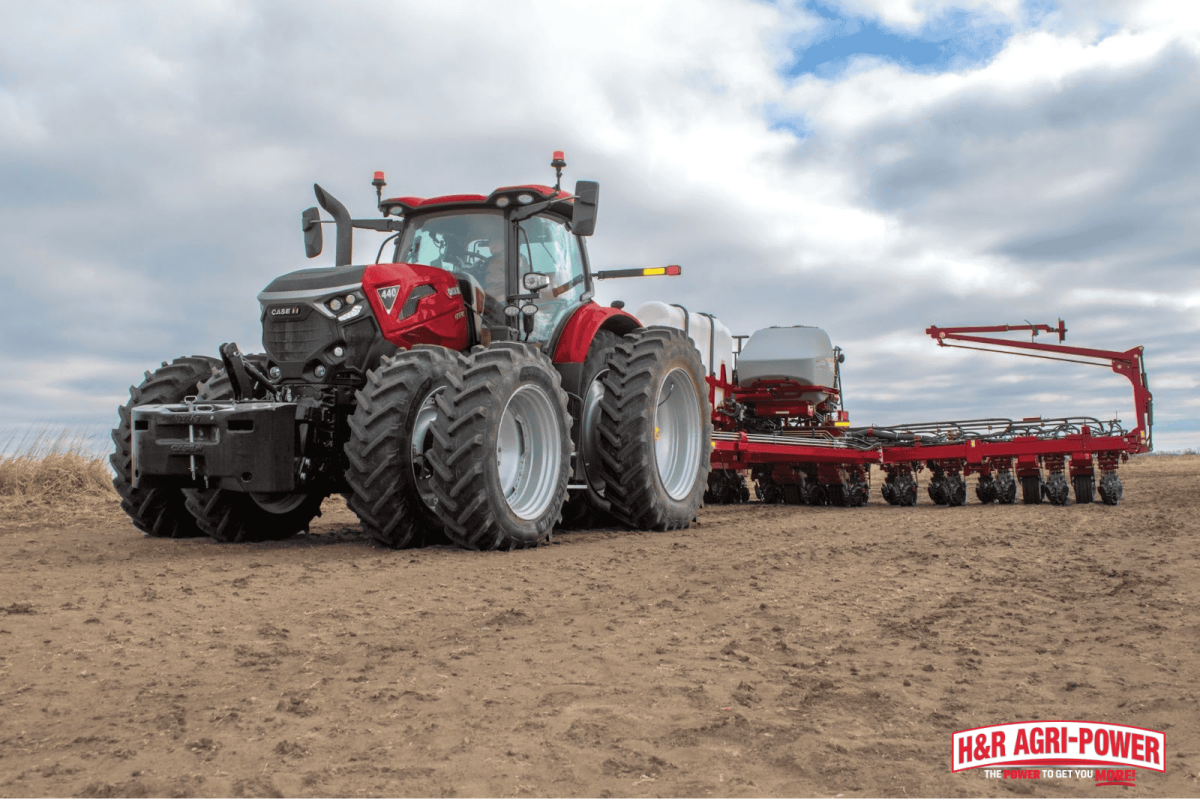
Machinery maintenance in Illinois farming refers to the regular inspection, servicing, and care of tractors, combines, and implements to keep them running efficiently in the state’s challenging conditions.
With heavy clay soils in central Illinois, rolling prairies in the north, and river-bottom fields in the south, equipment faces constant stress from both terrain and climate extremes, such as humid summers, wet springs, and freezing winters.
Research indicates Illinois has about 70,000 farms covering more than 26 million acres of farmland. With this scale of production, even short periods of downtime during planting or harvest can translate into significant yield losses and higher costs. Maintenance isn’t just about preventing breakdowns; it’s about protecting yields, reducing repair expenses, and extending the working life of Case IH machinery. In this blog, we’ll cover the best practices for maintaining Case IH tractors, combines, and implements in Illinois’ tough terrain, including routine inspections, seasonal care, lubrication, tire management, and technology-driven solutions.
Regular Inspection and Preventive Maintenance
The best way to avoid breakdowns is to stay ahead of them. Regular inspections catch issues before they become serious, while preventive maintenance extends the lifespan of Case IH equipment.
-
Daily checks: Farmers should walk around the equipment each morning to check fluid levels, tire condition, and visible leaks.
-
Seasonal inspections: Before planting and harvest, perform thorough checks on belts, bearings, hydraulics, and electrical systems.
-
Preventive replacements: Replace high-wear parts like filters, hoses, and belts on schedule rather than waiting for failure.
A study published on ResearchGate (2024) highlights that proactive maintenance strategies can significantly reduce downtime in production systems, improving equipment availability and lowering overall operating costs.
What should I check daily on Case IH equipment?
Check fluid levels, tire pressure, air filters, hydraulic hoses, and look for leaks or wear before starting the machine.
Protecting Machinery from Illinois’ Weather Extremes
Illinois weather tests machinery in every season. Farmers must adapt their maintenance routines to protect Case IH equipment against temperature swings, moisture, and storage challenges.
-
Summer heat: Engines run hotter, so cooling systems must be flushed and radiators kept clear of debris. Hydraulic fluids should also be checked more frequently in high temperatures.
-
Wet springs: Mud and standing water clog filters, corrode metal, and accelerate wear. Regular cleaning and lubrication help prevent damage.
-
Cold winters: Subzero temperatures can freeze batteries, thicken fluids, and crack hoses. Winter-grade oils and indoor storage are critical.
The University of Illinois Extension notes that extreme summer heat increases stress on both people and equipment, making it important to take steps such as reducing exposure to high temperatures and ensuring cooling systems function properly to prevent damage and maintain performance.
By adapting maintenance to each season, farmers ensure their Case IH equipment is field-ready when it’s needed most.
How can I protect my tractor in winter?
Use winter-grade engine oil, keep batteries charged, and store equipment in a sheltered space to prevent freeze damage.
Lubrication and Fluid Management
Lubrication and fluid care are the lifeblood of farm machinery. Every moving part in a Case IH tractor, combine, or implement relies on proper lubrication and clean fluids to function effectively. To ensure the operational integrity of your fleet, you need to understand how to maintain your Case IH tractor and implements properly. Without this essential care, friction builds up, heat increases, and wear accelerates, leading to costly failures in transmissions, hydraulics, or engines. Knowing 6 common tractor problems and how to fix them is critical to quickly address issues before they cause a catastrophic breakdown.
-
Greasing points: Bearings, joints, and pivot points must be greased regularly, especially during long workdays or high-acreage operations.
-
Engine oil checks: Low or dirty oil reduces power, decreases fuel efficiency, and shortens engine life. Oil should be checked daily and replaced at manufacturer-recommended intervals.
-
Hydraulic and transmission fluids: These systems control implements, precision technology, and power transfer. Monitoring levels and replacing filters ensures smooth, reliable performance.
-
Coolants and fuel systems: Coolant levels should be inspected to prevent overheating, while fuel filters must be changed to avoid contamination in modern diesel engines.
For Illinois farmers working long hours in clay soils or humid summers, fluid and lubrication care is not just routine; it’s essential for keeping Case IH machinery productive through planting and harvest.
How often should I grease Case IH machinery?
High-wear parts should be greased daily during heavy use, while less-demanding components may follow weekly intervals.
Tire and Track Maintenance for Tough Terrain
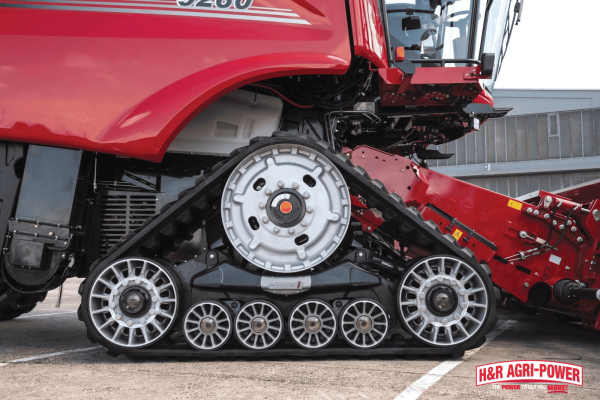 Illinois’ mix of wet soils, clay-heavy fields, and long working hours places heavy demands on tires and tracks. Proper care ensures efficiency and prevents unnecessary fuel use.
-
Inflation checks: Proper pressure improves traction, reduces compaction, and prevents premature wear.
-
Wear monitoring: Worn treads reduce efficiency and increase slippage, costing time and fuel.
-
Load adjustments: Adding or removing ballast ensures tires are carrying the right weight for the field and implementation.
Even small tire adjustments can save hundreds of dollars in fuel and reduce soil damage during a single season.
Why is tire pressure important for farm equipment?
Correct tire pressure improves traction, reduces fuel use, and minimizes soil compaction, especially in Illinois’ heavy soils.
Using Technology for Smarter Maintenance
Modern Case IH equipment is equipped with advanced technology that makes maintenance proactive rather than reactive. These built-in systems help farmers detect potential issues earlier, streamline service schedules, and extend the working life of machinery.
-
Telematics systems: Track usage hours, fuel consumption, and diagnostic codes in real time, enabling operators to monitor performance and detect problems remotely.
-
Automated alerts: Factory-installed systems send reminders for oil changes, filter replacements, and inspections, helping operators stay current with preventive maintenance.
-
Data analytics: Collected performance data identifies recurring issues, supports predictive maintenance, and helps optimize fleet-wide repair strategies.
Research found that adopting precision agriculture technologies, including telematics and predictive monitoring, has been shown to improve efficiency, reduce input costs, and enhance farm productivity. In fact, farms that integrate digital monitoring systems report reduced downtime and better cost management because issues are identified before they lead to equipment failure. By combining routine maintenance with predictive tools like telematics and analytics, Illinois farmers can reduce unplanned breakdowns, extend the lifespan of Case IH machinery, and maximize productivity in tough terrain.
What is telematics in farm machinery?
Telematics is a digital system that collects and transmits equipment data, such as engine hours, performance metrics, and fault codes, allowing farmers to monitor machinery remotely and schedule maintenance before problems occur.
Keep Your Case IH Machinery Running Strong in Illinois
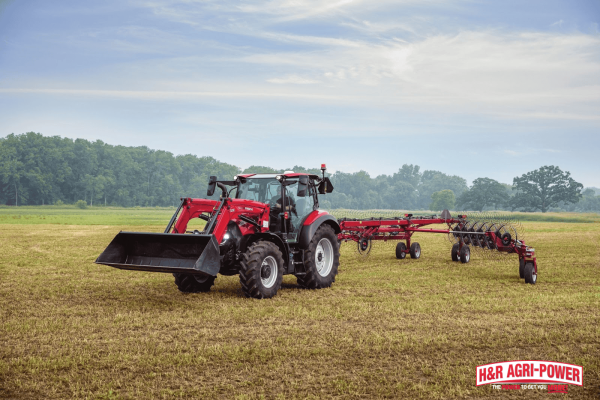
Proper maintenance is one of the most effective ways to keep Case IH machinery performing at its best in Illinois’ demanding conditions. With tough terrain, heavy soils, and unpredictable weather, tractors, combines, and implements need consistent care to deliver maximum productivity while minimizing costly downtime. From routine inspections and seasonal adjustments to advanced lubrication practices, tire care, and predictive technology, these best practices ensure your equipment lasts longer and operates more efficiently.
Ready to protect your investment and keep your farm running strong? Contact H&R Agri-Power today to schedule maintenance, order genuine Case IH parts, or explore our full range of service solutions tailored for Illinois farmers.
Frequently Asked Questions
1. How often should I schedule professional servicing for Case IH machinery?
At least once a year, ideally before planting or harvest seasons.
2. Does soil type in Illinois affect machinery maintenance needs?
Yes. Heavy clay soils and wet conditions cause more stress on drivetrains, tires, and implements, requiring more frequent checks.
3. Can I use aftermarket parts for Case IH equipment?
OEM parts are recommended for best performance and warranty protection, though high-quality aftermarket parts may be used if they meet standards.
4. How does humidity affect Case IH machinery?
High humidity accelerates rust and can damage electrical components, making storage and lubrication especially important.
5. What’s the most common cause of machinery breakdowns in Illinois?
Missed preventive maintenance, especially neglecting fluids, belts, and filters, causes the majority of breakdowns.