

For farmers running livestock or mixed crop-and-animal operations, selecting the right implements can dramatically improve efficiency, productivity, and profitability. The right tools help streamline feed management, optimize crop production, and ensure your livestock receives proper nutrition, all while reducing labor costs and maximizing operational control.
According to the USDA National Agricultural Statistics Service, integrated crop-livestock systems are increasingly popular in the U.S., as they combine sustainable crop production with efficient feed utilization, highlighting the value of high-quality implements tailored for such operations. Case IH has long been a trusted name in agricultural machinery, offering implements that meet the diverse needs of mixed operations. From forage harvesters to tillage equipment, their machines are built for reliability, precision, and adaptability.
In this guide, we’ll explore how to assess your operational needs, the top Case IH implements for livestock and mixed farms, key features to look for, and advanced technologies that enhance efficiency and productivity.
Assessing Your Livestock and Mixed Operation Needs for Case IH Implements
Understanding the unique requirements of your farm is the first step in choosing the right implements. Mixed operations vary widely in scale, livestock type, and crop rotations, and equipment must align with these factors to maximize efficiency. Careful planning and needs assessment prevent costly missteps and ensure the machinery supports both crop and livestock operations effectively.
Evaluating Farm Size and Livestock Type
Farm size, the number of animals, and their species influence implement selection. Dairy operations may require larger forage harvesters and hay equipment, whereas beef or mixed cattle farms might prioritize feed mixers and silage spreaders. Understanding your herd's nutritional needs and feed volume helps determine the right equipment capacity.
Identifying Crop and Forage Requirements
Your forage crops determine the type of implements you need. Alfalfa, corn silage, sorghum, and grasses each require different cutting and handling tools. Alfalfa needs equipment that maintains leaf quality, while corn silage calls for stronger choppers and proper header setups. Consider crop moisture, cutting height, and your storage method when selecting implements, since these factors guide the knives, headers, and wagons that will work best for your operation.
Considering Operational Workflow
Efficient operations require equipment that fits your workflow. Consider the timing of planting, harvesting, and feeding schedules. Implementations that integrate seamlessly with tractors, wagons, and feed systems can reduce downtime and improve consistency. Using the right equipment at the right time ensures feed quality, crop preservation, and optimal livestock nutrition.
How do I prioritize implements for mixed operations?
Start by evaluating which tasks have the most significant impact on productivity, such as forage harvesting, feed distribution, or soil preparation. Match implement capacity and features to herd size, crop type, and operational workflow. Consulting a dealer like H&R Agri-Power ensures your choices are tailored to your farm’s needs.
Top Case IH Implements for Feed, Forage, and Crop Management
Case IH offers a wide range of implements designed for both crop and livestock operations. These tools are built to integrate seamlessly with precision farming systems, enhancing productivity and control. Selecting equipment suited to your specific forage and crop requirements ensures quality feed, consistent harvests, and efficient land management.
Let's have a closer look at these implements and how they enhance the management.
Forage Harvesters and Silage Equipment
Case IH forage harvesters are designed for precision and durability. They cut, chop, and deliver high-quality silage efficiently, supporting livestock nutrition and reducing losses during harvest. According to Iowa State University Extension, proper silage chopping and compaction enhance fermentation quality and feed digestibility, making harvest equipment a critical investment.
Hay Equipment Solutions
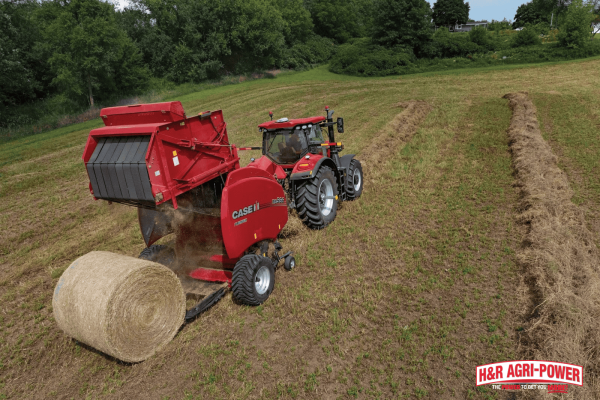
Balers, mower conditioners, rakes, and disc mowers streamline moving, storing, and drying hay. Implementations that reduce manual handling save labor, prevent spoilage, and allow precise rationing for your livestock. Choosing versatile hay equipment ensures compatibility with different farm sizes and field conditions.
Tillage and Soil Preparation Implements
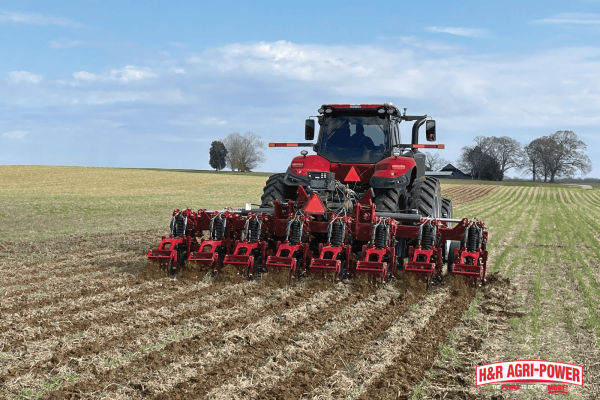
Tillage equipment like discs, cultivators, and plows prepares fields for feed crops while maintaining soil health. USDA NRCS emphasizes that proper soil preparation supports crop emergence, improves water retention, and reduces compaction, all of which benefit forage quality for livestock.
Crop Planting and Fertilization Tools
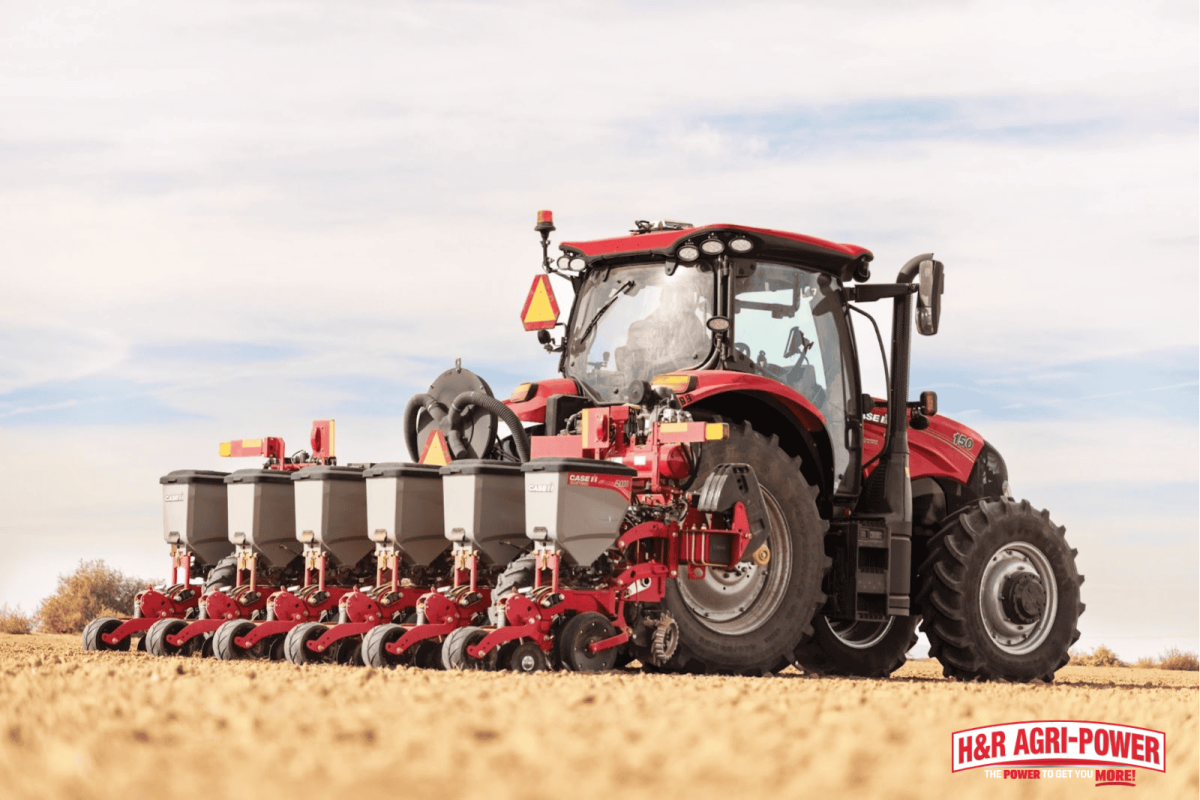
Seed drills, planters, and fertilizer applicators help establish uniform crop stands and optimize nutrient application. Efficient planting reduces seed waste and improves crop yield, directly impacting the quantity and quality of feed available for your animals. Implementing precision planting technologies ensures long-term sustainability and profitability.
Which Case IH implements are most versatile for mixed operations?
Forage harvesters, hay equipment, and tillage tools are highly versatile. They support multiple crop types, different livestock systems, and can be used across seasonal operations, providing a strong ROI for mixed farming operations.
Key Features to Look for in IH Implements for Mixed Farming Operations
Not all implements are created equal. Evaluating key features ensures machinery meets operational demands and offers long-term efficiency. Consider factors like build quality, compatibility with existing equipment, and ease of maintenance. Choosing reliable implements not only boosts productivity but also minimizes downtime during critical field operations.
Capacity and Size Considerations
The size of the implement should match your farm scale and livestock feed requirements. Oversized machines may waste fuel and space, while undersized equipment can slow operations and require multiple passes. Matching implement capacity to your herd size and crop volume ensures efficiency.
Durability and Reliability
Mixed operations often demand frequent equipment use. Case IH implements are built for rugged, high-volume applications. Their designs prioritize operator convenience and field versatility to handle diverse workloads efficiently. Durable materials, reinforced frames, and reliable moving parts reduce maintenance costs and downtime, ensuring smooth seasonal operations.
Ease of Maintenance and Service
Equipment that’s easy to maintain keeps operations running efficiently. Features like accessible service points, simplified diagnostics, and modular components reduce maintenance time and allow operators to perform routine checks safely and quickly. North Dakota State University Extension emphasizes that regular maintenance extends implement life and protects the investment.
Precision and Technology Integration
Modern implements often include digital monitoring, GPS compatibility, and automation features that enhance efficiency and accuracy. Precision tools allow variable application rates, real-time monitoring, and better resource management, saving time and inputs while improving output quality.
How do I choose implements that suit both crops and livestock?
Focus on versatility, durability, and precision features. Implementations that handle multiple crops, integrate with feeding systems, and support efficient soil management are ideal. Consulting a knowledgeable dealer ensures the equipment matches both crop and livestock needs.
Advanced Technology and Efficiency Tools for Case IH Implements
Modern farming demands more than just durable machinery; it requires implements equipped with advanced technology to enhance efficiency and reduce operational strain. Case IH implements are designed to integrate smart features that simplify complex tasks, improve accuracy, and optimize resource use.
From GPS-guided systems to variable-rate application, these tools allow operators to manage large fields with precision and consistency.
Leveraging technology in implementation also supports sustainability goals by minimizing chemical waste and fuel consumption. Integrating these features into everyday farm operations ensures that both crop production and livestock management are optimized.
Let's discuss these in detail.
GPS and Automated Guidance Systems
Automated steering and GPS guidance maintain straight lines, reduce overlap, and improve application accuracy. These systems save time, reduce input waste, and allow operators to focus on monitoring machinery and livestock. Modern guidance systems also allow multiple-pass mapping, ensuring consistency across complex field layouts and irregular terrain.
Variable-Rate Application Technology
Variable-rate tools adjust fertilizer, seed, or chemical distribution according to soil and crop needs. As stated by the USDA Precision Agriculture Program, farms using variable-rate application can improve efficiency, reduce costs, and maintain uniform crop quality. This technology also supports environmentally responsible farming by minimizing over-application and protecting sensitive areas.
Integrated Monitoring and Data Logging
Real-time monitoring collects data on implementation performance, application rates, and field conditions. Integrating these insights with farm management systems supports long-term planning, helps meet regulatory requirements, and enhances overall farm efficiency. Additionally, historical data analysis can reveal trends, optimize future operations, and improve resource allocation.
Operator Assistance and Ergonomic Features
Comfortable cabs, intuitive controls, and ergonomic layouts reduce operator fatigue during long shifts. Enhanced visibility and control systems improve accuracy, minimize errors, and ensure safe operation across different farm tasks. Advanced assistive technologies, like automatic boom control and alert systems, further support operators, even in challenging conditions.
Leveraging Precision and Productivity in Mixed Farming with Case IH Implements
Precision agriculture is transforming mixed farming operations by enabling better decision-making, resource optimization, and workflow efficiency. Case IH implements are engineered to work seamlessly with modern technologies, ensuring crops and livestock receive the care and management they need.
By leveraging real-time data, prescription-based applications, and integrated monitoring, farmers can increase productivity while reducing waste and operational costs. These precision tools allow for accurate application of inputs, timely harvesting, and efficient feed management. In mixed operations, combining technology with high-quality implements leads to improved profitability and sustainable farming practices.
Let's further explore it to understand it better.
Prescription-Based Application for Crops and Forage
Implementing prescription-based technology enables the precise distribution of seeds, fertilizers, and chemicals tailored to soil variability. This approach reduces input waste and enhances crop yield, providing better feed quality for livestock. Farmers can also adjust prescriptions mid-season to respond to changing field conditions, ensuring optimal results throughout the growing cycle.
Real-Time Data Integration
Sensors track machine performance, field conditions, and application rates, feeding data into farm management software. According to data from the University of Nebraska–Lincoln Extension, this integration enables farmers to make informed decisions and improve productivity season after season. Data visualization and reporting tools make it easy to assess efficiency, resource use, and overall farm performance.
Optimizing Feed and Crop Management
Advanced implements enable synchronization of crop harvesting with livestock feeding schedules. Timely harvesting ensures high-quality silage, reducing spoilage and maximizing nutritional content for animals. By aligning crop production with feeding routines, farms can maintain a consistent feed supply, reducing costs and supporting animal health.
Enhancing Operational Efficiency
Intelligent automation and technology integration reduce manual labor, speed operations, and improve accuracy. Farms can achieve consistent results while minimizing operational costs and maintaining sustainability standards. Efficient workflows also free operators to focus on critical farm management decisions, improving overall productivity.
Maximize Your Farm’s Efficiency with the Right Case IH Implements
Choosing the right implement is not just a purchase; it’s a strategic investment in your farm’s efficiency, productivity, and long-term success. At H&R Agri-Power, we provide more than just Case IH implements; we deliver tailored solutions for livestock and mixed operations across the U.S. Our team ensures that each implement matches your operational scale, crop and forage needs, and livestock requirements, so you get maximum performance from every acre.
Beyond providing equipment, we offer expert operator training, timely maintenance, and ready access to replacement parts. This comprehensive support ensures your implements run reliably season after season, reducing downtime and protecting your investment. By partnering with H&R Agri-Power, you gain access to the latest precision technology, guidance systems, and efficiency tools that optimize productivity, minimize input waste, and enhance sustainability.
Discover how H&R Agri-Power can transform your farming operations with Case IH implements tailored for your unique needs. Visit us today to explore our full range, schedule a consultation, and start maximizing the potential of your livestock and mixed farming operations.