

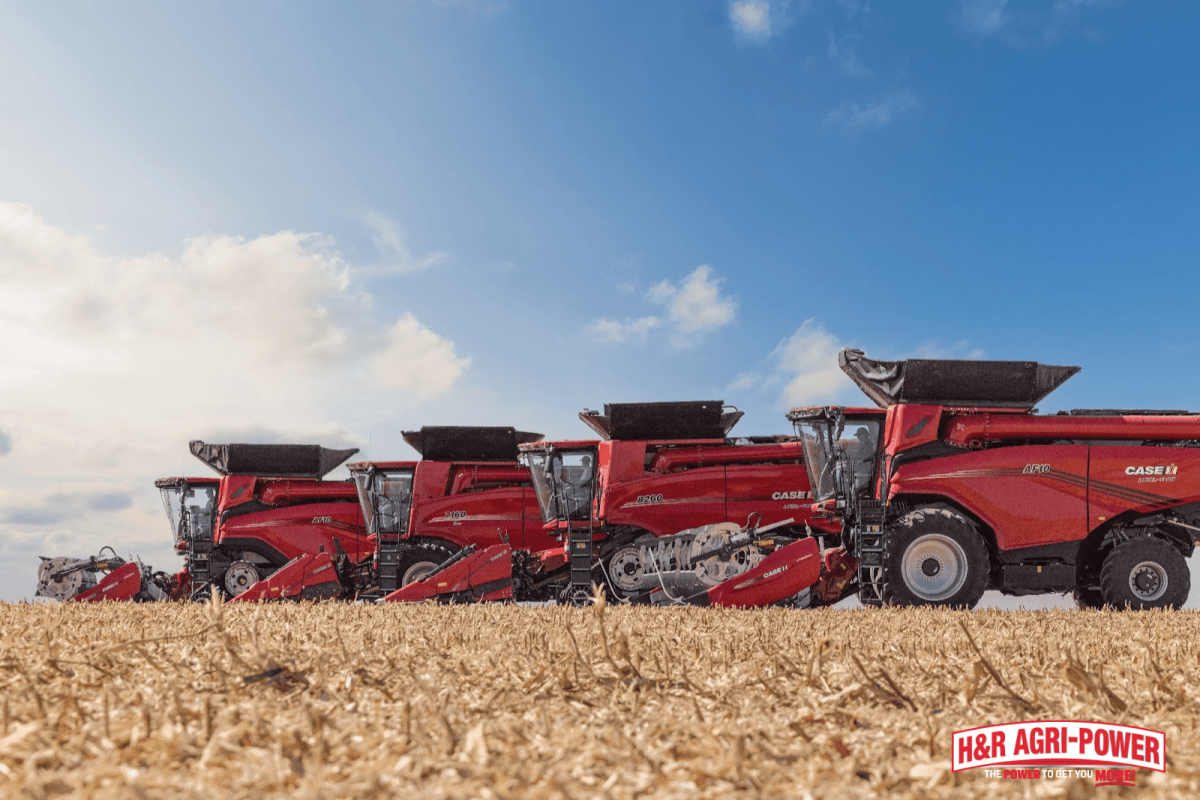
Running a Case IH harvester is serious business; you’re balancing power, precision, and productivity every time you hit the field. But that power comes with a price if you don’t take good care of the machine.
In fact, NIOSH data shows that 36 percent of farm worker fatalities are tractor-related, with a large share caused by overturns, and many of these incidents trace back to poor maintenance or overlooked mechanical issues. By staying on top of seasonal maintenance, you’ll keep your combine reliable, avoid costly breakdowns, and extend its lifespan. Whether it's post-harvest cleanup or pre-season prep, having a structured checklist is key.
Here’s a practical, no-fluff seasonal care guide for your Case IH harvester, based on manufacturer advice, field-tested practices, and expert recommendations.
How to Perform After-Harvest Cleanup on Case IH Harvesters
When harvest wraps up, your Case IH combine has just finished one of its hardest-working cycles of the year. Dust, fines, stalk residue, crop moisture, and constant vibration take a toll on every system of the machine. This is the moment when downtime becomes your best friend, because the work you do right after harvest will decide how reliably your combine performs next season.
A thorough end-of-season cleanup prevents corrosion, reduces fire hazards, and stops small wear from turning into expensive repairs. Think of this stage as the reset button that extends your equipment's lifespan and helps you avoid unexpected problems months later.
Remove Crop Residue Thoroughly
Residue buildup is one of the most common causes of post-season corrosion and fire risk. Start by blowing out the feeder house, grain tank, engine bay, sieves, and cleaning system with compressed air. Pay extra attention to hidden pockets where chaff tends to pack in tight. Case IH strongly recommends dry cleaning methods here because high-pressure washing can force moisture into electrical components and bearings, leading to rust or early failure. This maintenance helps extend the life of your Case IH machinery.
Inspect Belts, Chains, and Sprockets
By the end of harvest, drive components are often stretched, glazed, or unevenly worn. Examine each belt for cracking, frayed edges, or soft spots. Check chains for stiffness or elongation and ensure sprockets aren’t showing hooked teeth. It’s common for small wear to go unnoticed until start-up next season, so mark anything questionable for repair or replacement now instead of rushing mid-season.
Grease and lubricate moving parts
Greasing right after harvest pushes out dirt, protects against moisture lock-in, and keeps metal surfaces sealed through winter. Hit all standard grease points, bearings, pivot arms, chopper components, feeder house drives, and elevator chains. A proper lubrication routine also keeps the machine from seizing if temperatures drop during long storage.
Perform a fluid and filter change
Old fluids become acidic and lose protective qualities when left sitting for months. Changing engine oil, hydraulic oil, coolant, and fuel filters now prevents internal corrosion and ensures your first start next season is smooth. If you want to go a step further, many Case IH dealers can run a fluid analysis that flags early signs of internal wear.
Tire and tire pressure check
Tires naturally lose pressure during storage, and under-inflated tires develop flat spots. Inspect sidewalls for cuts, check tread health, and inflate to the recommended PSI. If your combine will sit for long periods, rotate the tires occasionally or block the machine to relieve pressure. This small step prevents the need for an expensive tire replacement later.
Why does post-harvest cleaning make such a difference?
Leaving residues, moisture, or worn parts unattended can lead to rust, rodent nesting, fire hazards, and mechanical failure. A clean, inspected machine goes into storage protected rather than left vulnerable, which saves major repair costs later.
Key Steps for Effective Pre-Season Preparation of Case IH Harvesters
As the season starts to close in, your Case IH harvester shouldn’t just be dusted off; it should be truly prepped for performance. Sitting through winter affects hydraulics, electrical systems, rubber components, and even software. Pre-season prep is the stage where you turn a stored machine back into a ready-to-work asset.
A good inspection now saves you from costly breakdowns right in the middle of harvest when downtime hurts the most. Think of this phase as waking the machine back up, checking every critical system, and making sure it runs at full efficiency from day one.
Check Engine Performance
Start with the basics. Inspect the air intake system, check for rodent damage, and replace the air filter if needed. Listen to the engine as it idles; any unusual vibration, smoke change, or hesitation is a sign you shouldn’t ignore. Case IH engines typically perform well after storage, but stale fuel or old oil can change combustion quality, so make sure everything sounds and feels right at startup.
Inspect Hydraulic Lines and Fittings
Hydraulics are the backbone of your feeder, header lift, unloading system, and rotor functions. Look closely for cracking, sweating hoses, or fittings that seem loose after months of inactivity. A single weak hose during harvest can shut you down instantly. Give the system enough time to warm up and check for any slow response or stiffness.
Update Onboard Software and Calibrations
Modern Case IH combines rely heavily on digital controls for yield monitoring, auto-steering, header height, and machine optimization. Before the season begins, update the display firmware, recalibrate sensors, and run diagnostics on your AFS (Advanced Farming Systems). These updates often improve fuel efficiency, data accuracy, and responsiveness.
Test Electrical Components
Cold storage can drain batteries and corrode connections. Test the battery voltage, inspect terminals, check for cracked insulation, and verify that lights, switches, and controls work as expected. Electrical issues tend to hide until you're in the field; this is the time to catch them early.
Review Safety Guards and Shields
Make sure every access panel, guard, and safety shield is secure. Harvesters have several moving and high-torque components. Loose or missing guards increase the risk of injury and create liability issues. Replace worn decals, too, since Case IH uses them for safety instructions and operation guidance.
How early should pre-season preparation for a Case IH harvester begin?
Ideally, start 4 to 6 weeks before harvest begins. This gives you enough time to source parts, complete repairs, schedule dealer inspections, and deal with any surprises before the machine returns to full workload.
Complete Engine and Powertrain Maintenance Guidelines for Case IH Harvesters
Your harvester’s engine and powertrain are the heart of every operation, handling intense loads day after day during harvest. Neglecting their care risks costly breakdowns that can halt your work entirely. That’s why thorough seasonal maintenance on these key systems is essential to ensure smooth, reliable performance.
In fact, a study on combine harvester repair costs found that about 41% of the total operating costs for a 150-horsepower combine go to fuel and lubricant, while fixed ownership costs account for 33%. This highlights how critical efficient engine and powertrain care is to keep expenses down and performance up.
Inspect Belts, Chains, and Tensioners Carefully
Harvest work strains belts and chains to their limits. Check for cracks, glazing, or frayed edges that could cause slippage. Chains should move freely without stiffness or elongation. Our technicians recommend replacing worn parts immediately, as a failed belt or chain in the field can cause extended downtime.
Perform Engine Oil and Filter Changes
After long periods of use, engine oil degrades and loses protective qualities. Change engine oil and replace fuel, air, and hydraulic filters with genuine Case IH parts to ensure optimal lubrication and filtration. Clean oil reduces piston and bearing wear, helping your engine last longer.
Test Turbocharger Performance and Airflow
A healthy turbocharger maintains proper air pressure for combustion. Signs of trouble include unusual noises or loss of power. Regular testing and inspection of the turbocharger system prevents power loss and improves fuel efficiency, which is critical during heavy harvest workloads.
Flush Cooling System and Inspect Radiator
Effective cooling prevents engine overheating during demanding operation. Flush the old coolant, clean the radiator fins, and check the hoses for leaks or cracks. A fully functional cooling system keeps engine temperature stable, protecting your harvester from heat damage.
Evaluate Transmission and Gearbox Health
Transmission issues can lead to rough shifting and mechanical failures. Check gearbox oil for metal shavings or contamination and inspect seals for leaks. Smooth shifting reduces strain on drivetrain components and prolongs equipment life.
Essential Hydraulics and Fluid System Maintenance for Case IH Harvesters
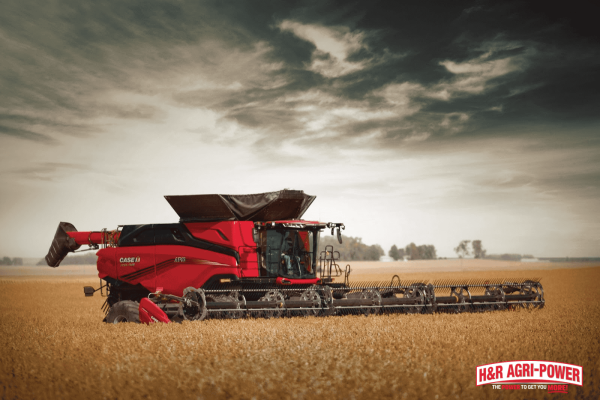
Hydraulics play a critical role in operating your Case IH harvester’s key functions, from controlling the header lift and feeder house to managing unloading augers and rotor systems. A well-maintained hydraulic system ensures smooth, responsive operation and reduces the risk of sudden failures during those crucial harvest hours.
At H&R Agri-Power, we know that hydraulic system problems often start small, a tiny leak, dirty fluid, or worn hose, but can quickly escalate into major downtime. That’s why thorough inspection and fluid care before and after the harvest season is a must. Regular maintenance not only preserves the machine’s performance but also protects expensive hydraulic components.
Check Hydraulic Fluid Levels and Quality Regularly
Hydraulic oil quality directly affects system efficiency and component lifespan. Low fluid levels cause overheating and increased wear, while dirty or contaminated fluid clogs valves and pumps. Always use Case IH-approved hydraulic oil and maintain fluid levels according to your operator’s manual. It’s a good idea to have your fluid tested for contamination or degradation during seasonal servicing.
Inspect Hoses, Fittings, and Cylinders for Wear and Leaks
Hydraulic hoses and fittings endure constant pressure and temperature changes, making them susceptible to cracks, abrasions, and leaks. Take the time to examine hoses for soft spots, swelling, or leaks around connectors. Don’t overlook hydraulic cylinders, check for oil seepage at seals, and ensure smooth piston movement. Early replacement of worn hoses or damaged cylinders can save you from catastrophic failures during field operation.
Replace Hydraulic Filters According to Schedule
Filters protect the hydraulic system by removing dirt, metal particles, and moisture that degrade fluid quality. Over time, clogged filters reduce flow and cause component wear. Following the manufacturer’s replacement schedule, usually every 400 to 600 operating hours, helps keep your hydraulic system clean and efficient. H&R Agri-Power uses genuine filters designed specifically for Case IH harvesters to ensure optimal performance.
Test Hydraulic System Pressure and Response Time
Before harvest begins, testing your hydraulic system’s pressure and response is vital. Slow or jerky movements, unusual noises, or delayed actuator response can indicate air in the lines, worn pumps, or faulty valves. Our trained technicians use diagnostic tools to measure system pressures and pinpoint issues early, allowing timely repairs that avoid costly downtime during peak work periods.
Watch for Signs of Overheating and Unusual Smells
Hydraulic fluid overheating often results from excessive load, contaminated oil, or failing components. If you notice a burning smell or fluid temperature higher than normal, stop operation immediately and have your system inspected. Prolonged overheating damages seals and pumps, leading to expensive repairs and reduced machine life.
How often should hydraulic fluid and filters be changed on Case IH harvesters?
Hydraulic fluid should be checked regularly and changed every 400 to 600 operating hours, or as recommended by Case IH. Filters typically require replacement on the same schedule to ensure the system stays clean and responsive.
How to Inspect Electrical Systems and Update Software on Case IH Harvesters
Modern Case IH harvesters come loaded with advanced electronics that boost yield, precision, and operator comfort. Features like GPS-guided auto-steering, yield monitoring, and machine diagnostics rely on stable power and updated software to perform well. Regular seasonal checks of electrical components and software updates help avoid breakdowns and maintain peak efficiency during harvest.
Even minor electrical faults, corroded connectors, weak batteries, or outdated firmware can cause performance drops. That’s why it’s essential to perform a thorough electrical inspection and system calibration before the busy season begins.
Inspect Battery Health and Charging System
After months in storage, batteries can lose charge, and terminals may corrode. Test battery voltage and ensure the charging system is working properly. Clean and tighten connections to avoid power interruptions that could lead to starting problems or electronic glitches.
Examine Wiring, Connectors, and Sensors
Check wiring harnesses for signs of wear, damage, or loose connections. Corroded or broken connectors often cause sensor errors or communication failures with key systems such as header height sensors, rotor speed monitors, and yield measurement tools.
Update Firmware and Onboard Software
Manufacturers regularly release software updates to improve performance, enhance data accuracy, and fix bugs. Applying these updates before harvest keeps your machine running smoothly and ensures precision farming features work as intended.
Test Operator Controls and Display Functions
Verify that all switches, buttons, and touchscreen displays are responsive and functioning correctly. Faulty controls or unclear displays can reduce operator efficiency and increase the chance of mistakes during operation.
Verify Safety Alarms and Warning Systems
Check all warning lights, alarms, and alerts to confirm they’re operational. These systems provide critical notices about overheating, low fluid levels, or other faults that help prevent damage and keep operators safe.
Why should I update my harvester’s software before harvest?
Updating ensures your machine runs the latest features and bug fixes, improving efficiency and reliability. It also helps precision farming tools perform accurately during the busy harvest period.
Off-Season Storage and Long-Term Care Tips for Case IH Harvesters
Once harvest is over, storing your Case IH harvester correctly is crucial to preserving its condition and avoiding costly repairs when the next season rolls around. Off-season care isn’t just about parking the machine; it involves targeted steps that protect critical components from moisture, pests, corrosion, and wear.
Following proper off-season protocols helps cut down these risks and keeps your harvester ready for peak performance.
Thorough Cleaning Before Storage
Start by removing all crop residues, dirt, and debris from every part of the machine. Pay special attention to the feeder house, grain tank, engine compartment, and cleaning systems. Leaving residues can cause rust, attract rodents, and clog important parts.
Drain or Treat Fluids
Depending on the storage duration and climate, consider draining fuel or adding stabilizers to prevent fuel degradation. Change engine and hydraulic oils if not done immediately post-harvest. This prevents the buildup of acids and corrosion in the engine and hydraulic systems.
Lubricate Moving Parts
Grease all bearings, chains, and pivot points to prevent rust and ensure smooth operation after storage. Proper lubrication also helps seal out moisture that causes metal fatigue.
Protect Electrical Components
Disconnect the battery or use a maintainer to avoid discharge. Cover exposed wiring and sensors to protect against rodents and moisture damage. Inspect for any rodent nests or chew marks before putting the harvester away.
Store in a Dry, Covered Area
Whenever possible, park the harvester in a covered, well-ventilated building to protect it from rain, snow, and UV damage. If indoor storage isn’t available, use breathable covers that prevent moisture buildup while shielding from sun and dust.
Preventive Maintenance Steps to Reduce Breakdowns During Harvest Season
Even with diligent pre-season preparation and thorough off-season care, your Case IH harvester requires ongoing attention throughout the harvest season. The intense workload, combined with dusty fields and varying weather, can accelerate wear and stress on components.
Establishing a consistent routine for inspection and maintenance during harvest helps you catch small issues early and avoid costly downtime that disrupts your productivity.
Step 1. Conduct Daily Visual Walkarounds and Safety Checks
Before starting each day, take 10–15 minutes for a complete walkaround. Check tires for damage or deflation. Look closely at belts, chains, and sprockets for signs of wear or misalignment. Scan the machine for any leaks, oil, hydraulic fluid, or coolant. Clean any debris or crop residue buildup around moving parts, intake screens, and cooling fans. Confirm that all safety guards and shields are securely in place. These quick checks reduce the risk of accidents and mechanical failure.
Step 2. Monitor Engine and Hydraulic Temperatures Continuously
Use onboard gauges or monitoring systems to keep track of engine oil temperature, coolant levels, and hydraulic system heat. Excessive temperature spikes often precede mechanical issues such as clogged filters, failing pumps, or lubrication breakdown. If temperatures rise beyond safe thresholds, stop operations to allow cooling, then investigate the cause immediately.
Step 3. Listen and Respond to Unusual Sounds and Vibrations
Experienced operators learn to recognize normal operating noises. Grinding, knocking, rattling, or squealing may indicate worn bearings, misaligned belts, or loose components. Don’t ignore these warning signs. Early diagnosis can prevent more severe damage and expensive repairs.
Step 4. Verify Functionality of Operator Controls and Safety Systems
Ensure all operator inputs, steering, throttle, and header controls respond smoothly and without delay. Test emergency stop buttons, alarms, and warning lights daily. Malfunctioning controls can cause unsafe situations or reduce efficiency, so prompt repairs are necessary.
Step 5. Keep Detailed Maintenance Logs
Document every inspection, repair, and fluid top-up. Recording this data helps track component lifespans, identify recurring issues, and plan proactive maintenance. Maintenance logs are also helpful during dealer service appointments or warranty claims.
How often should I perform maintenance checks on my Case IH harvester during harvest season?
Daily walkarounds combined with fluid level monitoring should be routine. More in-depth inspections, including checks of belts, hydraulics, and electrical systems, are best done weekly or after particularly heavy use.
Give Your Case IH Harvester the Maintenance It Needs for Peak Performance
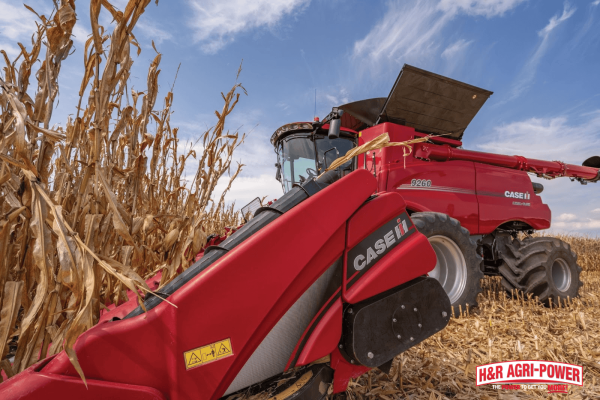
Your Case IH harvester is built to handle the toughest harvest conditions, but it demands consistent care throughout the year to stay reliable and efficient. Following a detailed seasonal maintenance checklist, from post-harvest cleaning and pre-season prep to hydraulic, electrical, and in-season inspections, helps you avoid costly breakdowns and keeps your machine running at peak performance.
Don’t wait for unexpected downtime to disrupt your work. Prioritize preventive maintenance and schedule professional servicing to extend your harvester’s lifespan and protect your investment.
For expert Case IH harvester maintenance, parts, and support, visit the trusted resource at H&R Agri-Power. Ensure your equipment is ready to deliver maximum productivity when the fields call.
Frequently Asked Questions
How often should I perform maintenance on my Case IH harvester?
Regular maintenance should be done before and after each harvest season. Daily inspections during harvest and detailed servicing every 400–600 operating hours help prevent breakdowns and extend the machine’s lifespan.
What are the key fluids to check and change in a Case IH harvester?
You should regularly check and change engine oil, hydraulic fluid, coolant, and fuel filters. Fresh fluids ensure smooth operation, protect against corrosion, and prevent system failures during heavy use.
How do I properly store my Case IH harvester during the off-season?
Thoroughly clean the machine, change or treat fluids, lubricate all moving parts, protect electrical components, and store it in a dry, covered location to avoid moisture damage, corrosion, and rodent issues.
Why is software updating important for Case IH harvesters?
Updating software improves machine efficiency, fixes bugs, and enhances precision farming functions like auto-steering and yield monitoring. It helps prevent glitches during the critical harvest period.
What safety checks should I do before operating a Case IH harvester?
Check that all guards and shields are secure, inspect safety alarms and warning systems, test operator controls, and perform a visual walkaround to ensure there are no leaks, loose parts, or debris that could cause hazards.