

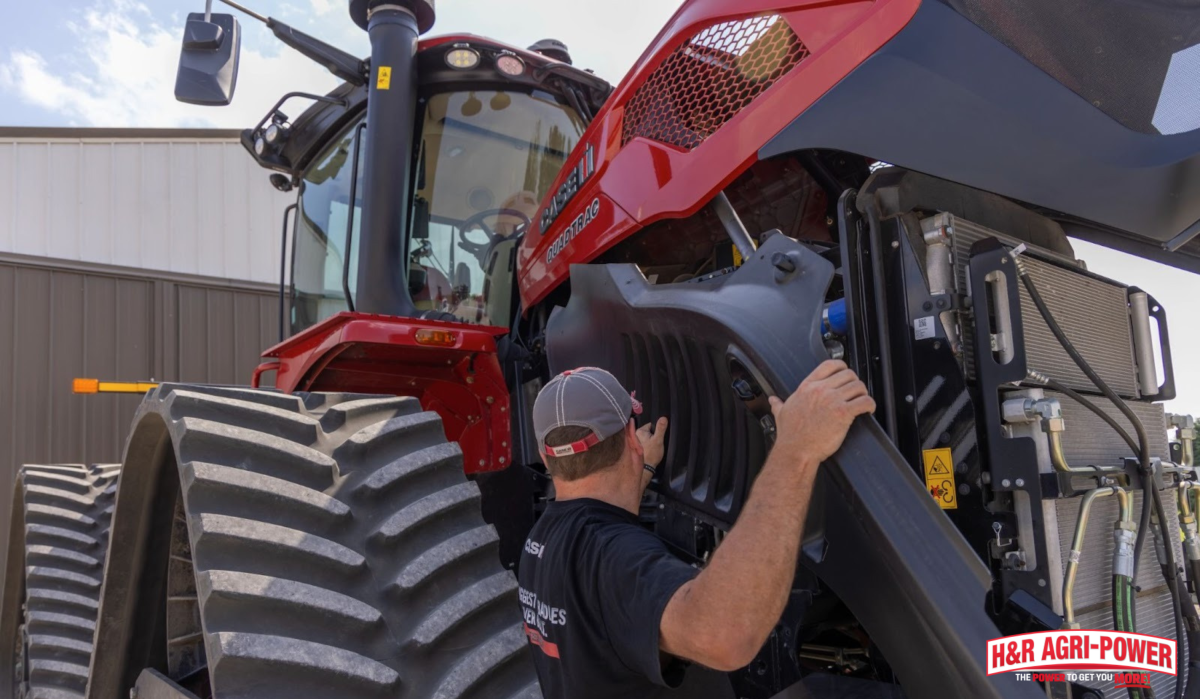
When your Case IH engine acts up during a busy season, waiting days for repairs isn’t an option. That’s why quick and accurate engine diagnostics are crucial; they help you find issues fast and fix them before costly downtime hits. In farming, mechanization costs account for 20 to 30% of total production expenses, with repair and maintenance just behind fuel as the highest costs.
Catching problems early with reliable diagnostics keeps your operation running smoothly and saves money. Case IH engines come with advanced diagnostic systems that display what’s happening under the hood, making troubleshooting easier.
This guide will help you use these tools, understand fault codes, and tackle common engine issues on your farm. With this knowledge, you’ll get back in the field faster, with less guesswork and more confidence.
How to Understand Case IH Engine Diagnostics for Quick On-Farm Repairs
Engine diagnostics are essential for keeping your Case IH engine running smoothly and avoiding unexpected breakdowns. By knowing the basics, you’ll better understand how your engine’s systems communicate, when to run diagnostics, and which tools give you the clearest picture of what’s going wrong.
What Is Engine Diagnostics
Engine diagnostics means using specialized tools and software to read data from sensors and control modules inside your engine. Instead of guessing what’s wrong, diagnostics pinpoint issues early, saving you time and money by preventing small problems from becoming big repairs.
Key Engine Components
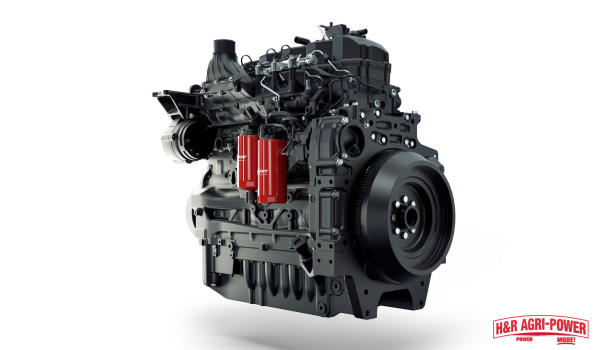
Your Case IH engine has several critical parts that diagnostics focus on: sensors that track temperature, pressure, and speed; the Engine Control Module (ECM), which processes this info; fuel delivery systems; the cooling system; and electrical components. These all send signals that your diagnostic tools interpret to assess engine health.
When to Run Diagnostics
If you notice warning lights on the dashboard, a drop in engine power, unusual noises, increased fuel use, or overheating, it’s time to run diagnostics. These symptoms are early red flags that something needs attention before failure strikes.
Common Issues Detected
Diagnostic tools often catch sensor failures, fuel delivery issues, electrical faults, overheating causes, and turbocharger problems. Pinpointing the exact problem helps you focus repairs where they’re needed most.
Diagnostic Tools Used
The primary tool is the Case IH Electronic Service Tool (EST), which connects to your engine’s diagnostic port. Handheld scanners and mobile apps compatible with Case IH systems can also be used, but always opt for OEM-approved tools to ensure accurate results.
Why is engine diagnostics so important for Case IH equipment?
Engine diagnostics catch problems early before they cause major breakdowns. They provide clear, specific info so you can fix issues quickly and keep your equipment reliable, reducing costly downtime and unnecessary repairs.
Step-by-Step Guide to Case IH Engine Diagnostics for Faster Repairs
Doing engine diagnostics on your Case IH machine doesn’t have to be confusing. Follow these steps to get it done right and save yourself a lot of time and hassle.
Step 1. Preparing Your Equipment
First things first, park your machine on flat ground and switch off the engine. Make sure the battery is fully charged, as a weak battery can interfere with diagnostics. Take a quick look around for any obvious leaks or damage, too. Doing this prep helps you avoid false readings and keeps everything safe while you work.
Step 2. Connecting Diagnostic Tools
Find the diagnostic port on your engine; it’s usually near the cab or engine block. Plug in your Case IH Electronic Service Tool or another approved scanner. Make sure it’s connected snugly and powered on. If you’re using wireless tools, double-check they’re paired properly before moving on.
Step 3. Running the Software
Open the diagnostic software on your device and pick the correct engine model. Run a full scan to catch any active or stored trouble codes. Don’t forget to keep your software updated so it works well with your engine’s system. Take your time here; sometimes problems don’t show up right away, so a thorough scan is key.
Step 4. Reading Codes and Alerts
After the scan, you’ll see a list of error codes. Some are common codes you might’ve seen before, others are specific to Case IH. Each one points to something that needs attention. The software usually explains what the codes mean and how serious they are. Focus on the critical ones first; those could stop your engine from running safely.
On-Farm Troubleshooting Guide for Common Case IH Engine Problems
Engines can be tricky, but many common problems show clear signs and diagnostic codes that help you zero in on the issue. Knowing what to look for on your Case IH machine means you can fix minor problems yourself and know when to bring in help.
Engine Overheating
Overheating often starts with simple causes like low coolant levels or a stuck thermostat. Diagnostics can also reveal if the radiator is clogged or if temperature sensors are sending false readings. Catching these early is key; running an overheated engine too long can cause serious damage, so don’t ignore alerts or warning lights.
Fuel System Problems
Fuel delivery issues are common culprits behind engine trouble. Diagnostic codes can highlight problems like clogged fuel filters restricting flow, faulty injectors failing to deliver fuel properly, or weak fuel pumps. Knowing exactly which part is causing trouble lets you replace or repair just what’s needed, saving time and money.
Electrical System Faults
Electrical glitches such as battery drain, loose wiring, or alternator failure often cause engines to misbehave. Diagnostic tools can pick up voltage irregularities and wiring faults, but it’s good to double-check on-farm with a multimeter or battery tester. Fixing electrical issues early keeps your engine firing smoothly.
Turbocharger and Air Intake Issues
Loss of power, excess smoke, or unusual noises might point to turbocharger or air intake problems. Diagnostics monitor boost pressure and airflow sensors to flag any malfunction. Addressing these issues quickly prevents bigger damage and maintains engine efficiency.
When to Call for Professional Help
While many issues you can handle on your own, some require expert attention. If diagnostics reveal failures in critical components like the Engine Control Module (ECM), or if repairs need specialized equipment, it’s best to reach out to a professional. Trying complex fixes without the right tools or know-how can lead to more damage and longer downtime.
Many on-farm engine issues, like overheating, fuel problems, or electrical faults, often stem from underlying maintenance challenges. According to a reliability study of farm tractors and other agricultural machines, about 25% of failures are due to inadequate maintenance, while poor-quality repairs account for another 15%.
This highlights how crucial it is to perform regular checks and use proper diagnostic tools on your Case IH engine.
How do I know if my Case IH engine problem needs professional service?
If diagnostic codes involve major control modules, persistent faults, or safety-critical systems, or if you feel unsure about the repair, it’s wise to get a qualified technician involved to protect your equipment and your investment.
How to Maintain Your Case IH Engine After Running Diagnostics
Running diagnostics is just the start. To keep your engine running strong and avoid future breakdowns, regular maintenance is crucial. After identifying and fixing problems, the right upkeep can extend your engine’s life and performance.
Regular Inspections and Preventive Care
Even if diagnostics don’t flag anything, you should still regularly check key engine components. Look over fluid levels, coolant, oil, and fuel, to make sure they’re at the right levels and clean. Inspect belts and hoses for cracks or wear, as a small tear can quickly escalate into a larger failure. Preventive care like this helps you catch issues before they turn into costly repairs.
Cleaning and Replacing Filters
Filters keep your engine’s air and fuel clean, but they get dirty over time. A clogged air filter reduces airflow, making your engine work harder and lowering efficiency. Dirty or blocked fuel filters cause poor fuel delivery, triggering warning codes and engine hesitation. Follow your engine’s maintenance schedule to clean or replace filters regularly. This simple step keeps your engine breathing and fueling right.
Updating Engine Software
Case IH frequently releases software updates for the Engine Control Module (ECM). These updates can improve fuel efficiency, fix bugs that cause false alerts, or enhance overall engine performance. Running diagnostics after an update ensures everything is functioning correctly. Staying current with software helps you avoid unnecessary diagnostic headaches.
Keeping Records
Keep a detailed log of every diagnostic session, maintenance task, and repair you do. This record shows what’s been fixed and helps spot recurring issues early. It also supports warranty claims and provides technicians with a clearer picture of whether professional service will be needed later.
How often should I perform maintenance after running diagnostics?
Maintenance should follow the manufacturer’s recommendations, typically every 250 to 500 hours of operation. Also, if diagnostics reveal a problem, perform maintenance immediately to prevent damage and keep your engine in top shape.
Tips for Selecting the Best Diagnostic Tools and Support for Case IH
Having the right tools and support makes a big difference when diagnosing your Case IH engine. Using proper equipment and knowing when to ask for help can save you time and prevent costly mistakes.
Invest in OEM-Approved Tools
While cheaper generic scanners might look tempting, they often can’t read all the specific codes on Case IH engines. OEM tools like the Electronic Service Tool (EST) are designed to communicate fully with your engine’s systems. This means you get accurate, complete data—so you’re not left guessing or missing critical issues.
Training and Resources
Diagnostic software can be tricky at first. Case IH provides user manuals, tutorials, and training resources to help you learn how to use their tools properly. Taking the time to get familiar with the software helps you avoid errors and makes troubleshooting faster and more effective.
Rely on Expert Support When Needed
Even with the best tools, some problems require experience and special equipment to fix. If a diagnostic code is confusing or the repair seems complicated, don’t hesitate to reach out to experts. The H&R Agri-Power team is ready to help you solve tough issues and get you back in the field sooner.
Why should I use OEM tools for Case IH diagnostics?
OEM tools ensure you access all the data from your engine’s systems accurately and fully. This reduces misdiagnosis and helps you fix the right problem faster, saving both time and money.
Trust H&R Agri-Power for Reliable Case IH Equipment
Quick and accurate engine diagnostics can make all the difference when it comes to minimizing downtime and cutting repair costs on the farm. Understanding how to run diagnostics, interpret codes, and take timely action keeps your equipment reliable and working at its best. Regular maintenance and using the right tools only add to your engine’s longevity.
For genuine parts, expert advice, and the diagnostic support you need, check out H&R Agri-Power, your trusted partner in keeping Case IH engines running smoothly season after season. Don’t wait for a breakdown to slow you down; get ahead of problems and keep your farm moving forward.
Frequently Asked Questions
How do I run diagnostics on a Case IH engine?
To run diagnostics on a Case IH engine, you need to connect an OEM-approved diagnostic tool, like the Electronic Service Tool (EST), to the engine’s diagnostic port. Then, use the software to scan for fault codes, interpret alerts, and take appropriate action based on the results.
What are the common Case IH engine problems detected by diagnostics?
Common issues include sensor failures, fuel system malfunctions, electrical faults, overheating, and turbocharger problems. Diagnostics help pinpoint these problems early, allowing for faster and more accurate repairs.
Can I perform Case IH engine diagnostics myself on the farm?
Yes, with the right diagnostic tools and basic training, many farmers can perform on-farm diagnostics. However, for complex issues or major repairs, professional service may be necessary.
Why is my Case IH engine overheating, and how can diagnostics help?
Overheating can result from low coolant levels, faulty thermostats, clogged radiators, or sensor failures. Diagnostic tools can identify the exact cause by reading temperature sensors and system alerts, guiding effective repairs.
How often should I perform engine diagnostics on Case IH equipment?
It’s recommended to run diagnostics during regular maintenance intervals or whenever you notice warning signs like dashboard alerts, performance drops, or unusual noises. Routine diagnostics help catch issues before they lead to costly breakdowns.