

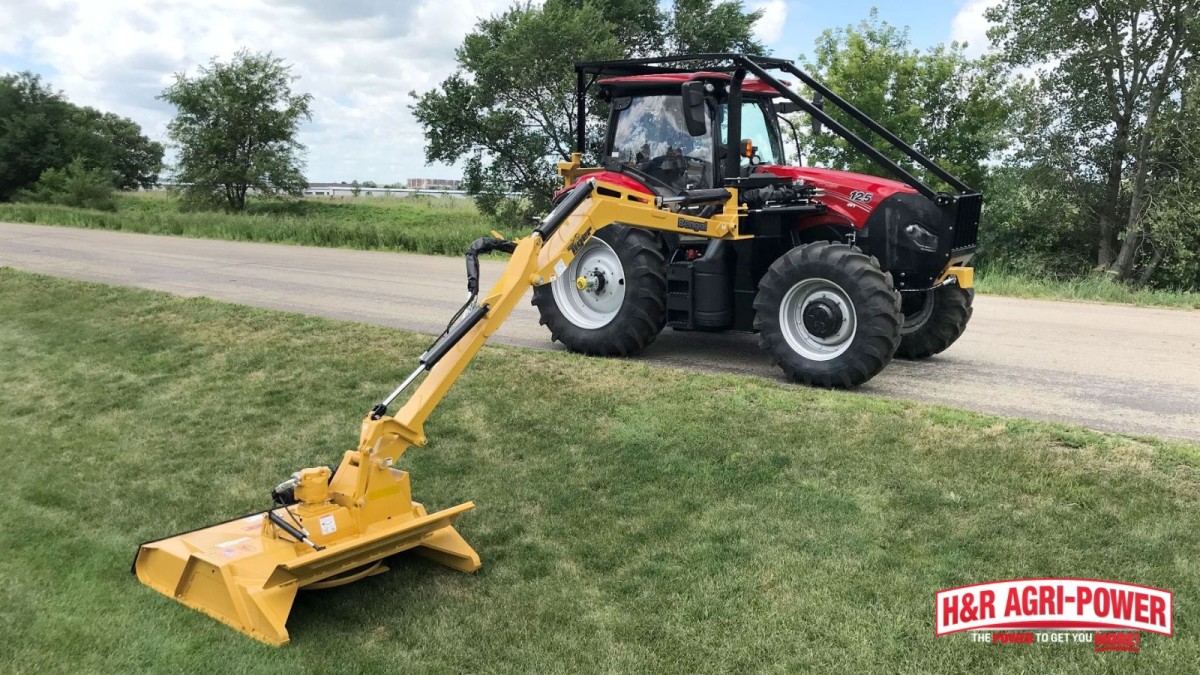
A bush hog is a heavy-duty rotary cutter designed to mow thick brush, tall grass, and woody vegetation that standard mowers cannot handle. Fence rows, roadsides, and overgrown lots represent the three most common applications where brush hogging delivers the greatest return on time and effort.
This guide covers fence row maintenance, roadside safety and compliance, overgrown lot reclamation, equipment selection, and ongoing bush hog upkeep.
Neglected fence rows invite woody growth that damages posts, tangles wire, and creates habitat for pests. Regular brush hogging preserves fence integrity, maintains property boundaries, and keeps access lanes clear for inspection and repair.
Unmaintained roadsides reduce driver visibility at intersections and curves while creating fire hazards during dry months. Strategic mowing improves sightlines, supports healthier native plant growth along right-of-ways, and helps landowners meet local municipal clearing requirements.
Overgrown lots accumulate dense brush, saplings, and invasive species that lower property values and pose safety risks. Brush hogging serves as the most cost-effective first step in land reclamation, provided operators follow proper preparation and safety protocols for uneven or debris-laden terrain.
Matching the right bush hog to each job depends on terrain type, vegetation density, and tractor horsepower. Blade style, cutting width, deck thickness, and PTO compatibility all influence performance across fence row, roadside, and lot-clearing applications.
Consistent maintenance of blades, gearboxes, and PTO components prevents costly breakdowns and reduces safety hazards in the field. Knowing when to handle upkeep yourself and when to bring equipment to a qualified dealer keeps your bush hog operating reliably season after season.
Why Is Brush Hogging Essential for Maintaining Fence Rows?
Brush hogging is essential for maintaining fence rows because it prevents structural damage, preserves property boundaries, and keeps fencing accessible for inspection and repair. The sections below cover the problems overgrowth causes, how brush hogging restores function, and the best maintenance schedule.
What Problems Can Overgrown Fence Rows Cause on Your Property?
Overgrown fence rows can cause structural damage, boundary disputes, pest infestations, and legal liability on your property. Unchecked brush and woody growth push against fence posts and wire, accelerating deterioration that leads to costly repairs. Thick vegetation also conceals the fence line, making it difficult to identify breaks where livestock can escape.
According to the National Agricultural Law Center, a landowner whose property is damaged by an adjoining landowner's trees or vegetation may sue to have the nuisance abated and, in some cases, recover monetary damages. Beyond legal exposure, overgrown fence rows harbor the following problems:
-
Saplings and vines wrap around wire, pulling fence sections out of alignment.
-
Dense brush creates habitat for rodents, snakes, and destructive insects near working areas.
-
Hidden fence damage goes undetected, increasing the risk of animal escapes.
-
Encroaching vegetation obscures property boundaries, inviting neighbor disputes.
Neglecting fence rows is one of the fastest ways to compound maintenance costs on any rural property.
How Does Brush Hogging Improve Fence Row Function and Accessibility?
Brush hogging improves fence row function and accessibility by clearing dense brush, saplings, and tall weeds that obstruct the fence line. Regular passes with a rotary cutter restore clear sightlines along the entire boundary, allowing landowners to spot damaged posts, loose wire, and sagging sections before small issues escalate.
Cleared fence rows also make repairs far more efficient. When a crew can walk the line and operate tools without fighting through vegetation, labor time drops significantly. This accessibility matters most during emergency repairs after storms or livestock escapes. Maintaining a mowed buffer on both sides of the fence additionally reduces fire risk by eliminating dry fuel loads that accumulate in neglected corridors.
What Frequency and Timing Are Recommended for Fence Row Maintenance?
The recommended frequency for fence row maintenance is two to three brush hogging passes per growing season, with timing adjusted to maximize effectiveness. A spring pass controls early growth before vegetation gains momentum, while a midsummer pass keeps brush from reaching woody stages that resist cutting.
According to the University of Wisconsin Extension, cutting woody plants in late summer after full leaf expansion can be more effective at reducing resprouting, because the plant's root reserves are at their lowest. This makes a late-summer third pass particularly valuable for fence rows with persistent woody encroachment. Property owners in southern states with longer growing seasons may need additional passes to stay ahead of aggressive species. Consistent scheduling prevents the kind of heavy overgrowth that requires expensive reclamation work later.
With fence rows under control, attention can turn to managing roadside vegetation for safety and compliance.
How Can Brush Hogging Enhance the Safety and Appearance of Roadsides?
Brush hogging enhances the safety and appearance of roadsides by eliminating overgrown vegetation that obscures sightlines, harbors pests, and creates fire hazards. The following sections cover specific roadside hazards, visibility improvements, and legal considerations.
What Hazards Do Unmaintained Roadsides Present?
Unmaintained roadsides present hazards that threaten drivers, pedestrians, and adjacent property owners. Tall brush and dense vegetation along road edges conceal obstacles, wildlife, and road signage, increasing the risk of collisions. Overgrown areas also create conditions that contribute to several dangers:
-
Dead grass and thick brush accumulate as fuel for wildfires, especially during dry seasons.
-
Dense vegetation provides harborage for ticks, snakes, and rodents that migrate toward nearby homes and livestock.
-
Fallen limbs and woody growth encroach on travel lanes, narrowing usable road width.
-
Standing water collects in vegetation-choked ditches, undermining road shoulders and causing erosion.
Neglecting roadside clearing compounds these risks over time, making routine brush hogging one of the most practical preventive measures available to landowners and municipalities.
In What Ways Does Brush Hogging Increase Roadside Visibility?
Brush hogging increases roadside visibility by cutting back tall grasses, saplings, and brush that block sightlines at intersections, curves, and driveways. Drivers gain a clearer view of oncoming traffic, road signs, and pedestrians when vegetation is kept at a controlled height.
Maintaining a minimum mowing height of six inches, as recommended by transportation agencies, preserves desirable ground cover while removing visual obstructions. However, overly aggressive or frequent mowing can cause unintended harm. According to Mississippi State University research, native grasses and native wildflowers are declining along roadside right-of-ways due to intensive mowing and herbicide management practices. Balancing visibility with responsible cutting schedules protects both driver safety and roadside ecosystems, a consideration that separates thoughtful land management from simple brush removal.
Are There Legal or Municipal Guidelines for Roadside Maintenance?
Yes, there are legal and municipal guidelines for roadside maintenance in most jurisdictions across the United States. Counties and municipalities commonly enforce ordinances requiring property owners to keep vegetation trimmed along road frontage, particularly within public right-of-way zones.
Failure to maintain adjacent roadsides can carry consequences beyond fines. According to the National Agricultural Law Center, a landowner whose property is damaged by an adjoining landowner's trees, shrubbery, or other vegetation may sue the adjoining landowner to have the nuisance abated and, in some cases, recover the monetary value of damages. Checking with local code enforcement or county road departments before scheduling brush hogging ensures compliance and helps landowners avoid liability.
With roadside maintenance requirements in place, selecting the right approach for overgrown lots requires a different strategy.
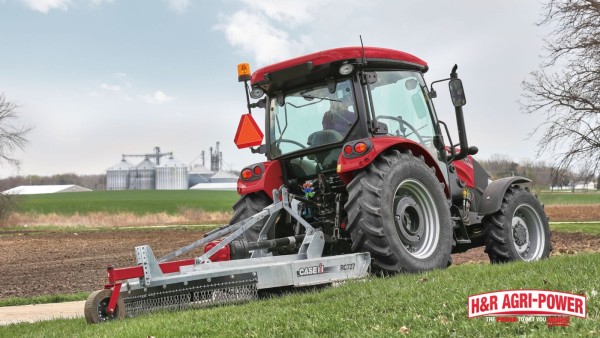
What Strategies Work Best for Clearing and Reclaiming Overgrown Lots with a Bush Hog?
The best strategies for clearing and reclaiming overgrown lots with a bush hog involve matching the approach to the vegetation type, following essential safety protocols, and preparing the lot before mowing begins. The following sections cover each step.
What Types of Overgrowth Can a Bush Hog Effectively Tackle?
The types of overgrowth a bush hog can effectively tackle include tall grass, dense weeds, thick brush, small saplings, and woody vegetation several inches in diameter. Heavy bramble, volunteer tree growth, and mixed broadleaf plants common on neglected parcels are well within a rotary cutter's capability.
Timing matters as much as equipment selection. According to the University of Wisconsin Extension, cutting woody plants in late summer after full leaf expansion reduces resprouting because root reserves are at their lowest. This makes a single well-timed pass far more effective than repeated mowing throughout the growing season.
Mature hardwood trees, large stumps, and metal debris embedded in the ground fall outside a bush hog's range. Identifying these obstacles before any pass protects both the operator and the equipment.
Which Safety Precautions Should Be Taken When Brush Hogging Overgrown Lots?
The safety precautions that should be taken when brush hogging overgrown lots center on operator awareness, equipment inspection, and maintaining safe distances from bystanders. Overgrown lots present hidden hazards that maintained properties do not, including concealed rocks, old fence wire, and uneven terrain.
Before each use, inspect the mower for loose bolts, damaged blades, and the proper functioning of safety shields and guards, as recommended by Ohio State University Extension. Keep all bystanders, especially children, well outside the work area. Overgrown lots also increase rollover risk on hidden slopes or ditches, so operating at controlled speeds with a rollover protective structure is essential.
Wearing eye and ear protection should be treated as non-negotiable, not optional. Even experienced operators encounter unexpected projectiles in dense, uncleared vegetation.
How Can Landowners Prepare a Lot Before Starting Bush Hog Work?
Landowners can prepare a lot before starting bush hog work by walking the entire area and removing obstacles that could damage equipment or create safety hazards.
Key preparation steps include:
-
Flagging or removing large rocks, metal debris, old fence posts, and concrete remnants.
-
Identifying hidden ditches, washouts, or steep grade changes that increase rollover risk.
-
Marking property boundaries to avoid encroaching on neighboring land.
-
Cutting or removing trees and limbs exceeding the bush hog's diameter capacity by hand or chainsaw first.
-
Checking for buried utility lines by contacting local 811 services.
Thorough lot preparation protects the operator and prevents costly blade or gearbox repairs. With the lot cleared of hidden hazards, choosing the right bush hog setup for the terrain becomes the next consideration.
How Do You Choose the Right Bush Hog Equipment for Each Type of Job?
You choose the right bush hog equipment by matching cutter size, tractor power, and attachments to the specific terrain and vegetation. The following sections cover key features, tractor requirements, and accessory selection.
What Are the Key Features to Look for in Bush Hogs for Different Terrains?
The key features to look for in bush hogs for different terrains include cutting width, deck height adjustment, and blade type. Flat, open roadsides benefit from wider cutting decks (6 to 7 feet) that cover ground efficiently. Tight fence rows demand narrower, offset models that reach under wire and along posts without snagging.
For overgrown lots with uneven ground, a bush hog with a floating deck and stump jumper protects both the machine and operator from hidden obstacles. Heavy-duty blades handle thick saplings and dense brush, while standard blades suit routine grass maintenance. Matching these features to the job site prevents equipment damage and reduces repeat passes.
Does Tractor Size and Power Matter for Bush Hog Operations?
Yes, tractor size and power matter significantly for bush hog operations. A tractor must supply enough PTO horsepower to drive the cutter through the target vegetation without stalling or overheating. Light roadside grass maintenance typically requires 25 to 50 PTO horsepower, while dense brush on overgrown lots can demand 50 horsepower or more.
According to the International Society of Arboriculture, a treatment that decreases undesirables while maintaining relatively low costs was determined as the most cost-effective approach. Oversizing the tractor wastes fuel and money; undersizing it causes premature wear on both the cutter and drivetrain. Balancing tractor weight also matters, since heavier machines provide better stability on slopes common along fence rows and roadsides.
How Should Attachments and Accessories Be Selected for Specific Clearing Needs?
Attachments and accessories should be selected based on the type of vegetation, terrain hazards, and desired outcome. Essential options to evaluate include:
-
Stump jumpers to deflect hidden stumps and rocks on overgrown lots.
-
Chain guards and rear deflectors to contain debris along roadsides and near fence lines.
-
Offset hitch kits to extend cutting reach beneath fences without repositioning the tractor.
-
Slip clutch or shear bolt PTO protection to safeguard the drivetrain when striking unseen obstacles.
Choosing the right combination of accessories reduces downtime and protects both the operator and surrounding structures. With equipment properly matched to the task, consistent maintenance keeps performance reliable over the long term.
What Maintenance Practices Ensure Reliable and Safe Bush Hog Operation?
Maintenance practices that ensure reliable and safe bush hog operation include routine inspection of blades, gearboxes, and PTO components, monitoring for common wear issues, and knowing when to seek professional service.
How Often Should Blades, Gearboxes, and PTO Components Be Inspected?
Blades, gearboxes, and PTO components should be inspected before every use. According to Ohio State University Extension, operators should check for loose bolts, damaged blades, and proper functioning of safety shields and guards before each mowing session. A practical inspection schedule includes:
-
Blades: Check for cracks, excessive wear, and balance before each session; sharpen or replace as needed every 25 to 50 operating hours.
-
Gearbox: Verify oil levels before use and change gearbox oil when necessary
-
PTO shaft and shielding: Inspect driveline guards, U-joints, and shear pins before connecting to the tractor; replace cracked or missing shields immediately.
-
Hardware and deck: Walk around the unit to tighten mounting bolts and confirm skid shoes are at the correct height.
Skipping pre-use checks is the fastest way to turn a routine mowing job into an expensive repair or a serious safety incident.
What Common Bush Hog Issues Should Users Watch For?
Common bush hog issues users should watch for include vibration, uneven cutting, fluid leaks, and sluggish PTO engagement. These symptoms often point to specific underlying problems:
-
Excessive vibration: Usually caused by bent or unbalanced blades, worn blade bolts, or a damaged stump jumper.
-
Uneven cut quality: Often results from incorrect deck height, uneven tire pressure, or one blade duller than the other.
-
Gearbox oil leaks: Indicate worn seals that, left unaddressed, lead to gear failure.
-
PTO engagement problems: May signal a worn clutch, damaged shear pin, or misaligned driveline.
-
Unusual noises: Grinding or knocking sounds typically point to bearing wear or loose internal components.
Addressing small symptoms early prevents cascading mechanical failures that sideline equipment during peak mowing season.
When Is Professional Service or Repair Recommended for Bush Hog Equipment?
Professional service or repair is recommended for bush hog equipment when issues exceed basic field-level maintenance. Gearbox rebuilds, PTO driveline balancing, structural welding on the deck, and internal bearing replacements all require specialized tools and diagnostic expertise. Persistent vibration that continues after blade replacement, recurring seal leaks after re-torquing, or any damage to the PTO shaft itself warrant immediate professional attention. Given that the PTO shaft rotates at nine times per second, as Penn State Extension documents, even minor driveline defects pose serious safety risks. Attempting complex drivetrain repairs without proper training increases the likelihood of incorrect reassembly and subsequent failure under load.
With a solid maintenance routine in place, the right equipment partner makes all the difference.
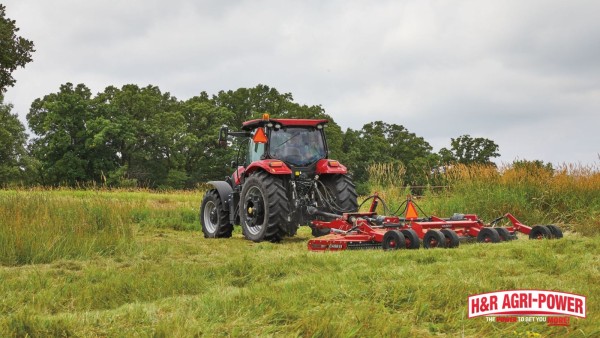
How Can H&R Agri-Power Support Your Brush Hogging and Land Maintenance Needs?
H&R Agri-Power can support your brush hogging and land maintenance needs through equipment sales, genuine parts, and professional service across 21 locations in six states.
What Equipment, Parts, and Service Solutions Does H&R Agri-Power Offer for Brush Hogging?
H&R Agri-Power offers a comprehensive range of equipment, parts, and service solutions for brush hogging. With over 50 years of experience, H&R Agri-Power carries top-tier brands including Bush Hog, Case IH, Kubota, and New Holland Equipment, providing tractors and implements suited to fence row clearing, roadside mowing, and overgrown lot reclamation.
Beyond equipment sales, H&R Agri-Power stocks replacement parts for blades, gearboxes, PTO components, and other critical bush hog wear items. Trained service technicians perform inspections, repairs, and maintenance at any of the 21 locations across Kentucky, Tennessee, Illinois, Alabama, Indiana, and Mississippi. For landowners who need guidance matching tractor size to rotary cutter specifications, H&R Agri-Power's team provides personalized recommendations based on terrain and clearing demands.
What Are the Main Takeaways About the Best Uses of Bush Hogs for Fence Rows, Roadsides, and Overgrown Lots?
The main takeaways about the best uses of bush hogs for fence rows, roadsides, and overgrown lots center on consistent timing, proper equipment selection, and safety-first operation.
-
Brush hogging fence rows prevents structural damage from encroaching woody growth and preserves access for repairs.
-
Roadside mowing improves driver visibility and reduces hazards, though it should balance vegetation health with safety goals.
-
Overgrown lot clearing restores usable land and can increase property value; according to the Virginia Cooperative Extension, relatively large landscape expenditures significantly increase perceived home value and result in a higher selling price.
-
Cutting height should remain at a minimum of six inches in areas with desirable grasses to encourage healthy regrowth.
-
Regular blade inspection, PTO maintenance, and proper tractor sizing keep operations safe and efficient.
Choosing the right equipment and maintaining a disciplined schedule turns brush hogging from a reactive chore into a proactive land management strategy.