

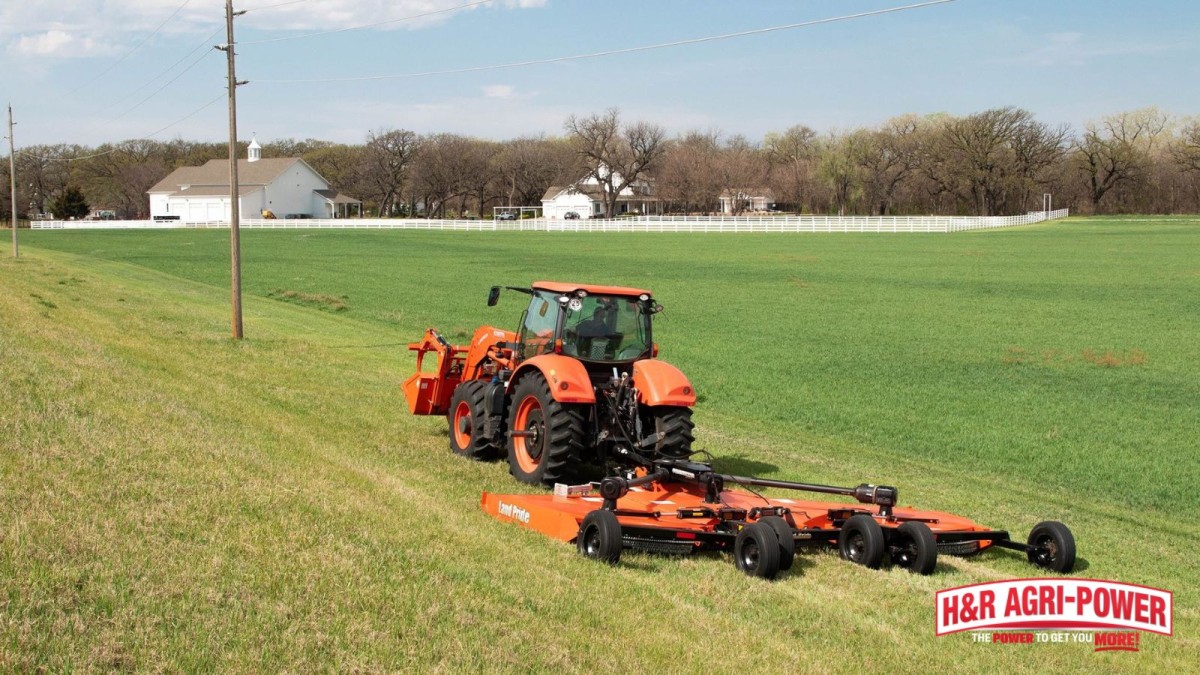
A bush hog safety checklist is a structured pre-season inspection that covers every critical component of your rotary cutter, your tractor connection, and your personal protective equipment before the first pass of mowing season. This process catches worn blades, missing guards, and mechanical failures while they are still easy to fix.
We cover pre-season inspection priorities, required PPE, mechanical readiness checks, safe operating procedures, proper tractor-to-implement connections, and how to handle problems found during your walkthrough.
Pre-season inspection protects operators and equipment alike. Nearly a quarter of all farm machinery injuries are tied to maintenance activities, and routine upkeep can cut repair costs by 25 percent. Skipping this step invites preventable breakdowns and serious injury risk.
The right personal protective equipment sets the foundation for every mowing session. Knowing which gear to wear, how to fit it correctly, and when to replace worn items keeps operators protected from flying debris, noise exposure, and rotating components.
Mechanical readiness means examining blades for cracks or imbalance, confirming shields and guards are intact, and verifying drivetrain components operate smoothly. OSHA requires that all power take-off shafts, gears, belts, and revolving components remain fully guarded during operation.
Safe startup, shutdown, and work-area clearing procedures prevent the most common brush hogging accidents. Proper PTO shaft inspection and correct hitching eliminate connection failures that can cause catastrophic detachment mid-operation.
When your checklist reveals a problem, knowing whether to repair it yourself or call a professional determines whether the fix holds through a full season of heavy cutting.
Why Is Pre-Season Bush Hog Inspection Important?
Pre-season bush hog inspection is important because it prevents safety hazards, reduces costly breakdowns, and keeps equipment running reliably when mowing demands peak. The sections below cover specific risks of skipping inspections and how routine checks minimize downtime.
What Are the Risks of Skipping a Bush Hog Safety Checklist?
The risks of skipping bush hog safety checklist include blade separation, laceration hazards, undetected mechanical failures, and serious operator injury. Bush Hog coordinates with AEM (Association of Equipment Manufacturers) on industrial and agricultural mower safety practices, maintaining dedicated recall and safety resources for rotary cutters and zero-turn mowers. Neglecting a pre-season checklist means worn blades, damaged shields, or compromised PTO guards can go unnoticed until they fail during operation.
Common risks of skipped inspections include:
-
Loose or cracked blades detaching at high RPM and striking operators or bystanders.
-
Missing or damaged safety shields exposing rotating components.
-
Undetected hydraulic leaks causing sudden loss of implement control.
-
Worn driveline components failing under load mid-season.
Even a single overlooked item can escalate from a minor repair into a serious incident. For operators managing multiple implements, a documented checklist creates accountability that casual walk-arounds simply cannot match.
How Can Routine Inspections Reduce Equipment Downtime?
Routine inspections reduce equipment downtime by catching wear and failure points before they escalate into mid-season breakdowns. According to University of Nebraska Extension research reported by Farm Progress, improved routine maintenance procedures can reduce machinery repair costs by 25 percent.
Storage conditions also play a measurable role. Machinery stored inside experienced only 7.6% downtime, while unhoused equipment reached 14.3% downtime. Properly sheltering a bush hog between seasons, combined with scheduled inspections, compounds these savings significantly.
Key practices that lower downtime include:
-
Inspecting blades, bearings, and gearboxes before the first cut of the season.
-
Checking fluid levels and replacing filters on a set schedule.
-
Using block heaters for tractors in cold climates to reduce engine drag from thickened oils.
Investing a few hours in pre-season inspection consistently prevents days of unplanned repairs. With mechanical readiness confirmed, operators can focus on proper safety gear and protective equipment.
What Personal Protective Equipment (PPE) Is Required for Safe Bush Hog Operation?
The personal protective equipment required for safe bush hog operation includes eye protection, hearing protection, sturdy footwear, long pants, and close-fitting clothing. The sections below cover essential gear and how to inspect and wear PPE correctly.
Which Safety Gear Is Essential Before Starting a Bush Hog?
The safety gear essential before starting a bush hog includes:
-
Impact-rated safety glasses or a face shield to guard against debris thrown by rotary blades at high speed.
-
Hearing protection such as earmuffs or foam earplugs, since tractor and cutter noise routinely exceeds safe decibel levels.
-
Steel-toed or heavy leather boots with slip-resistant soles to protect feet during mounting, dismounting, and walk-around inspections.
-
Long pants and close-fitting clothing to prevent fabric from catching on PTO shafts or moving components.
-
Work gloves for blade inspection and maintenance tasks where sharp edges pose a laceration risk.
Operators working in dusty or arid conditions should also consider a dust mask. Removing sand and dust from filter elements before and after daily operation is recommended in those environments, and respiratory protection keeps particulates out of the operator's airway during prolonged mowing.
How Should Operators Check and Wear PPE Effectively?
Operators should check and wear PPE effectively by inspecting each item before every use and ensuring a secure, comfortable fit. Damaged or worn gear cannot provide reliable protection.
-
Examine lenses on safety glasses for cracks, deep scratches, or loose frames that reduce impact resistance.
-
Test earmuff seals by pressing cups firmly against the head; worn cushions allow noise to leak through.
-
Inspect boot soles for smooth spots or separating treads that compromise traction on wet or uneven terrain.
-
Replace gloves that show cuts, tears, or stiffened leather, since compromised material will not stop a blade edge.
Fit matters as much as condition. Loose clothing or untucked shirts can wrap around rotating shafts in a fraction of a second. Tuck all garments in, secure cuffs, and remove jewelry before mounting the tractor. Making PPE inspection part of the pre-operation checklist builds a habit that protects operators season after season.
With the right protective gear in place, the next step is confirming the bush hog itself is mechanically ready.
How Do You Inspect the Bush Hog for Mechanical Readiness?
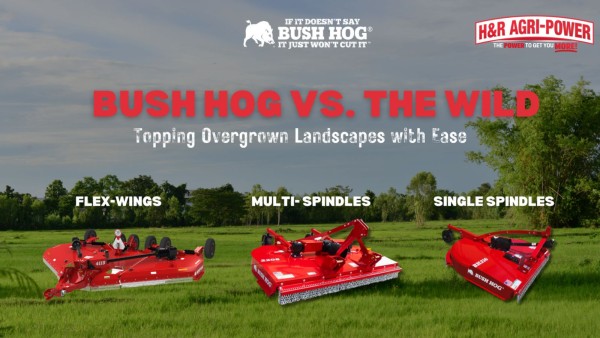
You inspect the bush hog for mechanical readiness by systematically checking high-wear components, safety guards, and drivetrain connections before each use. The following sections cover which parts demand the most attention and how to evaluate blades, shields, and drivetrains.
Which Parts of the Bush Hog Need the Most Attention During Inspection?
The parts of the bush hog that need the most attention during inspection are the cutting blades, PTO shielding, gearbox, and deck structure. These components absorb the highest stress loads during operation and deteriorate fastest between seasons.
Key areas to prioritize include:
-
Cutting blades for cracks, excessive wear, and proper bolt torque.
-
PTO shaft shielding for cracks, missing sections, or seized bearings.
-
Gearbox for oil level, leaks, and unusual play in the output shaft.
-
Deck and skid shoes for rust-through, weld cracks, and uneven wear.
-
Hydraulic hoses and fittings for abrasion, leaks, or dry rot.
According to NIOSH, 24.5% of all farm machinery injuries are related to machine maintenance. Overlooked wear on any of these parts creates both mechanical failure risk and serious personal injury hazards, making thorough inspection non-negotiable before mowing season begins.
What Steps Should You Take to Check Blades, Shields, and Drivetrains?
The steps you should take to check blades, shields, and drivetrains follow a consistent sequence: disconnect power, visually inspect, physically test, and confirm guard placement.
-
Disengage the PTO and shut off the tractor before touching any component.
-
Inspect each blade by rotating it by hand; check for cracks, bends, and secure bolt fastening.
-
Examine all shields and guards to confirm they are intact, properly mounted, and free of damage.
-
Check the driveline by inspecting U-joints for excessive play, verifying shear pin condition, and greasing all zerks.
-
Spin the gearbox output shaft to feel for roughness or binding that signals bearing wear.
OSHA requires that all revolving shafts, guards, shields, and access doors remain in place during operation. For most operators, investing ten extra minutes in this hands-on sequence before startup prevents the kind of mid-field breakdowns that cost entire workdays.
With mechanical readiness confirmed, following proper safety procedures during startup and operation keeps both the operator and bystanders protected.
What Safety Procedures Should You Follow Before and During Bush Hog Use?
The safety procedures you should follow before and during bush hog use include clearing the work area of hazards and following safe startup and shutdown practices. These steps protect operators, bystanders, and equipment.
How Should You Clear the Work Area of Hazards?
You should clear the work area of hazards by walking the entire mowing zone on foot before starting the bush hog. Rotary cutters spin blades at high speed, turning overlooked objects into dangerous projectiles. A thorough area sweep is one of the simplest steps that dramatically reduces injury risk.
Key hazards to identify and remove include:
-
Rocks, stumps, and large branches that can damage blades or become airborne.
-
Fence posts, wire, and metal debris that can wrap around the drivetrain.
-
Holes, ditches, and washouts that risk tipping the tractor on uneven ground.
-
Livestock, pets, and bystanders within the discharge zone.
Mark any fixed obstacles you cannot remove, such as wellheads or buried utility markers, with visible flags. Establishing a clear safety perimeter of at least 300 feet around the mowing path keeps people and animals out of the projectile range. This pre-mow walkthrough takes minutes yet prevents the most common brush hogging accidents.
What Are Safe Startup and Shutdown Practices for Brush Hogging?
Safe startup and shutdown practices for brush hogging follow a deliberate sequence that protects both the operator and the equipment. Rushing either phase is a leading cause of preventable incidents with rotary cutters.
For startup, follow these steps in order:
-
Confirm all shields, guards, and safety decals are properly installed.
-
Engage the PTO at low engine RPM to reduce shock loads on the drivetrain.
-
Gradually increase throttle to the manufacturer's recommended operating speed.
-
Verify the cutter is spinning freely before lowering it into vegetation.
For shutdown, reverse the process:
-
Raise the bush hog completely off the ground.
-
Reduce engine RPM to idle before disengaging the PTO.
-
Wait for all rotating components to stop fully before dismounting.
-
Set the parking brake and remove the ignition key.
Bush Hog coordinates with AEM (Association of Equipment Manufacturers) on rotary cutter safety practices and provides manufacturer-specific safety videos covering these procedures. Never dismount while blades are still spinning; components can continue rotating well after the PTO is disengaged. Following a consistent sequence each time builds safe habits that carry through the entire mowing season.
With safe operating procedures established, maintaining the connection between your tractor and implement is the next critical link in the safety chain.
How Do You Maintain Proper Tractor and Implement Connection?
You maintain proper tractor and implement connection by inspecting the PTO shaft, verifying safety guards, and confirming correct hitch alignment before every use. The following sections cover PTO and guard inspection points along with common hitching errors.
What Should You Look for in the PTO Shaft and Safety Guards?
You should look for wear, damage, and proper shielding on the PTO shaft and safety guards before engaging any rotary cutter. A cracked or bent PTO shaft can fail under load, sending components into dangerous rotation without control.
Key inspection points include:
-
Confirm the master shield is securely mounted on the rear PTO and free of cracks or bends.
-
Check that the PTO shaft guard rotates freely and has no missing or broken sections.
-
Verify all revolving shaft projections, including bolts, keys, and set screws, are fully guarded.
-
Inspect universal joints for excessive play, worn cross bearings, or missing retaining clips.
-
Ensure the driveline length matches the tractor-to-implement distance so the shaft does not bottom out or separate during turns.
According to OSHA Standard 1928.57, all power take-off shafts must be guarded by a master shield or equivalent protective guarding, and that shield must withstand 250 pounds of force without permanent deformation. Never operate a bush hog with missing or damaged PTO guards; even brief exposure to an unshielded rotating shaft can cause severe entanglement injuries.
How Can Hitching Errors Lead to Safety Hazards?
Hitching errors lead to safety hazards by creating unstable connections that allow implements to detach, shift, or transfer unpredictable loads to the tractor during operation. An improperly pinned three-point hitch, for example, can let a bush hog drop suddenly on uneven terrain, damaging the PTO driveline or pulling the tractor's rear axle off balance.
Common hitching mistakes that create dangerous conditions include:
-
Using the wrong hitch category pins, which allows lateral play and uneven cutting angles.
-
Failing to lock lift arm pins and check links, letting the implement swing freely.
-
Setting the top link too long or too short, which tilts the cutter deck and overloads one side of the drivetrain.
-
Skipping the safety chain on pull-type implements, removing the last connection point if the primary hitch fails.
A 2013 study published through a North Dakota Level I Trauma Center found that tractor injuries carry the highest mean Injury Severity Score among all farm machinery incidents. Many of these injuries trace back to connection failures that proper pre-operation hitching checks would prevent. Taking an extra two minutes to walk around the hitch point and physically test every pin, clip, and chain is one of the simplest ways to avoid a catastrophic failure in the field.
What Should You Do If You Identify a Problem on the Checklist?
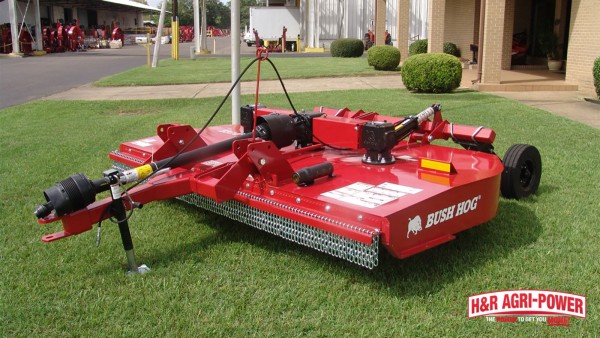
If you identify a problem on the checklist, you should assess the severity and determine whether a self-repair is safe or professional service is required. The following sections cover DIY repair boundaries and the consequences of operating with unresolved issues.
When Is It Safe to Repair Equipment Yourself Versus Calling a Professional?
It is safe to repair equipment yourself when the task involves basic maintenance items that require no specialized tools or structural disassembly. Most major farm equipment manufacturers recommend a core set of owner-level tasks:
-
Clean equipment and protect exposed surfaces.
-
Check fluid levels and fill accordingly.
-
Inspect batteries and tires, then charge or inflate as needed.
-
Review the owner's manual for model-specific suggested actions.
These routine items fall within a typical operator's skill set. However, any repair involving guards, shields, or safety-critical components demands professional attention. According to OSHA, guards, shields, and access doors must be in place when equipment is in operation, and where removal of a guard exposes employees to components that continue rotating after power is disengaged, employers must provide visible or audible warnings and safety signs. If a blade assembly is cracked, a PTO shield is damaged, or structural welding is needed, the risk of serious injury makes professional service the only responsible choice.
What Are the Risks of Operating with Unresolved Safety Issues?
The risks of operating with unresolved safety issues include severe personal injury, increased equipment damage, and significant financial loss. A missing guard or worn blade does not simply reduce performance; it creates conditions where lacerations, entanglement, or ejected debris can cause permanent harm. According to Workplace Safety & Prevention Services (WSPS), safety investment returns range from 24% to 114% depending on the sector, which underscores how costly it is to defer repairs compared to addressing them proactively.
Unresolved mechanical problems also compound over time. A small hydraulic leak left unchecked can damage seals, contaminate fluid systems, and eventually require a full rebuild that costs several times more than the original fix. For any issue flagged during your bush hog safety checklist, the safest approach is to take the equipment out of service until the problem is fully corrected.
With a clear process for handling checklist issues, partnering with a qualified dealer keeps your equipment safe and field-ready.
How Can H&R Agri-Power Support Your Bush Hog Safety and Maintenance Needs?
H&R Agri-Power can support your bush hog safety and maintenance needs through expert inspection services, genuine parts availability, and professional guidance across 21 locations in six states.
What Inspection and Maintenance Services Does H&R Agri-Power Offer for Bush Hog Owners?
H&R Agri-Power offers bush hog owners thorough equipment inspections, parts replacement, and pre-season maintenance services. With over 50 years of experience and specialization in brands such as Case IH, Kubota, and New Holland Equipment, H&R Agri-Power provides comprehensive support that goes beyond the initial sale. Trained service technicians can evaluate blade condition, PTO shaft integrity, shield placement, and drivetrain components. H&R Agri-Power stocks genuine replacement parts across all 21 dealership locations in Kentucky, Tennessee, Illinois, Alabama, Indiana, and Mississippi, reducing wait times for critical safety components. For operators unsure whether an issue requires professional attention, H&R Agri-Power's service teams can diagnose problems before they become field hazards.
What Are the Key Takeaways About Bush Hog Safety Checklist Before You Start Mowing Season We Covered?
The key takeaways about bush hog safety checklist before you start mowing season center on consistent pre-operation inspection, proper PPE use, and timely professional service.
-
Pre-season inspection catches worn blades, damaged shields, and drivetrain issues before they cause injuries or costly breakdowns.
-
Proper personal protective equipment, including eye protection, hearing protection, and sturdy footwear, reduces operator injury risk during every mowing session.
-
PTO shafts, safety guards, and hitch connections require verification before each use to prevent catastrophic failures.
-
Clearing the work area of rocks, stumps, and debris protects both operators and bystanders from thrown objects.
-
Addressing checklist problems immediately, rather than operating with known defects, is the single most effective way to prevent accidents.
Routine maintenance consistently proves more cost-effective than reactive repairs, and investing time in a structured safety checklist pays dividends in both equipment longevity and personal safety. H&R Agri-Power stands ready to help with any inspection or maintenance need that falls outside a standard pre-season checklist.