

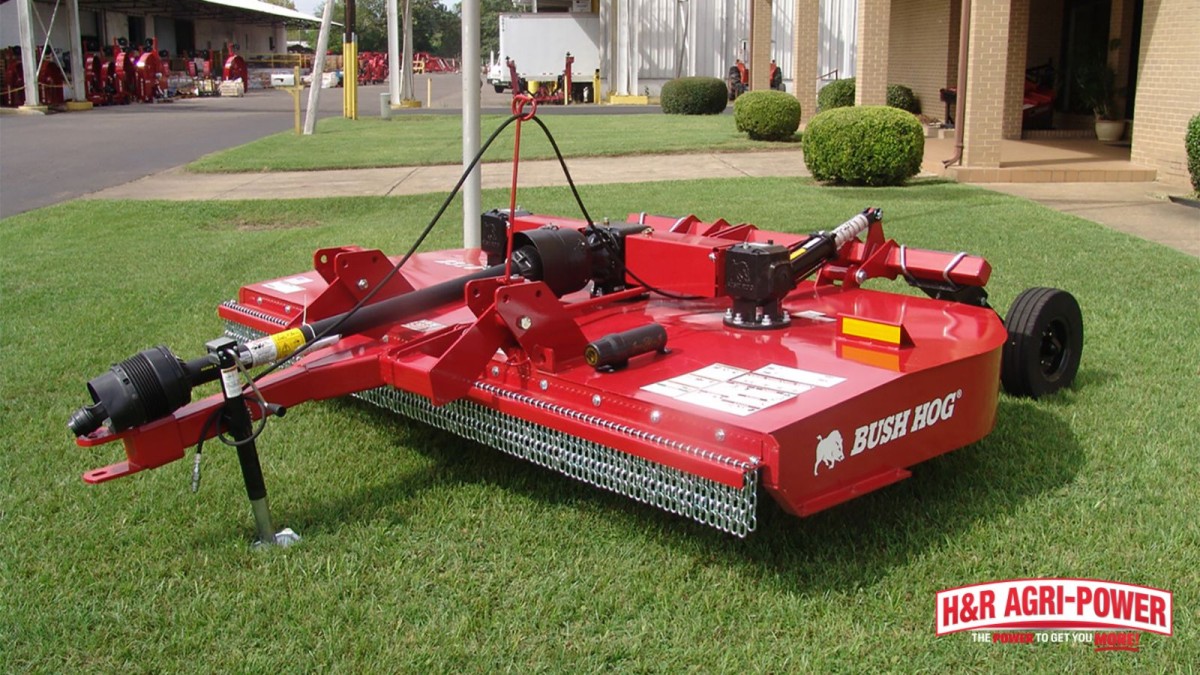
Bush Hog rotary cutters and finish mowers are tractor-mounted implements designed to clear brush, maintain pastures, and manage overgrown land on small farming operations. We built this guide to cover implement types and selection criteria, land management efficiency, maintenance and longevity, safety practices, and brand and dealer support.
Rotary cutters and finish mowers each serve distinct roles on properties under 50 acres. Matching the right implement to your acreage, terrain, and tractor horsepower prevents the common mistake of buying equipment that is oversized or underpowered for the work at hand.
Keeping fields, trails, and fence lines clear directly affects pasture health, property access, and overall productivity. The right Bush Hog tool replaces hours of manual labor with consistent, repeatable cuts that sustain usable land season after season.
Routine maintenance intervals for gearbox oil, CV joints, blades, and protective components like stump jumpers and slip clutches determine how long an implement stays in service. Following manufacturer schedules reduces repair costs and prevents downtime during peak mowing seasons.
PTO systems, thrown debris, and rollovers rank among the leading causes of serious injury during tractor operations. Proper PPE, pre-operation inspections, and safe operating habits reduce these risks significantly.
Comparing parts quality, dealer responsiveness, and product support helps small farm owners invest wisely. Working with an experienced local dealer like H&R Agri-Power connects you to expert guidance on sizing, configuration, and ongoing service across their 17 Bush Hog locations.
What Types of Bush Hog Tools Are Best Suited for Small Farms?
The best Bush Hog tools for small farms are rotary cutters sized between 44 inches and 7 feet, matched to the property's acreage and tractor horsepower. Below, we compare rotary cutters to other implements and outline what to evaluate before buying.
How Do Rotary Cutters Compare to Finish Mowers for Small Operators?
Rotary cutters compare favorably to finish mowers for small operators because they handle heavy brush, tall grass, and light saplings that finish mowers cannot manage. The Bush Hog BH110 Series rotary cutters, available in 44-inch, 56-inch, and 68-inch cutting widths, are designed for properties under 50 acres and can handle brush up to 1 inch in diameter.
Finish mowers produce a manicured appearance on maintained turf, but do not match a rotary cutter's ability to clear overgrown fields or rough terrain. For most small farm owners who need versatile brush control rather than a groomed lawn, a properly sized rotary cutter delivers the strongest return.
Routine upkeep is straightforward: according to the Bush Hog rotary cutter operator's manual, operators should lubricate the constant velocity (CV) joint every 8 hours of operation and change the gearbox oil when necessary.
What Should Small Farm Owners Look for When Choosing a Bush Hog Rotary Cutter or Finish Mower?
Small farm owners should look for proper tractor-to-implement sizing, terrain suitability, protective features, and total cost of ownership when choosing a Bush Hog rotary cutter or finish mower. Key selection criteria include:
-
Acreage and cutting width: Match the mower's width to your property size so you cover ground efficiently without overtaxing a smaller tractor.
-
Terrain characteristics: Hilly, rocky, or wet ground demands features like a stump jumper, which protects the gearbox by sliding over hidden obstacles.
-
Tractor compatibility: Verify PTO horsepower requirements and three-point hitch category before purchasing any implement.
-
Protective components: A slip clutch on the input driveline dampens impact when blades strike stationary objects, preventing costly PTO and gearbox damage.
According to the Small Farms Network, the "use factor" often drives the own-versus-hire decision; ownership costs per acre remain relatively high for small amounts of work, making custom hiring more cost-effective for some operators. Repair costs, typically estimated at 5% of purchase price annually, should factor into that calculation.
Matching the right tool to your specific tasks upfront prevents the most common and most expensive buying mistakes.
Why Is Bush Hog Equipment Important for Efficient Land Management on Small Farms?
Bush Hog equipment is important for efficient land management on small farms because it enables fast vegetation control across pastures, fields, and trails with minimal labor. The following sections cover maintenance improvements and cost savings compared to manual methods.
How Can Bush Hog Rotary Cutters and Finish Mowers Improve Pasture, Field, or Trail Maintenance?
Bush Hog rotary cutters and finish mowers improve pasture, field, and trail maintenance by cutting dense vegetation quickly and uniformly across large areas. Rotary cutters handle overgrown brush and weeds that would otherwise choke grazing land, while finish mowers produce clean, even surfaces along trails and around farm buildings.
Consistent mowing prevents woody plant encroachment, promotes healthier grass regrowth, and reduces habitat for pests like ticks and snakes. According to a Farm Equipment dealer survey, the five most important characteristics for manufacturer performance are parts quality, manufacturer responsiveness, product technical support, dealer network coverage, and customer satisfaction ratings. Bush Hog's long-standing reputation in each of these areas makes it a reliable choice for owners who depend on uptime during peak mowing seasons.
What Time and Cost Savings Do Bush Hog Rotary Cutters and Finish Mowers Offer Compared to Manual Methods?
Bush Hog rotary cutters and finish mowers offer significant time and cost savings compared to manual methods by covering more ground per hour with far less physical effort. Hand-clearing an acre of overgrown pasture with a string trimmer or machete can take an entire day; a properly sized rotary cutter accomplishes the same work in a fraction of that time.
Bush Hog HDTH Finish Mowers, for example, feature blade tip speeds over 18,200 feet per minute and offer cutting widths from 60 to 99 inches with tractor horsepower requirements ranging from 15 to 35 HP. That combination of speed and width means a small farm owner can maintain several acres in a single session. When factoring in reduced labor hours and fewer repeat passes, the per-acre cost of ownership often drops well below hiring custom contractors season after season. For small properties where every hour of daylight counts, mechanized Bush Hog tools convert manual drudgery into efficient, repeatable land management.
How Do You Maintain and Extend the Life of Your Bush Hog Rotary Cutter and Finish Mower?
You maintain and extend the life of your Bush Hog rotary cutter and finish mower through consistent lubrication, timely fluid changes, and scheduled component inspections. The following sections cover essential maintenance steps and recommended inspection intervals.
What Are the Essential Maintenance Steps for Bush Hog Rotary Cutters and Finish Mower?
The essential maintenance steps for Bush Hog rotary cutters and finish mowers include regular lubrication, gearbox oil service, blade inspection, and driveline care. According to Woods Equipment, routine maintenance for rotary cutters includes lubricating the constant velocity (CV) joint every 8 hours of operation.
Key maintenance tasks include:
-
Greasing all zerks and the CV joint after every 8 hours of use.
-
Changing gearbox oil when necessary
-
Inspecting blades for cracks, uneven wear, or missing bolt hardware before each use.
-
Checking the slip clutch for proper tension so it can protect the PTO and gearbox on impact.
-
Cleaning the deck underside to prevent material buildup that accelerates corrosion.
Staying ahead of these tasks prevents small issues from becoming costly gearbox or driveline failures.
How Often Should Key Bush Hog Rotary Cutter Components Be Inspected or Replaced?
Key Bush Hog rotary cutter components should be inspected or replaced on a schedule tied to operating hours and seasonal use patterns. Blades typically need sharpening or replacement every 25 to 50 hours, depending on terrain and vegetation density. The stump jumper, a dish-shaped plate that protects the gearbox by deflecting rocks and stumps, should be checked for cracks or excessive wear before each mowing season.
Recommended inspection intervals include:
-
Blades: Inspect every use; sharpen or replace when necessary
-
Gearbox seals: Inspect before each use for oil leaks during active use.
-
Slip clutch: Evaluate before first use after the implement has been stored for 30 days or more.
Since repair costs for farm equipment are typically estimated at 5% of the purchase price annually, proactive inspections significantly reduce unexpected downtime and total ownership cost. With a solid maintenance routine established, safe operating practices become the next priority.
What Safety Considerations Should Small Farm Owners Know About Using Bush Hog Rotary Cutters and Finish Mowers?
The safety considerations small farm owners should know about using Bush Hog rotary cutters and finish mowers include recognizing hazards like PTO entanglement, thrown debris, and rollovers, plus wearing proper PPE and following pre-operation checks.
What Are the Main Safety Hazards Associated With Brush Hogging?
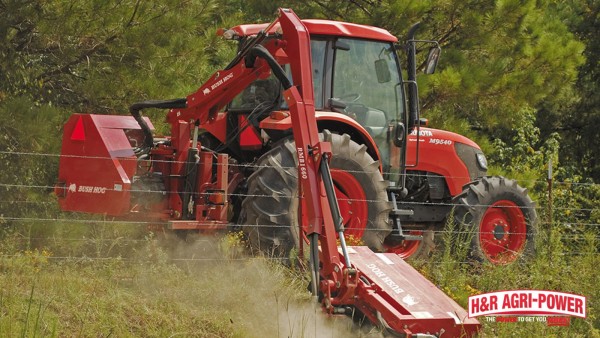
The main safety hazards associated with brush hogging are PTO entanglement, thrown debris, and tractor overturns. According to the Occupational Safety and Health Administration (OSHA), most farmworker injuries and deaths related to tractor operations are caused by incidents such as overturns, runovers, and power take-off systems. Hidden obstacles like rocks, stumps, and fence posts create additional risks; when struck by spinning blades, these objects can be launched at dangerous speeds. Steep or uneven terrain increases rollover potential, particularly when operators turn too sharply on hillsides. For small farm owners who may operate equipment less frequently than commercial operators, unfamiliarity with specific ground conditions compounds these hazards significantly.
What Precautions and Equipment Can Prevent Common Accidents?
The precautions and equipment that can prevent common brush hogging accidents include proper PPE, pre-operation inspections, and safe operating habits. The University of Tennessee Institute of Agriculture recommends safety glasses, hearing protection, safety shoes, and a reflective garment or vest as essential PPE for brush hog mower operation. Before each use, operators should:
-
Walk the cutting area to identify and remove rocks, wire, and debris.
-
Verify all PTO shields and guards are securely in place.
-
Confirm chain guards and rear deflectors are undamaged.
-
Check hydraulic lines for leaks or wear.
During operation, maintaining a safe distance from bystanders and structures reduces the risk of injury from thrown objects. Never dismount while the PTO is engaged, and always disengage the cutter before backing up or making sharp turns. Matching equipment properly to your tractor's horsepower and weight also prevents mechanical failures that lead to accidents, making dealer guidance from specialists like H&R Agri-Power a practical first step toward safer operation.
How Can Small Farm Owners Choose the Best Bush Hog Rotary Cutter and Finish Mower Models?
Small farm owners can choose the best Bush Hog rotary cutter and finish mower models by evaluating dealer support, parts availability, and how well each model matches their specific acreage and terrain. The following sections cover distinct brand strengths and sizing considerations.
What Sets Leading Brands Like Bush Hog Apart for Small Properties?
Leading brands like Bush Hog are set apart for small properties by their dealer networks, parts quality, and product support ecosystems. According to a Farm Equipment dealer survey, the five most important characteristics for manufacturer performance are parts quality, manufacturer responsiveness, product technical support, dealer network coverage, and customer satisfaction ratings. Bush Hog manufactures purpose-built rotary cutters and finishing mowers that provide great value for properties under 50 acres.
For small properties, prioritizing a brand with strong local dealer presence often matters more than the implement itself, because accessible parts and service minimize costly downtime during peak mowing seasons.
How Do You Pick the Right Size and Configuration for Your Farm's Unique Needs?
You pick the right size and configuration for your farm's unique needs by matching cutting width and implement weight to your tractor's horsepower, your acreage, and your terrain. According to a Morning Ag Clips report, a common mistake for first-time farm machinery buyers is selecting equipment without first outlining the specific tasks the machine must perform, often leading to implements that are either over-sized or under-powered.
Key factors to evaluate include:
-
Acreage: Properties under 10 acres may only need a 4-foot cutter, while 20 to 50 acres typically calls for larger cutting widths.
-
Terrain: Hilly, rocky, or wet ground demands lighter implements with protective features like slip clutches and stump jumpers.
-
Tractor compatibility: Utility tractors in the 25 to 50 HP range handle most small-farm rotary cutters, but always verify PTO horsepower requirements against the implement's specifications.
Getting this match right from the start prevents unnecessary repair costs and ensures efficient field coverage across seasons.
How Can Local Equipment Dealers Like H&R Agri-Power Help Small Farm Owners Maximize Value With Bush Hog Rotary Cutters and Finish Mowers?
Local equipment dealers like H&R Agri-Power help small farm owners maximize value with Bush Hog rotary cutters and finish mowers by providing expert guidance on implement selection, hands-on maintenance support, and long-term service partnerships. The following sections cover specific support offerings and key takeaways from this article.
What Expert Support and Maintenance Services Does H&R Agri-Power Offer for Bush Hog Rotary Cutters and Finish Mowers?
H&R Agri-Power offers expert support and maintenance services for Bush Hog rotary cutters and finish mowers through parts availability, equipment servicing, and personalized implement matching across 17 Bush Hog locations in Kentucky, Tennessee, Illinois, Indiana, and Mississippi. With over 50 years of experience, H&R Agri-Power specializes in brands including Bush Hog.
One of the most valuable services a knowledgeable dealer provides is helping buyers avoid costly mismatches. According to Morning Ag Clips, a common mistake for first-time farm machinery buyers is selecting equipment without first outlining specific tasks, often leading to implements that are either over-sized or under-powered for their intended use. H&R Agri-Power's team evaluates factors such as acreage, terrain type, and attachment compatibility before recommending a Bush Hog model, ensuring small farm owners invest in the right tool from the start.
What Are the Key Takeaways About Bush Hog Tools That Deliver the Most Value for Small Farm Owners We Covered?
The key takeaways about Bush Hog tools that deliver the most value for small farm owners center on proper sizing, consistent maintenance, and safety awareness.
-
Small farm utility tractors typically range from 25 to 50 HP, so matching a Bush Hog rotary cutter or finish mower to that power range prevents performance issues and premature wear.
-
Selection should be driven by acreage, terrain characteristics, and the specific tasks the rotary cutter or finish mower must perform, not by price alone.
-
Routine maintenance, including gearbox servicing and blade inspection, extends implement life and protects your investment.
-
Safety remains critical; according to OSHA, most farmworker injuries and deaths related to tractor operations involve overturns, runovers, and PTO systems.
For small farm owners weighing these decisions, working with a dealer that combines product knowledge with ongoing service support makes the difference between equipment that sits idle and equipment that pays for itself season after season.