

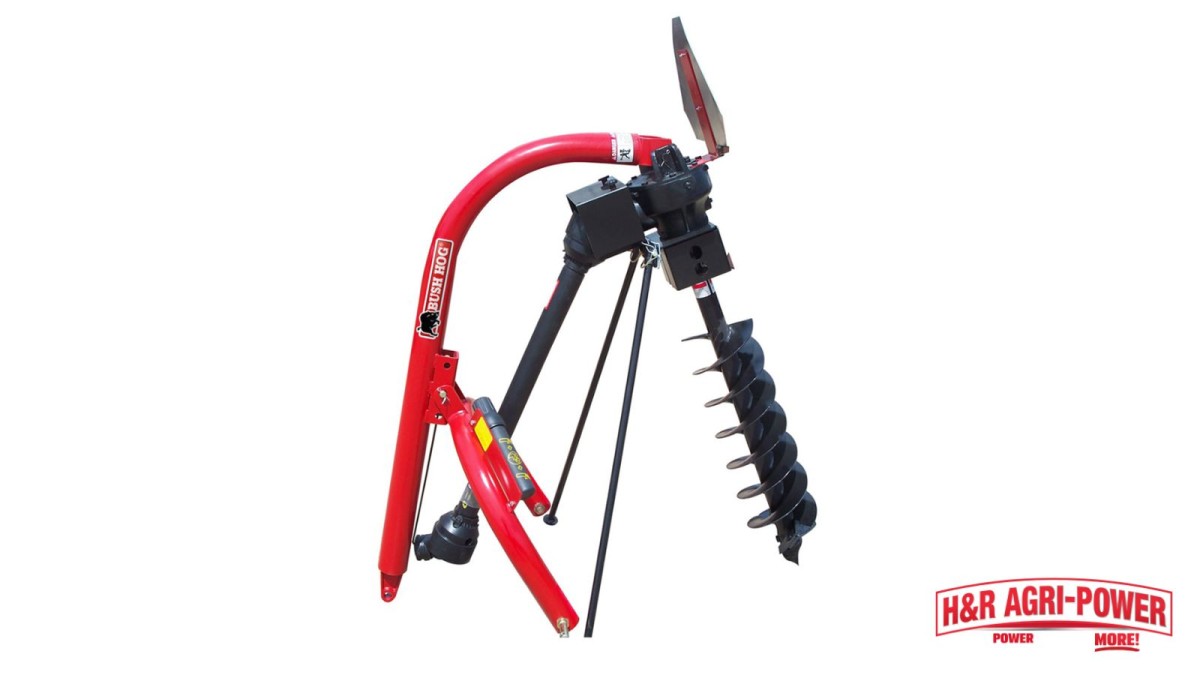
A Bush Hog post hole digger is a tractor-mounted, PTO-driven attachment that uses a rotating auger to bore clean, consistent holes for fence posts, barn supports, and other agricultural structures. These diggers connect to a tractor's three-point hitch and power take-off shaft, converting engine power into high-torque drilling force that cuts through soil in minutes rather than the 15 to 20 minutes manual methods require per hole.
This guide covers why Bush Hog diggers suit fence and barn construction, how to select and maintain the right model, how to adapt your approach across soil types and conditions, and where to purchase these attachments with dealer support across the United States.
Bush Hog offers both standard gear-drive and planetary hydraulic drive post hole diggers, with models producing output torques up to 3,582 ft-lbs. That range of power makes them effective for everything from simple property line fencing to heavy structural barn posts, even in demanding ground conditions.
Choosing the correct digger depends on your tractor's horsepower, PTO speed rating, and the scale of your project. Compatibility between the digger, auger size, and tractor specifications directly affects drilling performance and operator safety.
Routine maintenance (inspecting auger blades, monitoring hydraulic fluid, and replacing wear parts on schedule) keeps these attachments reliable across seasons of use. Recognizing early signs of dull blades or hydraulic issues prevents costly downtime during critical building windows.
Soil composition changes how you operate the digger. Sandy, clay, and rocky ground each demand specific adjustments to RPM, downward pressure, and auger selection to prevent equipment damage and produce stable, plumb post holes.
Why Choose a Bush Hog Post Hole Digger for Fence and Barn Construction?
A Bush Hog post hole digger delivers the torque, speed, and durability needed to set fence posts and barn supports efficiently across demanding agricultural terrain. Below, we cover how these diggers work, the features that set them apart, and the models available.
How Does a Bush Hog Post Hole Digger Work for Digging Fence Post Holes?
A Bush Hog post hole digger works by connecting to a tractor's three-point hitch and drawing rotational power from the 540 RPM PTO shaft. The PTO spins a gearbox that drives the auger at controlled speeds; the Bush Hog PHD2402, for example, delivers an auger speed of 170 RPM through a 3.18:1 gear ratio. Once positioned over the marked hole location, the operator lowers the spinning auger into the ground while keeping engine speed at or below 1,200 RPM.
A powered auger can create a circular hole in just a few minutes, while manual digging typically requires 15 to 20 minutes per hole, according to SteerSkid. That time savings compounds quickly across a full fence line or barn perimeter. For anyone facing dozens or hundreds of post holes, a PTO-driven digger is the most practical path to consistent depth and diameter.
What Features Make Bush Hog Post Hole Diggers Ideal for Agricultural Projects?
The features that make Bush Hog post hole diggers ideal for agricultural projects center on high torque output and heavy-duty construction. According to Bush Hog, the Planetary Hydraulic drive delivers a high torque level to power the auger through the most demanding conditions, including compacted clay and root-laden soil.
Key features include:
-
Planetary hydraulic drive models producing up to 3,582 ft-lbs of maximum output torque (PHDHC35).
-
Compatibility with standard 540 RPM PTO shafts found on most farm tractors.
-
Multiple auger size options to match hole diameter requirements for fence posts, pole barns, and signage.
-
Robust gearbox housings designed to withstand continuous use across large acreages.
This combination of power and versatility makes Bush Hog a strong fit for projects that range from perimeter fencing to structural post installation.
What Types of Bush Hog Post Hole Diggers Are Available?
The types of Bush Hog post hole diggers available fall into two primary categories: PTO-driven models and planetary hydraulic drive models.
-
PTO-driven models (PHD Series): The PHD2402 uses a mechanical gearbox with a 3.18:1 gear ratio and 170 RPM auger speed. These units suit standard fence building and lighter-duty barn projects on tractors with 540 RPM PTO output.
-
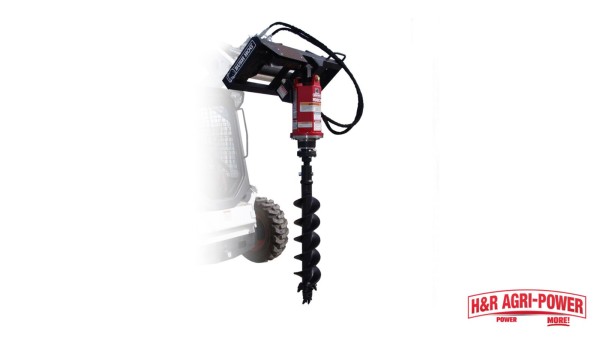
Planetary Hydraulic Drive models (PHDHF Series): The PHDHF15-2 and PHDHF20-2 generate maximum output torques of 1,512 ft-lbs and 1,747 ft-lbs, respectively. These models handle rocky, compacted, or clay-heavy soils where higher torque is essential.
Choosing between the two depends on soil conditions, project scale, and tractor compatibility. With the right model selected, understanding the broader benefits of these diggers helps justify the investment.
What Are the Main Benefits of Using Bush Hog Post Hole Diggers on the Farm?
The main benefits of using Bush Hog post hole diggers on the farm include faster hole completion, reduced physical strain, and consistent results across large projects. The subsections below cover efficiency gains, safety considerations, and how these diggers compare to manual methods.
How Do These Diggers Improve Efficiency and Productivity?
These diggers improve efficiency and productivity by using PTO-driven auger power to complete holes in a fraction of the time manual methods require. According to SteerSkid, a powered auger can create a circular hole in a few minutes, while a manual post hole digger may need 15 to 20 minutes for the same work. That time savings compounds dramatically across fence lines and barn projects involving dozens or hundreds of holes. Bush Hog models like the PHD2402 deliver an auger speed of 170 RPM, enabling operators to move steadily through a project without frequent stops. For large-scale agricultural fencing, this level of throughput turns multi-day tasks into single-day completions.
What Safety Considerations Should Be Kept in Mind When Using a Bush Hog Post Hole Digger?
The safety considerations that should be kept in mind when using a Bush Hog post hole digger include proper PTO shielding, controlled engine speed, and awareness of underground hazards. OSHA requires that all power take-off shafts be guarded by a master shield or equivalent protective guarding. Engine speed should not exceed 1,200 RPM while digging, and the digger must operate on a tractor with a 540 RPM PTO shaft. Operators should also:
-
Verify PTO shield integrity before each use.
-
Keep all bystanders clear of the auger rotation zone.
-
Mark underground utility lines before positioning the digger.
Consistent attention to these precautions prevents the most common post hole digger injuries on working farms.
How Do Bush Hog Post Hole Diggers Compare to Manual Digging Methods?
Bush Hog post hole diggers compare to manual digging methods favorably in speed, consistency, and operator fatigue. Where hand-held clamshell diggers demand repetitive physical effort and produce uneven hole diameters, a tractor-mounted Bush Hog auger cuts uniform cylindrical holes suited to standard post sizes. The Planetary Hydraulic Drive models, with maximum output torques reaching 1,747 ft-lbs on the PHDHF20-2, power through clay and compacted soils that would stall manual efforts entirely. Manual tools still work for isolated, small-scale tasks; however, any project exceeding a handful of holes benefits from mechanized digging. With the right Bush Hog model and auger size, selecting the proper digger for your specific project becomes the next practical decision.
How Do You Select the Right Bush Hog Post Hole Digger for Your Fence or Barn Project?
You select the right Bush Hog post hole digger by evaluating your project scope, matching power requirements to job type, and confirming tractor compatibility. The following subsections cover model selection factors, size and power needs, and attachment compatibility.
What Factors Should Be Considered When Choosing the Proper Digger Model?
The factors that should be considered when choosing the proper digger model include project scale, soil conditions, and the number of holes required. According to Little Beaver Store, both post hole diggers and augers can get the job done, but the best choice depends on your project needs; for smaller jobs, a standard post hole digger might be ideal.
Key selection factors include:
-
Project size: A short garden fence needs less output torque than a multi-acre perimeter fence or barn foundation.
-
Soil type: Rocky or heavy clay ground demands higher torque models, while sandy soils work with standard configurations.
-
Hole quantity: Large-scale fence lines with dozens of holes justify investing in a planetary hydraulic drive model for sustained performance.
-
Budget and long-term use: Frequent users benefit from heavier-duty units that withstand repeated operation across seasons.
What Size and Power Requirements Are Needed for Different Job Types?
The size and power requirements needed for different job types depend on hole diameter, depth, and tractor horsepower. Small fence post projects typically require 6-inch to 9-inch augers, while barn pole settings and large agricultural posts often call for 12-inch or larger auger diameters with correspondingly greater torque output.
Matching your tractor's PTO output to the digger's demands is essential. Most Bush Hog post hole digger models operate on a standard 540 RPM PTO shaft, so confirming your tractor meets minimum horsepower ratings prevents stalling in dense soil. For most fence builders, starting with the manufacturer's recommended tractor size and scaling up for difficult terrain produces the most reliable results.
What Attachment or Compatibility Issues Should Be Checked Before Purchase?
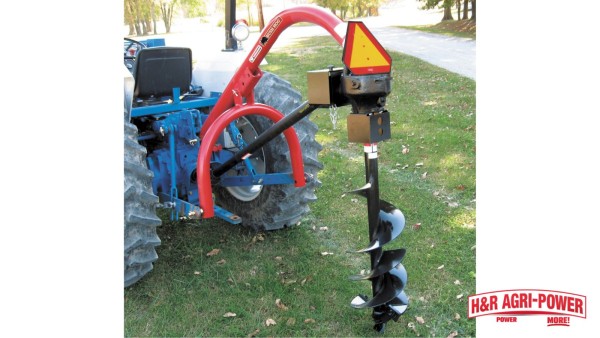
The attachment and compatibility issues that should be checked before purchase include three-point hitch category, PTO shaft speed, and auger sizing. Bush Hog post hole diggers mount via Category 1 or Category 2 three-point hitches, so verifying your tractor's hitch category prevents fitment problems.
Additional compatibility checks include:
-
PTO speed rating: Confirm your tractor provides a 540 RPM PTO output, which Bush Hog models require.
-
Driveline length: Ensure the PTO driveline shaft length matches the distance between your tractor's output and the digger's input.
-
Auger interchangeability: Verify that replacement augers in your preferred diameter are readily available for your specific model.
Confirming these specifications before purchase helps avoid costly returns and project delays, so consulting a knowledgeable dealer streamlines the process.
How Do You Properly Maintain and Service Bush Hog Post Hole Diggers?
You properly maintain and service Bush Hog post hole diggers through regular inspections, timely fluid changes, and replacing worn components before they fail. The subsections below cover routine maintenance practices, warning signs that indicate needed repairs, and essential spare parts.
What Are Best Practices for Regular Maintenance?
The best practices for regular maintenance include systematic inspections, fluid management, and blade care performed on a consistent schedule. Before each use, examine the auger thoroughly; look along the drill blades to confirm they are not bent and remain properly fastened to the shaft, as recommended by Power Planter's maintenance guide.
Key routine maintenance tasks include:
-
Checking PTO shield and driveline components for cracks or wear before every operation.
-
Keeping hydraulic oil and the return line filter clean at all times.
-
Greasing all zerk fittings on the gearbox, three-point hitch pins, and auger connection points.
-
Inspecting auger teeth and cutting edges for dulling or chipping after each project.
-
Confirming all bolts and fasteners are torqued to specification.
Operators should also keep tractor engine speed at or below 1,200 RPM while digging to reduce unnecessary stress on the gearbox and driveline. Consistent preventive maintenance is one of the most cost-effective ways to avoid mid-project breakdowns on fence and barn jobs.
What Are Signs That Your Digger Needs Service or Repairs?
The signs that your digger needs service or repairs typically involve changes in performance, unusual sounds, or visible component damage. Slower drilling speed in normal soil conditions often signals dull auger blades or a gearbox issue. Excessive vibration during operation can indicate a bent auger shaft, loose mounting hardware, or worn driveline components.
Other warning signs to watch for include:
-
Hydraulic fluid leaks around hoses, fittings, or the gearbox seal.
-
Grinding or knocking noises from the gearbox during PTO engagement.
-
The auger stalling repeatedly in soil types it previously handled without difficulty.
-
Visible cracks on weld points, the frame, or the three-point hitch bracket.
Ignoring these symptoms risks escalating a minor repair into a costly replacement. Scheduling service at the first sign of abnormal behavior keeps your Bush Hog post hole digger reliable across multiple fencing seasons.
What Spare Parts and Accessories Are Essential for Long-Term Use?
The spare parts and accessories essential for long-term use center on high-wear components that experience direct contact with soil and mechanical stress. Replacement auger teeth and cutting blades are the most frequently needed parts, since rocky and clay-heavy soils accelerate edge wear significantly.
A well-stocked parts inventory should include:
-
Auger points and replaceable cutting teeth.
-
Shear bolts and PTO shear pins, which are designed to fail first and protect the gearbox.
-
Hydraulic hoses and O-ring seal kits.
-
Driveline U-joints and cross kits.
-
Gearbox oil and hydraulic fluid filters.
Having these items on hand eliminates costly downtime during fence building and barn projects. Multiple auger diameters also add versatility, allowing the same digger to handle both standard fence post holes and larger barn foundation bores. With the right parts stocked, routine servicing keeps your Bush Hog post hole digger productive for years.
How Can You Use Bush Hog Post Hole Diggers Effectively on Variable Soil Types?
You can use Bush Hog post hole diggers effectively on variable soil types by adjusting your technique, auger selection, and operating speed to match specific ground conditions. The sections below cover soil-specific adjustments, equipment protection strategies, and weather-related considerations.
What Adjustments Should Be Made for Rocky, Clay, or Sandy Soils?
The adjustments for rocky, clay, or sandy soils center on matching your technique and auger choice to each ground type. According to Stout Buckets, the first step is to determine whether you're dealing with sandy, clay-based, or rocky ground, then adapt accordingly.
Key adjustments by soil type include:
-
Sandy soil: Reduce PTO speed to prevent the hole walls from collapsing inward, and dig in steady, continuous passes rather than aggressive plunges.
-
Clay soil: Use a slower feed rate and periodically raise the auger to clear packed material from the flighting, since clay compresses and binds around the bit.
-
Rocky soil: Select a rock auger with carbide-tipped teeth, apply light downward pressure, and allow the auger to work through obstructions gradually rather than forcing it.
For most mixed-soil properties, carrying both a standard earth auger and a rock auger saves significant downtime in the field.
What Tips Help Prevent Equipment Damage on Difficult Terrain?
Tips that help prevent equipment damage on difficult terrain focus on controlled operation and proactive inspection. Never exceed 1,200 RPM engine speed while digging, regardless of soil resistance. Forcing the auger into hard ground without allowing it to cut naturally stresses the gearbox, shear pins, and PTO driveline.
Practical damage-prevention measures include:
-
Inspect auger blades and teeth before each use for bending, cracks, or excessive wear.
-
Clear the hole of loose debris between plunges to reduce binding.
-
Use the tractor's hydraulic downpressure rather than the machine's weight alone.
-
Stop immediately if the auger stalls; reverse briefly before re-engaging.
Replacing worn cutting edges early costs far less than repairing a damaged gearbox or bent auger shaft.
How Do Weather Conditions Affect Post Hole Digging?
Weather conditions affect post hole digging by altering soil moisture, density, and workability. As noted by The Post Hole Diggers, weather conditions can play a large role in the effectiveness of post hole digging and other outdoor projects.
Seasonal and weather impacts to plan around include:
-
Rain-saturated soil clogs auger flighting quickly and produces unstable hole walls that slump before posts can be set.
-
Drought-hardened ground increases resistance dramatically, putting added stress on the auger, gearbox, and PTO shaft.
-
Frozen soil in winter may require pre-drilling a pilot hole or using a rock auger with carbide tips to penetrate the frost layer.
Digging one to two days after moderate rainfall typically produces the best conditions, where soil is moist enough to cut cleanly but firm enough to hold its shape. Understanding local weather patterns before scheduling large fence or barn projects keeps both productivity and equipment longevity on track.
What Are Common Challenges When Building Fences and Barns with Post Hole Diggers?
Common challenges when building fences and barns with post hole diggers include stalled augers, misaligned posts, and hidden underground hazards. The following sections cover troubleshooting, alignment techniques, and hazard avoidance.
How Can You Troubleshoot Stalled, Jammed, or Slow-Drilling Augers?
You can troubleshoot stalled, jammed, or slow-drilling augers by systematically inspecting the auger, adjusting engine speed, and clearing obstructions. According to Power Planter, the first step is to examine the auger thoroughly, checking that drill blades are not bent and remain properly fastened to the shaft. Dull or damaged cutting teeth are a leading cause of slow drilling.
If the auger stalls mid-hole, common causes include:
-
Hitting a buried rock or root that locks the blades in place.
-
Operating at excessive engine RPM, which overloads the gearbox instead of increasing cutting force.
-
Packed clay or wet soil clogging the flighting and preventing material from clearing the hole.
Reverse the auger briefly to free jams, then resume at a controlled speed. Keeping blades sharp and flighting clean prevents most recurring stall issues.
What Techniques Help Ensure Plumb and Stable Posts?
Techniques that help ensure plumb and stable posts start with precise hole placement and consistent depth. A post that leans even slightly compounds alignment errors across an entire fence line, so accuracy at the digging stage matters more than corrections after setting.
Key techniques include:
-
Using a string line or laser level between corner posts to guide every intermediate hole location.
-
Digging each hole two to three inches wider than the post diameter, allowing room for adjustment and backfill compaction.
-
Checking plumb with a spirit level on two adjacent faces before tamping backfill.
-
Backfilling in lifts of four to six inches, compacting each layer firmly before adding the next.
For barn posts carrying structural loads, this precision is even more critical since uneven settling can stress the entire frame.
How Do You Avoid Underground Hazards When Digging?
You avoid underground hazards when digging by calling 811 before breaking ground and surveying the site for known utility paths. Buried gas lines, water pipes, fiber-optic cables, and electrical conduits can all lie within auger depth, and striking any of them creates serious safety and financial consequences.
Essential steps to reduce risk include:
-
Contacting 811 at least two to three business days before digging so utility companies can mark buried lines.
-
Walking the planned fence or barn line to identify surface indicators such as utility markers, valve covers, or junction boxes.
-
Reducing auger speed and depth incrementally in areas near marked utilities.
Old farmsteads often have unmarked septic lines or abandoned well casings. When in doubt, hand-dig the first 12 to 18 inches to verify clear ground before engaging the powered auger. With underground hazards addressed, the remaining challenge is sourcing the right equipment from a reliable dealer.
How Can You Find and Purchase Bush Hog Post Hole Diggers in the United States?
You can find and purchase Bush Hog post hole diggers through authorized dealers, farm equipment retailers, and online marketplaces across the United States. Below, we cover where to buy, what costs and warranties to expect, and how to handle delivery.
Where Can You Buy Bush Hog Post Hole Diggers Near You?
You can buy Bush Hog post hole diggers near you through authorized Bush Hog dealers, agricultural equipment retailers, and select national chains. Bush Hog maintains a dealer locator on its website, which maps authorized sellers by zip code. Farm equipment dealerships that carry tractor-mounted implements often stock Bush Hog models or can order them directly. National retailers like Tractor Supply Co. carry competing PTO-driven post hole diggers and related accessories, making them useful for comparison shopping. For buyers in Kentucky, Tennessee, Illinois, Indiana, or Mississippi, visiting a regional dealer with hands-on inventory allows you to verify three-point hitch compatibility and auger sizing before committing.
What Should You Expect in Terms of Cost, Warranty, and Financing Options?
You should expect Bush Hog post hole digger costs to vary based on model, drive type, and auger size. Standard PTO-driven models like the PHD2402 typically fall at a lower price point, while planetary hydraulic drive models command higher prices due to their increased torque capacity. Bush Hog backs its equipment with a limited manufacturer warranty covering defects in materials and workmanship. Many authorized dealers also offer financing plans, trade-in programs, and seasonal promotions that reduce upfront costs. Always confirm warranty terms, coverage duration, and financing interest rates directly with the selling dealer before purchase.
How Can You Arrange Transport or Delivery of Large Equipment?
You can arrange transport or delivery of large equipment through dealer delivery services, flatbed freight carriers, or personal trailer hauling. Many authorized dealers offer local delivery within a set radius, sometimes at no extra charge for new purchases. For longer distances, freight brokers specializing in farm equipment coordinate flatbed or lowboy transport. If hauling yourself, ensure your trailer's weight capacity exceeds the combined weight of the digger and auger, and secure the implement with rated tie-down straps. Confirming delivery logistics before finalizing a purchase prevents unexpected costs and scheduling delays.
With purchasing and delivery sorted, the next step is connecting with a dealer who provides ongoing support.
How Does H&R Agri-Power Support Customers with Bush Hog Post Hole Diggers and Related Equipment?
H&R Agri-Power supports customers with Bush Hog post hole diggers and related equipment through comprehensive sales, parts, service, and long-term partnership across 17 locations in five states.
What Comprehensive Service and Ongoing Support Does H&R Agri-Power Provide for Agricultural Equipment?
H&R Agri-Power provides comprehensive service and ongoing support for agricultural equipment through a full-cycle approach built on over 50 years of dealer experience. With locations across Kentucky, Tennessee, Illinois, Indiana, and Mississippi, customers can access equipment sales, genuine parts, precision farming solutions, and expert inspections close to home.
Beyond the initial purchase, H&R Agri-Power delivers post-sale service that keeps post hole diggers and related implements operating at peak performance. Trained technicians handle everything from routine maintenance to complex repairs, while parts departments stock the components needed to minimize downtime during critical fencing and barn construction seasons. For producers managing large acreages or multiple fence lines, this kind of localized, knowledgeable dealer support is what separates a frustrating equipment experience from a productive one.
What Are the Key Takeaways About Bush Hog Post Hole Diggers for Fence Building and Barn Projects We Covered?
The key takeaways about Bush Hog post hole diggers for fence building and barn projects center on selecting the right model, maintaining it properly, and adapting technique to soil conditions.
-
Bush Hog post hole diggers use PTO-driven augers that dramatically reduce digging time compared to manual methods.
-
Matching digger size and torque output to your tractor's horsepower and project scale prevents equipment strain.
-
Soil type, whether sandy, clay, or rocky, requires specific auger selection and speed adjustments.
-
Regular maintenance of auger blades, gearbox oil, and PTO shielding extends equipment life and ensures safe operation.
-
Checking for underground utilities before digging protects both the operator and the property.
H&R Agri-Power can help you choose, maintain, and get the most from your Bush Hog post hole digger at any of our 17 Bush Hog locations.