

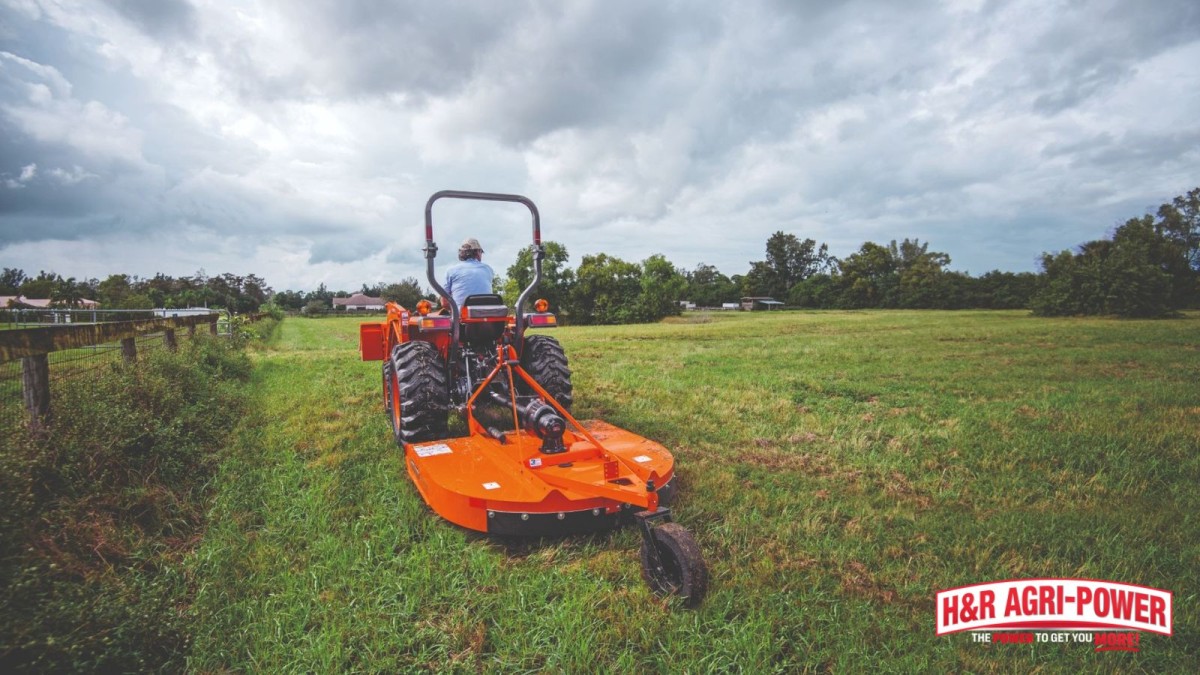
A rotary cutter gearbox, often called a ‘bush hog’ gearbox after the popular brand, is the central drivetrain component that transfers power from your tractor’s PTO shaft to the cutter blades. Selecting the right one requires matching technical specifications, build quality, and serviceability to your specific mower and workload.
This guide covers gearbox features and specifications, durability and reliability assessment, maintenance requirements, brand and dealer comparison, and compatibility warning signs.
Correct sizing starts with horsepower ratings and shaft dimensions. Gearboxes can range anywhere from 60 HP on single-spindle cutters up to 250 HP on heavy flex-wing units, and input shafts must match standard PTO spline configurations (such as 1-3/4" 20-spline) to ensure safe power transfer.
Housing material and gear steel directly determine service life. Cast iron housings absorb shock and resist wear in rough terrain, while alloy steel internals (grades like SCr420 or SCM822) provide the fatigue strength needed for sustained rotary cutting loads.
Routine maintenance drives long-term reliability. Gearboxes generally need inspection before each cutting season, with oil changes when necessary; easy access to drain plugs, fill ports, and replacement seals simplifies that task considerably.
Not every gearbox fits every application. Mismatched horsepower ratings, incorrect spline counts, or substandard bearing quality can produce excessive noise, vibration, and premature failure. Recognizing those red flags before purchase saves costly downtime.
Working with a knowledgeable dealer streamlines the selection process. H&R Agri-Power stocks bush hog gearboxes and replacement parts across its locations, offering spec verification and ongoing support so you get the right gearbox for your machine.
What Are the Most Important Features to Consider in a Bush Hog Gearbox?
The most important features to consider in a bush hog gearbox are size and compatibility, materials and build quality, horsepower ratings, and input/output shaft specifications. Each factor directly affects cutting performance and long-term reliability.
How Does Gearbox Size and Compatibility Affect Performance?
Gearbox size and compatibility affect performance by determining whether the unit can handle your tractor's output and your mower's cutting demands. An undersized gearbox paired with a high-output tractor will overheat and fail prematurely, while an oversized unit adds unnecessary weight and cost.
Matching the gearbox to your specific bush hog model and tractor class is critical. The agricultural machinery gearbox market is projected to expand at a CAGR of 9.7% from 2025 to 2032, according to a LinkedIn market analysis, reflecting growing demand for properly engineered, application-specific units. Always verify the manufacturer's recommended gearbox dimensions and mounting patterns before purchasing.
What Role Do Materials and Build Quality Play in Gearbox Durability?
Materials and build quality play a defining role in gearbox durability because they determine how well the unit absorbs impact and resists wear over thousands of operating hours. Cast iron housings remain the standard for bush hog gearboxes due to their superior shock absorption.
Internal gear composition matters equally. A study published in MDPI's Agriculture journal evaluated four alloy steels for machine structural use, including SCr420, SNCM220, SCM822, and SNC815, to ensure transmission durability under heavy agricultural loads. Hardened alloy steel gears resist tooth deformation far better than lower-grade alternatives, making material selection one of the most reliable predictors of gearbox lifespan.
How Do Horsepower Ratings Impact Gearbox Selection?
Horsepower ratings impact gearbox selection by establishing the maximum power the unit can safely transmit from your tractor to the cutting blades. Exceeding the rated capacity causes gear tooth failure, seal damage, and premature bearing wear.
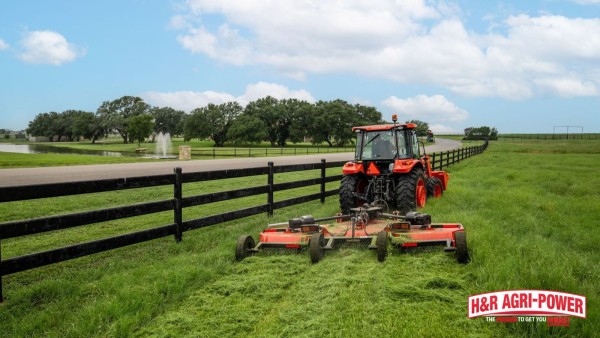
Ratings vary significantly across applications. On larger implements such as flex‑wing rotary cutters, manufacturers use a central ‘divider’ gearbox with a higher horsepower rating than the wing gearboxes to accommodate the differing torque loads across the machine. As Tanhon's agricultural gearbox guide states, "Load nature significantly impacts agricultural gearbox selection. The type, magnitude, and duration of the load must be carefully considered." Always select a gearbox rated at or above your tractor's PTO output for the intended cutting conditions.
Why Are Input and Output Shaft Sizes Essential?
Input and output shaft sizes are essential because mismatched shafts prevent proper power transfer and create dangerous connection failures. Common bush hog gearbox configurations use a 1-3/4", 20-spline input shaft, though sizes vary by model and manufacturer.
ISO 5673 specifies the forms, dimensions, and clearance zones for power take-off drive shafts on tractors and agricultural implements, establishing the standard for implementing power-input connections. Verifying that your gearbox shaft matches your tractor's PTO spline count and diameter eliminates the risk of improper fitment. With the right shaft specifications confirmed, evaluating overall gearbox durability becomes the next priority.
How Can You Assess the Durability and Reliability of a Bush Hog Gearbox?
You can assess the durability and reliability of a bush hog gearbox by examining build quality indicators, warranty terms, and compliance with recognized testing standards.
What Indicators Suggest a Gearbox Is Built for Long-Term Use?
The indicators that suggest a gearbox is built for long-term use include:
-
Cast iron housing, which offers excellent shock absorption and wear resistance under heavy field loads.
-
Alloy steel gears made from materials such as SCr420 or SCM822, selected specifically for transmission durability.
-
Sealed, high-capacity bearings that resist contamination from dust, moisture, and debris.
-
Hardened input and output shafts with properly matched spline counts for secure power transfer.
-
Integrated stump jumper protection that shields internal components from sudden impact.
When multiple indicators align in a single unit, the gearbox is far more likely to withstand seasons of demanding rotary cutting without premature failure.
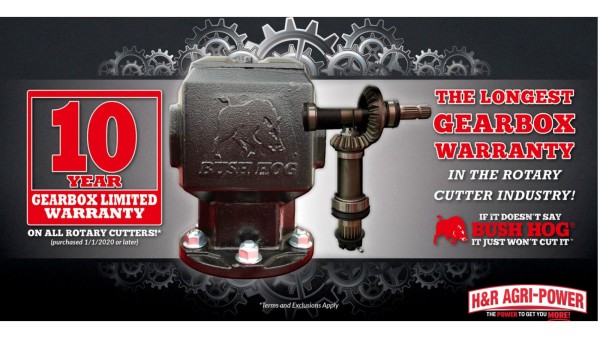
How Does Warranty Coverage Reflect Gearbox Reliability?
Warranty coverage reflects gearbox reliability by signaling the manufacturer's confidence in component longevity.
When evaluating warranty terms, look for:
-
Coverage duration of at least one to two years on gearbox internals.
-
Inclusion of bearings, seals, and gear teeth, not just the housing.
-
Clear language on what operating conditions void coverage.
A manufacturer willing to back its gearbox with comprehensive warranty terms has typically invested more in material quality and precision assembly.
What Certifications or Testing Standards Should You Look For?
The certifications and testing standards you should look for include ISO 6336 for gear strength calculation and ISO 5673 for PTO shaft configuration and implement power‑input connections. According to industry coverage, ISO 6336 is the most important standard for calculating the load capacity of cylindrical gears, making it a reliable benchmark for evaluating load‑bearing capability.
Gearboxes tested against these international standards deliver more predictable performance because their tolerances and material properties have been independently verified. If a manufacturer does not reference any recognized standard, that absence should prompt closer scrutiny before purchase.
With durability benchmarks established, understanding ongoing maintenance requirements helps protect that investment over time.
What Maintenance Requirements Should You Consider Before Purchasing a Gearbox?
The maintenance requirements you should consider before purchasing a gearbox include serviceability, inspection and lubrication schedules, and replacement part availability. These factors directly affect long-term ownership cost and uptime.
How easy is it to service or repair the gearbox?
It is easy to service or repair a gearbox when the design prioritizes accessible drain plugs, fill ports, and seal points that do not require full disassembly. Gearboxes with cast iron housings and standard fasteners simplify field repairs compared to units with proprietary components or hard-to-reach internals. Before buying, check whether the gearbox allows straightforward oil changes and seal replacements without removing the entire unit from the deck. A design that requires fewer specialized tools translates to less downtime during the cutting season, which matters when you are managing large acreage on a tight schedule.
What are the recommended inspection and lubrication schedules?
The recommended inspection and lubrication schedules for bush hog gearboxes follow a simple framework. Gearboxes should be inspected before each use, with oil changes performed when necessary. Key inspection points include:
-
Checking gear oil level and condition for metal shavings or discoloration.
-
Examining input and output shaft seals for leaks.
-
Inspecting the housing for cracks or impact damage.
-
Verifying that mounting bolts remain torqued to specification.
Gear lubricant meeting API Service GL‑5 standards is widely recommended for steel-gear agricultural gearboxes, providing extreme-pressure protection under heavy loads. Always confirm the manufacturer’s specification, especially if bronze or brass components are present. Consistent adherence to these intervals prevents premature wear and costly mid-season failures.
Are common replacement parts readily available?
Common replacement parts are readily available for bush hog gearboxes when you purchase from strong dealer networks. Seals, bearings, input shafts, and gears are the most frequently needed components. Before committing to a gearbox, verify that these parts can be sourced through your local dealer rather than requiring extended lead times from overseas suppliers. Choosing a gearbox brand backed by a robust parts distribution system keeps your mower running without prolonged downtime, and that availability often proves just as valuable as the gearbox itself.
With maintenance needs clarified, comparing brands and manufacturers helps narrow your final choice.
How Do You Compare Brush Hog Gearbox Brands and Manufacturers?
You compare brush hog gearbox brands and manufacturers by evaluating reputation, real-world user feedback, and post-purchase support. The following subsections cover brand credibility, customer reviews, and parts availability.
What Makes Certain Brands More Reputable for Gearboxes?
Brands become more reputable for gearboxes through consistent build quality, proven field performance, and adherence to recognized engineering standards. Manufacturers that use cast iron housings and alloy steel gears signal a commitment to durability over cost-cutting. Consistent horsepower ratings across product lines also reflect engineering transparency.
Reputation builds over time when gearboxes perform reliably season after season under demanding conditions. Brands that publish clear specifications, such as exact HP ratings and shaft dimensions, make it easier for buyers to verify compatibility. The manufacturers worth trusting are the ones that never leave you guessing about what is inside the gearbox housing.
How Do Customer Reviews and Testimonials Influence Your Choice?
Customer reviews and testimonials influence your choice by revealing real-world performance patterns that spec sheets alone cannot show. Repeated mentions of premature seal failures, excessive heat, or difficult servicing across multiple reviews often indicate systemic design issues rather than isolated incidents.
Look for reviews that describe:
-
Hours of operation before the first repair was needed
-
Ease of finding replacement seals, bearings, and gears
-
How the gearbox handled heavy, wet vegetation or rocky terrain
-
Dealer responsiveness when problems arose
Testimonials from operators running similar acreage and terrain to yours carry the most practical weight.
How Important Is After-Sales Support and Parts Availability?
After-sales support and parts availability are critically important because even the best-built gearbox eventually needs service. A gearbox from a manufacturer with a thin dealer network can leave equipment sidelined for weeks during peak mowing season while you wait for a single seal or bearing.
Prioritize brands like Bush Hog and Land Pride that are distributed through established dealer networks that stock common replacement components locally. Factors that separate strong after-sales programs from weak ones include:
-
Regional parts warehouses that ship within one to two business days
-
Dealer technicians trained specifically on that brand's gearbox assemblies
-
Clear warranty terms with straightforward claims processes
A low purchase price means little if a breakdown costs you days of downtime waiting on parts. With brand comparison complete, recognizing warning signs helps avoid costly mismatches.
What Signs Indicate a Gearbox May Not Be Right for Your Bush Hog or Application?
Signs that a gearbox may not be right for your bush hog or application include chronic performance failures, unusual noise or vibration, and persistent overheating. The following subsections cover specific symptoms, diagnostic signals, and when to seek expert guidance.
What Performance Issues Might Arise from an Incompatible Gearbox?
Performance issues that might arise from an incompatible gearbox include:
-
Frequent overheating caused by a gearbox undersized for the application's horsepower demand.
-
Premature gear or bearing wear when housing materials lack adequate shock absorption for rough terrain.
-
Inconsistent blade speed from mismatched gear ratios that cannot sustain the required output RPM.
-
Cracked or warped housings when lighter materials are used in heavy-duty applications they were not designed for.
Cast iron housings offer excellent shock absorption and wear resistance for demanding conditions, while aluminum alloy housings provide a lightweight yet durable option better suited to lighter applications. Choosing the wrong material for your workload accelerates component failure. Matching housing material, horsepower rating, and gear ratio to the specific cutting demands of your bush hog prevents most compatibility-driven breakdowns.
How Can Noise or Vibration Signal Underlying Gearbox Problems?
Noise or vibration can signal underlying gearbox problems by revealing internal component wear before a complete failure occurs. Grinding or whining sounds typically indicate damaged gear teeth, while rhythmic knocking often points to bearing deterioration. According to the U.S. Department of Energy, roughly 76% of wind turbine gearbox failures are caused by bearings. While agricultural gearboxes operate under different conditions, they often experience similar bearing-related issues because both rely on high-load bearing configurations.
Excessive vibration during operation may also suggest shaft misalignment or loose mounting hardware. If unusual sounds persist after verifying lubrication levels and external connections, the gearbox likely has an internal defect that warrants immediate inspection.
When Should You Consult a Specialist Before Buying?
You should consult a specialist before buying when your application falls outside standard operating parameters. Situations that warrant expert input include:
-
Running a bush hog on slopes or uneven terrain that creates unpredictable shock loads.
-
Pairing a gearbox with a tractor whose PTO horsepower exceeds or falls well below the gearbox rating.
-
Replacing a gearbox on an older implement where original specifications are unavailable.
-
Switching between different cutting applications, such as moving from light pasture maintenance to heavy brush clearing.
A knowledgeable dealer can cross-reference shaft sizes, spline counts, and horsepower requirements to confirm compatibility before purchase. With gearbox selection directly tied to equipment longevity, professional guidance from a trusted dealer helps protect your investment.
How Can You Make an Informed Bush Hog Gearbox Purchase Through a Trusted Dealer?
You can make an informed bush hog gearbox purchase through a trusted dealer by working with an experienced equipment partner that offers technical guidance, genuine parts, and ongoing maintenance support.
Can H&R Agri-Power's Parts and Support Services Help with Bush Hog Gearbox Selection and Maintenance?
Yes, H&R Agri-Power's parts and support services can help with bush hog gearbox selection and maintenance. With over 50 years of experience and 21 locations across Kentucky, Tennessee, Illinois, Alabama, Indiana, and Mississippi, H&R Agri-Power provides access to genuine replacement parts, technical expertise, and hands-on service for rotary cutter drivetrains. Whether you need help matching a gearbox to your tractor's horsepower output or scheduling seasonal inspections, the parts and service teams at H&R Agri-Power can walk you through specifications like shaft size, gear ratio, and housing material. For operators who depend on their bush hog season after season, having a knowledgeable dealer relationship simplifies both the buying decision and long-term upkeep.
What Are the Key Takeaways About What to Look for in a Bush Hog Gearbox Before You Buy?
The key takeaways about what to look for in a bush hog gearbox before you buy center on five core factors:
-
Horsepower compatibility: Match the gearbox rating to your tractor's PTO output so the unit operates within safe limits.
-
Shaft specifications: Confirm input and output shaft spline counts and diameters align with your implement and tractor.
-
Housing material: Prioritize cast iron for its shock absorption and wear resistance in demanding field conditions.
-
Maintenance access: Choose a gearbox with serviceable seals, accessible drain plugs, and readily available replacement parts.
-
Dealer support: Buy from a dealer that offers technical guidance, warranty backing, and a reliable parts inventory.
Evaluating these criteria before purchase prevents costly mismatches and ensures your rotary cutter performs reliably across seasons.