

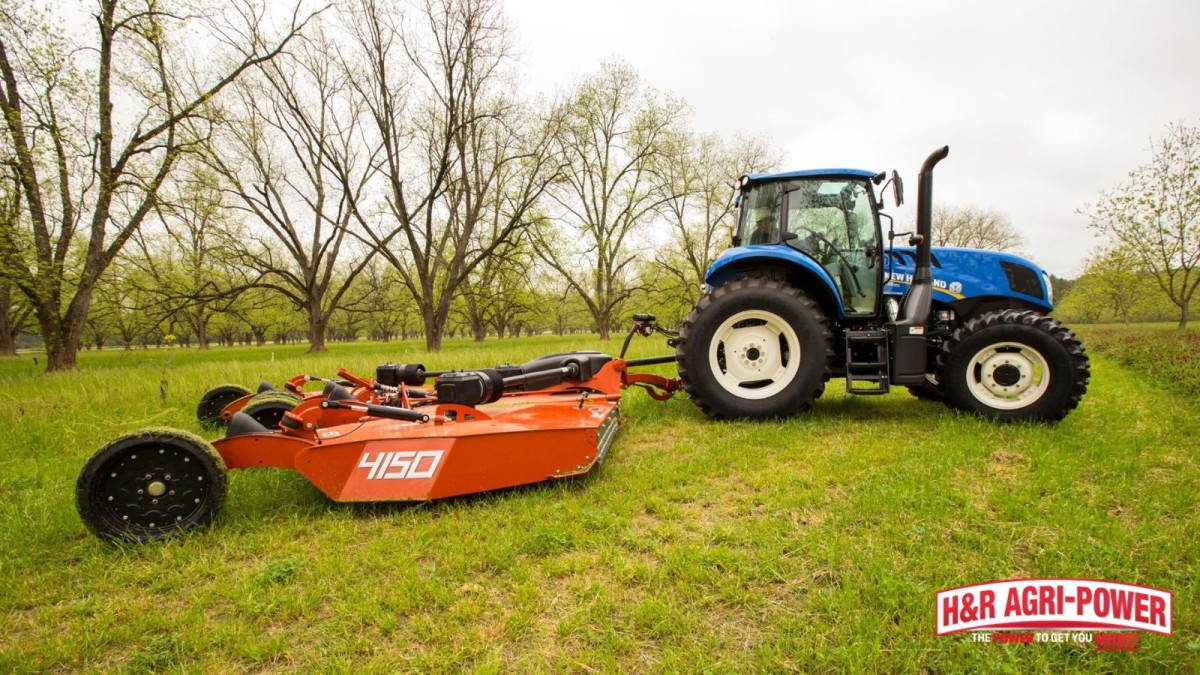
Brush hog blade design is the single most influential factor in how effectively a rotary cutter handles thick grass, heavy brush, and dense vegetation. The shape, weight, material, and mounting configuration of each blade determine cutting quality, power consumption, durability, and overall mowing efficiency.
This guide covers blade types and their structural differences, how blade geometry influences cutting action in dense growth, the relationship between blade weight and long-term durability, the role of mounting position and rotation speed in power delivery, and practical selection and maintenance strategies.
Straight blades, curved blades, and suction-lift blades each interact with vegetation differently. Straight designs tend to consume less power at moderate speeds, while curved profiles generate greater mulching action suited to thick material. Edge geometry and steel composition also affect how long a blade holds its cutting edge under heavy use.
Blade angle, bending radius, and cutting profile directly control whether vegetation is sliced cleanly or mulched into finer debris. These geometric parameters determine total power demand and influence how cleanly a brush hog moves through tangled brush without bogging down.
Thicker, heavier blades carry more rotational momentum into dense material, but that added mass increases torque requirements and affects wear patterns over hundreds of hours of operation. Balancing durability against efficiency is critical for operators working rough terrain.
Rotation speed and blade positioning on the spindle assembly govern tip velocity and energy transfer at the point of contact. Optimizing these variables reduces peak torque spikes that strain PTO shafts and gearboxes.
Matching blade design to your specific tractor, acreage, and vegetation type prevents premature wear and costly underperformance. We also cover how H&R Agri-Power's equipment expertise and parts support help operators across the United States keep their brush hogs cutting at peak efficiency.
What Are the Main Types of Brush Hog Blade Designs?
The main types of brush hog blade designs are straight blades, curved blades, and lift (suction) blades. Each geometry affects cutting action, power demand, and material discharge differently. The sections below compare these designs and the materials used to build them.
How Do Straight Blades Differ from Curved or Lift Blades?
Straight blades differ from curved or lift blades in their geometry, power consumption, and cutting behavior. Straight blades use a flat profile that shears vegetation with minimal drag. According to a study published in Biosystems Engineering, straight blades saved 20–25% power compared to conventional and half-width blades at 500 rpm.
Key differences between these designs include:
-
Straight blades require the least torque and energy, making them efficient for lighter vegetation and high-speed mowing.
-
Curved blades (such as RC-type designs) move more material per pass and handle dense brush effectively, though they demand more power.
-
Lift (suction) blades angle upward at the trailing edge, creating airflow that stands grass upright before cutting and improves clipping discharge.
For thick brush, curved designs often outperform straight blades because their aggressive geometry pulls material into the cutting path. Straight blades excel where power efficiency matters more than brute cutting force.
What Materials and Edge Designs Are Common in Brush Hog Blades?
The materials and edge designs common in brush hog blades center on high-carbon and alloy steels paired with beveled or sharpened cutting edges. Most manufacturers use medium-carbon steels such as 65Mn, which offers a balance of hardness and toughness suited to impact-heavy rotary cutting.
Common material and edge characteristics include:
-
65Mn steel provides a yield strength of 480 MPa and Brinell hardness of 225 HB in its standard form, according to data published by MDPI.
-
Heat-treated or hardened edges resist deformation when striking rocks and debris.
-
Single-bevel edges are standard on most replacement blades, allowing straightforward field sharpening.
-
Reversible blade designs let operators flip a worn edge and continue mowing before replacement.
Blade thickness typically ranges around 13 mm for heavy-duty rotary cutters. Thicker stock resists bending on impact but adds rotational weight, which increases the power needed to maintain tip speed. Matching material grade and edge profile to the vegetation you cut most often extends blade life and reduces long-term maintenance costs.
How Does Blade Shape Influence Cutting Performance in Dense Vegetation?
Blade shape influences cutting performance in dense vegetation by determining how efficiently the edge contacts, severs, and disperses thick plant material. The subsections below cover blade angle geometry and the difference between mulching and slicing actions.
Why Does Blade Angle Matter for Thick Grass and Brush?
Blade angle matters for thick grass and brush because it controls how force transfers from the spinning rotor into the vegetation at the point of contact. A steeper cutting angle concentrates energy on a narrower strike zone, improving penetration through woody stems, while a shallower angle spreads force across more material for broader coverage in dense grass.
According to research published in MDPI Agriculture (2024), ideal operating performance was achieved with a bending angle of 125° and a sub-cutter dip angle of 63°, combined with a turning radius of 180 mm and a rotating speed of 158 r/min. These findings confirm that total power demand is a direct function of blade geometrical parameters, cutting angle, and the square of rotor speed. Even small angle changes significantly shift how much horsepower the PTO must deliver.
For operators clearing mixed brush and thick grass, this means selecting a blade geometry matched to the vegetation type is far more important than simply increasing engine speed.
What Is the Impact of Blade Mulching Versus Slicing Action?
The impact of blade mulching versus slicing action determines whether vegetation is finely shredded or cleanly severed, and each approach suits different field conditions.
-
Slicing blades cut cleanly through standing vegetation with a shearing motion, leaving shorter stubble and requiring less horsepower per pass.
-
Mulching blades use broader, angled surfaces to chop material repeatedly within the deck, producing finer debris that decomposes faster.
-
Slicing is more efficient for tall, thick grass where speed matters, since it reduces drag on the rotor.
-
Mulching works better for brush-heavy areas where leaving large debris on the ground would hinder regrowth management or future passes.
In practice, many operators working overgrown pastures or fencerows benefit from a mulching-style blade because the finer residue breaks down quickly, returning nutrients to the soil. However, when covering large acreage of dense grass efficiently, a slicing blade typically demands less power and allows faster ground speed. Matching the action type to the job prevents unnecessary strain on both the cutter and the tractor's drivetrain, which is a detail often overlooked until maintenance costs climb.
With blade shape and cutting action understood, blade thickness and weight add another layer to performance and durability.
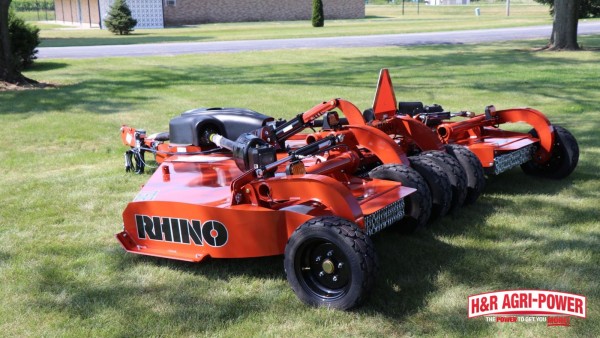
How Do Blade Thickness and Weight Affect Efficiency and Durability?
Blade thickness and weight affect efficiency and durability by altering how a brush hog handles impact loads, resists wear, and consumes power. Heavier builds and thicker profiles each involve trade-offs explored below.
Does Heavier Blade Construction Improve Results in Tough Conditions?
Heavier blade construction can improve results in tough conditions by increasing momentum and impact force at the point of contact. When a blade carries more mass, it stores greater rotational energy, helping it power through dense brush and woody stems without stalling or deflecting. This added inertia reduces the chance of the blade bouncing off thick material.
However, heavier blades demand more power from the tractor's PTO to reach and maintain effective speeds. According to research published in Biosystems Engineering, peak torque requirements were at least twice the average torque for any blade geometry, meaning heavier designs amplify that peak demand further. For operators running smaller tractors in overgrown pastures, the extra weight can strain drivetrain components and increase fuel consumption without a proportional gain in cut quality.
The practical takeaway: heavy blades suit high-horsepower tractors tackling woody brush, but they offer diminishing returns on lighter equipment used primarily for thick grass.
How Can Blade Thickness Change Cutting and Wear Patterns?
Blade thickness changes cutting and wear patterns by influencing how the cutting edge interacts with vegetation and how quickly material erodes during use. Thicker blades present a wider contact surface, which distributes impact forces over a larger area. This slows edge deformation when striking rocks or roots, extending service life in abusive terrain.
On the other hand, thicker profiles create more resistance as they pass through dense grass, requiring additional energy per revolution. A study published by MDPI found that surface-textured 65Mn steel blades reduced wear loss by approximately 44% under 70 N loads compared to untreated samples, demonstrating that material treatment can compensate for thickness-related wear without adding bulk.
Thinner blades slice vegetation more cleanly, producing a sharper cut that promotes healthier regrowth, while thicker blades tend toward a tearing action better suited for rough clearing. Matching thickness to the primary task prevents unnecessary power draw and premature replacement.
With thickness and weight considerations clarified, blade mounting and rotation speeds further shape overall performance.
What Role Do Blade Mounting and Rotation Speeds Play in Performance?
Blade mounting and rotation speeds directly influence how efficiently a brush hog cuts through thick vegetation. The subsections below cover how blade positioning affects power demands and whether speed adjustments improve results in dense growth.
How Does Blade Positioning Impact Power Requirements?
Blade positioning impacts power requirements by changing the torque load, energy consumption, and cutting geometry at the rotor. Where a blade sits on the spindle determines its cutting radius and the force needed to maintain consistent rotation through resistant material.
According to a study published in Biosystems Engineering, the straight blade design required the least torque, average power, peak power, specific energy, and effective specific energy at 375–500 rpm when targeting a small bite length for fine tilth. That same research found peak torque was at least twice the average torque for any blade geometry, meaning improperly positioned blades can create severe power spikes that strain PTO systems. For operators working thick brush, mounting blades to minimize radial imbalance reduces unnecessary load on the gearbox.
Can Adjusting Blade Speed Improve Results in Thick Growth?
Yes, adjusting blade speed can improve results in thick growth by increasing tip velocity and cutting force at the point of contact. Blade tip speed determines how cleanly vegetation is severed rather than bent or torn.
John Deere specifications for a comparable rotary cutter show blade tip speeds reaching approximately 81.7 m/s at 540 PTO rpm and 83 m/s at 1,000 rpm. While higher speeds deliver more kinetic energy per strike, they also increase fuel consumption and mechanical stress. For dense brush, running at the upper end of the manufacturer's recommended PTO range typically produces cleaner cuts. Dropping below optimal speed, however, causes the blade to drag through material rather than shear it, which leads to ragged cuts, stalled equipment, and accelerated edge wear.
Matching blade speed to vegetation density is one of the most practical adjustments operators can make before considering blade replacement or design changes.
What Factors Should You Consider When Choosing Brush Hog Blades for Thick Grass and Brush?
The factors you should consider when choosing brush hog blades for thick grass and brush include tractor horsepower compatibility, terrain conditions, blade geometry, and visible signs of declining cut quality. The subsections below cover matching blade design to your setup and recognizing when blades need replacement.
How Do You Match Blade Design to Your Tractor and Land Type?
You match blade design to your tractor and land type by aligning blade geometry and weight with your machine's available PTO horsepower and the vegetation you routinely cut. Total power required for a rotary blade is a function of blade geometrical parameters, cutting angle, and the square of the rotor speed, according to research published in Soil and Tillage Research.
Key matching considerations include:
-
PTO horsepower range: Heavier, wider blades demand more torque; undersized tractors will bog down in thick brush.
-
Vegetation density: Straight blades suit open grassland efficiently, while curved or suction-lift designs handle dense, woody growth better.
-
Terrain profile: Rocky or uneven ground favors thicker blades with reinforced mounting hardware to absorb impacts.
-
Cutting width and overlap: Wider decks need properly spaced blades with adequate overlap to prevent uncut strips.
Choosing blades that exceed your tractor's power capacity wastes fuel and accelerates drivetrain wear, so always verify specifications before purchasing.
What Are the Signs That Your Current Blades Are Not Performing Well?
The signs that your current blades are not performing well include ragged or uneven cuts, increased fuel consumption, excessive vibration, and visible blade damage. When grass folds over rather than shearing cleanly, the cutting edge has likely dulled or chipped beyond effective use.
Other indicators to watch for:
-
Longer mowing times: Dull or mismatched blades force slower ground speeds to achieve acceptable results.
-
Unusual noise or vibration: Bent blades or uneven wear create imbalance that stresses the gearbox and spindle bearings.
-
Stringy vegetation left standing: Worn blades tear rather than cut, leaving fibrous stems upright.
-
Escalating repair frequency: Research from the International Journal of Agricultural Management found that each additional year of service increases annual repair and maintenance costs across all machine types.
Catching these warning signs early prevents costly gearbox damage and keeps your brush hog performing at its best. With blade selection principles established, professional guidance ensures the right fit for your specific operation.
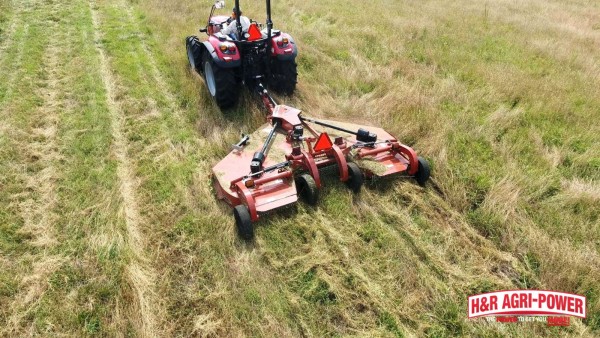
How Should You Approach Blade Selection and Maintenance with H&R Agri-Power's Expert Services?
You should approach blade selection and maintenance with H&R Agri-Power's expert services by combining proper blade matching with proactive upkeep schedules. The following sections cover equipment inspections, parts support, and key takeaways from this guide.
Can H&R Agri-Power's Equipment Inspections and Parts Support Help Optimize Your Brush Hog Performance?
Yes, H&R Agri-Power's equipment inspections and parts support can help optimize your brush hog performance. With over 50 years of experience and 21 locations across Kentucky, Tennessee, Illinois, Alabama, Indiana, and Mississippi, H&R Agri-Power provides comprehensive equipment evaluations that identify worn or mismatched blades before they compromise cutting quality. According to research published in the International Journal of Agricultural Management, high annual utilization coupled with a short length of service life minimizes accumulated repair and maintenance costs. H&R Agri-Power's parts departments stock replacement blades and mounting hardware for leading equipment brands, so downtime stays minimal when components need swapping. Scheduling regular inspections through H&R Agri-Power ensures blade geometry, edge condition, and bolt torque remain within proper specifications for dense vegetation work.
What Are the Key Takeaways About How Blade Design Affects Brush Hog Performance in Thick Grass and Brush We Covered?
The key takeaways about how blade design affects brush hog performance in thick grass and brush are:
-
Blade shape drives cutting action. Straight blades require less torque and save power, while curved and lift blades generate airflow that improves material discharge in dense vegetation.
-
Angle and geometry determine efficiency. Bending angle, dip angle, and turning radius directly influence how cleanly a blade moves through heavy brush, with optimized parameters reducing energy waste.
-
Thickness and weight affect durability. Heavier blades maintain momentum in tough conditions, though added mass increases power demand on the tractor.
-
Rotation speed must match conditions. Blade tip speed and RPM settings need adjustment based on vegetation density to balance cut quality against fuel consumption and wear.
-
Material quality extends service life. High-carbon steel with proper hardness ratings resists edge deformation, and surface treatments can significantly reduce wear loss.
-
Proactive maintenance lowers total cost. Replacing blades before excessive wear accumulates keeps repair expenses predictable and cutting performance consistent.
For personalized blade selection guidance and professional equipment inspections, H&R Agri-Power's service teams across six states stand ready to help match the right components to your land and tractor setup.