

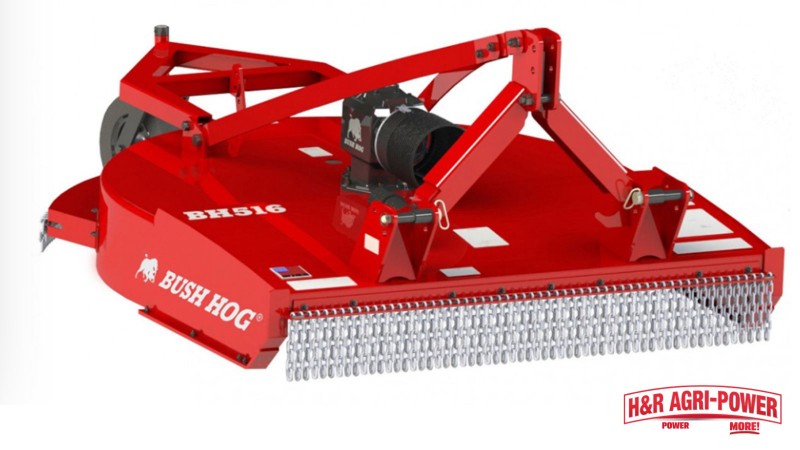
The best Bush Hog cutter for light brush is a single-spindle or lightweight twin-spindle rotary cutter rated for stems under 2 inches, while heavy brush demands a heavy-duty model with higher PTO requirements and cutting capacities.
This guide covers brush classification and power requirements, model comparisons for light and heavy applications, maintenance and durability practices, tractor and property matching, cost considerations, and dealer support through H&R Agri-Power.
Light brush includes grasses, weeds, and small woody growth, so compact cutters with narrower decks and lower horsepower thresholds handle these conditions efficiently without overloading your tractor or drivetrain.
Heavy brush involves saplings, thick brambles, and dense woody plants that require reinforced decks, wider cutting widths, and significantly more PTO horsepower to power through without stalling or damaging components.
Maintenance demands shift based on brush density; light-duty cutting allows longer intervals between blade sharpening and lubrication, while heavy brush work accelerates wear on blades, gearboxes, and driveline components.
Matching cutter size to your tractor's PTO output and three-point hitch capacity is critical, and property terrain, acreage, and vegetation density all influence whether a single-spindle, multi-spindle, or flex-wing configuration is the right fit.
Price gaps between light-duty and heavy-duty Bush Hog cutters are substantial, so evaluating warranty coverage, build quality, and long-term ownership costs helps ensure you invest in the right model. H&R Agri-Power's sales and service team across its dealership network provides hands-on guidance for selecting and maintaining the ideal cutter.
What Factors Determine the Right Bush Hog Cutter for Brush Type?
The right Bush Hog cutter for brush type is determined by vegetation density, stem diameter, and the tractor power needed to match. The following subsections cover how to classify brush and what specifications each category demands.
How Do You Identify Light Brush Versus Heavy Brush?
Light brush versus heavy brush is identified by measuring stem diameter and evaluating vegetation density. Light brush consists of grasses, weeds, and small woody growth with stem diameters under 2 inches. This category covers most routine mowing, pasture maintenance, and seasonal overgrowth where plants remain relatively thin and flexible.
Heavy brush includes saplings, thick brambles, and dense woody plants. According to the Ohio Department of Administrative Services, heavy woody brush and trees in standard land-clearing scopes often contain vegetation 3 inches or less in diameter. Anything beyond that threshold typically requires specialized forestry equipment rather than a standard rotary cutter.
Before selecting a model, walk your property and note the thickest stems you need to cut regularly. That measurement is the single most important factor in matching a cutter to the job.
What Size and Power Specifications Are Needed for Each Type of Brush?
The size and power specifications needed for each type of brush scale directly with stem diameter and cutting width requirements. Light brush applications typically pair with single-spindle cutters in the 44- to 68-inch range, requiring 15 to 25 PTO horsepower. Heavy brush demands wider decks, heavier construction, and significantly more power, often 70 PTO horsepower or above, to handle stems in the 3- to 5-inch range without stalling.
Key specifications to compare include:
-
Cutting capacity: rated maximum stem diameter, typically 1 to 2 inches for light-duty and 3 to 5 inches for heavy-duty models.
-
Cutting width: narrower decks suit tight areas, while wider decks improve productivity on open acreage.
-
Minimum PTO horsepower: undersizing the tractor strains the drivetrain and shortens component life.
-
Cutter weight: heavier frames resist deflection in dense growth but require adequate tractor lift capacity.
Matching these specifications to your actual brush conditions prevents both underpowered performance and unnecessary equipment expense.
How Do Different Bush Hog Cutter Models Compare for Light Brush?
Different Bush Hog cutter models compare for light brush based on cutting width, cutting capacity, weight, and PTO horsepower requirements. The sections below cover the ideal features and specific models suited for light vegetation.
What Features Make a Bush Hog Cutter Ideal for Light Brush?
The features that make a Bush Hog cutter ideal for light brush include a cutting capacity matched to small-diameter stems, manageable weight for lighter tractors, and an appropriate cutting width for the property. For light vegetation with stems under 2 inches, single-spindle and lighter twin-spindle designs handle the workload efficiently without excess horsepower.
Key specifications to evaluate include:
-
Cutting capacity: Models rated for 1-inch diameter stems suit grasses, weeds, and fine woody growth.
-
Cutting width: Widths from 44 to 84 inches cover small acreages to mid-size pastures.
-
Unit weight: Lighter cutters reduce strain on compact and utility tractors.
-
PTO horsepower requirement: Lower minimums pair well with smaller tractor frames common on hobby farms and rural homesteads.
According to the 2026 Bush Hog price book, the BH114 single-spindle rotary cutter offers a 44-inch cutting width with a 1-inch cutting capacity at a base price of $2,079.00. For operators who need a wider swath without a heavy-duty frame, matching cutter weight to tractor capacity remains the most overlooked factor in avoiding premature drivetrain wear.
Which Popular Bush Hog Cutter Models Are Best for Light Brush?
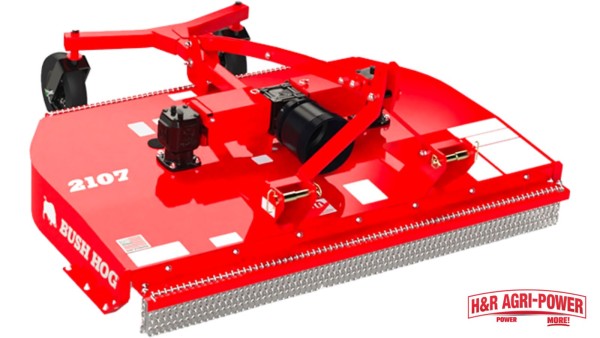
The popular Bush Hog cutter models best for light brush are the BH114 single-spindle and the Bush Hog 2107 multi-spindle rotary cutter. Each targets a different property size and tractor class.
-
BH114: A 44-inch single-spindle cutter with a 1-inch cutting capacity, designed for compact tractors and smaller lots.
-
Bush Hog 2107: A 7-foot, 2-inch multi-spindle cutter weighing 1200 lb, designed for tractors with at least 30 PTO horsepower and adequate front ballasts, covering more ground per pass.
Bush Hog recommends lubricating the input driveline, telescoping tubes, and shield bearings every 8 hours on comparable multi-spindle models. Staying on top of this interval keeps light-duty cutters running reliably season after season. With the right model selected, understanding how heavy brush cutters differ helps clarify where these lighter units reach their limits.
How Do Bush Hog Cutters for Heavy Brush Differ From Those for Light Brush?
Bush Hog cutters for heavy brush differ from those for light brush in cutting capacity, horsepower requirements, and overall build strength. Heavy brush includes saplings, thick brambles, and woody plants with diameters ranging from 3 to 5 inches. The following subsections cover the key specifications and models designed for this demanding work.
What Key Specifications Should You Prioritize for Heavy Brush Cutting?
The key specifications you should prioritize for heavy brush cutting are cutting capacity, minimum PTO horsepower, deck gauge, and blade configuration. A heavy-duty rotary cutter needs a cutting capacity of at least 3 to 5 inches to handle dense woody growth. Higher PTO horsepower requirements ensure the cutter maintains blade speed through thick material without stalling.
Heavier deck construction resists the impact damage that saplings and woody stems cause over time. According to TractorByNet, rotary cutter blades should be sharpened as needed while maintaining a 1/16-inch flat edge rather than a razor edge, which prevents blade damage during brush cutting. Prioritizing these specifications together ensures consistent performance in demanding conditions.
Which Bush Hog Cutter Models Excel at Tackling Heavy Brush?
The Bush Hog cutter models that excel at tackling heavy brush include the BH516 and the BH316 series. The BH516 single-spindle rotary cutter delivers a 5-inch cutting capacity and requires a minimum tractor PTO horsepower of 70 hp, making it well suited for saplings and dense woody vegetation. The BH316 series offers a heavy-duty 6-foot design built for sustained clearing work.
For landowners facing persistent heavy brush, investing in a model rated for the upper end of your vegetation diameter saves time and reduces mechanical strain. Matching the right heavy-brush cutter to your tractor's horsepower ensures you get full performance without overloading either machine.
What Are the Maintenance and Durability Considerations for Each Application?
The maintenance and durability considerations for each application depend on how aggressively the cutter is used. Light brush work demands less frequent service, while heavy brush cutting accelerates wear on blades, drivelines, and gearboxes.
How Does Brush Type Affect Cutter Maintenance Needs?
Brush type affects cutter maintenance needs by determining the stress placed on blades, bearings, and drivetrain components during operation. Light brush, such as grasses and weeds under 2 inches in diameter, produces minimal impact force and allows longer intervals between blade sharpening and hardware inspections.
Heavy brush with woody stems of 3 to 5 inches creates substantially more strain. Blades dull faster, driveline components absorb greater shock loads, and gearbox seals endure higher operating temperatures. According to a TractorByNet forum discussion on rotary cutter maintenance, blades should be sharpened as needed while maintaining a 1/16-inch flat edge rather than a razor edge for brush cutting.
Operators running heavy brush regularly should expect to inspect and service components at a higher frequency than those cutting light vegetation.
What Practices Extend the Lifespan of Your Bush Hog Cutter?
The practices that extend the lifespan of your Bush Hog cutter center on consistent lubrication, routine inspections, and proper blade management. Key maintenance habits include:
-
Lubricating the input driveline, telescoping tubes, and shield bearings every 8 hours of operation, as recommended by Bush Hog for models like the 1815/11815.
-
Inspecting blades before each use for cracks, excessive wear, or missing hardware.
-
Checking gearbox oil levels and replacing fluid when necessary.
-
Ensuring chain guards and protective shields remain in place, as OSHA, ASAE, SAE, and ANSI standards require guards on rotary cutters during non-agricultural use.
Proactive maintenance is well worth the effort; a Reliability.com analysis found that eliminating chronic equipment failures through proactive service can reduce overall maintenance costs by 40% to 60%. With proper upkeep, matching the right cutter to your tractor and property becomes the next step in maximizing performance.
How Can You Match a Bush Hog Cutter to Your Tractor and Property Needs?
You can match a Bush Hog cutter to your tractor and property needs by aligning PTO horsepower ratings with cutter demands and selecting cutting widths suited to your acreage and terrain.
What Tractor Requirements Should You Consider for Different Cutters?
The tractor requirements you should consider for different cutters include PTO horsepower, three-point hitch category, and hydraulic capacity. Light-duty rotary cutters designed for grasses and small stems typically need 15 to 25 PTO horsepower, making them compatible with compact tractors. Heavy-brush models demand significantly more power. The Bush Hog BH516, with its 5-inch cutting capacity, requires a minimum of 70 PTO horsepower according to the 2026 Bush Hog price book. Undersizing your tractor strains the drivetrain, accelerates wear on the gearbox and PTO shaft, and reduces cutting effectiveness. Always confirm that your tractor's hitch category matches the cutter's mounting requirements before purchase.
How Do Property Size and Terrain Influence Cutter Selection?
Property size and terrain influence cutter selection by determining the ideal cutting width, deck weight, and ground-following capability you need. Small, flat properties under five acres work well with single-spindle cutters in the 4- to 5-foot range, which are easier to maneuver around fences and trees. Larger acreage benefits from wider multi-spindle or flex-wing designs that cover more ground per pass; a 6-foot cutter operating at 5 miles per hour with 80% efficiency covers roughly 2.9 acres per hour. Hilly or uneven terrain calls for cutters with stump jumpers and reinforced skid shoes to protect the blade assembly from hidden obstacles. For most mixed-use properties, slightly oversizing the cutting width saves more time than the added weight costs in fuel.
With tractor and terrain requirements defined, evaluating cost and long-term value helps finalize your cutter choice.
How Should You Choose Between Light and Heavy Brush Cutters Based on Cost and Value?
You should choose between light and heavy brush cutters based on cost and value by comparing upfront pricing, long-term durability, and warranty coverage against your specific clearing demands.
What Are the Price Differences Between Cutters for Light and Heavy Brush?
The price differences between cutters for light and heavy brush are significant, often spanning thousands of dollars depending on cutting capacity and build strength. According to the Bush Hog 2026 price book, the BH114 single-spindle rotary cutter carries a base unit price of $1,915.00 for light-duty work with a 1-inch cutting capacity. By contrast, the BH216-3 series 6-foot heavy-duty rotary cutter is listed at $4,522.00.
This gap reflects the heavier frames, larger gearboxes, and thicker decks required for woody material. For landowners clearing only grass and thin growth, paying for heavy-duty construction wastes budget that could go toward other property needs.
How Does Longevity and Warranty Factor Into Your Decision?
Longevity and warranty factor into your decision by directly influencing total cost of ownership over the cutter's lifespan. The Woods BrushBull BB60.50, for example, features a 10-year gearbox warranty covering parts, labor, and seals. A strong gearbox warranty matters because the gearbox is one of the most expensive components to replace on any rotary cutter.
Heavy brush applications accelerate wear on blades, drivelines, and deck components, so investing in a well-warranted heavy-duty model reduces long-term repair costs. According to Reliability.com, eliminating chronic equipment failures through proactive maintenance can reduce overall maintenance costs by 40% to 60%. Matching the cutter's durability tier to your actual brush conditions ensures you get the best return on your investment over time.
With cost and value considerations clarified, the right dealer partnership ensures you maximize that investment.
How Does H&R Agri-Power Support Your Bush Hog Cutter Selection and Ownership?
H&R Agri-Power supports Bush Hog cutter selection and ownership through expert sales consultation, certified service, and parts availability across 17 Bush Hog locations. The following sections cover personalized equipment matching and key decision-making takeaways.
Can H&R Agri-Power's Equipment Sales and Service Team Help Select the Right Bush Hog Cutter?
Yes, H&R Agri-Power's equipment sales and service team can help select the right Bush Hog cutter for your specific property and brush conditions. With over 50 years of experience and locations across Kentucky, Tennessee, Illinois, Indiana, and Mississippi, H&R Agri-Power matches cutters to your tractor's PTO horsepower, cutting width requirements, and vegetation type.
Selecting the right rotary cutter involves evaluating several factors simultaneously, from stem diameter on your property to terrain and acreage. H&R Agri-Power's team simplifies this process by assessing your operation firsthand. Beyond the initial sale, certified service technicians and readily available parts keep your cutter performing season after season.
What Are the Key Takeaways for Choosing the Best Bush Hog Cutter for Light Brush vs. Heavy Brush?
The key takeaways for choosing the best Bush Hog cutter for light brush vs. heavy brush center on matching cutting capacity to vegetation diameter:
-
Light brush (under 2-inch stems) pairs well with single-spindle or lightweight twin-spindle cutters.
-
Heavy brush (3 to 5 inch stems) demands heavy-duty single-spindle models with at least 70 PTO horsepower and 5-inch cutting capacity.
-
Tractor compatibility, deck width, and blade thickness directly affect performance and safety.
-
Proactive maintenance, including regular blade sharpening and driveline lubrication, protects your investment regardless of brush type.
When in doubt, consulting H&R Agri-Power's team ensures the cutter you choose fits both your land and your budget.