

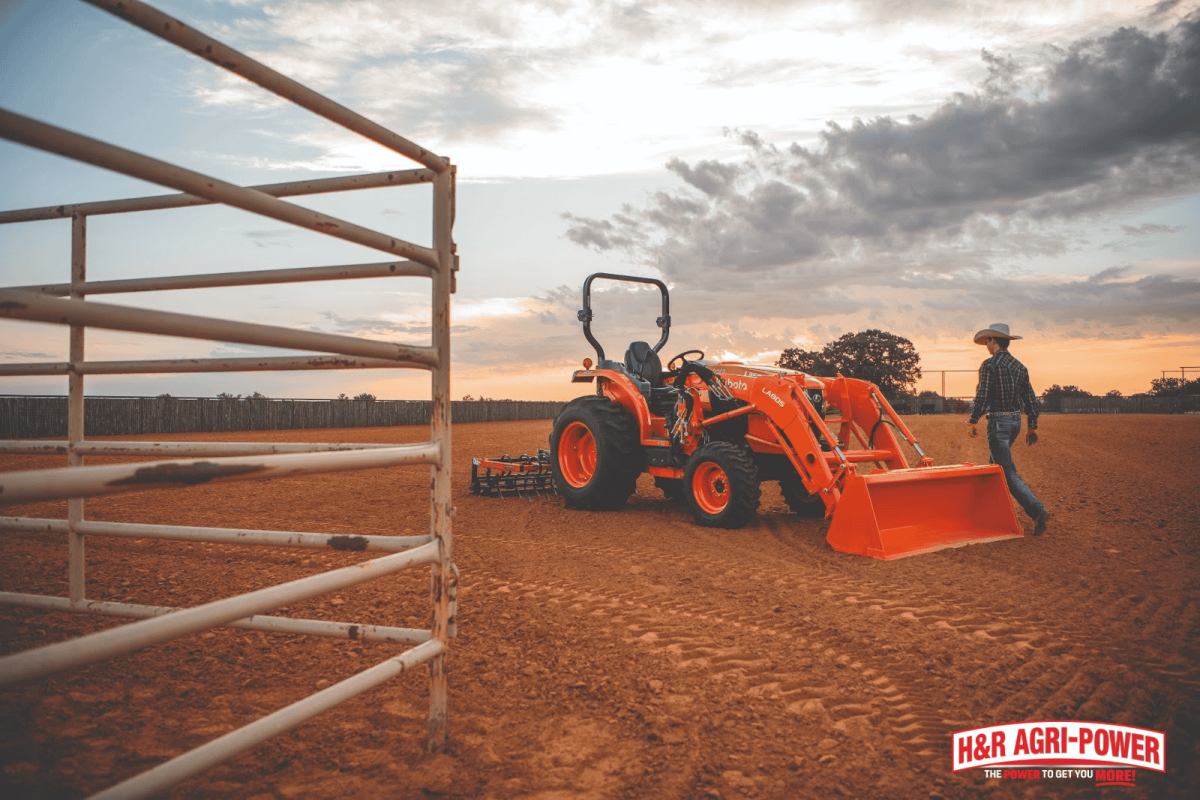
Operating a Kubota tractor, or any heavy equipment, is powerful work, and power comes with responsibility. As a Kubota operator, you’re in control of a machine that can do incredible things, but it can also be dangerous without the right precautions. Whether you’re plowing fields, mowing terrain, or towing implements, safety should never be a side thought.
According to the Occupational Safety and Health Administration (OSHA), tractor roll‑overs cause approximately 130 deaths per year in U.S. agriculture, making safety practices critical to preventing serious injury or worse. By following tried-and-true safety practices, you’ll protect yourself, your passengers, and your equipment.
Here are ten essential safety practices every Kubota operator should keep front and center, drawn from manufacturer guidance, real-world lessons, and industry best practices.
1. Always Wear ROPS and Seatbelts on Kubota Tractors for Optimal Safety
Kubota tractors are equipped with Rollover Protective Structures (ROPS) designed to protect the operator in case of a rollover. However, ROPS alone are not enough; always wearing your seatbelt is crucial. The seatbelt keeps you secured within the protective frame, preventing ejection and significantly reducing injury risk. Making this a consistent habit is one of the easiest and most effective ways to stay safe while operating your Kubota.
What is ROPS and Why It’s Essential for Kubota Operators
ROPS is a sturdy frame that forms a protective zone around the operator’s seat. In the event of a tractor rollover, this structure prevents the operator from being crushed by the machine. Without ROPS, rollovers often result in serious injuries or fatalities.
The Critical Role of Seatbelts with ROPS
The seatbelt works hand in hand with ROPS to keep you inside the safety zone during an accident. Wearing the seatbelt prevents you from being thrown out of the tractor, which is a common cause of fatal injuries in rollovers. Both features must be used together for full protection.
How to Inspect and Maintain ROPS and Seatbelts
Regularly inspect the ROPS frame for cracks, rust, or other damage that could weaken its strength. Check the seatbelt webbing for fraying or tears and test the buckle to ensure it locks securely. Promptly repair or replace any worn or damaged parts to maintain optimal safety.
Can I operate safely without a seatbelt?
No. Even with ROPS, operating without a seatbelt greatly increases the risk of ejection during a rollover, leading to severe injury or death. Always buckle up for maximum safety.
2. Read and Follow Your Kubota Operator Manual Carefully for Safe Operation
The Kubota operator manual is an essential guide to operating your tractor safely and efficiently. It contains specific instructions for your model, covering everything from startup and shutdown to attachments and maintenance. Regularly consulting the manual ensures you use the equipment correctly and remember these essential maintenance tips.
Why the Operator Manual Is Your Best Safety Guide
Each Kubota model has unique controls and safety features. The manual explains how to use these properly and highlights important warnings to avoid common operator errors that can cause accidents or damage.
Revisit the Manual Regularly
Safety is an ongoing priority. Reviewing the manual frequently keeps you updated on proper procedures, especially when using new attachments or working in different environments.
Understand Startup, Shutdown, and Attachment Procedures
Following the manual’s instructions for starting and shutting down the tractor helps avoid sudden movements or mechanical issues. It also provides vital guidance on connecting and operating attachments safely to prevent equipment failure or injury.
3. Inspect Your Kubota Tractor and Work Area Before Every Use for Safe Operation
Before starting any job, a thorough inspection of both your Kubota tractor and the surrounding work area is essential to prevent accidents and equipment damage. Identifying potential hazards early allows you to address them proactively, ensuring a safer and smoother operation.
Check Warning Decals and Safety Labels
Warning decals on your tractor highlight critical hazards such as moving parts, hot surfaces, and pinch points. Make sure these decals are clean, legible, and intact before each use. Clear safety labels serve as constant reminders of potential dangers and help you stay alert during operation.
Survey the Work Area for Hazards
Take a slow walk around your worksite before operating the tractor. Look for uneven terrain, loose debris, bystanders, animals, or obstacles that could cause instability or collisions. Clearing or avoiding these hazards helps maintain safe maneuverability.
Conduct a Pre-Operation Tractor Inspection
Inspect key tractor components such as tires, brakes, hydraulic lines, and lights. Ensure tires are properly inflated, brakes are responsive, hoses are free from leaks, and all lights are functional. A quick, thorough check reduces the risk of mechanical failures during work.
How often should I inspect my Kubota tractor before use?
It’s best to perform a full inspection before every use. Daily checks help catch early signs of wear or damage, preventing breakdowns and improving overall safety.
4. Maintain Proper Operator Posture and Control Handling for Safe Kubota Tractor Operation
Maintaining proper posture and control handling is essential for safe and effective operation of your Kubota tractor. Correct positioning helps reduce fatigue, improve visibility, and allows for quicker, more precise reactions to changes in terrain or unexpected obstacles. This relates directly to operator comfort and ergonomics.
Adjust Your Seat for Full Visibility and Comfort
Make sure your seat is positioned to give you an unobstructed view of your surroundings, including attachments and blind spots. A comfortable seat height and angle reduce strain on your back and neck during long hours of operation, helping you stay focused and alert throughout the day.
Use Correct Hand and Foot Placement
Keep both hands firmly on the steering wheel at all times while the tractor is moving. Your feet should rest securely on the pedals or floor, avoiding hovering or accidental pressure on controls. Proper placement helps prevent sudden or unintended tractor movements, resulting in smoother, more controlled operation.
Stay Alert and Maintain Focus While Operating
Good posture not only supports physical comfort but also mental alertness. Slouching or leaning can slow reaction times and reduce control accuracy. Staying upright and engaged helps you monitor your environment effectively, respond quickly to hazards, and maintain steady control over the tractor.
How does proper posture impact tractor safety?
Proper posture enhances your field of vision and allows quicker, more accurate responses to obstacles or changes in terrain. This reduces the risk of accidents by improving your overall control and reaction speed during tractor operation.
5. Secure All Attachments Properly Before Operating Your Kubota Tractor
Proper attachment security is crucial for safe Kubota tractor operation. Using compatible, well-maintained attachments and ensuring they’re firmly connected reduces the risk of accidents caused by equipment failure or imbalance.
According to CDC research, about 59% of rear tractor rollovers involve improper hitching of loads or equipment, and 63% of those incidents result in fatalities. This shows how critical it is to ensure all attachment points are secure and correctly connected.
Match Attachments to Your Kubota Model Specifications
Always verify that the attachments you plan to use are compatible with your specific Kubota model. Using attachments that exceed weight or hydraulic limits can cause imbalance, strain the tractor’s systems, and increase the chance of rollovers or mechanical breakdowns.
Inspect and Lock Attachment Points
Before operating, thoroughly check all attachment points, including pins, couplers, and hydraulic hoses for signs of wear, damage, or looseness. Make sure every locking mechanism is fully engaged and secure. This prevents attachments from disconnecting unexpectedly during work.
Test Attachment Movement Slowly
After connecting attachments, operate hydraulic controls slowly to test for smooth and consistent movement. Watch for unusual noises, leaks, or jerky motions, which could indicate problems. Address any issues before proceeding to full operation.
Why is it important to secure attachments properly on a Kubota tractor?
Properly securing attachments ensures stability and control during operation. Loose or incompatible attachments can lead to equipment failure, accidents, or damage to both the tractor and the implement.
6. Follow Safe PTO and Implement Operation Procedures on Your Kubota Tractor
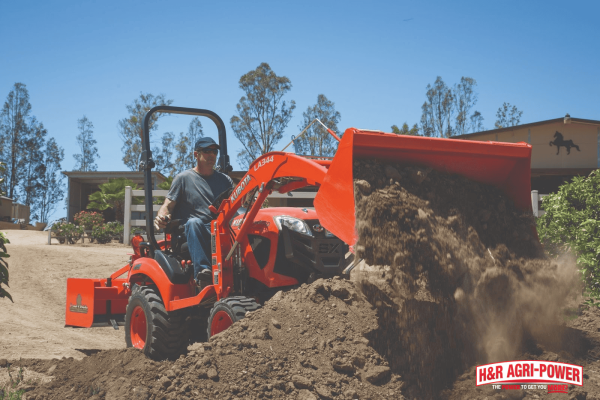
Proper handling of the Power Take-Off (PTO) system and implements is vital for operator safety. Following established safety procedures prevents injuries caused by fast-moving parts and unexpected equipment movements.
Always Keep PTO Shields in Place
PTO shields act as barriers protecting you from contact with rapidly spinning shafts. Never remove or bypass these shields, even for quick tasks. Removing them exposes you to severe injury risks, including entanglement or amputation.
Disengage PTO Before Adjusting Implements
Before cleaning, repairing, or adjusting any attachments powered by the PTO, make sure the PTO is completely disengaged, and implements have come to a full stop. This precaution prevents accidents caused by sudden or unintended motion.
Maintain a Safe Distance from Rotating Parts
Stay clear of all moving PTO components while they are operating. Avoid reaching over or near these parts, and never wear loose clothing or gloves that could become entangled. Keeping a safe distance helps prevent serious injuries.
7. Perform Regular Maintenance to Keep Your Kubota Tractor Safe and Reliable
Routine maintenance is crucial for ensuring your Kubota tractor runs safely and efficiently. Consistent checks and servicing prevent mechanical failures that could lead to accidents, costly repairs, or downtime.
Check Tire Pressure and Condition
Proper tire pressure directly affects tractor stability, traction, and handling. Low or uneven tire pressure increases the risk of rollovers and uneven wear. Before each use, inspect tires for cuts, cracks, or embedded debris, and inflate them to the manufacturer’s recommended levels for optimal performance.
Inspect Hydraulic Hoses and Belts
Hydraulic hoses carry high-pressure fluids essential for implementation. Regularly check hoses for cracks, leaks, bulges, or wear spots. Damaged hoses can burst suddenly, causing dangerous fluid sprays and loss of control. Also, examine belts for fraying, cracking, or looseness, as worn belts can snap during use and cause equipment failure.
Follow Scheduled Maintenance Routines
Adhering to the maintenance schedule in your Kubota operator manual is vital. This includes timely oil and filter changes, lubrication, coolant checks, and system inspections. Keeping up with these tasks helps avoid unexpected breakdowns and maintains overall tractor safety and performance.
Keep Safety Features in Good Working Order
Safety systems like brakes, lights, horns, and Rollover Protective Structures (ROPS) are critical for operator protection. Regularly test brakes for responsiveness, ensure all lights and signals are operational, and inspect ROPS for damage or corrosion. Promptly repair or replace any faulty components to maintain maximum safety.
How often should I perform maintenance checks on my Kubota Tractor?
Basic inspections, such as checking tire pressure and hose conditions, should be done before every use. Follow the comprehensive maintenance schedule in your operator manual for routine servicing to keep your tractor in peak safe operating condition.
8. Control Your Speed and Movements for Safe Kubota Tractor Operation
Proper control of speed and movements is vital for maintaining stability and preventing accidents while operating your Kubota tractor. Being mindful of terrain and load conditions helps you keep the tractor balanced and responsive.
Maintain Safe Speeds on Different Terrains
Always adjust your speed based on the terrain and ground conditions. Slow down significantly when working on slopes, uneven surfaces, soft or muddy soil, and wet areas. Driving too fast on these surfaces reduces traction and your ability to react to obstacles, increasing the risk of tipping or sliding. Taking your time ensures safer navigation and better control.
Use Smooth Steering and Avoid Sudden Turns
Sharp or sudden steering movements can quickly shift the tractor’s center of gravity, especially when hauling heavy loads or using front or rear attachments. This sudden shift can cause the tractor to become unstable or even roll over. Practice gentle, gradual turns and steer smoothly to maintain balance and control throughout your operation.
Anticipate Terrain Changes and Plan Movements in Advance
Keep an eye on your path and anticipate changes like dips, bumps, rocks, or soft patches. Planning your route lets you prepare by adjusting your speed and steering gradually, reducing unexpected jolts or loss of traction. Being proactive helps avoid sudden reactions that can compromise your safety and the safety of others nearby.
9. Avoid Distractions and Stay Alert While Operating Your Kubota Tractor
Poor visibility is a leading cause of equipment-related accidents on farms. Maintaining full attention while operating your Kubota tractor is critical for your safety and the safety of others. Distractions can delay your reactions and increase the risk of on-the-job accidents.
Keep Phones and Unnecessary Conversations Away
Avoid using your phone or engaging in non-essential conversations while operating the tractor. Even brief distractions reduce your focus and reaction time, which can lead to dangerous situations or collisions. Stay fully present to respond quickly to any changes or hazards.
Continuously Scan Your Surroundings
Make it a habit to regularly check your mirrors, blind spots, and the area around your tractor. Constantly monitoring your environment helps you detect potential hazards like people, animals, obstacles, or other equipment early, giving you more time to react safely.
Take Regular Breaks to Maintain Focus
Long hours behind the wheel can lead to fatigue, which diminishes alertness and slows reaction times. Taking short, scheduled breaks helps refresh your mind and body, keeping your attention sharp and reducing the likelihood of errors caused by tiredness.
10. Practice Safe Refueling and Fire Prevention Habits for Kubota Tractor Operation
Refueling safely and taking fire prevention seriously are vital steps to protect yourself, your equipment, and your worksite. Following correct refueling procedures reduces the risk of fire and ensures your Kubota tractor remains reliable and secure.
Always Cool the Engine Before Refueling
Refueling a hot engine can ignite fuel vapors, leading to dangerous fires or explosions. Always turn off your Kubota tractor and allow the engine and exhaust components to cool completely before adding fuel. This simple step drastically lowers the risk of accidental ignition during refueling.
Use Approved Containers and Refuel Outdoors
Only use clean, certified fuel containers designed to prevent contamination and static buildup. Avoid using old or damaged containers that might leak or introduce dirt into the fuel system. Always refuel in open, well-ventilated areas, never in enclosed spaces where fuel vapors can accumulate. Proper ventilation disperses vapors, minimizing fire hazards.
Keep Fire Extinguishers Accessible and Maintained
Have a working fire extinguisher rated for fuel and electrical fires within arm’s reach whenever refueling or working near fuel sources. Regularly inspect the extinguisher to ensure it is fully charged, free of damage, and ready for immediate use. Knowing how to operate a fire extinguisher quickly can prevent a small spark from turning into a serious emergency.
Keep Your Kubota Tractor Running Safely and Efficiently with Expert Support and Quality Parts Today
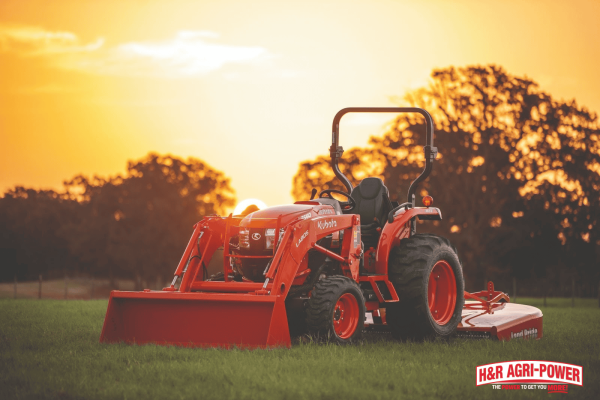
Safe Kubota operation isn’t built on a single habit. It grows from consistent, everyday practices that protect you, your machine, and your work environment. When you take time for inspections, operate with awareness, and handle attachments responsibly, you cut down repair costs and avoid risks that slow you down. These small steps create long-term efficiency and smoother field performance.
If you want reliable Kubota parts, service, and expert guidance to keep your equipment performing safely and efficiently, visit hragripower.com today and get everything you need to operate with confidence.
Frequently Asked Questions
What safety equipment should I always use when operating a Kubota tractor?
You should always use rollover protective structures (ROPS) and wear your seatbelt to prevent injuries in case of a rollover. Additionally, wear proper protective gear like gloves, sturdy boots, and hearing protection. Using these safety measures reduces the risk of accidents significantly.
How do I properly maintain my Kubota tractor for safe operation?
Regular maintenance like checking tire pressure, inspecting hydraulic hoses, and changing engine oil keeps your Kubota running safely. Following the manufacturer’s service schedule prevents unexpected breakdowns and ensures safety features work correctly. Clean and well-maintained equipment helps avoid operational hazards.
What are the most common causes of Kubota tractor accidents?
The most common causes include operator inattention, improper use of attachments, failure to use safety devices like seatbelts and ROPS, and operating on uneven terrain without caution. Lack of proper training also plays a big role in accidents. Being aware of and following safety guidelines reduces these risks.
How can I safely operate Kubota tractor attachments?
Always ensure attachments are compatible with your model and securely connected before use. Disengage the PTO and hydraulics before making adjustments. Operate attachments slowly and avoid sudden movements to maintain control and prevent damage or injury.
When should I perform safety checks on my Kubota tractor?
Safety checks should be done before each use, including inspecting brakes, tires, hydraulic systems, and safety devices. Conduct a walk-around inspection to spot hazards like leaks or loose parts. Regular checks help catch problems early and maintain a safe operating environment.