

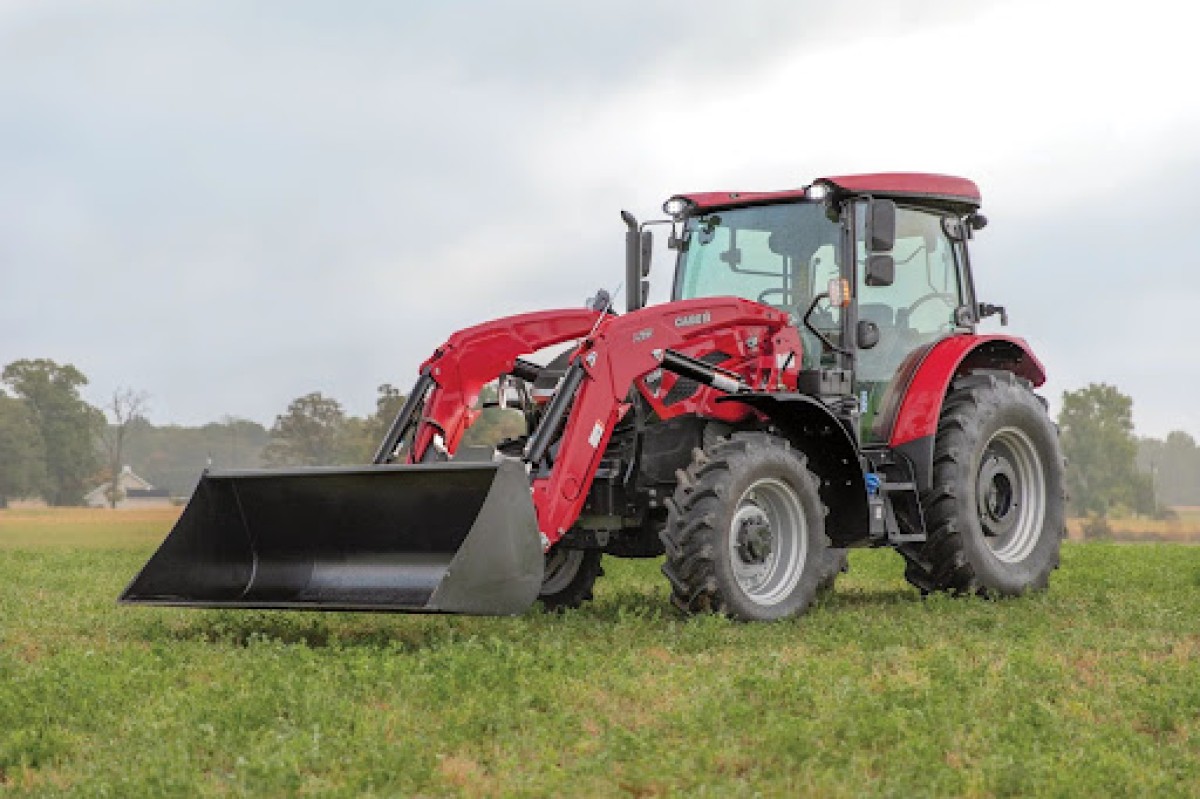
Tractor safety involves using tractors to minimize risks and protect both the operator and those nearby. While tractors are essential for farming, landscaping, and heavy-duty tasks, they are also one of the leading causes of serious farm-related accidents. Safe operation isn’t just about avoiding injury; it helps protect lives, equipment, and productivity on the farm.
The reality is sobering: an average of 132 farmers lose their lives each year in the U.S. due to tractor overturns. These incidents are preventable with proper awareness and safety measures. That’s why every operator, from seasoned farmers to first-time users, needs to understand how to stay safe behind the wheel.
By learning the proper habits, following guidelines, and treating tractors respectfully, operators can prevent accidents and ensure their work is efficient and safe. Let’s explore tractor safety tips every operator should know.
What Are the Most Common Tractor Hazards?
Tractor-related hazards often happen in seconds but can have lasting consequences. These dangers are not limited to inexperienced operators; seasoned farmers are equally at risk if safe practices are overlooked.
Some of the most common and severe hazards include:
-
Rollovers and overturns: These are caused by sharp turns, steep slopes, or uneven terrain.
-
PTO entanglement: This happens when clothing or body parts get caught in the rotating shaft.
-
Runovers: Runovers are incidents where operators or bystanders are struck by moving tractors.
-
Fatigue and distraction: Long working hours and mobile phone use reduce awareness.
-
Machinery-related injuries: These are caused by exposure to moving belts, gears, and hydraulics.
Each hazard carries unique risks, but all can be reduced with knowledge and preventive measures.
Rollovers and Overturns
Rollovers are the single greatest tractor danger. They occur when a tractor’s balance is disrupted, such as driving across a slope, carrying heavy loads, or making sharp turns at higher speeds. Tractors’ high center of gravity makes them prone to tipping compared to other vehicles.
The National Institute for Occupational Safety and Health (NIOSH) reports that rollovers account for over half of all tractor-related fatalities. These accidents are especially deadly because they happen quickly and often leave little time for an operator to react.
Rollover protective structures (ROPS) and a properly fastened seat belt prevent almost all rollover-related deaths. Yet, older tractors without ROPS remain in use on many farms, notably smaller family operations. For operators, investing in retrofitting ROPS is one of the most effective ways to stay safe.
PTO and Machinery Entanglement
The power take-off (PTO) shaft is a tractor’s most valuable feature. It powers attachments like balers, augers, and mowers, making it indispensable in modern farming. However, its high rotation speed makes it one of the most dangerous components.
A PTO shaft can spin at 540 to 1,000 revolutions per minute. At this speed, a pant leg, sleeve, or shoelace can wrap around the shaft in less than a second, pulling in the operator before they can react.
According to NIOSH, PTO entanglements cause several amputations and deaths each year in the U.S. Protective guards, operator awareness, and strict shutdown procedures are critical. The PTO should always be disengaged before anyone approaches attached equipment, and damaged shields should be replaced immediately to ensure ongoing protection.
Operator Fatigue and Distraction
Operating a tractor safely requires focus and alertness. Unfortunately, the demands of farming often mean long hours in the field, sometimes before sunrise and well past sunset. Fatigue reduces reaction times, slows decision-making, and increases the risk of minor and major accidents.
Research from the Centers for Disease Control and Prevention (CDC) shows that fatigue-related impairment can mimic the effects of alcohol. Being awake for 18 hours straight can reduce performance as much as having a blood alcohol concentration of 0.05%. This is especially dangerous when operating heavy machinery like tractors.
Distractions add another layer of risk. Mobile phones, adjusting controls, or even eating while driving can distract attention from uneven terrain, other workers, or approaching obstacles. Many runover accidents involve distracted operators who do not notice bystanders near the tractor’s path. Simple measures, like taking regular rest breaks and avoiding unnecessary phone use while operating, can significantly lower these risks.
Rollovers, entanglements, and fatigue-related accidents illustrate how quickly routine tasks can become life-threatening. Farm operators can significantly reduce risks by understanding these hazards, adopting preventive measures, such as using ROPS, significantly shielding PTOs, and staying alert.
Pre-Operation Safety Checks to Follow
Before starting a tractor, operators should make time for a thorough pre-operation inspection. This step ensures the machine is in a safe working condition and reduces the chance of mechanical failure during use. Failing to perform these checks can increase accident risks, cause downtime, and result in expensive repairs. OSHA emphasizes that preventive maintenance is a cornerstone of tractor safety.
A good checklist should cover:
-
Tires and brakes
-
Lights and signals
-
Fluid levels and possible leaks
Completing these steps daily or before long work periods helps keep the tractor reliable and safe.

Checking Tires and Brakes
Tires support the tractor’s stability, especially on uneven or sloped terrain. Before operating, ensure all tires are correctly inflated to the manufacturer’s recommended pressure. Underinflated tires can reduce traction and increase the risk of rollovers, while overinflated tires can wear unevenly and fail under load. Operators should also look for visible cuts, cracks, or embedded objects that might lead to blowouts.
Brakes are equally critical. Services and parking brakes must be tested to confirm they engage evenly and hold the tractor on inclines. Faulty brakes are a major contributor to runover accidents. Moreover, brake failures and tire issues are often linked to preventable tractor incidents in the field.
Inspecting Lights and Signals
Tractors often move between fields and public roads, which makes visibility essential. Functional headlights, tail lights, and turn signals allow other drivers to see and anticipate tractor movements. Without proper lighting, faster-moving vehicles are far more likely to strike tractors.
The National Highway Traffic Safety Administration (NHTSA) notes that poor lighting and lack of visibility are major contributors to roadway crashes involving farm equipment. Operators should inspect bulbs, lenses, and reflectors, and replace any damaged parts before taking the tractor onto the roads. Clear, working signals reduce confusion and help prevent serious collisions.
A study published on the National Center for Biotechnology Information found that improved compliance with lighting and marking standards significantly reduced farm equipment crash rates across several Midwestern states.
Fluid Levels and Leaks
Tractors rely on several key fluids for proper function, including engine oil, hydraulic fluid, and coolant. Low levels or undetected leaks can cause overheating, equipment malfunctions, or sudden breakdowns in the field.
-
Engine oil: Prevents engine damage and overheating.
-
Coolant: Keeps the engine from reaching unsafe temperatures.
-
Hydraulic fluid: Power implements and steering systems.
Operators should check all levels daily and inspect under the tractor for signs of leaks. A small leak can quickly become a significant hazard, especially in hydraulic systems where high-pressure leaks can cause injection injuries. OSHA stresses that equipment maintenance is not optional but an essential part of safe operation.
Safe Operating Practices To Follow
Once the tractor is inspected and cleared for use, the next priority is following safe driving and operating practices. A well-maintained tractor can still be dangerous if handled carelessly or outside recommended guidelines. The key is combining mechanical readiness with responsible operation.
Some essential practices include always using protective structures, driving safely, avoiding extra riders, and keeping the work area clear. Each of these reduces specific risks that frequently cause injuries in agriculture.
Always Use ROPS and Seat Belts
Rollover Protective Structures (ROPS) and seat belts are proven lifesavers. ROPS create a protective zone around the operator, while the seat belt keeps them within that zone. According to OSHA, ROPS used with seat belts are 99% effective in preventing rollover fatalities.
Despite this, many older tractors still lack ROPS, and some operators neglect to wear seat belts. Both decisions increase risk unnecessarily. Retrofitting older tractors and using seat belts every time is one of the simplest, most effective ways to prevent death during overturns.
Maintain Safe Speeds
Speed is a common factor in tractor accidents, especially on slopes, turns, or uneven terrain. Tractors are designed for power, not speed, and their high center of gravity makes them more prone to tipping. Driving too quickly reduces control and increases stopping distance.
The National Ag Safety Database (NASD) highlights that excessive speed is often linked to overturns, particularly when carrying loads or pulling equipment. Operators should slow down when approaching turns, wet ground, or ditches. Controlled speeds give more time to react and reduce rollover risks.
Avoid Extra Riders
Tractors are engineered for one operator only. Extra riders, whether adults or children, face high risks because most tractors lack passenger seats, restraints, or protection. The CDC has reported numerous child fatalities from falling off tractors they were riding.
Even short rides can end tragically if the tractor jolts, tips, or stops suddenly. For safety, no riders should be allowed unless the tractor is specifically designed to accommodate them with built-in seating and restraints.
Keep Work Area Clear
Many tractor accidents involve bystanders, family members, workers, or pets entering the operating area. Operators must ensure the work zone is clear before starting and maintain awareness during operation. There are large blind spots around tractors, and someone walking nearby can be struck or run over before the operator notices.
OSHA advises establishing safe zones around tractors, particularly when attachments like mowers or augers are used. Keeping bystanders away reduces risks of runovers, entanglements, or flying debris.
Conducting pre-operation safety checks and following safe driving practices significantly reduces tractor-related risks. From ensuring proper brakes and fluid levels to wearing seat belts and keeping bystanders clear, these measures create a safer working environment for everyone. Tractors will always be powerful and potentially dangerous machines, but they can be operated with confidence and care, consistent preparation, and responsible use.

How to Operator Tractors Safely on Different Terrains
Tractors are built to handle challenging work, but their performance and safety change dramatically depending on the terrain. Rolling hills, muddy fields, and paved roads present unique hazards that require operators to adjust their approach. Many accidents occur not because of equipment failure, but because operators underestimate how quickly conditions can shift.
The Centers for Disease Control and Prevention (CDC) reports that tractor overturns are the leading cause of agricultural fatalities, and terrain plays a significant role in those incidents. Adapting driving techniques to the ground beneath the tires is one of the most effective ways to prevent injuries and protect equipment.
Operating on Slopes
Slopes create one of the highest risks for rollover accidents. A tractor’s high center of gravity makes it more likely to tip when the ground beneath shifts suddenly or when the operator uses unsafe driving techniques. Operators should approach uphill and downhill driving on hillsides with different safety strategies.
Uphill driving techniques:
-
Drive straight up the slope rather than crossing diagonally. This keeps the weight evenly distributed and reduces the chance of sliding sideways.
-
Shift into a low gear before starting the climb. This provides steady traction and prevents the need for sudden acceleration.
-
Keep heavy attachments or loads uphill and as close to the ground as possible. The lower the load, the more stable the tractor.
Downhill driving techniques:
-
Descend slowly in a low gear. Relying only on brakes can cause skidding, especially on wet or loose soil.
-
Keep the tractor pointed straight downhill. Sharp turns shift the tractor’s weight and increase the risk of rollover.
-
Secure loads properly before descending. An unsecured trailer or attachment can push the tractor forward or cause loss of control.
The National Institute for Occupational Safety and Health (NIOSH) emphasizes that most slope-related rollovers are preventable with the proper operating practices and rollover protective structures. Operators should also scout the terrain before beginning work; hidden ditches, rocks, or wet patches can destabilize a tractor more quickly than expected.
Driving on Public Roads
Moving a tractor from the field to the roadway introduces a new set of hazards. Unlike controlled farm environments, public roads include fast-moving vehicles, blind corners, and drivers who may not understand how to pass slow equipment safely. Roadway crashes are often severe because they involve high-speed impacts.
Key requirements and best practices for road transport include:
-
Slow-Moving Vehicle (SMV) Emblem: In many states, a triangular orange and red reflective sign is legally required when tractors travel under 25 mph.
-
Functional lighting: Headlights, brake lights, and turn signals must be operational, especially during dawn, dusk, or nighttime driving.
-
Reflectors and tape: These improve visibility from all angles, especially on narrow rural roads with limited shoulders.
-
Safe speed: Tractors should maintain moderate speeds even on paved roads, particularly when hauling equipment. Sudden swerves to avoid obstacles can destabilize the tractor.
The National Highway Traffic Safety Administration (NHTSA) highlights that roadway crashes involving farm vehicles often stem from poor visibility or a lack of explicit signaling. Of 1,282 farms operating equipment on public roads in 2013, 7.6% reported that equipment from their farm had ever been in a crash (n = 97).
Operators should also plan travel during low-traffic hours and use pilot vehicles or escorts when moving oversized equipment. Farmers must remember that they share the road with motorists who may be unfamiliar with agricultural vehicles, making visibility and predictability critical for safety.
The Importance of Personal Protective Equipment (PPE)
Despite the safest driving techniques, tractor operators are still exposed to risks like noise, vibration, dust, debris, and reduced visibility. Personal protective equipment (PPE) acts as a final layer of defense. It doesn’t replace safe operation, but it significantly reduces the chance of injury if an incident occurs.
For tractor operators, the most important items include:
-
Protective gloves: These shield hands from vibration, sharp edges, hot surfaces, and chemical exposure when fueling or maintaining the tractor.
-
Steel-toed safety boots: Designed with slip-resistant soles, they help operators keep a stable footing in muddy fields and prevent injury from falling tools or heavy parts.
-
Hearing protection: Tractor engines, especially older models, can produce noise levels above 85 decibels. Prolonged exposure at this level can cause permanent hearing loss. The CDC recommends consistently using earplugs or earmuffs for anyone exposed to agricultural machinery.
-
Reflective vests or clothing: Visibility is crucial when operating near roads or during early morning and evening hours. Reflective gear ensures operators are seen from a distance by coworkers and motorists.
-
Eye protection: Safety glasses or goggles protect against flying debris, dust, and chemical splashes during maintenance tasks.
In addition to wearing PPE, operators should inspect equipment daily to ensure items remain effective. For example, worn-out gloves or earmuffs with damaged seals provide little protection. A short inspection before starting work can save long-term health issues.
Navigating slopes, muddy fields, and public roads requires technical skill and awareness of the risks unique to each environment. At the same time, personal protective equipment ensures that the operator remains protected even when hazards can’t be fully controlled. Together, these practices form the foundation of tractor safety.
By combining safe terrain-specific driving techniques, road visibility practices, and consistent PPE use, tractor operators reduce the likelihood of rollovers, roadway crashes, and long-term health damage. Safety on the farm is never about a single precaution; it’s the sum of many small, deliberate actions that protect both lives and livelihoods.
Some Handful Seasonal Tractor Safety Tips
Tractor operations continue year-round, and each season brings unique hazards that affect safety. Understanding these seasonal challenges helps operators prevent accidents, protect equipment, and maintain productivity. The CDC notes that agriculture is one of the most hazardous industries, with weather-related conditions contributing to many injuries and fatalities.
In fact, in 2022, the agriculture, forestry, fishing, and hunting sector experienced a fatal injury rate of 18.6 deaths per 100,000 full-time equivalent workers, compared to just 3.7 per 100,000 across all U.S. industries.
Summer: Managing Heat Stress
Hot weather can impair judgment and slow reaction times. Heat stress is a serious risk during long hours in the sun or enclosed cabs. The CDC reports that farmworkers are 35 times more likely to die from heat-related illnesses than workers in other sectors.
Summer safety tips:
-
Drink water frequently to stay hydrated.
-
Take breaks in shaded areas or ventilated cabs.
-
Schedule heavy tasks during cooler hours of the day.
-
Wear lightweight, breathable clothing that still protects from the sun.
Winter: Handling Icy and Cold Conditions
Cold temperatures reduce tire traction and slow hydraulic systems. Slippery surfaces increase the risk of rollovers and slips. OSHA highlights that cold exposure can cause hypothermia, frostbite, and accidents due to slower reactions.
Winter precautions:
-
Warm up tractors before use to ensure proper oil circulation.
-
Inspect tires and use chains for icy conditions.
-
Clear ice from steps and platforms.
-
Operate at slower speeds, especially on slopes.
Spring and Fall: Navigating Muddy Terrain
Rain in spring and fall creates soft, muddy fields that can trap tractors and cause sliding or rollovers.
Muddy terrain safety tips:
-
Drive straight on slopes instead of diagonally.
-
Use low gears for steady traction.
-
Equip tractors with wider tires to distribute weight.
-
Keep towing equipment ready in case a tractor becomes stuck.
Patience in wet conditions prevents equipment damage and reduces accident risks.
How Operators Should Prepare for Emergencies?
Even with careful seasonal planning, accidents can happen. A prompt, organized response is crucial in reducing injury severity. The National Agricultural Safety Database (NASD) emphasizes that prompt emergency response saves lives.
Here are some key preparedness steps operators should follow at all costs:
-
Training and drills: All operators should know how to shut down equipment, call for help, and provide basic first aid. Regular drills keep skills sharp.
-
Emergency kits: Include first aid supplies, a fire extinguisher, communication devices, and visibility tools like reflective triangles.
-
Communication plans: Inform someone of your work location and check in regularly, especially in remote areas.
-
Accident response: Do not move injured victims unless there is immediate danger. Call emergency services and provide precise location details.
The CDC notes that emergency response delays significantly worsen farm injury outcomes. Being prepared with both training and equipment ensures faster, safer reactions.
Training and Certification
Proper training is essential for safe tractor operation. Even experienced operators benefit from structured programs that teach equipment handling, hazard recognition, and emergency procedures. Training helps reduce accidents, protect equipment, and improve efficiency on the farm.
Recommended Operator Programs:
-
National Safety Council (NSC) Tractor Safety Program: Covers safe driving, pre-operation checks, and emergency response.
-
Progressive Agriculture Foundation: Tractor Safety for Youth: Provides hands-on, age-appropriate instruction for teenagers.
-
Local cooperative extension programs: Universities and agricultural offices often offer courses on equipment operation, ROPS use, and seasonal safety.
Refresher Courses:
Periodic retraining is critical, even for experienced operators. Refresher programs review updated safety guidelines, seasonal hazards, emergency response, and proper use of personal protective equipment. These courses reinforce safe habits and correct complacent behaviors that can lead to accidents.
Youth Certifications:
Young operators are particularly vulnerable. Youth programs teach safe entry and exit, handling of PTO equipment, terrain awareness, and emergency response. Research shows that youth completing these courses have higher hazard awareness and fewer accidents.
Investing in training, refresher courses, and youth certification ensures operators of all ages can work safely, prevent injuries, and maintain farm productivity.
In fact, according to NIOSH, over 33,000 young people under 20 are seriously injured on farms each year, and more than 100 lose their lives in farm-related accidents.

Stay Safe on the Field: Master Tractor Safety Today
Tractor safety is a combination of preparation, awareness, and continuous learning. Every step matters, from understanding hazards like rollovers, PTO entanglements, and fatigue to performing pre-operation checks, practicing safe operating techniques, navigating challenging terrains, and preparing for seasonal conditions. Personal protective equipment, emergency preparedness, and proper training further reduce risks and protect operators and equipment.
At H&R Agri Power, we are committed to supporting farmers with reliable safety resources. Ensure you and your team stay protected by completing certified operator training programs, regularly refreshing your skills, and equipping your tractors with safety checklists.
Take action today: Download our comprehensive Tractor Safety Checklist and review our recommended operator training courses. Following these safety principles can prevent accidents, reduce downtime, and enable confident daily operation. Remember, proactive safety isn’t just a guideline; it’s a practice that saves lives.
Frequently Asked Questions
What is the leading cause of tractor accidents?
The leading cause of tractor-related fatalities is rollovers. According to the CDC, rollovers account for nearly 33% of all tractor deaths in the United States. Rollovers often occur when tractors are driven on slopes, uneven terrain, or during sudden turns, making awareness and proper handling crucial for safety.
Is it safe to carry passengers on tractors?
No, it is not safe to carry passengers on tractors. Most tractors are designed for a single operator, and adding extra riders increases the risk of falls, entanglement with machinery, or being crushed during a rollover. Tractors should only carry passengers if the manufacturer provides a specially approved seat.
How often should tractor brakes be checked?
Tractor brakes should be checked before every use and during seasonal maintenance. Ensuring the brake pedal responds appropriately, checking for fluid leaks, and confirming adequate stopping power are all essential steps to prevent accidents caused by brake failure.
Do all tractors require ROPS?
Modern tractors are manufactured with ROPS installed, but older models should be retrofitted to include them. ROPS, when used with a seat belt, have been shown to reduce fatalities in rollover incidents by up to 70%. Retrofitting older tractors is a critical investment in operator safety.
What are the four categories of tractor hazards?
Tractor hazards generally fall into four categories: rollovers, runovers, entanglements, and collisions. Rollovers can occur on slopes or uneven terrain, while runovers often happen when someone falls from a moving tractor. Entanglements involve loose clothing or body parts getting caught in moving parts, and collisions can occur with other vehicles, objects, or farm structures. Being aware of these hazards is key to preventing serious injuries.
What steps should an operator take before using a tractor to ensure safety?
Before using a tractor, operators should perform a pre-operation inspection, checking brakes, lights, tires, fluid levels, and attachments. They should also review the operator’s manual, ensure all guards and shields are in place, and confirm that the area around the tractor is clear of people or obstacles. Wearing proper safety gear and adjusting seats and mirrors for optimal visibility are also essential steps.
What are three safety precautions you believe should be taken when operating a tractor?
First, always wear a seatbelt if the tractor has a rollover protective structure (ROPS). Second, avoid loose clothing and stay clear of moving parts to prevent entanglements. Third, drive at safe speeds, especially on slopes or rough terrain, and avoid sudden turns or sharp maneuvers to reduce the risk of rollovers.