

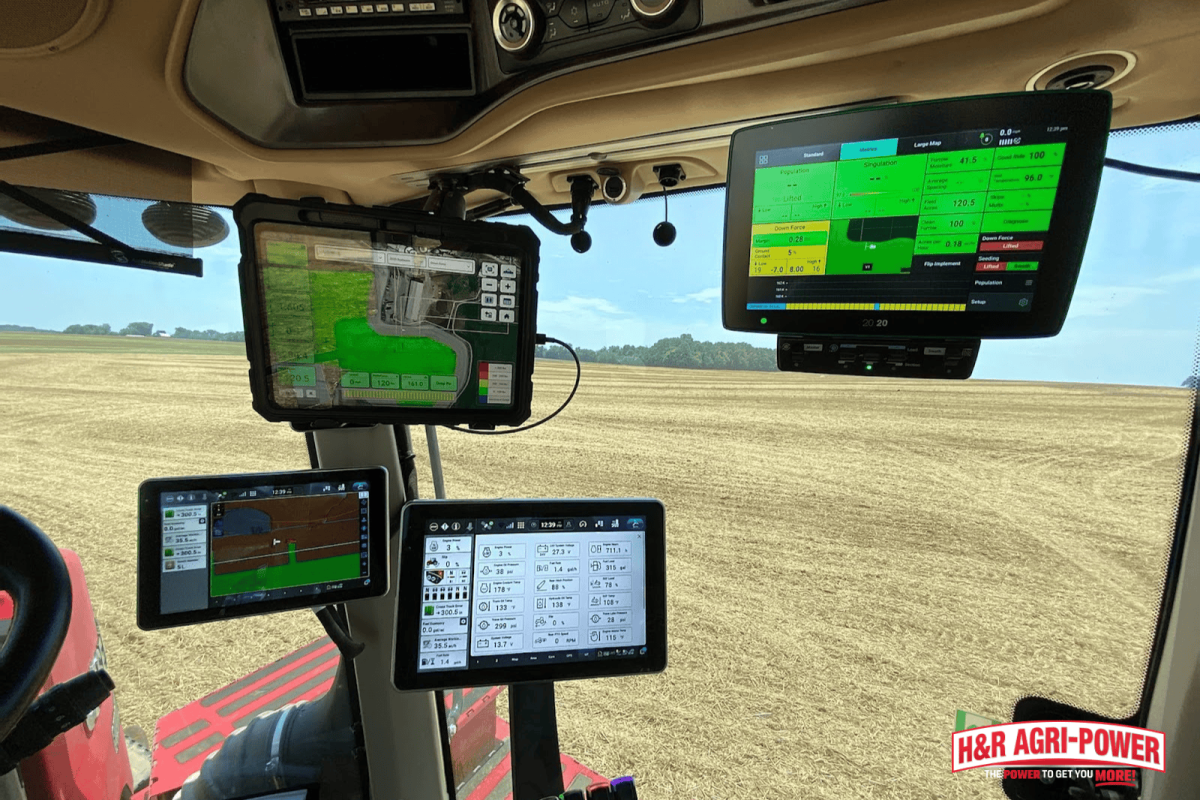
Precision farming uses advanced technology to enhance agricultural practices, enabling farmers to monitor and manage their crops with high accuracy. By optimizing the use of resources such as water, fertilizer, and pesticides, these tools help maximize crop yields while minimizing waste.
According to industry projections, the global precision farming market is expected to grow from USD 11.38 billion in 2025 to USD 21.45 billion by 2032, at a CAGR of 9.5%. This growth reflects the increasing adoption of precision farming technologies.
In this guide, we'll explore the top tools and gear that every farmer should consider to achieve success in precision farming, improving both efficiency and sustainability on their farms.
What is Precision Farming?
Precision farming refers to the application of advanced technologies that allow farmers to monitor and manage field variability in crops. By utilizing GPS, sensors, drones, and farm management software, farmers can make data-driven decisions about planting, fertilizing, irrigating, and harvesting crops. This technology leads to more efficient use of resources and higher yields.
Why does it matter?
The demand for sustainable farming practices is increasing. With the world population projected to grow to 9.1 billion by 2050, maximizing crop production and minimizing resource waste are critical.
Key Tools for Precision Farming
Precision farming relies heavily on advanced technology to optimize agricultural practices. Here are some of the key tools every farmer should consider:
1. GPS Auto-Steering Systems
Auto-steering systems are critical for precision farming as they enable tractors and other equipment to operate semi-autonomously with incredible accuracy. By using GPS signals, auto-steering systems help farmers plant, spray, and harvest crops with minimal overlap, saving fuel and time while ensuring optimal field coverage.
-
Benefit: Reduces input costs (e.g., fuel and labor) and ensures precise application of seeds and fertilizers, enhancing crop growth and yield. Case IH Tractors integrate this technology through their Auto-Steer systems, allowing for optimal accuracy and increased efficiency in fieldwork.
2. Variable Rate Technology (VRT)
Variable Rate Technology adjusts the rate of inputs like seeds, fertilizers, and pesticides based on field variability. Sensors on the equipment collect data, such as soil moisture levels and nutrient content, and apply inputs only where needed.
-
Benefit: Minimizes the waste of costly inputs while ensuring each section of the field receives the right amount of resources, boosting productivity and lowering operational costs.
3. Yield Monitors
Yield monitors are mounted on combines to provide real-time data on crop performance during harvest. By tracking crop yield and moisture levels across different areas of the field, farmers can better understand which sections performed well and which need attention in future planting seasons.
-
Benefit: Helps optimize future crop management decisions, enhancing overall farm productivity. Case IH combines, equipped with yield monitoring technology, ensure that farmers can gather precise data on their harvest for better future decision-making.
4. Soil Sampling Tools
Soil sampling equipment is essential for understanding the nutrient composition and pH of the soil. By analyzing the soil, farmers can make informed decisions about fertilization, improving soil health, and preventing overuse of chemical inputs.
-
Benefit: Helps reduce fertilizer waste and increase crop yields by providing tailored nutrient recommendations.
Top Gear for Precision Farming
To achieve maximum efficiency and productivity, precision farming relies on advanced technology that enables farmers to manage their crops and fields more effectively.
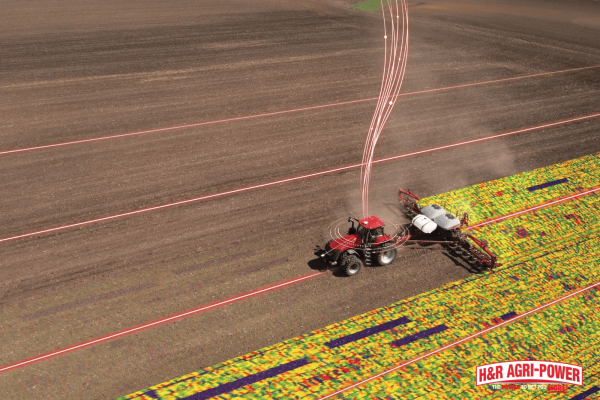
Here are the top tools every farmer should consider:
1. Precision Planters
Precision planters are equipped with advanced technology that ensures accurate seed placement. These planters can adjust seed depth, spacing, and population rates based on real-time soil conditions, ensuring that seeds are placed at the optimal depth and spacing for maximum growth.
-
Benefit: Increases planting efficiency, reduces seed waste, and improves crop emergence, leading to better yields. Case IH Planters are known for their ability to adjust to variable soil conditions, maximizing efficiency and crop yield.
2. Smart Irrigation Systems
Smart irrigation systems use sensors to monitor soil moisture and adjust irrigation rates accordingly. This technology helps farmers conserve water by applying only the amount needed, avoiding over-irrigation, and promoting healthier crops.
-
Benefit: Minimizes water usage, reduces costs, and promotes sustainable farming practices.
3. Sprayers with GPS & Sensors
Precision sprayers are equipped with GPS technology and sensors that allow for accurate spraying of pesticides, herbicides, and fertilizers. These sprayers can target specific areas that need treatment, reducing over-application and environmental impact.
-
Benefit: Ensures effective pest control and fertilization while minimizing the impact on surrounding environments and reducing costs.
4. Drones for Aerial Imaging
Drones equipped with high-resolution cameras and sensors can fly over fields to collect data about crop health, soil conditions, and pest infestations. This aerial imagery helps farmers make more informed decisions about irrigation, fertilization, and pest management.
-
Benefit: Provides real-time insights into crop conditions, helping farmers identify issues early and take timely action to prevent crop loss.
Enhancing Efficiency with Advanced Farming Equipment
Farmers today have access to innovative machinery that integrates seamlessly with precision farming technologies, improving farm efficiency and productivity. Case IH Tractors, equipped with advanced systems like Precision Farming and Auto-Steer, serve as excellent examples of how modern equipment can boost farm operations.
-
Precision Farming: A comprehensive farm management tool that enables farmers to remotely monitor and manage equipment in real-time. This technology offers insights into machinery performance, field data, and operational trends, helping farmers make data-driven decisions to improve efficiency.
-
Auto-Steer: This GPS-powered system offers precise auto-guidance, allowing tractors to perform autonomously with minimal overlap. Auto-Steer improves accuracy in planting, spraying, and harvesting, reducing fuel consumption and labor costs.
Impact on Farm Operations:
-
Increased Productivity: Integrating technology like Precision Farming and Auto-Steer ensures more consistent operations and less downtime, increasing farm output.
-
Cost Reduction: The use of precision technology reduces resource waste, including fuel, water, and fertilizers, making farming more cost-effective.
-
Sustainability: By optimizing resource use, advanced farming equipment promotes environmental sustainability, allowing farmers to reduce their carbon footprint and minimize waste.
How Precision Tools Improve Yield and Profitability
Precision farming technologies enable farmers to make data-driven decisions, optimize resource use, and enhance productivity, leading to increased yields and profitability. A USDA ERS study found that the adoption of precision agriculture technologies has a small positive impact on both net returns and operating profits for U.S. corn farms. For example, guidance systems raised operating profit by an estimated 2.5% and net returns by 1.5%.
1. Data-Driven Decisions
Precision farming tools generate vast amounts of data, allowing farmers to make informed decisions about planting, irrigation, fertilization, and pest control. By analyzing this data, farmers can adjust their practices for optimal yield and cost efficiency.
-
Example: Precision planting tools ensure that crops are planted in optimal conditions, leading to uniform growth and higher yields.
2. Cost Reduction
By applying resources more efficiently, precision farming technologies reduce waste. Variable Rate Technology, for instance, ensures that fertilizers and pesticides are only applied where needed, saving money on costly inputs.
-
Example: Farmers can reduce water usage with smart irrigation systems, leading to significant savings on water bills.
3. Improved Productivity
Precision farming allows farmers to optimize their field operations, increasing the time spent on productive tasks while minimizing downtime. This results in higher crop yields and improved overall farm efficiency.
-
Example: Using GPS auto-steering systems, Case IH Tractors can operate semi-autonomously, freeing up labor for other tasks while maintaining consistent performance in the field.
Sustainability and Environmental Impact
Precision farming is not only about improving farm efficiency and profitability, but it also plays a crucial role in promoting sustainability and reducing the environmental footprint of agriculture. Through the use of advanced technologies, farmers can make more efficient use of resources, minimize waste, and protect the environment for future generations.
1. Resource Efficiency
One of the main benefits of precision farming is its ability to use resources more efficiently. By targeting inputs like water, fertilizer, and pesticides only where needed, farmers can significantly reduce resource waste and environmental impact.
-
Example: Drones and aerial imaging help farmers identify dry spots in the field, allowing for targeted irrigation that reduces water usage.
2. Reducing Environmental Footprint
Precision farming technologies reduce the overuse of chemicals and fertilizers, which helps protect surrounding ecosystems and improve soil conditions.
-
Example: Precision sprayers ensure that pesticides are applied only to areas that need them, preventing runoff into nearby water sources.
Challenges in Implementing Precision Farming Tools
Implementing precision farming tools brings significant benefits but also presents several challenges that must be addressed for successful adoption.
-
High Initial Investment: The upfront cost of advanced machinery and technology can be a barrier, especially for smaller farms. However, long-term savings from improved efficiency and reduced resource use often justify the initial investment.
-
Data Management Complexity: The vast amount of data generated by precision tools can overwhelm farmers. Proper software and training are essential to manage and interpret this data effectively for better decision-making.
-
Technological Integration: Integrating new precision farming tools with existing equipment can be difficult. Farmers must ensure smooth communication between old and new technologies for optimal performance.
-
Training and Expertise: Farmers need the right training to use precision farming tools effectively. Without sufficient knowledge, the potential of these technologies cannot be fully realized.
-
Connectivity Issues: Reliable internet and network access are crucial for real-time data transfer. Poor connectivity in rural areas can limit the effectiveness of precision farming technologies.
Embrace Precision Farming for a Sustainable and Profitable Future
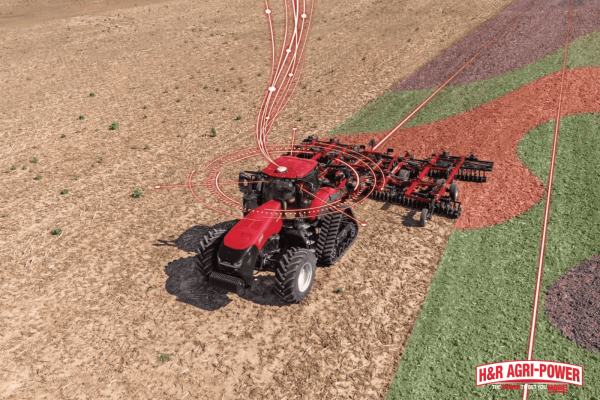
Adopting precision farming tools has transformed agriculture, enabling farmers to improve productivity, reduce costs, and promote sustainability. At H&R Agri-Power, we offer top-tier precision farming technologies, from Case IH Tractors to smart irrigation systems and precision planting tools. These innovations help farmers make informed, data-driven decisions that drive efficiency and maximize yields.
By integrating these advanced solutions, farmers can stay ahead in a competitive market and ensure long-term success. Visit H&R Agri-Power today to embrace precision farming and boost your farm's productivity, sustainability, and profitability for the future.
Frequently Asked Questions
1. What is the main benefit of precision farming tools?
The main benefit is that precision farming tools optimize resource use, improve crop yields, and reduce waste, leading to more efficient and sustainable farming practices.
2. How do precision planters improve crop yields?
Precision planters ensure seeds are placed at the optimal depth and spacing, resulting in better crop emergence, healthier plants, and higher yields.
3. Are precision farming tools suitable for small farms?
Yes, many precision farming tools, like compact tractors and smart irrigation systems, are scalable and suitable for small farms, helping them improve efficiency.
4. How does GPS auto-steering technology enhance farming?
GPS auto-steering helps reduce overlap and improve field coverage, resulting in better fuel efficiency, less time spent on manual tasks, and improved accuracy.
5. What are the environmental benefits of precision farming?
Precision farming reduces water, pesticide, and fertilizer usage, minimizing environmental impact, conserving resources, and promoting sustainability in agriculture.