


Top 5 Power Upgrades for More Precise Planting
Precision planting is essential for maximizing crop yields, minimizing waste, and improving overall farm efficiency. With the increasing demand for sustainable farming practices, upgrading planting equipment with advanced power systems has become a necessity.
According to the U.S. Department of Agriculture (USDA), precision agriculture technologies help farmers optimize input use and improve crop productivity. By adopting these technologies, farmers can achieve significant cost savings and enhanced efficiency in their planting operations.
These upgrades focus on optimizing the planting process, ensuring that every seed is placed with precision and efficiency. In this guide, we'll highlight the top 5 power upgrades that can transform your planting operations, increase your productivity, and enhance the overall success of your crops.
Enhanced Engine Power for Consistent Performance
Upgrading engine power in planting equipment is a pivotal step toward achieving smoother and more efficient planting, especially in challenging conditions.
1. Increased Power and Torque for Smoother Planting
A powerful engine ensures consistent planting, particularly in harsh soil conditions or expansive fields. With an upgraded engine, planting equipment can maintain a constant speed, even in challenging environments.
2. The Role of Engine Power in Handling Varying Soil Types
Different soil types require varying amounts of power to penetrate and plant effectively. An upgraded engine can adapt to these changes, ensuring smooth operation regardless of soil texture, whether it's sandy, clay-based, or loamy.
3. Faster Planting with Upgraded Engine Performance
The increased horsepower and torque from a more powerful engine mean planting can be done faster without sacrificing accuracy. This allows farmers to plant more efficiently during optimal weather windows, reducing delays caused by slower machinery.
A study by the University of Nebraska-Lincoln emphasizes the importance of optimizing tractors and implementing performance for improved fuel efficiency and reduced operational costs. By collecting and analyzing data on engine performance, fuel use, and enforce status, farmers can make informed decisions to enhance planting efficiency and productivity.
How can upgrading engine power improve planting efficiency?
Upgrading engine power ensures planting equipment can maintain a consistent speed, even in harsh soil conditions. It reduces delays, improves efficiency, and allows for faster planting during optimal weather conditions.
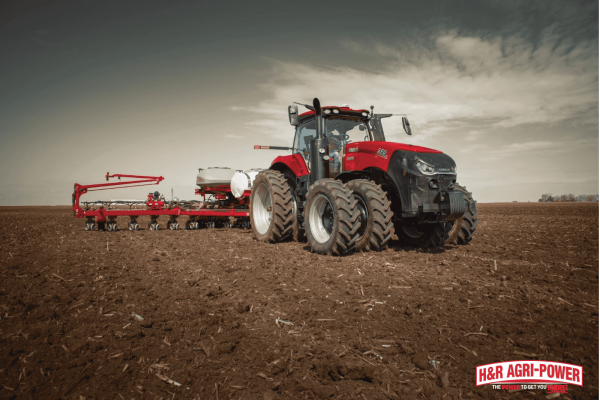
Case IH Tractors, known for their Advanced Efficiency and Precision Farming technologies, offer enhanced engine power that optimizes planting performance. These tractors are equipped with advanced engine systems that provide increased fuel efficiency, helping farmers reduce operational costs while boosting productivity.
Advanced GPS and Auto-Steering Systems
In modern farming, GPS and auto-steering systems have become indispensable tools for improving planting precision and field efficiency. These technologies allow farmers to plant with unmatched accuracy, reducing waste and maximizing crop potential.
1. How GPS Technology Ensures Precise Navigation
Agra GPS Technology and auto-steering systems are a game-changer in precision farming. These systems use satellite technology to guide planting equipment with incredible accuracy. By marking the exact coordinates for each pass, GPS reduces overlap and gaps, ensuring seeds are planted with maximum precision.
2. Reducing Overlap and Gaps for Accurate Planting
Overlap during planting can lead to wasted seed and uneven crop growth, while gaps may cause reduced yields in those areas. Auto-steering systems ensure that the planting equipment follows the ideal path, avoiding both issues and maximizing the planting area.
The Benefits of Auto-Steering in Maximizing Field Efficiency
Auto-steering systems also reduce operator fatigue, making it easier to plant for extended hours, especially during peak planting seasons. With the tractor's steering system automatically adjusted, farmers can focus on other tasks, knowing that their planting operation is precise.
1. Hydraulic System Upgrades for Better Control
Upgrading hydraulic systems is a key step in improving planting precision. These systems control critical functions like seed depth and seed spacing, ensuring that each seed is placed with the right amount of force and accuracy for optimal crop growth.
2. Role of Hydraulics in Depth and Row Control
Hydraulic systems are critical for controlling planting depth and ensuring consistent seed placement. By upgrading the hydraulic system, farmers can ensure that the equipment delivers the right amount of force to plant seeds at an optimal depth, improving germination rates.
3. Ensuring Consistent Seed Placement with Hydraulic Upgrades
An upgraded hydraulic system allows for more precise control of seed spacing and depth. This ensures uniformity across the field, which directly influences crop performance and reduces variability.
How Hydraulic Efficiency Improves Fuel Usage
An efficient hydraulic system not only improves planting accuracy but also enhances fuel efficiency. By optimizing hydraulic power, the equipment can operate more efficiently, leading to fuel savings over time.
Variable Rate Technology (VRT) for Custom Planting
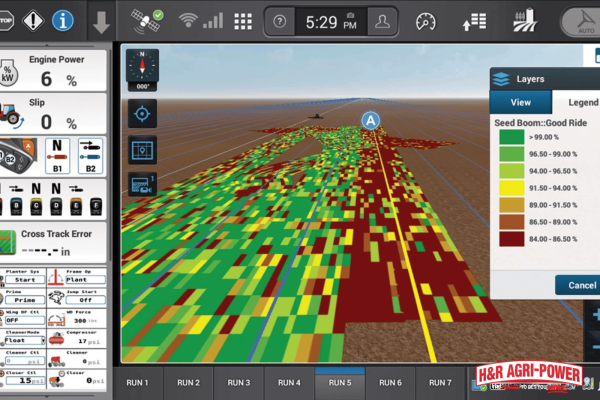
Variable Rate Technology (VRT) enables farmers to apply agricultural inputs, such as seeds, fertilizers, and water, at varying rates across a field, tailored to the specific needs of each zone. This targeted approach maximizes efficiency, minimizes waste, and optimizes crop productivity.
According to the USDA Economic Research Service, VRT adoption rates have increased significantly over the years. For instance, the adoption rate for corn was 37.4% of planted acres in 2016, up from 11.5% in 2005.
Similarly, cotton acreage using VRT rose from 5.4% in 2007 to 22.7% in 2019. These increases demonstrate how VRT technology can effectively optimize resource use and enhance farm productivity.
1. What Is VRT and How It Works
Variable Rate Technology (VRT) utilizes data from soil sensors, GPS mapping, and remote sensing to assess field variability. By analyzing factors like soil fertility, moisture levels, and crop health, VRT systems generate prescription maps that guide equipment to apply inputs precisely where and when they are needed.
2. Optimizing Seed and Resource Use with VRT
By applying inputs at variable rates, VRT minimizes waste and ensures that resources are used efficiently. This approach not only saves time and reduces costs but also contributes to more sustainable farming practices by preventing over-application of fertilizers and other inputs.
3. The Role of VRT in Maximizing Crop Yields and Reducing Waste
Implementing VRT helps achieve uniform crop stands and maximize yield potential by addressing the specific needs of each field zone. This targeted approach leads to healthier crops and reduces the environmental impact associated with excessive input use.
How does VRT improve farming sustainability?
VRT allows for the efficient use of resources by applying inputs like seed, water, and fertilizer only where needed. This reduces waste, prevents over-application, and minimizes the environmental impact, making farming more sustainable in the long term.
Fuel-Efficient and Sustainable Power Upgrades
Upgrading to fuel-efficient power systems is essential for farmers looking to reduce costs, increase operational efficiency, and make farming more sustainable.
These upgrades offer both economic and environmental benefits that are critical for modern agriculture.
1. The Importance of Fuel Efficiency in Power Systems
Fuel efficiency plays a significant role in the overall performance and profitability of farming equipment. By upgrading to modern, fuel-efficient engines and power systems, farmers can reduce fuel consumption by as much as 20% compared to older models. According to the Environmental Protection Agency (EPA), these fuel savings are particularly valuable during long planting seasons when fuel usage is at its highest. With less fuel required for the same output, farmers can significantly reduce their operational costs.
2. How Fuel-Efficient Upgrades Lower Operating Costs
Investing in fuel-efficient power systems reduces the cost per acre planted. By cutting down on fuel consumption, farmers can save a considerable amount of fuel costs over time. These savings can then be reinvested into other crucial areas, such as crop management, soil health improvements, or regular equipment maintenance. With lower fuel expenses, farmers can maintain better cash flow while improving their overall operational efficiency.
3. Sustainability Benefits of Upgraded Power Systems
Fuel-efficient power upgrades not only lower costs but also provide significant environmental benefits. These modern engines produce fewer carbon emissions, reducing the ecological footprint of farming operations. Additionally, the reduction in fuel consumption helps make farming more eco-friendly, aligning with sustainable agricultural practices. By adopting these upgrades, farmers contribute to reducing the negative impacts of agriculture on the environment, ensuring a healthier planet for future generations.
Transform Your Farm with Power Upgrades for Greater Precision and Efficiency
Investing in power upgrades like enhanced engines, GPS systems, hydraulic controls, VRT technology, and fuel-efficient power systems is essential for modern farming. These upgrades not only boost planting precision but also improve efficiency, leading to higher yields and sustainable practices. By adopting these advanced solutions, farmers can reduce costs, optimize productivity, and stay competitive in today's evolving agricultural landscape.
Ready to take your farming to the next level? Visit H&R Agri-Power today to explore our top-tier equipment and power upgrades, including Case IH Tractors, designed to help you maximize efficiency and achieve long-term success.
Frequently asked questions
1. What is Variable Rate Technology (VRT) and How Does It Improve Planting?
VRT adjusts the application rates of seeds, fertilizers, and water according to the varying conditions of the field, ensuring efficient use of resources and minimizing waste.
2. How Can Upgrading the Hydraulic System Improve Planting Precision?
Upgrading the hydraulic system enhances control over planting depth and row spacing, leading to more consistent seed placement and improved crop uniformity.
3. What Are the Benefits of GPS and Auto-Steering Systems in Planting?
GPS and auto-steering systems minimize overlap, reduce planting errors, and ensure consistent coverage across the field, leading to better resource management and reduced operator fatigue.
4. How Does Engine Power Impact Planting Efficiency?
A more powerful engine provides better torque and consistent performance, allowing planting equipment to maintain optimal speed and handle challenging field conditions more effectively.
5. Why Are Fuel-Efficient Power Systems Important for Modern Farming?
Fuel-efficient power systems reduce fuel consumption, lower operational costs, and minimize the environmental impact, allowing farmers to invest savings into other areas of their operation.