

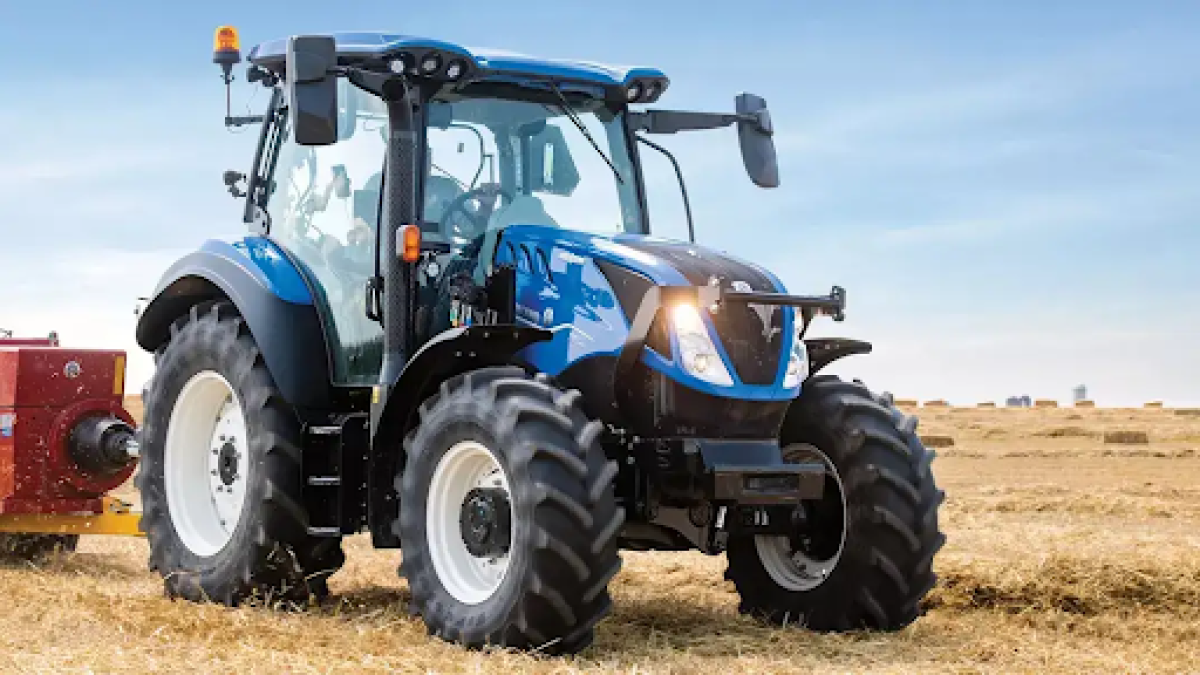
Tractor maintenance involves checking, repairing, and servicing key components like the engine, filters, hydraulics, tires, and electrical systems to keep equipment reliable. For farmers, seasonal care is more than just routine; it’s protection against costly downtime during the busiest times of the year.
When planting or harvest is delayed by even a day, the financial and productivity losses can be significant. A 2023 U.S. PIRG Education Fund and National Farmers Union survey revealed that farmers face an average of $3,348 in yearly losses due to repair delays and downtime, highlighting how preventable issues quickly turn into expensive setbacks.
A well-structured seasonal tractor maintenance checklist ensures machinery stays in peak condition, reduces long-term repair costs, and provides peace of mind that essential equipment will perform when needed most.
A Closer Look at Seasonal Tractor Maintenance
Seasonal tractor maintenance is the structured practice of servicing machines before periods of heavy work, such as planting, cultivating, or harvest time. It includes changing engine oil and filters, inspecting hydraulics and belts, and cleaning air intakes. These steps prevent minor issues from escalating into major mechanical failures. Seasonal maintenance is essential for the following reasons:
-
Consistent seasonal upkeep slows component wear. Engines remain cleaner and more efficient when filters are replaced on time. Transmissions perform better when fluid levels are correct, and bearings last longer with proper lubrication. These benefits extend a tractor’s lifespan, delaying expensive overhauls or early replacement.
-
Scheduled maintenance also lowers repair costs. It uncovers minor problems early, enabling inexpensive part replacements and avoiding costly emergency breakdowns. Service shops often charge more for urgent repairs during peak farming seasons. Preventive care performed during the off-season tends to cost less and fits more easily into schedules.
-
Fuel efficiency improves significantly when engines and filters are kept clean. When these elements are serviced seasonally, fuel burns more efficiently, horsepower stays stable, and fieldwork is completed faster. Over thousands of operating hours, the fuel savings can largely offset maintenance costs.
For instance, the Farm Income and Wealth Statistics forecasted that 2025 total farm production expenses would rise by 2.6 percent to $467.4 billion, with significant allocations to feed, livestock/poultry purchases, and labor. This shows how essential it is to protect equipment efficiency, reduce fuel use, and decrease repair costs through seasonal care.
Why Seasonal Maintenance Matters?
Seasonal tractor maintenance matters because it impacts all key aspects of farm operations, efficiency, safety, compliance, and resale value. Combined, these benefits create real, measurable value.
Efficiency
Well-maintained tractors deliver consistent power, use less fuel, and complete field tasks on time. Poorly serviced equipment causes delays, wastes time, and even reduces crop yields if tasks are postponed.
Safety
Machinery failures such as worn brakes, steering problems, or electrical faults pose serious risks. Tractors alone contribute to about 32% of agricultural fatalities, with over 50% caused by rollovers.
A NIOSH study found that machinery is involved in approximately half of all farm injuries, reinforcing the importance of thorough seasonal checks.
Compliance
Equipment upkeep documentation is often required for conservation programs, insurance, or financing. Maintaining clear service records helps avoid penalties and keeps eligibility for subsidies or low-interest loans.
Resale Value
Tractors with detailed maintenance histories fetch higher resale or trade-in prices. Buyers and dealers value proven care and are willing to pay more for well-documented equipment.
The lost income underscores how missed preventive maintenance translates directly into missed profits.
Practical benefits of seasonal maintenance include:
-
Consistent fuel efficiency and reduced operating costs.
-
Prevention of urgent breakdowns during crucial planting or harvesting windows.
-
Enhanced safety through the early detection of mechanical hazards.
-
Maintenance of compliance and program eligibility with documented service records.
-
Higher resale value via verifiable care history.
This approach is more than routine; it’s a strategic investment that supports farm productivity, safety, regulatory standing, and financial health.
Spring Tractor Maintenance Checklist
As winter ends and planting season approaches, tractors need a thorough inspection before hitting the field. Winter storage often leads to issues like fluid degradation, battery drain, and tire pressure loss.
Addressing these concerns before the tractor returns to heavy use can prevent expensive downtime during the planting rush. Thus, spring upkeep is not just about machine health but also about protecting overall farm profitability.
Inspect and Replace Fluids
One of the most critical steps in spring is addressing fluids that have been sitting idle. Engine oil, hydraulic oil, and coolant degrade with time, even if the tractor is unused. Moisture buildup can lead to acidic conditions inside the engine and hydraulic system, accelerating wear.
-
Engine oil and filters should always be replaced before the tractor’s first run in the spring. Old oil that sat through winter often contains contaminants that can corrode internal parts.
-
Hydraulic fluid should be checked for discoloration or a milky appearance, which signals water contamination. If left unchecked, this can damage pumps and valves.
-
The coolant needs to be tested using a hydrometer. Weak coolant fails to prevent overheating and loses its ability to protect metal parts from corrosion.
Taking care of fluids before planting may cost a few hundred dollars in materials, but it prevents thousands of dollars in engine or pump repairs later.
Check Belts, Hoses, and Filters
Belts and hoses are often overlooked after winter storage, but are prone to cracking, hardening, or losing flexibility during cold weather hits of disuse. Depending on part availability, a small belt failure during planting can halt operations for hours or days
Filters are equally critical. Air and fuel filters collect dust, moisture, and debris. A clogged fuel filter can restrict flow, while a dirty air filter reduces horsepower and increases fuel consumption. Replacing them before planting ensures the engine breathes and runs efficiently. Even a modest reduction in efficiency translates to higher fuel costs and slower work in the field.
Tire Pressure and Condition
Tractor tires lose air naturally over time, especially in cold weather. When tractors are left stationary, flat spots can also develop. Improper inflation increases soil compaction, which can have long-term consequences. Iowa State University Extension reports that poor tire management can reduce yields by up to 15% in compacted soils.
Checking tires in spring should involve more than just topping off air. Farmers should carefully inspect sidewalls for cracks or bulges, which may indicate structural weakness. Adjusting tire pressure for field conditions, slightly lower for tillage and higher for transport, also ensures better traction and reduced fuel consumption.
Test Battery and Charging System
Batteries suffer during cold months, especially if disconnected or not maintained. A battery that appears fine in the shop can fail under field load, leading to costly delays.
Testing with a voltmeter is a quick way to ensure reliability.
A fully charged battery should read around 12.8 volts. Terminals should be cleaned to prevent resistance buildup. Preemptive replacement is often the smarter choice for batteries older than four more intelligent years, since mid-season failure could mean hours of downtime during peak planting.
Spring Checklist Recap:
-
Replace engine oil, hydraulic fluid, and coolant.
-
Swap out fuel and air filters.
-
Inspect belts and hoses for cracks or stiffness.
-
Check tire pressure and sidewall integrity.
-
Test or replace the tractor battery.

Summer Tractor Maintenance Checklist
By summer, tractors are used daily and often operate under extreme stress. Hot weather, heavy implements, and long workdays make this the season when breakdowns are most costly. Preventive care during summer focuses on keeping the tractor cool, well-lubricated, and operating at peak efficiency.
Monitor Cooling System
Overheating is one of the most common tractor problems. Dust and crop residue clog radiator fins, making it harder for the system to dissipate heat. For instance, ConsumerAffairs reports that head gasket replacement costs can range from $1,338 to $9,264, depending on the vehicle’s make and model, labor rates, and the extent of the damage.
Farmers should clean radiator fins daily with compressed air, especially during dusty fieldwork. They should also check coolant hoses for swelling, leaks, or soft spots. The coolant concentration must remain at about 50/50 antifreeze and water for proper protection. Even in hot conditions, antifreeze prevents corrosion in the system, which plain water cannot.
Inspect Air Filters
Air filters work harder in summer due to the increased presence of field dust and debris. A clogged filter restricts airflow, making the engine burn more fuel and reducing horsepower. Air filters should be checked daily during heavy use. Cleaning with compressed air can extend life, but replacement is the only option once filters are clogged beyond recovery. Keeping spares on hand avoids last-minute downtime. A study by the University of Missouri found that replacing air and fuel filters lowered fuel consumption by 4%.
Lubricate Moving Parts
If not adequately lubricated, summer dust and grit can turn joints and bearings into grinding surfaces. PTO shafts, steering linkages, loader arms, and wheel bearings require frequent greasing.
Neglecting lubrication may not cause immediate failure, but it shortens the lifespan of expensive components. A few minutes of greasing each day can extend the life of joints and prevent unexpected breakdowns in the middle of haying or spraying.
Check Hydraulic System
Hydraulics are used during summer tasks like baling, spraying, or running loaders. Pressure loss or leaks can cripple operations mid-field. Farmers should inspect hoses for abrasion and fittings for signs of leaks. A hydraulic system that loses pressure can reduce implement efficiency or cause outright failure.
Replacing worn seals and monitoring fluid levels helps maintain consistent performance. Since hydraulic failures often require specialized repairs, preventive inspection is one of the best defenses against costly downtime.
Summer Checklist Recap:
-
Clean and monitor the radiator and coolant system.
-
Check and replace air filters as needed.
-
Grease all moving parts daily during heavy use.
-
Inspect hydraulic hoses, seals, and pressure levels.
Fall Tractor Maintenance Checklist
Fall is one of the busiest seasons for tractors, as they are pushed to their limits during harvest. Long hours in the field, heavy loads, and frequent road transport demand that tractors be kept in top shape. Preventive care during this season ensures reliability when there is little room for delays.
According to USDA research, machinery breakdowns during harvest can cause yield and quality losses because delays often mean crops face weather risks. Keeping tractors dependable during this period is essential for both efficiency and profitability.
Recheck Tires and Brakes
By fall, tires and brakes may already have endured a full season of use. Tires must provide strong traction in often muddy or uneven harvest fields, while brakes are critical for safety, especially when transporting heavy loads on rural roads.
-
Tires should be rechecked for tread wear, cracks, and sidewall integrity. Even minor flaws can turn into blowouts under heavy loads.
-
Brakes should be inspected for responsiveness and wear. Brake failure when pulling full grain carts is one of the leading causes of on-farm transport accidents, as noted in farm safety reports from the University of Kentucky Extension.
-
Proper tire and brake care in a fall is not just a matter of efficiency; it directly impacts operator and road safety.
Inspect Lights and Signals
As daylight hours shorten, tractors operate more at dusk or in darkness. Road transport during harvesting has also become more common.
-
Headlights, hazard flashers, turn signals, and reflective markers should all be inspected and replaced if dim or nonfunctional.
-
Operators should ensure that slow-moving vehicle (SMV) emblems are clear and visible.
The National Institute for Occupational Safety and Health (NIOSH) notes that roadway collisions involving farm equipment are more likely in low-visibility conditions, making working lights and signals a legal and safety requirement.
Fuel System Care
Fuel systems require attention before colder temperatures arrive. Water contamination is a frequent problem, primarily when tractors work through damp harvest conditions.
-
Drain water separators to prevent damage to injectors and pumps.
-
Consider adding a fuel stabilizer if the tractor will be partially or wholly stored after harvest.
-
Keep fuel tanks topped off to reduce condensation, which can lead to microbial growth in diesel.
Neglecting these steps can cause expensive injector damage or hard starts when temperatures drop.
Fall Checklist Recap:
-
Inspect tires for wear and ensure brakes are fully functional.
-
Test and replace lights, signals, and SMV markers.
-
Drain fuel separators and top off tanks, and use stabilizers if storing.

Winter Tractor Maintenance Checklist
Many tractors are stored for months at a time during winter. Cold weather, moisture, and inactivity can all cause long-term damage if machines are not adequately prepared. Proactive winterization reduces spring repair costs and extends tractor lifespan. Research from Iowa State University Extension emphasizes that improper storage often leads to battery failure, rust, and fuel issues when tractors are restarted in the spring.
Store in a Dry, Covered Area
Where tractors are stored over winter makes a significant difference. Exposure to snow, rain, or freezing temperatures can accelerate rust, damage seals, and drain batteries.
-
Tractors should be kept in a clean, dry shed with proper ventilation.
-
If indoor storage is not possible, heavy-duty covers should be used to protect against moisture and UV damage.
-
Removing machinery from direct weather preserves paint, wiring, and metal components.
Use Fuel Stabilizer and Winter Diesel
Diesel fuel is particularly vulnerable in winter. Low temperatures can cause gelling, where wax crystals form and clog filters and fuel lines.
-
Use a fuel stabilizer to keep fuel fresh during storage.
-
In colder regions, switch to winter-grade diesel blends that resist gelling.
Disconnect or Maintain Battery
Batteries are among the first components to fail during storage. Cold weather accelerates discharge, and parasitic drains from electronics can deplete them completely.
-
Disconnect the battery if the tractor has not been used for months.
-
A trickle charger or maintainer can also keep the battery at full charge without overcharging.
-
Replacing a large tractor battery can cost several hundred dollars, making preventive maintenance cost-effective and straightforward.
Protect Hydraulics and Tires
-
Hydraulic systems and tires should also be considered before long-term storage.
-
Relieve hydraulic pressure to prevent seals from weakening.
-
Lift tires slightly off the ground or move the tractor occasionally to avoid flat spots.
-
Tires should be cleaned and inflated before storage to minimize long-term deterioration.
This preparation ensures the tractor is ready for immediate use when spring arrives, instead of requiring repairs and replacements before fieldwork begins.
Winter Checklist Recap:
-
Store tractors in dry, covered spaces when possible.
-
Treat fuel with stabilizer or winter diesel blends.
-
Disconnect batteries or maintain with trickle chargers.
-
Relieve hydraulic pressure and prevent tire flat spots.
Tools and Supplies for Seasonal Maintenance
The right tools and supplies are critical for seasonal tractor maintenance. Farmers who prepare ahead of time save money and downtime during busy months. The right equipment also ensures minor issues do not escalate into costly repairs.
Some tools are considered essentials for any tractor owner. A grease gun is at the top of the list because proper lubrication keeps moving parts from wearing out quickly. Extra fuel stabilizers are another necessity, especially when tractors are stored for long periods, as they prevent fuel degradation.
Keeping engine oil and antifreeze available is equally important, since sudden temperature changes can stress the cooling system and engine performance.
Maintaining an inventory of spare filters, such as air, oil, and fuel filters, is also wise. Dirty or clogged filters can significantly reduce efficiency, and having replacements on hand prevents unnecessary delays during peak usage.
For convenience, many farmers create a maintenance kit that includes:
-
Grease gun and cartridges for all fittings
-
Stabilizers to treat fuel during storage
-
Engine oil and antifreeze for seasonal top-ups
-
Spare air, oil, and fuel filters
-
Basic hand tools like wrenches, pliers, and socket sets
Professional Service vs DIY Maintenance
While many maintenance tasks can be handled at home with the right tools, there are times when professional service is the more intelligent choice. Knowing the difference helps farmers balance costs with long-term reliability.
DIY maintenance works well for routine checks and straightforward tasks. For example, changing filters, topping up fluids, or using a grease gun to lubricate fittings are jobs most tractor owners can do with minimal training. These tasks are cost-effective and prevent minor issues from becoming major problems.
However, certain repairs and inspections require specialized knowledge. Hydraulic systems, transmission issues, and electrical diagnostics often need certified technicians. Improper handling of these systems can cause expensive damage or compromise safety. According to Penn State Extension, relying on professional inspections for advanced repairs ensures compliance with safety standards and prolongs equipment life.
Record-Keeping and Maintenance Logs
Keeping accurate records of tractor maintenance is just as important as performing the work itself. A well-documented log helps you track operating hours, services completed, and parts replaced. This makes it easier to anticipate future needs, budget for repairs, and avoid unexpected downtime during critical farming seasons.
The USDA Farm Service Agency emphasizes that proper record-keeping improves operational efficiency and supports compliance with farm management programs.
A detailed maintenance log typically includes:
-
Date of service or inspection.
-
Tractor hours at the time of service.
-
Type of service performed (oil change, filter replacement, hydraulic system check, etc.).
-
Parts replaced, with model numbers for future reference.
-
Technician notes or issues observed.
Maintaining such logs ensures that routine tasks are not overlooked. For instance, engine oil and filters are often due after a set number of operating hours. These intervals can be missed without records, leading to unnecessary wear or costly breakdowns.
Accurate logs also improve resale value. Prospective buyers are more confident in purchasing equipment with a clear history of professional upkeep..
Keep Your Tractor Running at Peak Performance; Schedule Your Maintenance Today
Seasonal tractor maintenance is more than a routine task; it’s a strategic investment in efficiency, safety, and long-term savings. From spring start-ups and summer heavy-use checks to fall harvest preparation and winter storage, each step ensures your tractor operates reliably when needed.
Proper upkeep minimizes costly breakdowns, extends equipment life, maintains resale value, and keeps your operations on schedule.
Equipping your farm with the right tools and supplies, understanding the balance between DIY maintenance and professional service, and keeping detailed maintenance logs all contribute to a proactive approach that saves time and money.
At H&R Agri Power, we specialize in helping farmers maintain their tractors through every season. Our certified technicians provide professional inspections, servicing, and guidance to complement your in-house maintenance routine. Don’t wait until a breakdown disrupts your schedule; schedule your seasonal tractor maintenance with H&R Agri Power today to keep your equipment running smoothly year-round.

Frequently Asked Questions
How often should I service my tractor?
Routine servicing is generally recommended every 100–200 operating hours, depending on the tractor’s model and manufacturer guidelines. In addition, seasonal checks should be performed at the start of spring, summer, fall, and winter to address issues during storage or heavy use. Following these schedules helps prevent wear on critical components such as the engine, hydraulics, and transmission.
What fluids need replacing most often?
Engine oil, hydraulic oil, and coolant require the most frequent attention. Engine oil lubricates moving parts and reduces wear, while hydraulic oil is essential for loader arms, PTO systems, and other implements. Coolant protects the engine from overheating and freezing and also prevents corrosion.
Different fluids, such as transmission oil and brake fluid, should be checked periodically based on operating hours and seasonal demands. Maintaining these fluids’ proper levels and condition ensures reliable tractor performance and prevents expensive repairs.
Do all tractors need winterizing?
Winterizing is essential for tractors operating in cold climates where temperatures can fall below freezing. Untreated diesel fuel can gel, batteries may discharge more quickly, and moisture can cause rust and seal damage. Winterizing is less critical in milder regions, but basic storage maintenance is still recommended, such as topping off fluids and cleaning machinery.
Can I use regular automotive oil in tractors?
No, regular automotive oil is not suitable for heavy-duty agricultural use. Tractors often operate under high loads, variable speeds, and in dusty or muddy conditions for extended periods. Manufacturer-recommended oils are formulated to provide the necessary lubrication, prevent premature engine wear, and maintain warranty compliance.
How do I prepare a tractor for long-term storage?
Preparing a tractor for extended storage involves stabilizing or draining the fuel to prevent gelling and microbial growth. Batteries should be disconnected or maintained with a trickle charger to avoid full discharge. The tractor should be covered and stored indoors whenever possible to protect it from moisture, UV exposure, and temperature fluctuations.
How to prepare a tractor for winter?
Here’s how you can prepare your tractor for the winter season:
-
Drain fuel or add a fuel stabilizer to prevent gelling.
-
Change the oil and check all fluid levels.
-
Inspect and replace worn belts, hoses, and filters.
-
Charge the battery and protect it from freezing.
-
Store the tractor in a dry, sheltered area and cover it if possible.