

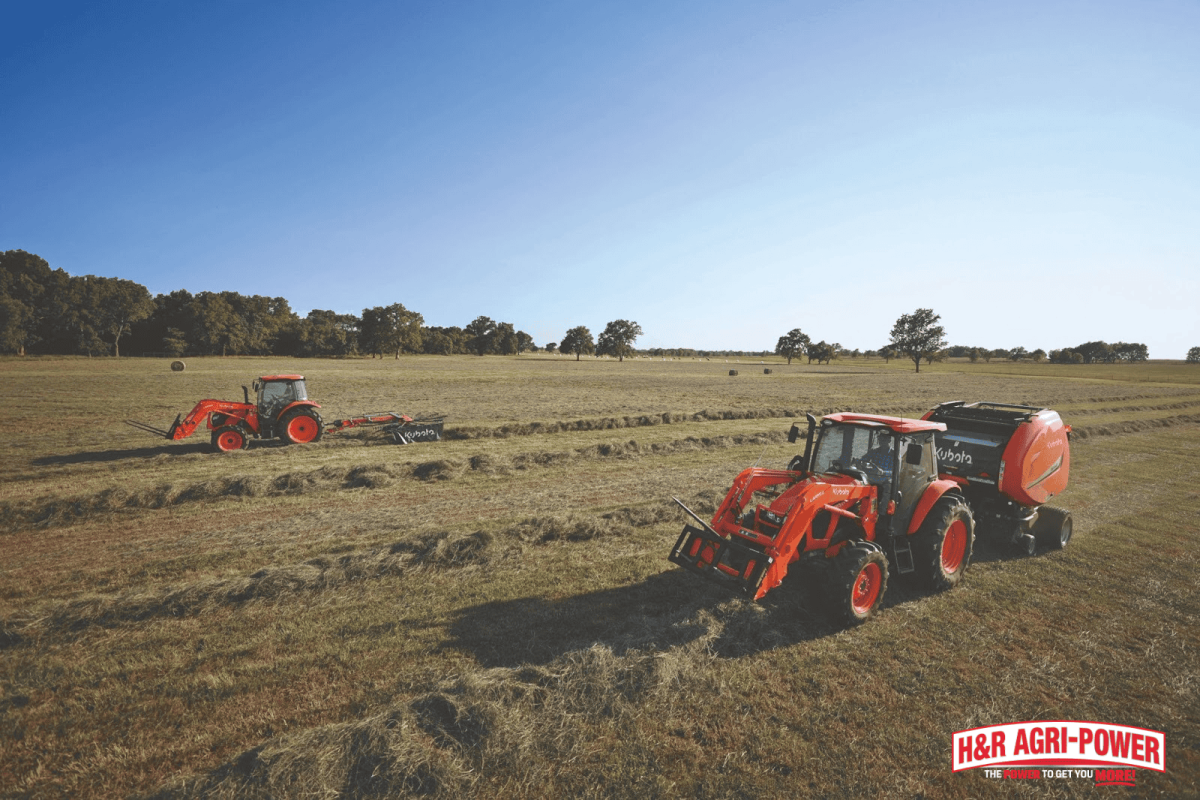
Soil compaction is a common issue in hay fields that can significantly reduce yield and quality. Compacted soil limits root growth, decreases water infiltration, and impairs the overall health of the crop. According to a study by the University of Kentucky, soil compaction can reduce crop yields by as much as 30%, particularly for hay, corn, and tobacco. For farmers, this not only means lower production but also higher input costs due to the need for more frequent irrigation and fertiliser applications.
In this article, we will explore how Kubota equipment can help farmers reduce soil compaction and improve the productivity of their hay fields. From the right tractors and balers to implementing precision farming techniques, Kubota offers solutions that can minimise field traffic, protect soil health, and boost hay production.
Why Soil Compaction is a Big Problem in Hay Fields
Soil compaction occurs when soil particles are pressed together, reducing pore space and making it harder for air, water, and nutrients to reach plant roots. In hay fields, this can significantly reduce yield and quality by limiting root growth, decreasing water retention, and restricting nutrient flow. Kubota equipment saves time and money by increasing efficiency in soil management, leading to better crop yields and reduced long-term costs.
1. How Compaction Affects Hay Yield
Soil compaction significantly impacts hay production by disrupting key factors that contribute to healthy plant growth. According to the USDA's Natural Resources Conservation Service (NRCS), soil compaction can directly reduce the efficiency of water and nutrient uptake, leading to stunted plant growth and lower yields.
-
Reduced Water Retention & Root Penetration: When soil becomes compacted, it becomes more difficult for plants to access the water and nutrients they need to thrive.
-
Nutrient Restrictions: Soil compaction creates barriers that prevent roots from reaching essential nutrients, which hampers the growth of plants.
-
Lower Yield & Quality: As root health declines due to limited access to water and nutrients, both hay yield and quality are negatively impacted.
2. Signs of Compacted Soil
Recognizing compacted soil early can help prevent further damage to crops and ensure better management practices.
-
Poor Drainage after Rainfall: Compacted soil struggles to absorb and drain water properly, resulting in pooling or runoff after rainfall.
-
Weak Plant Growth or Reduced Germination: Plants in compacted soil may show stunted growth or fail to germinate properly due to restricted root development.
-
Complex Soil Layers Near the Surface: A visible sign of compaction is the formation of dense, complex layers close to the surface, making it difficult for roots to penetrate.
3. Common Causes
Soil compaction can occur for several reasons, often due to human activities or weather conditions.
-
Repeated Use of Heavy Machinery: Frequent use of heavy equipment can press down on the soil, compacting it over time.
-
Wet Conditions Causing Equipment to Sink: Working with machinery on wet soil can lead to sinking, which results in further compaction.
-
Large or Poorly Designed Tractors: Tractors that are too large for the field or poorly designed equipment can exacerbate compaction problems.
Kubota Equipment Designed to Minimize Soil Compaction
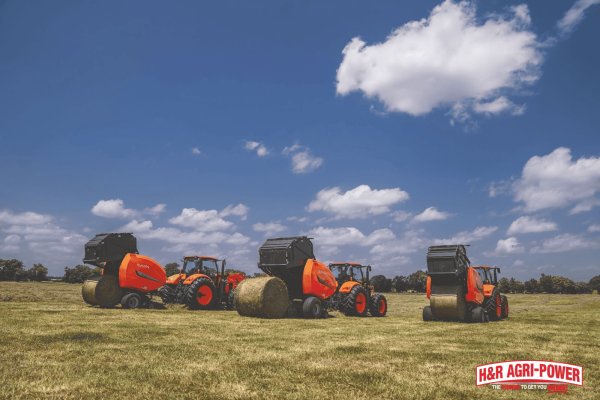
Kubota's equipment is meticulously engineered to minimize soil compaction while maintaining high productivity, particularly in hay production. Here are the key features that make Kubota machinery a top choice for sustainable farming practices, enhancing both soil health and operational efficiency. Regular maintenance and proper usage also help extend the life of your Kubota machinery, ensuring that your investment continues to perform at its best for years to come.
1. Lightweight Kubota Tractors for Hay Production
Kubota tractors are specifically designed to reduce the pressure exerted on soil, significantly minimizing compaction risks. For instance, the M7-154 Premium KVT tractor, when paired with the BV Series TIM round baler, offers optimal power and efficiency while preserving soil structure. This combination ensures that the weight of the machinery is evenly distributed, promoting sustainable farming practices and long-term soil health.
2. Kubota Hay Equipment Designed for Fewer Field Passes
Kubota's hay equipment, such as the BV Series round balers, is designed to reduce the number of field passes required for hay production. Fewer field passes help to minimize soil disturbance, preventing excessive compaction. This approach not only supports soil preservation but also ensures more consistent and higher-quality crop yields. Reducing the frequency of field passes has been proven to improve long-term soil health by minimizing soil disruption and increasing organic matter retention. To complement this equipment, the Kubota Tractor Lineup offers a range of powerful tractors that work seamlessly with your hay equipment, optimizing efficiency and performance in the field.
3. Tire and Track Options that Lower Soil Pressure
Kubota offers various tire and track options that help distribute the machinery's weight evenly across the soil. For instance, flotation tires and dual tires reduce the pressure exerted on the soil, especially in wet conditions where compaction risks are higher. By distributing weight over a larger surface area, these tires reduce the likelihood of deep soil compaction and preserve the soil's integrity for future harvests.
4. Precision Ag Tools for Smarter Passes
Kubota's Tractor Implement Management (TIM) system automates the coordination between the tractor and implements, optimizing field efficiency. By ensuring that each pass is perfectly timed and aligned, this system minimizes unnecessary compaction while improving operational output. TIM technology ensures that the tractor's speed and implement functions are synchronized, contributing to better soil health and higher yields. The use of precision ag tools like TIM has been shown to improve field productivity while reducing environmental impacts, particularly in soil structure and crop performance.
Benefits of Using Kubota Equipment for Hay Field Soil Health
Utilizing Kubota equipment to manage soil compaction offers a range of benefits that directly enhance the health and productivity of hay fields. Research from the University of Nebraska-Lincoln indicates that properly managed soil aeration can lead to significant improvements in crop yields, emphasizing the importance of adequate equipment in enhancing field productivity.
-
Increased Yield and Crop Health: By reducing soil compaction, Kubota equipment facilitates deeper root growth and better nutrient absorption, leading to healthier crops and higher-quality hay.
-
Reduced Fuel and Labor Costs: Kubota's efficient machinery minimizes the need for multiple passes over the field, saving fuel and labor costs while effectively managing soil compaction.
-
Enhanced Long-Term Soil Sustainability: Regular use of Kubota equipment helps maintain optimal soil structure, promoting long-term soil health and sustainability in hay fields.
To improve farm productivity with Kubota tractors, you can rely on machines designed to tackle tough farm tasks efficiently, saving both time and resources while boosting crop yields.
Best Practices for Using Kubota Equipment in Hay Fields
Effectively managing soil compaction with Kubota equipment requires strategic use and careful consideration of soil conditions. Here are the key best practices to follow:
1. Regular Soil Monitoring
Regularly monitor soil conditions using compaction testing tools to assess soil depth and density. This helps determine which Kubota equipment is needed and ensures effective management of soil compaction. Research indicates that early detection and management of soil compaction can lead to significant improvements in crop productivity." The study from the University of Minnesota Extension highlights that soil compaction can negatively influence crop yield by up to 60%.
2. Adjusting Equipment Settings Based on Soil Conditions
Kubota tractors and attachments come with customizable settings. Adjust the depth and pressure of subsoilers and aerators according to soil compaction levels and moisture. Proper adjustments prevent further damage and ensure optimal results.
3. Timing and Frequency of Use
Use Kubota equipment strategically. Subsoiling should be done when the soil is dry to avoid damage, while aeration should be scheduled during the growing season to benefit plant root development. Proper timing maximizes soil health and crop yield.
Local Factors That Affect Soil Compaction
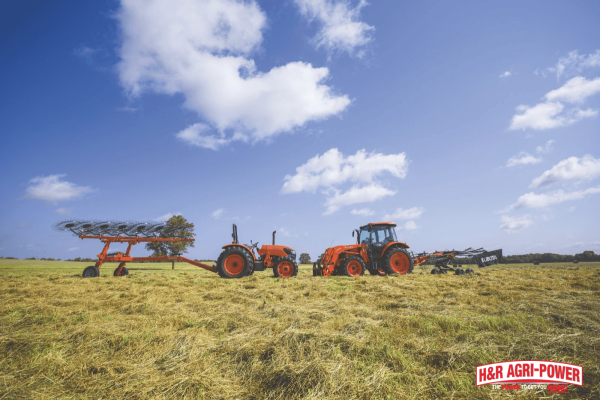
Soil compaction can vary by region due to differences in soil types, climate, and farming practices. In Kentucky, Tennessee, Illinois, and other states where H&R Agri-Power operates, local conditions can influence how compaction is managed. To tackle these challenges effectively, utilizing the right Kubota attachments can significantly enhance your ability to manage soil compaction, providing the right tools for a range of local soil conditions.
-
Soil Types in Different Regions: Different soil types, such as clay or loam, can be more prone to compaction. Kubota equipment is versatile enough to handle various soil conditions, ensuring that compaction is minimized across different regions.
-
Seasonal Timing for Field Operations: The weather and soil moisture levels vary throughout the year, impacting when and how fieldwork should be done. Kubota's precision farming solutions help farmers time their operations perfectly to avoid damaging the soil.
-
Regional Hay Production Challenges: In areas with higher rainfall or heavier equipment use, managing soil compaction is particularly challenging. Kubota's low-compaction equipment is designed to meet these challenges head-on, providing an optimal balance between productivity and soil health.
Get the Right Kubota Equipment for Your Hay Operation
Kubota offers a wide range of equipment designed to reduce soil compaction and boost productivity on your hay fields. From powerful tractors to efficient balers and mowers, Kubota ensures you have the right tools to improve soil health and maximize your crop yields. With advanced features, superior performance, and user-friendly designs, Kubota equipment is built to handle the demands of modern farming.
Ready to take your hay operation to the next level? Contact H&R Agri-Power today or visit one of our locations to explore the latest Kubota equipment for hay production. Our knowledgeable team is here to guide you, and we offer flexible financing options to fit your needs. Don't miss out, experience the Kubota difference now!
Frequently Asked Questions
1. What Kubota equipment helps reduce soil compaction?
Kubota's M Series tractors and subsoilers are designed to minimize soil pressure, helping prevent compaction while maintaining efficiency.
2. How do Kubota's tires help with compaction?
Kubota's flotation and dual tires evenly distribute weight, reducing soil pressure, especially in wet conditions.
3. Can Kubota equipment improve water retention?
Yes, by reducing compaction, Kubota equipment improves soil aeration, enhancing water retention and root growth.
4. What is Kubota's Tractor Implement Management (TIM) system?
The TIM system coordinates tractor speed and implement functions to reduce compaction and improve efficiency.
5. How does Kubota equipment promote soil sustainability?
Kubota machines minimize soil disturbance, helping maintain soil structure and supporting long-term field productivity.