

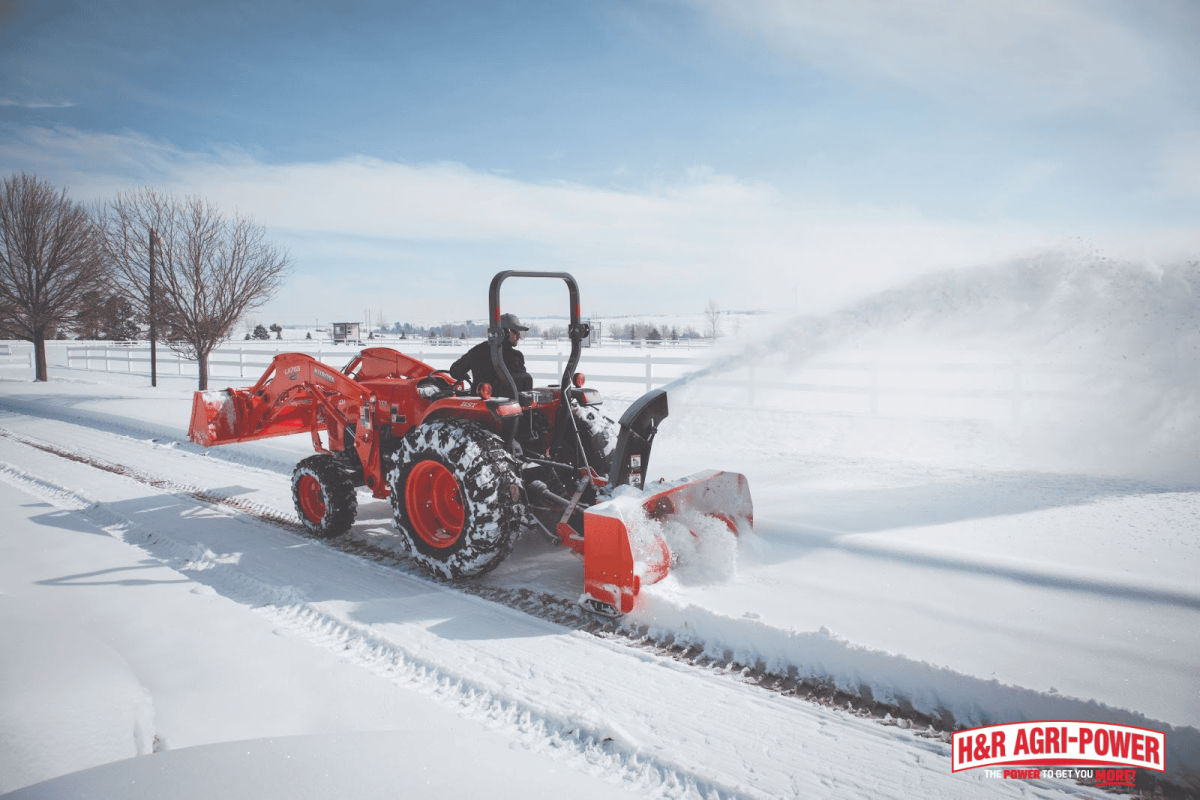
Indiana winters bring freezing temperatures, heavy snow, and icy conditions that can significantly impact the performance of your Kubota equipment. According to the Indiana Department of Homeland Security, cold temperatures, snow, and freezing rain are common throughout Indiana from November through March each year. These harsh conditions can lead to equipment failures if not properly addressed.
In this blog, we’ll cover expert tips on how to prepare your Kubota equipment for winter in Indiana. From simple fluid changes to proper storage techniques, these steps will keep your equipment running efficiently and extend its lifespan, even in harsh conditions.
Change Fluids for Optimal Performance
Cold temperatures can cause engine oils and hydraulic fluids to thicken, leading to increased strain on your Kubota equipment’s engine and potential failure.
Research indicates that using winter-grade oils and fluids ensures that your machinery performs well at low temperatures, as these oils maintain the right viscosity even in freezing weather.
What to Do:
-
Engine Oil: Replace the engine oil with a winter-grade, low-viscosity oil that can handle the cold.
-
Coolant: Flush and refill the coolant with a winter-approved antifreeze mixture.
-
Hydraulic Fluids: Check and replace hydraulic fluids as needed, making sure they're suitable for cold weather.
How often should I change the fluids in my Kubota equipment for winter?
It’s recommended to change the fluids at least once a year before the winter season, ensuring the oil and fluids are in optimal condition for cold temperatures.
Keep Your Battery in Good Shape
Cold temperatures can significantly reduce battery efficiency, making it difficult to start your Kubota equipment.
According to research, battery performance can drop by 32% in colder temperatures, and this can be a major issue if your battery is already weak.
Expert Tip
Before the temperature drops, test the battery’s charge and clean any corrosion from the terminals. If your battery is over three years old, consider replacing it, as older batteries are more likely to fail when subjected to cold weather.
What to Do
-
Inspect the battery for any signs of corrosion, and clean the terminals.
-
Test the voltage of the battery and replace it if the voltage is below the recommended level.
-
If needed, keep the battery indoors or invest in a battery warmer to protect it from extreme cold.
How do I know if my Kubota battery needs to be replaced?
If your Kubota equipment is slow to start or the battery is older than three years, it may be time to replace it. Cold temperatures can also make a weak battery fail.
Protect Your Fuel System
Cold temperatures can cause diesel fuel to gel, leading to clogs in the fuel lines and preventing the engine from starting. According to DieselNet, the cloud point is the temperature at which wax crystals begin to form in diesel fuel, which can cause filter plugging and operational issues in colder climates. That’s why winterizing your Kubota equipment is critical to ensure engines run reliably through the cold season.
Why It Matters
Adding fuel additives ensures that the fuel stays fluid and doesn't freeze or gel. These additives also help prevent the formation of ice crystals that can block the fuel lines and injectors, which could lead to engine failure.
What to Do
-
Add a fuel stabilizer or anti-gel additive: These additives lower the pour point of diesel fuel, preventing it from gelling in low temperatures.
-
Keep the fuel tank full: A full tank reduces the amount of air in the tank, minimizing condensation and the potential for water accumulation, which can freeze and block fuel lines.
-
Use winter-grade diesel fuel: Winter-grade diesel fuel has additives blended at the refinery to improve its cold-weather performance, including lowering the cloud point and pour point.
Can using fuel additives help prevent gelling?
Yes, using the proper fuel additives can help keep diesel fuel from gelling in cold weather, ensuring your Kubota equipment starts and runs smoothly.
Maintain Tire Pressure and Condition
During cold weather, tire pressure can decrease by 1-2 PSI for every 10°F drop in temperature, which can significantly impact your equipment’s traction and overall efficiency.
Low tire pressure can cause tires to wear out prematurely, resulting in poor performance and increased risk of damage, especially in harsh winter conditions.
Why It’s Important
Maintaining the proper tire pressure is crucial for ensuring optimal traction, particularly when navigating icy or snow-covered surfaces. It also helps to extend the life of your tires, reducing the need for frequent replacements.
Regular tire inspections for wear or visible damage are equally important in preventing issues during winter work, ensuring that your equipment remains reliable.
What to Do
-
Check tire pressure regularly, especially during the winter months, and inflate to the manufacturer’s recommended levels.
-
Inspect tires for cracks, cuts, or wear, and replace them if needed to avoid issues that could arise during heavy snow or rough terrain.
Why do tires lose pressure in cold weather?
Cold temperatures cause air inside tires to contract, leading to a reduction in pressure. This makes it even more important to check and adjust tire pressure regularly during the winter months.
Storing Your Kubota Equipment for the Winter
Proper storage is essential to protect your Kubota equipment from the harsh snow, ice, and moisture typical of an Indiana winter. Storing equipment incorrectly can lead to rust, damage to mechanical parts, and decreased performance when it’s needed most.
Why It’s Crucial
Keeping your equipment in a sheltered location reduces its exposure to freezing temperatures, moisture, and snow, which can cause damage to vital components such as the engine, hydraulic systems, and electrical parts. A dry, warm location is ideal for preserving the longevity of your equipment.
What to Do
-
Store your Kubota equipment in a dry, sheltered area, such as a garage, barn, or equipment shed, to protect it from the elements.
-
If outdoor storage is unavoidable, cover your equipment with heavy-duty, weather-resistant tarps to shield it from snow, rain, and ice. This prevents moisture buildup and helps keep rust at bay.
Is it okay to store my Kubota equipment outside in winter?
While it’s best to store equipment indoors during winter, if outdoor storage is necessary, use protective covers to keep snow and moisture off your equipment and reduce the risk of damage.
Clean and Lubricate Your Equipment
Cleaning and lubricating your Kubota equipment before storing it for winter can prevent rust and ensure that moving parts continue to operate smoothly.
Cold weather can accelerate wear on equipment if dirt and debris are left on it for an extended period. The Environmental Protection Agency (EPA) finds that accumulated dirt and road salt can significantly shorten the lifespan of machinery, leading to accelerated wear and corrosion.
Why It’s Needed
Lubricating moving parts, such as joints and tracks, prevents freezing and ensures that your equipment can start without any issues in the morning. Cleaning the equipment removes dirt, road salt, and moisture, which can cause rust and wear on sensitive parts.
What to Do
-
Clean the entire exterior of your Kubota equipment to remove dirt, debris, and corrosive salt.
-
Lubricate all moving parts, including joints, tracks, and mechanical systems, with appropriate winter lubricants designed for low temperatures.
How often should I lubricate my Kubota equipment during winter?
Lubricate your equipment before storing it for winter and at least once a month during use in cold temperatures to keep all moving parts in optimal condition.
Check and Protect Electronics and Digital Systems
Modern Kubota equipment is equipped with advanced digital systems, which can be highly sensitive to extreme cold.
When temperatures drop, electronics may malfunction, leading to costly repairs or system failures. Proper protection of these systems is crucial to ensure smooth operation throughout winter.
Why It’s Important
Cold weather can cause moisture to accumulate in connectors, leading to the freezing of sensitive electronics, such as control systems and sensors. By protecting these components, you ensure that your equipment remains reliable even in freezing conditions.
What to Do
-
Cover sensitive electronics and digital systems with weather-resistant covers to protect them from moisture and freezing temperatures.
-
Ensure all connectors are dry and properly sealed to prevent any moisture buildup or electrical malfunctions.
How can I protect my Kubota equipment’s electronics during winter?
Cover all sensitive digital components and connectors with weatherproof covers to prevent damage from moisture and freezing temperatures.
Winterizing Snow Removal Attachments
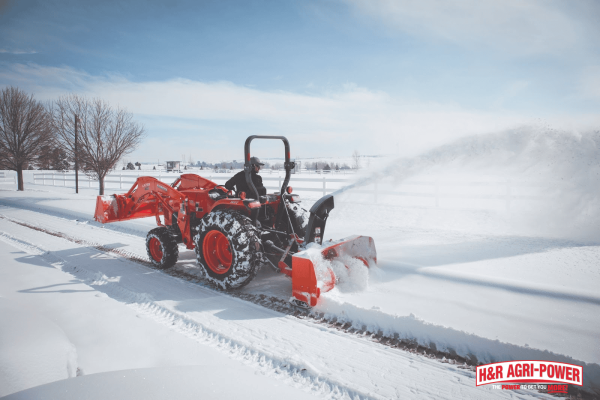
If your Kubota equipment is used for snow removal, winterizing your snowplows, blowers, and other attachments is essential to avoid malfunctions during heavy snowfalls. Proper maintenance ensures your snow removal tools work efficiently and reliably in harsh winter conditions.
Why It Matters
Snow removal attachments face constant exposure to snow, ice, and road salt. Proper winter maintenance ensures that these top Kubota attachments continue to perform optimally and avoid breakdowns when you need them most.
What to Do
-
Clean snow removal attachments thoroughly after each use to remove dirt, salt, and debris
-
Lubricate moving parts on plows, blowers, and other attachments to prevent freezing and rust buildup.
How can I maintain my Kubota snowplow during the winter?
Clean and lubricate your snowplow regularly to prevent rust and ensure it operates smoothly in freezing conditions.
Service and Maintenance Options for Winter Preparation
Ensuring that your Kubota equipment is properly serviced before winter helps identify potential problems and fix them before the cold weather sets in. Many dealerships, like H&R Agri-Power, offer special winter service packages designed to prepare your equipment for the season.
What to Do
-
Schedule a service appointment with a trusted Kubota dealer to get a comprehensive checkup and ensure your equipment is ready for winter.
-
Take advantage of winter service packages that cover fluid changes, battery tests, tire inspections, and other necessary maintenance.
What’s included in a winter service package for Kubota equipment?
A winter service package typically includes fluid checks and changes, battery tests, tire inspections, and an overall inspection to ensure your equipment is fully prepared for the winter season.
Winter-Ready Accessories and Add-Ons
Adding winter-specific accessories to your Kubota equipment can enhance both performance and comfort during winter operations. Accessories like heated cabs and weatherproof mats are excellent choices to enhance functionality and maintain your equipment in optimal condition during cold weather.
Useful Add-Ons
-
Heated Cabs to ensure comfort while working in cold conditions.
-
Weatherproof Mats to protect the interior from snow, dirt, and moisture.
What to Do
-
Invest in winter-specific accessories like heated seats, cabs, or mats to improve comfort and productivity during winter operations.
Are winter-ready accessories worth the investment for Kubota equipment?
Yes, these accessories improve comfort and efficiency, making winter tasks easier and more productive by providing better protection and comfort for operators.
Get Ready for Indiana’s Winters with Kubota Equipment Protection
Preparing your Kubota equipment for Indiana’s tough winter conditions is essential for maintaining its performance and longevity. By following these expert tips, from fluid changes to proper storage and maintenance, you can ensure your machinery remains reliable throughout the season. Don’t wait for the snow to fall; winterize your equipment today!
For more personalized advice and service, Contact H&R Agri-Power where our experts can help you prepare your Kubota equipment for winter.
Frequently Asked Questions
1. How can I prevent my Kubota equipment from freezing in winter?
Store it in a sheltered area or cover it with weather-resistant tarps. Use winter-grade fluids and lubricants.
2. Can I use my Kubota equipment in extreme cold?
Yes, but ensure it’s winterized with winter-grade oil, antifreeze, and proper lubrication.
3. How do I know if my Kubota battery needs replacing before winter?
If it’s slow to charge or over three years old, test the voltage and consider replacing it.
4. Should I remove attachments from my Kubota equipment for winter storage?
Yes, remove attachments for cleaning, lubrication, and protection from winter conditions.
5. How can I ensure my Kubota engine starts easily in freezing temperatures?
Use winter-grade oil, keep the battery charged, and store equipment in a warm area or use a block heater.