

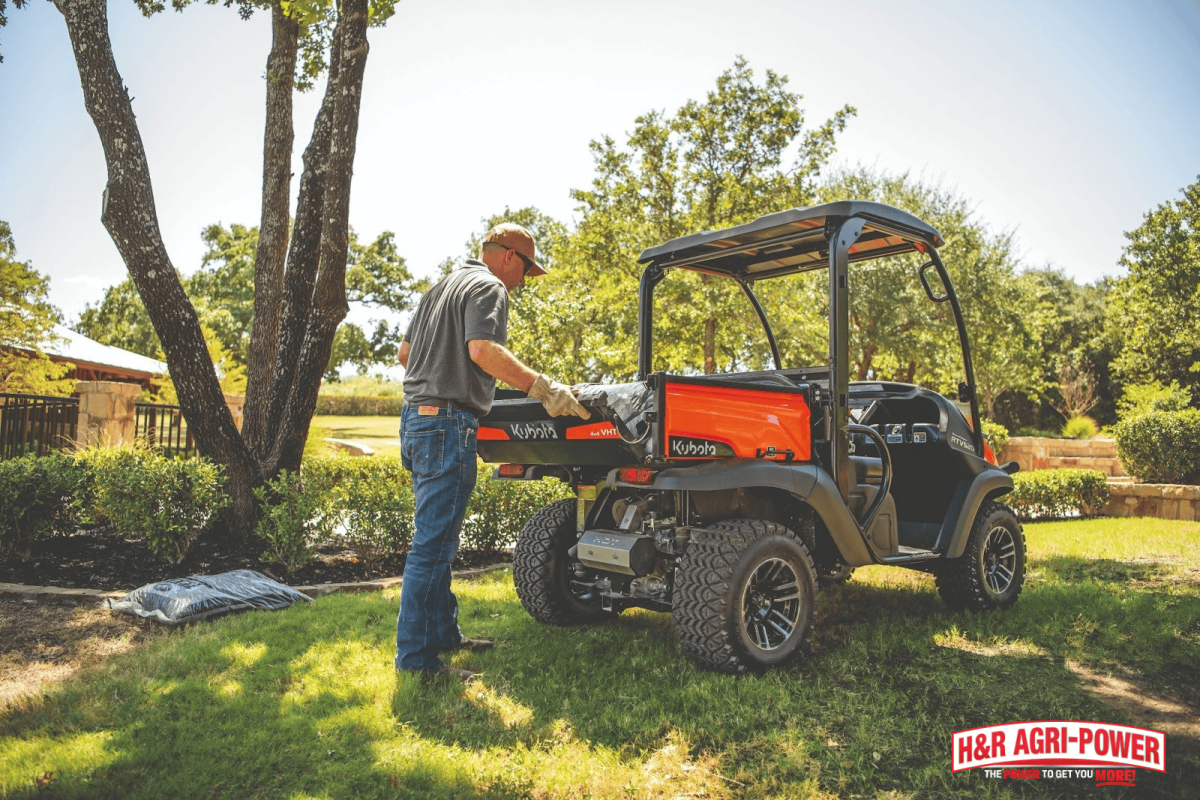
Kubota RTV and Kawasaki Mule are popular utility vehicles (UTVs) designed for hauling, towing, and navigating rugged terrain across farming, construction, and recreational sites.
According to the U.S. Consumer Product Safety Commission (CPSC), over the five years from 2018 to 2022, there were an estimated 504,400 emergency department-treated injuries in the United States involving off-highway vehicles (OHVs), including UTVs, averaging about 100,900 injuries annually. This underscores the critical importance of understanding safety differences when comparing models like the Kubota RTV and Kawasaki Mule.
As UTV use increases in both work and recreation, choosing the right utility vehicle matters more than ever. In this guide, we'll compare Kubota RTV and Kawasaki Mule across engine performance, cargo and towing capacity, ride quality, safety features, and overall value, helping you confidently select the best utility vehicle for your needs.
Engine & Power Performance: Kubota RTV vs Kawasaki Mule
When evaluating Kubota RTV versus Kawasaki Mule, their engine type, power output, and transmission design play critical roles in their effectiveness in hauling, towing, and terrain navigation.
1. Engine Type and Fuel
-
Kubota RTV: Primarily equipped with diesel engines, known for better fuel efficiency and higher torque, which is beneficial for heavy-load farm tasks. Kubota RTVs have been the best-selling diesel utility vehicles in North America since 2004. Kubota-built and trail-proven, these 3-cylinder liquid-cooled diesel engines have a well-earned reputation for dependable performance even in the harshest terrains.
-
Kawasaki Mule: Uses gasoline engines, offering lighter construction and faster acceleration for mixed-use scenarios.
2. Horsepower and Torque
-
Kubota RTV: Generally has lower maximum horsepower, but delivers strong low-end torque, ideal for heavy pulling and sloped terrain.
-
Kawasaki Mule: Typically offers higher horsepower, benefiting acceleration and top-speed performance, particularly useful in recreational use or fast deployment scenarios.
3. Transmission and Drive System
-
Kubota RTV: Kubota has more experience in variable hydraulic transmissions than any other Utility Vehicle manufacturer. The Large oil cooler enhances the VHT-X's performance and durability by operating at cooler temperatures. Operators can modulate speed with accuracy, making it a favorite for work-focused applications such as farming and construction.
-
Kawasaki Mule: Features a Continuously Variable Transmission (CVT) with centrifugal clutch. The CVT design allows seamless shifting through an infinite range of gear ratios, providing quicker acceleration, responsive throttle control, and adaptability across open fields, trails, and uneven ground. It is particularly advantageous for users who need a balance of work utility and recreational performance.
Which engine type, diesel or gasoline, is better suited for heavy-duty UTV use?
According to the U.S. Department of Energy, Diesel engines are typically more efficient for work-intensive use due to their higher torque output and better fuel economy (30-35% higher than gasoline engines), making them ideal for tasks like towing and hauling, attributes exemplified by the Kubota RTV. Gasoline engines, found in many Kawasaki Mule models, excel in speed, lightness, and responsiveness, making them better suited for flexible and recreational operations.
Payload and Towing Strength of Kubota RTV vs Kawasaki Mule
When choosing a utility vehicle, payload and towing strength are two of the most critical factors. These specs determine how much equipment, supplies, or materials you can carry in the bed or haul behind the vehicle, making them essential for farm, construction, or recreational use.
1. Cargo Bed Capacity
-
Kubota RTV: Built with steel cargo beds, designed for durability and the ability to carry heavier loads without flexing or wear.
-
Kawasaki Mule: Features composite cargo beds, which are lighter but still durable and resistant to rust. Suitable for a wide variety of general hauling tasks.
2. Towing Limits
-
Kubota RTV: Known for reliable towing power, with many models handling between 1,000-1,300 lbs, ideal for trailers, small implements, or farm supplies.
-
Kawasaki Mule: Offers more towing versatility, with capacities ranging from 1,200 to 2,000 lbs, depending on the model. This makes it better suited for users who need to pull larger equipment or handle recreational trailers.
3. Hitch and Hauling Options
Both Kubota RTV and Kawasaki Mule come with standard hitch receivers, making them compatible with typical farm and work attachments such as trailers, spreaders, and utility carts.
Size and Build Design of Kubota RTV vs Kawasaki Mule
The size, ground clearance, and frame strength of a utility vehicle directly influence how it performs on the farm, in construction, or on trails. Kubota RTV and Kawasaki Mule differ in design philosophy; one prioritizes heavy-duty stability, while the other focuses on agility and versatility.
1. Overall Dimensions
-
Kubota RTV: Typically larger and heavier, delivering extra stability and durability for demanding workloads.
-
Kawasaki Mule: More compact and slimmer, making it easier to maneuver through barns, tight paths, and wooded areas.
2. Ground Clearance and Wheelbase
-
Kubota RTV: Has lower ground clearance, offering greater control and stability when carrying heavy loads across level or moderately sloped terrain.
-
Kawasaki Mule: Designed with higher ground clearance, allowing it to handle off-road trails, uneven surfaces, and rough terrain more effectively.
3. Weight and Durability of Frame
-
Kubota RTV: Built with reinforced steel frames, ensuring long-lasting strength and resistance to heavy wear and tear.
-
Kawasaki Mule: Combines steel framing with a lighter build, giving it the agility needed for mixed work and recreational use while maintaining durability.
Ride Comfort and Suspension of Kubota RTV vs Kawasaki Mule
Suspension design and ride comfort are key differences between the Kubota RTV and the Kawasaki Mule. These factors affect how smoothly the vehicle performs when driving off-road, carrying loads, or transporting passengers across varied terrain.
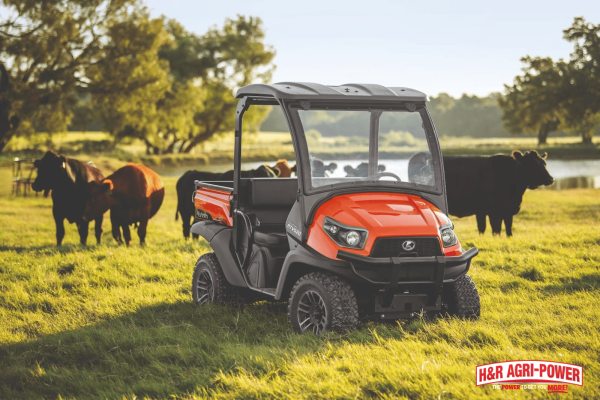
1. Suspension Setup Front and Rear
-
Kubota RTV: Uses a more rigid suspension, built to prioritize load stability and durability. This design helps the RTV remain steady while hauling heavy equipment or supplies.
-
Kawasaki Mule: Equipped with an independent suspension system on many models, providing better shock absorption and a smoother ride on uneven ground.
2. Off-Road Handling
-
Kubota RTV: Optimized for controlled performance in work environments, especially when towing or carrying loads on flat or moderately sloped terrain.
-
Kawasaki Mule: Performs well on trails, hills, and rough ground, making it a better choice for users who split time between work and recreation.
3. Smoothness of Ride Under Load
-
Kubota RTV: Remains stable and predictable when under heavy load, even if the ride feels firmer.
-
Kawasaki Mule: Prioritizes passenger comfort, offering softer suspension that absorbs bumps more effectively, especially when not carrying maximum weight.
Which utility vehicle offers a smoother ride?
If ride comfort is the top priority, the Kawasaki Mule provides a smoother experience thanks to its independent suspension system. However, if stability under heavy load is more important, the Kubota RTV is better suited due to its rigid suspension and work-focused design.
Fuel Efficiency and Operating Range: Kubota RTV vs Kawasaki Mule
Fuel capacity and engine efficiency are crucial for determining the range and duration a utility vehicle can operate before refueling, which is essential for optimizing work productivity.
1. Fuel Tank Capacity
-
Kubota RTV: Equipped with larger fuel tanks, enabling longer periods of continuous use, ideal for extended work shifts in remote areas.
-
Kawasaki Mule: Features moderate tank sizes that strike a balance between fuel efficiency and vehicle agility.
2. Operating Range and Fuel Efficiency
-
Kubota RTV (Diesel): Diesel engines are inherently more efficient, delivering 30-35% better fuel economy compared to gasoline alternatives. This efficiency translates into significantly longer operational range and fewer refueling stops.
-
Kawasaki Mule (Gasoline): Offers faster acceleration and lighter, more responsive handling, but generally provides a shorter range due to lower fuel efficiency.
Which is more fuel-efficient, the Kubota RTV or the Kawasaki Mule?
Kubota RTV models with diesel engines are generally more fuel-efficient and can run longer on a single tank, making them ideal for all-day farm work. Kawasaki Mule models with gasoline engines offer good efficiency for lighter use, but their shorter range makes them better for recreational and shorter-duration tasks.
Comfort and Interior Features of Kubota RTV vs Kawasaki Mule
Comfort inside a utility vehicle matters just as much as performance, especially for operators who spend long hours on the job or use the vehicle for recreation. Seating capacity, ergonomics, and cab options are key differences between the Kubota RTV and Kawasaki Mule.
1. Seating Layout and Capacity
-
Kubota RTV: Typically offers 2–3 seat configurations, focusing on compact, work-ready setups.
-
Kawasaki Mule: Provides models with 2, 3, or 4+ seats, including crew versions that can carry additional passengers, ideal for larger work teams or family use.
2. Driving Ergonomics
-
Kubota RTV: Designed for practical functionality, with straightforward controls and layouts geared toward work environments.
-
Kawasaki Mule: More comfort-oriented, with ergonomically designed seating, smoother ride positioning, and layouts that prioritize passenger comfort.
3. Cab and Climate Options
Both Kubota and Kawasaki offer optional cab enclosures, windshields, heating, and A/C packages, making their UTVs adaptable for year-round use in different climates.
Technology and Convenience in Kubota RTV vs Kawasaki Mule
Modern utility vehicles offer more than just raw power; they also integrate technology and convenience features that make daily use easier, safer, and more efficient. Kubota RTV and Kawasaki Mule differ in their emphasis on displays, steering support, and optional add-ons.
1. Dash and Display Features
-
Kubota RTV: Uses practical analog-style gauges, giving operators simple, reliable information without distractions, perfect for work-focused users.
-
Kawasaki Mule: Often includes modern digital displays with more detailed readouts, appealing to operators who want advanced monitoring and convenience.
2. Steering and Control Assist
-
Kubota RTV and Kawasaki Mule: Both brands offer electric power steering (EPS) in select models or trim levels, making it easier to handle loads, navigate rough terrain, and reduce operator fatigue during long hours of use.
3. Lighting, Storage, and Add-Ons
-
Kubota RTV: Supports a variety of aftermarket and OEM accessories, including LED lighting kits, roofs, winches, and snow plows, ideal for farm and construction customization.
-
Kawasaki Mule: Equally versatile, with a wide range of factory and dealer-installed accessories, plus extra storage compartments to enhance recreational and work use.
Safety and Protection of Kubota RTV vs Kawasaki Mule
Safety features are paramount when choosing a UTV, for both farm work and off-road recreation.
The effectiveness of ROPS systems, seat belts, and braking design can directly impact occupant safety during rollovers or sudden maneuvers.
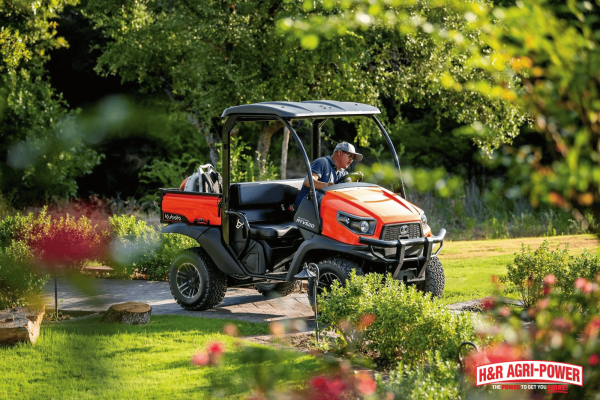
1. Roll-Over Protection and Seatbelts
-
Kubota RTV & Kawasaki Mule: Both UTVs are built with ROPS (Roll‑Over Protective Structures) and seat belt systems, designed to protect occupants in rollover scenarios. ROPS and seat belts remain critical safety features and are standard across both models.
2. Brakes and Stability Features
-
Kubota RTV: Designed with controlled braking systems that prioritize stability and gradual deceleration, ideal for heavy loads and towing operations.
-
Kawasaki Mule: Offers agility-oriented braking, enabling nimble responses suitable for dynamic trail riding and off-road handling.
According to a 2023 CPSC report, off‑highway vehicles, including UTVs, account for an average of over 100,000 emergency department-treated injuries annually in the U.S., with common causes being rollovers and collisions.
Mississippi State Extension notes that two-thirds of UTV accidents involve rollover incidents, and over 80% of fatalities involve occupants being ejected, underscoring the lifesaving importance of ROPS and seatbelt use.
Maintenance and Dealer Support for Kubota RTV vs Kawasaki Mule
Maintaining your utility vehicle is critical for ensuring long-term performance and reliability, especially for farm or heavy-duty use. The frequency of service, ease of care, and availability of parts and dealer support can vary between the Kubota RTV and the Kawasaki Mule.
1. Service Intervals and Ease of Care
-
Kubota RTV: Diesel engines in Kubota RTV models require scheduled maintenance (such as oil changes, air filters, and fuel system checks) but are known for their long lifespan when properly maintained. Regular maintenance ensures optimal performance in demanding work environments.
-
Kawasaki Mule: Gasoline engines have simpler service routines compared to diesel models. They typically require less frequent servicing, making them a good choice for users who want a vehicle that's easy to maintain with fewer parts to replace or repair.
2. Availability of Parts and Support
-
Kubota RTV & Kawasaki Mule: Both brands are supported by a strong network of dealerships and authorized repair centers that offer OEM parts, service appointments, and warranty support. Dealerships like H&R Agri-Power offer wide-reaching service across multiple states, making it easy to find parts and get maintenance help when needed.
3. Starting Price and Trim Options
When choosing between the Kubota RTV and Kawasaki Mule, understanding their starting prices, trim options, and warranty coverage is crucial for making an informed purchase. Both vehicles cater to different needs and budgets, offering distinct benefits in terms of long-term ownership value.
-
Kubota RTV: Higher upfront cost, built for work-focused buyers needing a durable, heavy-duty vehicle for demanding tasks. Trim options like the RTV-X are designed for larger payloads.
-
Kawasaki Mule: Offers more affordable models, including entry-level options. Ideal for those seeking a versatile vehicle at a lower cost, with models like the Mule 4000 and PRO series providing a range of performance levels.
4. Warranty Coverage and Value
-
Kubota RTV: 2-year limited warranty, with extended coverage on certain parts.
Kawasaki Mule: 12-month warranty, with options for extensions.
H&R Agri-Power dealer offering expert maintenance, OEM parts, and warranty services at locations across multiple states.
Is the Kubota RTV worth the higher price compared to the Kawasaki Mule?
Yes, if you need a heavy-duty, long-lasting vehicle for challenging tasks, the Kubota RTV justifies the higher cost. For light work and recreation, the Kawasaki Mule provides excellent value with a lower initial price.
Which Utility Vehicle Fits You Best?
If you need a diesel-powered, heavy-duty machine for hauling, towing, and long workdays, the Kubota RTV is your best bet. However, if you're looking for a versatile vehicle that can handle both farm tasks and recreational trail riding, the Kawasaki Mule is ideal for you.
Both the Kubota RTV and Kawasaki Mule excel in different areas: durability and heavy-duty performance with the RTV, and comfort and versatility with the Mule.
Visit H&R Agri-Power to find the perfect utility vehicle that meets your needs today!
Frequently Asked Questions
1. Which lasts longer, the Kubota RTV or the Kawasaki Mule?
Kubota RTVs last longer due to their diesel engines, while Kawasaki Mule offers solid durability with proper maintenance.
2. Are Kubota RTVs more expensive than Kawasaki Mules?
Yes, Kubota RTVs are more expensive because of their heavy-duty design and diesel engine.
3. Which is better for farm use?
Kubota RTV is better for heavy-duty farm tasks, while Kawasaki Mule is great for lighter work and recreation.
4. Which UTV is more comfortable for long rides?
Kawasaki Mule is more comfortable, offering ergonomic seating and a smoother ride for longer trips.
5. Can I use the Kubota RTV for off-roading?
Yes, the Kubota RTV can handle moderate off-roading, though it's better suited for work-focused environments rather than recreation.