

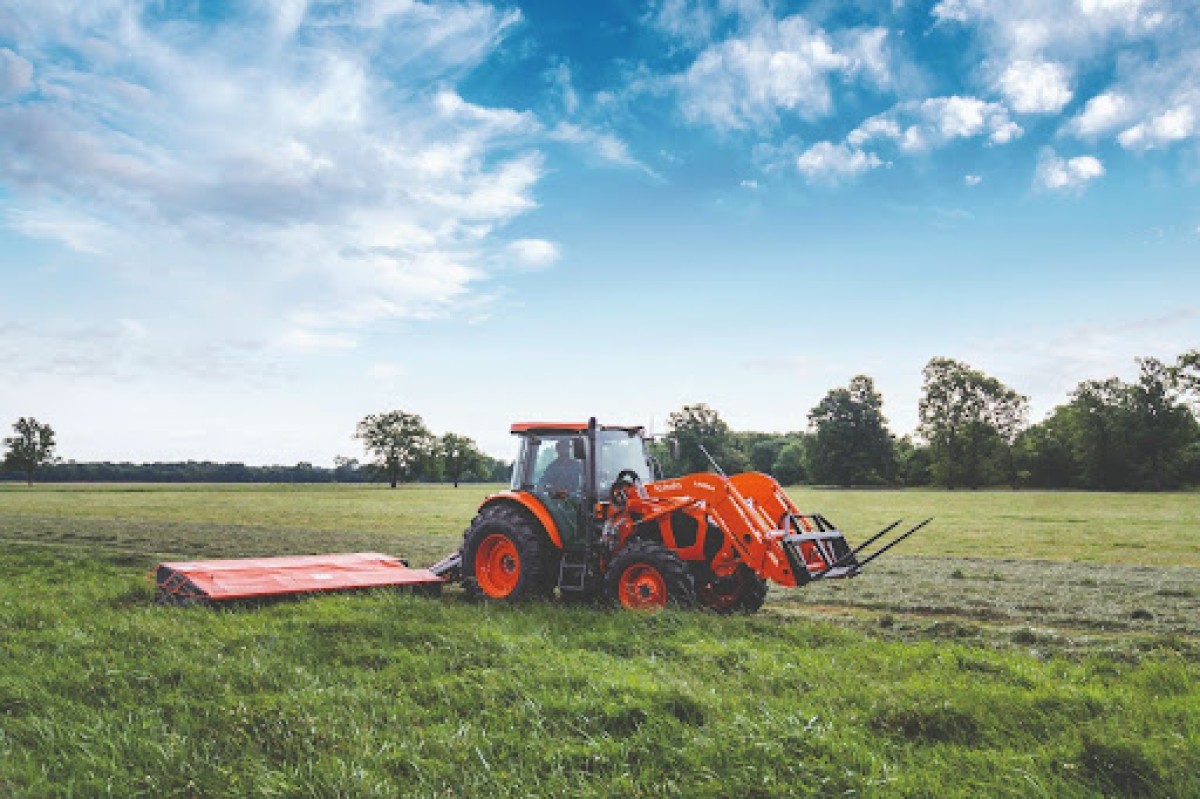
Hay quality encompasses nutritional value, digestibility, and palatability, some key factors that influence livestock health and productivity. Weather conditions significantly affect these attributes, particularly during drying and storage phases. Rainfall during drying can leach soluble nutrients, leading to dry matter losses and reduced energy content. Even slight moisture exposure can prolong respiration and microbial activity, causing further nutrient degradation.
Storage practices also play a crucial role. Uncovered hay stored outside can experience dry matter losses ranging from 25 percent to 30 percent, translating to significant economic losses. To mitigate these effects, it’s essential to implement proper drying techniques and invest in appropriate storage solutions to maintain hay quality and reduce feed costs.
In this article, we’ll cover all the aspects of how weather impacts hay quality and storage.
What is Hay, and Why Weather Matters in Its Production?
Hay is highly weather-sensitive, and proper handling is critical to maintaining its quality and safety. Exposure to excessive rain, humidity, or improper drying conditions can lead to nutrient loss, mold growth, and spoilage. In extreme cases, poorly cured or stored hay may even pose a fire risk due to spontaneous combustion.
Weather influences every stage of hay production, from growth to harvest to storage. Understanding how moisture, sun, wind, and temperature interact can help producers optimize hay quality and reduce losses.
Let’s take a close look at the external factors that affect hay’s quality over time:
Moisture
Excess moisture during drying can leach soluble nutrients from hay, leading to dry matter losses and reduced energy content. Even slight moisture exposure can prolong respiration and microbial activity, causing further nutrient degradation. Rainfall during drying can leach soluble nutrients, resulting in dry matter losses and a reduction in energy content.
These changes result in lower total digestible nutrients, vital for animal nutrition.
Sunlight
Sunlight aids in drying by increasing temperature and reducing relative humidity, accelerating moisture evaporation from hay. Optimal drying conditions occur on sunny, warm days with low humidity. This combination enhances the rate at which water evaporates from the plant, preserving its nutritional value.
Wind
Wind facilitates moisture evaporation by moving humid air away from the hay surface, allowing drier air to replace it. This air movement helps maintain drying, especially when high humidity levels are present. Wind also aids in reducing the risk of mold formation by promoting airflow around the hay.
Temperature
Temperature influences the rate of moisture evaporation from hay. Higher temperatures increase evaporation rates, aiding in quicker drying. However, excessive heat can lead to nutrient degradation, so maintaining a balanced temperature is essential. Optimal drying occurs under warm conditions with low humidity.
Incorporating these weather factors into hay production practices can help mitigate risks associated with poor weather conditions. Producers can enhance hay quality and reduce potential losses by understanding and managing moisture, sunlight, wind, and temperature.
Effects of Rain on Hay Quality
Rain after cutting can significantly affect hay quality. When hay gets wet, soluble nutrients such as sugars and proteins can be washed away, reducing energy content and digestibility. Wet conditions also create an environment favorable for mold growth, compromising palatability and safety for livestock. Even short periods of rain on wilting hay can cause notable losses, making timely harvesting and proper storage essential.
Rain impacts hay quality in several ways. It directly leaches nutrients, prolongs drying, and increases spoilage risk. Understanding these effects allows producers to adjust their harvesting and storage practices to preserve forage quality.
Nutrient Loss from Leaching
Soluble carbohydrates and proteins can be washed out after cutting when the hay is exposed to rain. This process, known as leaching, reduces the energy content and overall nutritional value of the forage. Highly water-soluble sugars are the first to be lost. Proteins, though less soluble, are also affected during prolonged rainfall.
Research shows that rainfall can reduce yields up to 20 percent. Losses are influenced by rain intensity, forage species, and moisture content at the time of rainfall. Rapid response, such as re-wilting or prompt baling, can help reduce these nutrient losses.
Mold and Spoilage
Excess moisture after rain increases the likelihood of mold growth in hay. Hay that remains above 14–15% moisture without preservatives is especially prone to mold. Mold reduces nutritional value and can produce mycotoxins that are harmful to livestock.
Moldy hay also generates heat, which accelerates nutrient degradation. Losses in dry matter and total digestible nutrients (TDN) can be significant, making the hay less valuable as feed. Preventing mold requires careful monitoring of moisture content, covering hay, and moving it to well-ventilated storage as soon as possible.
Delayed Drying
Rain can extend hay curing times, increasing both labor and production costs. When hay stays wet longer, microbial activity continues, degrading nutrients and promoting spoilage.
Extended drying times also increase the risk of further rainfall exposure, compounding nutrient loss and mold growth. Producers must plan cutting schedules based on weather forecasts and consider mechanical aids like tedders and rakes to improve drying efficiency.
Effects of Humidity and Moisture
High humidity levels can prevent hay from drying properly, even without direct rainfall. Moist air slows evaporation and prolongs curing times. In regions with persistent humidity, hay may retain moisture above safe thresholds, leading to mold development, nutrient loss, and potential fire hazards.
Moisture control is as essential as protecting hay from rain. Understanding the balance between environmental humidity and hay drying helps producers maintain feed quality and reduce economic losses.
Safe Moisture Levels for Storage
To be safely stored, hay should be 18 to 22 percent moisture when baled. Hay baled above this range is susceptible to bacterial growth and mold, resulting in nutrient loss and potential spoilage.
Monitoring moisture levels with a probe or handheld meter is crucial before baling. Properly dried hay reduces microbial activity during storage and ensures stability over time. Keeping hay within the recommended moisture range also lowers the risk of heating and spontaneous combustion.
Fire Hazards in Stored Hay
Hay that is too wet poses a high risk of spontaneous combustion. Microbial activity in moist hay generates heat, and if heat is trapped in large bales or tightly packed stacks, temperatures can rise to ignition levels.
Hay baled at moisture levels above 25% is at high risk for fire due to severe heat damage. Early warning signs include hot spots, pungent odors, and water vapor emissions. Regular inspection and proper airflow around stored hay can help detect problems before fires occur.

Effects of Sunlight and Temperature
Sunlight is crucial in hay drying by accelerating moisture evaporation from the cut forage. However, excessive exposure to direct sunlight and high temperatures can lead to nutrient degradation and physical damage to the hay.
Nutrient Degradation from Overexposure
Extended exposure to intense sunlight can cause significant losses in essential nutrients within hay. Vitamins, particularly vitamin C and specific B vitamins, are susceptible to UV radiation and can degrade rapidly when exposed to direct sunlight.
Additionally, prolonged sun exposure can lead to the breakdown of proteins and carbohydrates, reducing the overall nutritional value of the hay. This degradation affects the energy content and the digestibility of forage for livestock.
Leaf Shatter in Dry Conditions
In hot and dry conditions, the leaves of the hay plant become brittle and prone to shattering. This physical damage results in the loss of valuable leaf material, which contains a higher concentration of nutrients than stems.
The loss of leaves decreases the hay’s overall quality and nutritional value. To mitigate this, monitoring drying conditions closely and avoiding overexposure to intense sunlight are essential.
Effects of Wind on Hay Drying
Wind is a natural and effective agent in the hay drying process. It aids in moisture evaporation by moving humid air away from the forage and replacing it with drier air, thereby accelerating the drying rate.
However, while wind can enhance drying, it also presents particular challenges. If windrows are not appropriately managed, strong winds can scatter the hay, leading to nutrient losses and increased labor for collection. To optimize the benefits of wind in hay drying, it’s essential to:
-
Maintain Proper Windrow Management: Ensure windrows are aligned with prevailing wind directions to maximize exposure to drying air.
-
Monitor Wind Speeds: High winds can scatter hay; therefore, adjusting windrow density and positioning is crucial.
-
Use Windbreaks: In areas with unpredictable wind patterns, installing windbreaks can help control wind direction and speed, protecting the hay from being blown away.
By understanding and managing the effects of wind, producers can enhance the efficiency of the hay drying process while minimizing potential losses.
Seasonal Weather Impacts
Seasonal weather patterns significantly influence the quality and quantity of hay produced. Each season presents unique challenges and opportunities for hay production, affecting both the curing process and hay storage.
Spring Rains
Spring rains are essential for crop growth, but can pose challenges for hay production. Excessive rainfall can delay hay cutting, leading to over-maturity and reduced nutritional value. Moreover, rainwater can leach soluble nutrients from the forage, diminishing its energy content and overall quality.
For instance, rain during the hay curing process can lead to nutrient leaching, reducing the hay’s overall feeding value. This leaching process washes out soluble carbohydrates and proteins vital for livestock nutrition.
Summer Heat
Summer heat accelerates the drying process, which is beneficial for hay production. However, excessive heat can lead to rapid drying, causing the loss of leaves and decreased nutritional quality.
Additionally, high temperatures can increase the risk of spontaneous combustion in stored hay if moisture levels are not adequately managed. Monitoring temperature and humidity levels during curing ensures optimal hay quality.
Fall Humidity
Fall humidity can slow down the drying process, leading to a higher moisture content in hay. This prolonged moisture exposure increases the risk of mold growth and spoilage. Moldy hay not only loses nutritional value but can also pose health risks to livestock. Monitoring humidity levels and ensuring proper ventilation during curing is essential to mitigate these risks.
Winter Conditions
Winter conditions present unique challenges for hay storage. Cold temperatures can cause hay to freeze, making it difficult to handle and transport. Snow and ice can also physically damage haystacks.
Proper storage solutions are essential to protect hay from weather-related damage during the winter months. Implementing effective storage practices can significantly reduce weather-related losses and preserve hay quality.

Best Practices for Weather-Proof Hay Storage
Implementing effective storage practices can significantly reduce weather-related losses and preserve hay quality. Proper storage protects hay from environmental factors and maintains its nutritional value for livestock feeding.
1. Covered Storage Structures
Investing in covered storage structures, such as barns, pole sheds, or tarp-covered stacks, protects from the elements. These structures shield hay from rain, snow, and excessive sunlight, maintaining its nutritional value and preventing spoilage.
Covered storage also reduces the fire hazards of spontaneous combustion in moist hay. Utilizing durable materials and ensuring proper ventilation within these structures can further enhance hay preservation.
2. Proper Stacking Techniques
Proper stacking techniques are vital for maintaining hay quality during storage. It’s recommended to:
-
Elevate Bales: Place bales on pallets or a 4 to 6-inch coarse rock base to prevent moisture absorption from the ground. This practice helps reduce the risk of mold and decay.
-
Ensure Airflow: Stack bales with sufficient space between them to allow for proper ventilation, reducing the risk of mold growth.
-
Orient Rows Appropriately: Align rows north-south to maximize sun exposure and promote drying. This orientation helps maintain consistent moisture levels and prevent uneven drying.
These practices help maintain the structural integrity of hay bales and prevent moisture-related issues.
3. Outdoor Storage Considerations
If indoor storage isn’t feasible, outdoor storage can be managed effectively with the proper precautions:
-
Use Gravel Pads: Store bales on gravel pads to facilitate drainage and prevent moisture accumulation. Gravel pads also help maintain bales’ structural integrity by preventing ground moisture from seeping in.
-
Cover with Tarps: Use high-quality tarps to cover hay stacks, protecting them from rain and snow. Ensure the covers are securely fastened to prevent wind damage. It’s advisable to use UV-resistant tarps to prolong their lifespan and effectiveness.
-
Wrap Bales: Wrapping bales with plastic using a bale wrapper can provide additional protection, but proper sealing to prevent moisture ingress is essential. Regular inspection of the wrapping is necessary to detect any wear or damage.
Hay producers can minimize weather-related losses and maintain quality by implementing these outdoor storage strategies.
Tools and Technology for Monitoring Weather
Accurate weather monitoring is essential for optimizing hay production and minimizing losses due to adverse conditions. The right tools and precision Ag technology can provide real-time data, enabling informed decisions.
Moisture Testers
Moisture testers are crucial for assessing the water content in hay, ensuring it falls within safe storage ranges to prevent mold growth and spontaneous combustion. Some notable options include:
-
AgraTronix HT-Pro: A portable hay moisture tester with an 18-inch probe, suitable for large square and round bales.
-
Pokiphip TK100H: A compact, handheld moisture meter for quick and accurate readings in various hay types.
-
Delmhorst FX-20: Offers Bluetooth connectivity, allowing data logging and analysis via a mobile app.
These devices help determine the optimal baling time and risks associated with improper moisture levels.
Weather Apps
Weather applications provide localized forecasts, humidity levels, wind speeds, and precipitation predictions, vital for planning hay cutting and curing processes. Recommended apps include:
-
Weather Underground: Known for hyper-local forecasts and historical weather data.
-
The Weather Channel: Offers detailed hourly and 10-day forecasts with radar imagery.
-
MyRadar: Provides animated weather radar and real-time alerts.
These apps assist in scheduling hay operations to align with favorable weather conditions, minimizing exposure to rain and high humidity.
Bale Monitors
Bale moisture monitoring systems integrated into balers offer real-time data on moisture content during the baling process. For example:
Harvest Tec Microwave Moisture System: This system utilizes non-contact microwave technology to measure moisture across the width of the bale, ensuring uniform quality.
Implementing such systems allows for immediate adjustments during baling, ensuring hay is within the desired moisture range.
Economic Impact of Weather Damage
Adverse weather conditions can lead to significant economic losses in hay production. Understanding these impacts is crucial for farmers to mitigate risks and plan accordingly.
Cost of Spoiled Hay
Dry matter loss from spoiled hay also translates to loss in forage quality. For example, consider a 5’ x 4’ bale of bermudagrass hay weighing 1000 pounds stored outside, on the ground, and uncovered. There are 50 bales in the lot. The 4-inch outside layer has been degraded, representing a 30 percent dry matter loss.
This means a 300-pound loss for each 1000-pound bale. At $60 per ton, this equals a $9,000 loss in feed value. Such losses underscore the importance of proper moisture management and storage practices.
Livestock Feed Shortages
Weather-related issues, such as droughts or excessive rainfall, can lead to hay shortages, forcing farmers to purchase supplemental feed at higher costs. For example, during drought conditions in Vermont, farmers spent significant amounts on feed due to crop failures. These increased feed costs can strain budgets and affect overall farm profitability.
Replacement Costs
When hay quality is compromised due to weather conditions, farmers may need to purchase replacement hay or feed. This incurs additional expenses and can lead to logistical challenges in sourcing quality feed. The cost of replacement hay varies depending on market conditions and availability, making it essential for farmers to monitor weather patterns and manage hay production effectively.

Key Safety Considerations in Storage
Ensuring the safety of hay storage is paramount to prevent hazards such as fires, poor ventilation, and risks to worker health. Implementing proper safety measures can mitigate these risks effectively.
1. Fire Prevention
Hay bales, especially those with high moisture content, are susceptible to spontaneous combustion. To prevent hay fires:
-
Bale at Optimal Moisture Levels: Ensure hay is baled at 20% or less moisture. Higher moisture levels can lead to microbial activity, increasing the risk of internal heating and potential fires.
-
Proper Curing Conditions: To achieve the appropriate moisture level, Bale hay during ideal weather conditions, slightly windy with relative humidity of 50% or less.
-
Regular Temperature Monitoring: For bulk hay storage, use a probe thermometer to check the internal temperature of bales. If the core temperature exceeds 175°F (80°C), there’s a significant fire risk.
-
Maintain Adequate Spacing: When storing hay outside, ensure at least 100 feet of clear space between stacks and structures to allow for better air circulation and reduce fire risk.
2. Ventilation
Proper ventilation is crucial to prevent the buildup of heat and moisture within hay stacks:
-
Elevate Hay Bales: Store hay on pallets or gravel pads to promote airflow beneath the bales, reducing moisture accumulation and heat buildup.
-
Stacking Techniques: Stack hay in a pyramid shape with gaps between bales to facilitate air circulation, prevent mold growth, and ensure even drying.
-
Regular Inspection: Periodically check for signs of overheating or mold. Early detection allows for timely intervention to prevent larger issues.
3. Worker Safety
Ensuring the safety of workers handling hay is essential:
-
Training: Provide training on safe hay handling practices, including proper lifting techniques and awareness of fire hazards.
-
Protective Equipment: Equip workers with appropriate personal protective equipment (PPE), such as gloves and dust masks, to minimize exposure to allergens and reduce injury risk.
-
Emergency Procedures: Establish clear procedures for fire outbreaks or accidents, ensuring all workers know evacuation routes and first aid protocols.
Future Trends in Weather-Resilient Hay Management
Advancements in technology are transforming hay management practices, making them more resilient to weather variability and climate change.
Precision Agriculture Tools
Precision agriculture involves using technology to monitor and manage field variability in crops and livestock. Key tools include:
-
GPS and GIS: These GPS technologies allow for precise mapping and monitoring of field conditions, enabling targeted interventions and efficient resource use.
-
Variable Rate Technology (VRT): VRT enables the application of inputs (like water, fertilizers, and pesticides) at variable rates across a field, optimizing their use and reducing waste.
-
Drones and Remote Sensing: Drones equipped with sensors can capture high-resolution images and data, providing insights into crop health and field conditions.
Smart Bale Monitoring
Innovative bale monitoring systems integrate sensors into hay bales to track their condition in real-time:
-
Moisture Sensors: These sensors monitor the moisture content within bales, alerting farmers to potential risks of mold or spontaneous combustion.
-
Temperature Sensors: Monitoring the internal temperature of bales helps detect overheating early, allowing preventive measures to be taken.
-
Data Integration: These systems often integrate with farm management software, providing farmers with actionable insights and alerts via mobile apps or desktop platforms.
Climate-Adaptive Farming Practices
Adapting farming practices to changing climatic conditions is crucial for sustainable hay production:
-
Diversified Crop Rotation: Implementing diverse crop rotations can improve soil health, reduce pest cycles, and enhance resilience to extreme weather events.
-
Water Management: Efficient irrigation systems and rainwater harvesting techniques help manage water resources effectively, ensuring adequate moisture for hay crops during dry periods.
-
Soil Conservation: No-till farming, cover cropping, and mulching protect soil from erosion, enhance water retention, and improve soil health.
Protect Your Hay Investment: Take Action Today with H&R Agri Power
Weather profoundly impacts hay quality and storage, affecting nutrient content, moisture levels, and feed value. Each season poses unique challenges, from spring rains that can delay cutting and leach nutrients, to summer heat that accelerates drying but risks overdrying.
Fall humidity slows curing and increases mold risks, while winter conditions demand proper storage to prevent spoilage and handling difficulties. Preventive measures, such as moisture testing, adequate ventilation, safe stacking, and covered storage, can significantly reduce losses. Prioritizing worker safety, monitoring hay temperatures, and maintaining optimal moisture levels are essential to preventing hazards, including fire and mold.
At H&R Agri Power, we provide expert guidance and high-quality hay equipment to help you manage these challenges efficiently. Explore our hay equipment and service support to safeguard your investment, maximize hay quality, and ensure a reliable feed supply year-round.

Frequently Asked Questions
What is the ideal moisture level for storing hay?
The ideal moisture level for baling and storing hay is 15–18%, depending on the bale type and storage method. Proper moisture ensures hay retains nutrients, reduces mold risk, and prevents spontaneous combustion. Round bales may tolerate slightly higher moisture than square bales if stored outdoors with protective covers.
Can hay get wet after baling?
No. Once hay is baled, exposure to moisture above safe levels can lead to mold growth, nutrient loss, and spontaneous combustion. Avoid leaving bales on bare soil or areas prone to flooding or heavy dew. Using covered storage or protective tarps helps maintain quality.
How does sunlight damage hay?
Excessive sunlight can degrade nutrients, particularly vitamins and proteins. Overexposure also leads to leaf shatter, where brittle leaves break off, reducing forage quality. While sunlight aids drying, balancing curing time is crucial to prevent these losses.
What’s the best way to store hay outdoors?
Outdoor hay should be stored on pallets or gravel pads to prevent ground moisture absorption. Cover the bales with tarps or plastic wraps, securing them to protect from rain and snow. Leave space for air circulation between stacks to minimize mold and heating risks.
How can I monitor hay quality effectively?
Using moisture testers, temperature probes, and smart bale monitors allows farmers to track hay conditions in real time. Combining these tools with local weather apps and seasonal monitoring helps prevent spoilage and ensures optimal nutritional quality for livestock.