

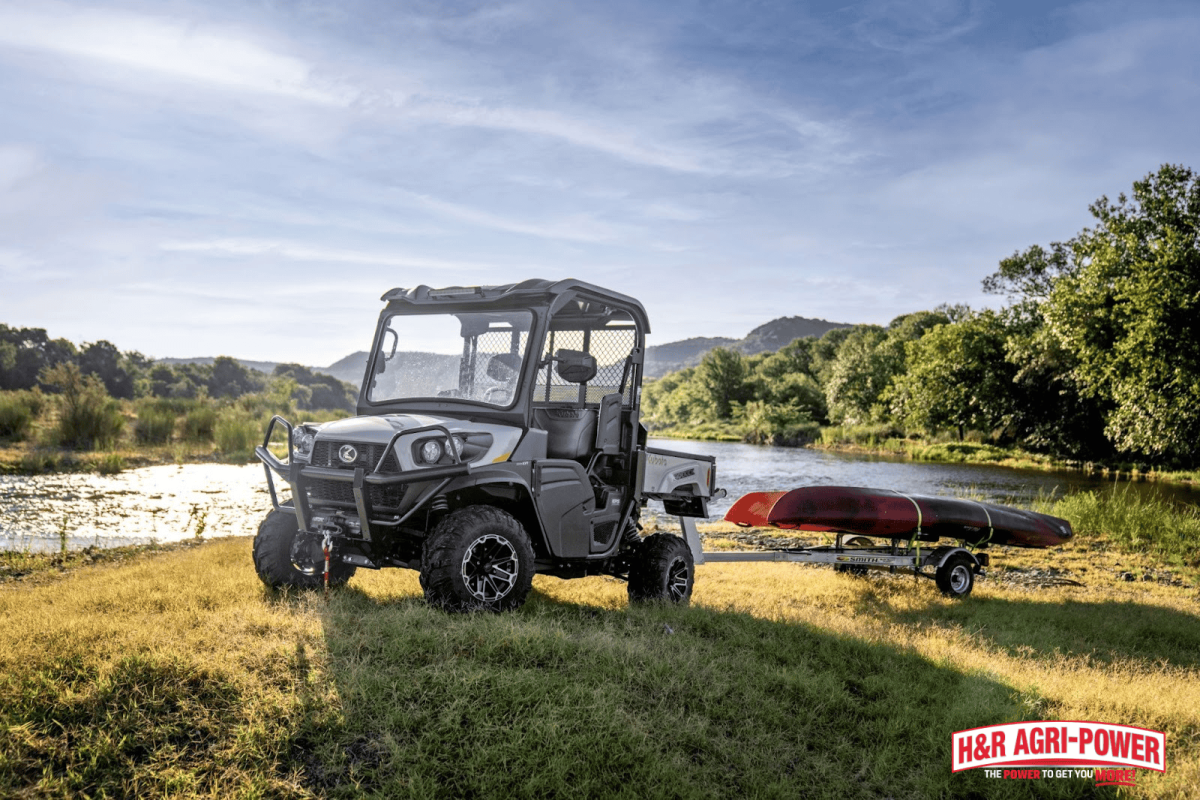
Kentucky's rolling hills create one of the most beautiful farming backdrops in the country. But behind the scenic views, farmers face tough terrain that can turn simple chores into real challenges. Navigating steep slopes, rocky trails, and narrow ridges isn't just time-consuming; it's hard on equipment and sometimes risky for operators.
According to NOAA's Kentucky State Climate Summary, the state's annual precipitation has averaged about 7.4 inches above the long-term baseline since 2011, conditions that can quickly turn fields muddy and amplify erosion and traction challenges.
That's where utility vehicles, or UTVs, come in. Designed specifically to handle rugged, uneven landscapes, these versatile machines make farm work easier by providing the power, stability, and maneuverability needed to tackle Kentucky's hilly terrain efficiently and safely. Utility vehicles transform daily tasks, from hauling feed to checking fences, turning what used to be exhausting labor into smoother, faster, and safer operations.
This article will explore the unique challenges Kentucky farmers face, explain how utility vehicles can ease those struggles, and guide you on choosing the right UTV to fit your needs. Plus, you'll find practical safety tips, maintenance advice, and information on popular models that thrive on hills.
Kentucky's Hilly Landscape: Challenges for Farming
Kentucky's landscape is famous for its rolling hills and valleys, but those same features add significant complexity to everyday farming. According to the Kentucky Geological Survey, much of the Bluegrass and nearby regions consist of rolling to steeply dissected hills and valleys, terrain that makes machinery access and slope management more difficult.
Terrain and Climate: A Complex Farming Environment
The hills vary in steepness, with some slopes reaching challenging angles that affect machinery movement and crop management. The soil is a mix of clay and rocky patches, which are especially prone to compaction and erosion after Kentucky's frequent rainfalls. While this moisture benefits crops, it can also turn fields muddy and difficult to navigate.
As the University of Kentucky Extension explains in AGR-161, clay-rich soils are highly susceptible to compaction when wet, and heavy equipment use under these conditions can increase bulk density, restrict root growth, and ultimately reduce yields.
Erosion isn't just a nuisance; it can wash away precious topsoil, reduce field fertility, and create uneven ground that's harder to work. Clay soils retain water but can become compacted under heavy equipment, limiting root growth and crop yield.
Farming Problems Unique to Kentucky's Hills
Farming in Kentucky's hills comes with unique challenges that can slow down daily operations. Accessing remote pastures and ridges is often difficult, as many areas become unreachable with conventional farm trucks or tractors, especially after rain turns the ground slick. Transporting supplies such as feed, fertilizer, or manure takes more time and effort, frequently requiring multiple trips or even manual carrying.
Safety risks also increase on steep slopes and uneven ground, raising the chances of machinery rollovers or slips. Additionally, moving equipment and workers between scattered fields becomes inefficient, cutting into valuable work hours and impacting overall productivity. In such conditions, utility vehicles make farm work easier by providing safe, reliable access across uneven terrain.
Extension agronomists further note that on sloping, undulating landscapes, erosion and repeated tillage degrade soil structure and fertility, adding another layer of difficulty that compounds these logistical and safety constraints.
What makes farming in Kentucky's hills more difficult?
The combination of steep slopes, rocky and clay-heavy soil, frequent rainfall, and erosion risks makes access and machinery use more challenging compared to flat farmland.
What Utility Vehicles Are & How They Differ from Tractors and ATVs
Utility vehicles have gained popularity because they bridge the gap between bulky tractors and nimble but limited ATVs. Federal safety and regulatory definitions back this up, classifying UTVs as non-straddle, steering-wheel-controlled machines with four or more wheels and top speeds around 25-30 mph, clearly distinguishing them from the straddle-seated ATVs they often replace.
Defining Utility Vehicles (UTVs)
Utility vehicles, commonly known as UTVs or side-by-sides, are compact off-road machines designed to transport people and haul cargo efficiently across rough terrain. Unlike ATVs, where riders sit one behind the other, UTVs feature side-by-side seating for two or more passengers and include a rear cargo bed built to carry heavy loads.
How UTVs Differ from Tractors and ATVs
Tractors remain the backbone of large-scale farm operations due to their power and versatility. However, their size and weight can make maneuvering difficult on steep or narrow hillsides, increasing the risk of rollovers. ATVs, while small and nimble, often lack sufficient cargo capacity, towing power, and safety features necessary for many demanding farm tasks.
This is supported by NIOSH and OSHA findings, which identify tractor rollovers as one of the leading causes of farm fatalities, evidence of why lower centers of gravity and operator protection are so critical when working on slopes.
UTVs strike a middle ground, combining the agility and size advantage of ATVs with the cargo-hauling strength and operator protection closer to tractors. This unique balance makes them especially valuable for farms with varied terrain.
When to Choose a UTV for Your Farm
If your operation involves steep hills, tight trails, or remote pastures, a UTV's compact design and four-wheel-drive system allow you to access areas that tractors might avoid safely. Additionally, UTVs provide more hauling power than ATVs, making them a practical solution for routine jobs that require both mobility and load capacity.
Why not just use a tractor or ATV instead of a utility vehicle?
Tractors can be unsafe or impractical on steep, narrow terrain due to size and rollover risk. ATVs don't have enough hauling or towing capacity. UTVs provide a safer, more versatile middle ground.
How Utility Vehicles Make Farm Work Easier in Kentucky's Hilly Terrain
Kentucky's rolling hills demand farm equipment that's not only tough but adaptable enough to handle every bump, slope, and narrow path the land presents. Utility vehicles, or UTVs, deliver precisely that versatility, making them indispensable tools for farmers working in this rugged environment. Choosing the right hay equipment for your farm also becomes crucial, as the terrain puts added strain on machines that cut, rake, and transport forage.
OSU Extension reinforces this role, recommending that operators adjust their speed to match terrain conditions and exercise extra caution on hills, advice that highlights the UTV's design as a stable, work-focused platform built for challenging landscapes.
Climbing Slopes and Navigating Narrow Ridges
Thanks to robust four-wheel-drive systems and generous ground clearance, UTVs confidently climb steep hills while maintaining traction and stability. Their compact size allows them to weave through tight ridges and wooded trails, areas where larger tractors simply can't go without risking damage or rollover. This kind of access means faster fence inspections, easier livestock checks in remote pastures, and fewer detours when transporting materials.
USDA Forest Service training underscores this advantage, cautioning that exceeding a loaded UTV's grade or sideslope capacity is a leading cause of rollovers, highlighting why features like 4WD, high clearance, and careful route selection are essential for safe operation on steep ground.
Hauling and Towing Over Uneven Ground
With cargo beds capable of carrying over 800 pounds and towing capacities that can exceed 3,000 pounds, UTVs dramatically reduce the number of trips needed to move feed, equipment, or trailers. This capability to haul heavy loads smoothly over rocky, muddy, or uneven terrain means farmers can accomplish more in less time with less physical strain.
University safety guidance echoes this advantage, noting that side-by-sides are specifically built larger than ATVs and equipped to handle heavier loads and towing tasks, making them a safer and more efficient choice for demanding farm work.
Multipurpose Attachments Expand Farm Productivity
Utility vehicles aren't just for hauling. Equipped with attachments such as sprayers, seeders, fertilizer spreaders, and even snow plows, UTVs become true multi-season workhorses. Whether it's caring for pastures in the spring, maintaining fencing in the summer, planting in the fall, or clearing snow in winter, one well-equipped UTV can handle a wide range of farm tasks efficiently.
Forest Service field tests reinforce this versatility, showing that constant-rate sprayers mounted on ATVs and UTVs can deliver consistent herbicide application even across variable speeds, an example of how specialized attachments translate directly into productivity gains.
Saving Time and Labor on Challenging Terrain
By cutting down on the number of trips and minimizing manual hauling, UTVs help farmers save hours every day. This improved efficiency leads to more consistent farm operations, healthier livestock, and better crop yields, key factors for success in Kentucky's hilly landscapes.
The USDA's Economic Research Service backs this up, noting that much of the significant labor-saving productivity growth in U.S. agriculture over the past century has come from mechanization and specialized equipment, a trend that extends to smaller off-road machines like UTVs.
Protecting Soil Health and Ensuring Operator Safety
Compared to heavy tractors, UTVs weigh less and distribute weight more evenly, which helps protect fragile soil from compaction and erosion, crucial for maintaining productive farmland on slopes. Safety features such as roll cages, seat belts, and hill descent controls offer added peace of mind, helping operators stay secure while navigating steep or slippery terrain.
How do utility vehicles help reduce soil erosion?
Their lighter weight and better weight distribution cause less soil compaction and disturbance, which helps prevent erosion, especially on fragile hilly fields.
Key Features to Look For in Utility Vehicles for Hilly Farms
Selecting the right utility vehicle means focusing on features specifically designed to handle Kentucky’s hilly terrain and meet the unique demands of your farm’s daily workload.
-
Four-Wheel Drive and Traction Control: Essential for maintaining grip on slippery slopes, muddy trails, and loose gravel.
-
Powerful Low-End Torque: Provides climbing strength and hauling ability at slow speeds.
-
Suspension with Good Travel: Independent suspension helps absorb bumps, maintaining wheel contact and control.
-
High Ground Clearance: At least 10 inches of clearance prevents damage on rocky paths.
-
Aggressive Tires: Deep tread and reinforced sidewalls improve traction on mud and wet slopes.
-
Cargo and Towing Capacity: Beds that hold 800 pounds+ and towing capability of 1,500+ pounds reduce trips.
-
Operator Comfort and Safety: Ergonomic seats, roll cages, seat belts, lighting, and weather protection options improve safety and reduce fatigue.
Which tire features matter most for hilly farm conditions?
Look for tires with deep, aggressive tread and reinforced sidewalls to grip muddy and uneven surfaces while resisting punctures. Extension specialists also emphasize that traction and stability depend not only on tread design but on following manufacturer recommendations for tire pressure and model-specific guidelines, practices that help ensure UTVs maintain safe footing on challenging terrain.
Popular Models and Examples Suitable for Kentucky Hills
Choosing the right utility vehicle starts with matching your farm's specific needs to a model designed for rugged, hilly terrain. Whether you operate a smaller farm with moderate slopes or manage a larger property with steep hills, there are UTV options tailored to perform reliably across Kentucky's challenging landscapes.
Entry-Level Models
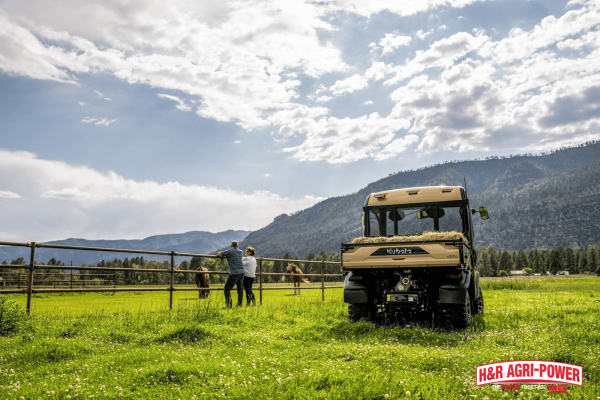
For smaller farms or those with less demanding hills, entry-level models like the Polaris Ranger EV and John Deere Gator HPX offer dependable performance with ample cargo space to handle everyday tasks efficiently. These vehicles strike a good balance between affordability and capability for lighter workloads.
Mid-Range Models
Moving up to mid-range options, models such as the Kubota RTV-X1140 and Kawasaki Mule Pro-FX provide enhanced power, advanced traction control systems, and improved operator comfort. These features make them well-suited for medium-sized farms navigating more rugged terrain and heavier hauling demands.
Premium Models
For farms facing the most challenging hills and the heaviest loads, premium UTVs like the Can-Am Defender HD10 and Yamaha Viking EPS deliver powerful engines, robust frames, and top-tier safety features. These machines are built to withstand the rigors of steep, rocky terrain while offering maximum operator protection.
Common Attachments Used Locally
Kentucky farmers also often customize their utility vehicles with attachments tailored to seasonal farm work. Sprayers for pasture care, salt spreaders for icy winter roads, snow plows for clearing paths, and fencing racks for material transport are among the most common accessories that expand the versatility of UTVs throughout the year.
Land-grant extensions back up this practice stressing that effective use of sprayers and other implements depends on proper calibration and even application, guidelines that ensure these attachments improve productivity without wasting inputs.
How much does a typical utility vehicle cost?
Prices range from $10,000 for entry-level models up to $30,000 or more for premium machines with advanced features.
Return on Investment (ROI) and Practical Considerations
Investing in a utility vehicle delivers clear benefits that go beyond the initial cost. Here are the key factors to consider:
-
Labor and Fuel Savings: By completing tasks more quickly and reducing the number of trips across rough terrain, UTVs help lower fuel consumption and cut down on labor hours, boosting overall farm efficiency. Analyses from the U.S. Department of Energy (DOE) and the National Renewable Energy Laboratory (NREL) support this, noting that off-road fleets often operate under demanding, high-load duty cycles that drive up both fuel and labor costs, factors that ultimately determine which powertrains and platforms deliver the best total cost of ownership for agricultural work.
-
Reduced Equipment Wear: Using UTVs for hauling and transport lessens the workload on heavier tractors, which can lead to lower maintenance expenses and longer service life for your primary machinery.
-
Maintenance Costs and Parts Availability: Opting for reputable UTV brands with strong dealer networks ensures easy access to replacement parts and simplifies upkeep, minimizing downtime.
-
Fuel vs. Electric Models: Gas and diesel powered UTVs dominate on Kentucky farms due to their extended range and easy refueling, while electric models provide quieter operation and lower emissions, but are better suited for smaller farms or lighter duties because of limited battery life.
-
Durability and Resale Value: Quality UTVs built for demanding conditions retain their value well over time, providing a solid return when it’s time to upgrade or sell.
Are electric utility vehicles a good choice for hilly farms?
Electric UTVs are well-suited for light-duty or smaller farms, but they often lack the range and refueling convenience required for extensive work on steep terrain.
Safety and Best Practices on Steep Terrain
Prioritizing safety when operating utility vehicles on hilly farms is essential to prevent accidents and protect both operators and equipment. Consider these key best practices:
-
Proper Loading: Always keep loads centered and avoid overloading the cargo bed to maintain vehicle balance and reduce the risk of tipping on uneven slopes.
-
Downhill Speed Control: Use engine braking and low gear settings to control your speed when descending hills, minimizing brake wear and maintaining better traction.
-
Operator Training: Make sure all drivers understand the vehicle's capabilities and limitations, and are trained in safe handling techniques specific to steep or slippery terrain.
-
Wet Conditions: When working in wet or muddy environments, maintain slow, steady speeds and avoid sudden movements to reduce the chance of slipping or losing control.
-
Pre-Use Inspections: Regularly inspect critical components such as brakes, tires, and suspension systems to ensure the vehicle is in a safe operating condition before heading out onto challenging terrain.
What’s the best way to prevent rollovers on slopes?
Distribute weight evenly, keep speeds low, and use proper downhill braking techniques to maintain control.
Take on Kentucky's Hilly Landscape with Confidence
Kentucky's rolling hills don't have to slow your farm down. With the right utility vehicle, you can improve safety, boost efficiency, and protect your land all year long.
At H&R Agri-Power , we understand what it takes to succeed in challenging terrain. Our selection of utility vehicles, attachments, and expert advice is designed to meet the unique demands of Kentucky farms. Whether you need help choosing the right model or want to schedule a demo, our team is here to support you.
Reach out today and discover how the right equipment can make your farm work easier and more productive, no matter the landscape.
Frequently Asked Questions
How do utility vehicles improve safety compared to tractors on hills?
They offer a lower center of gravity, roll cages, and traction features that reduce rollover risks and improve handling on uneven slopes.
What maintenance is critical for UTVs on hilly farms?
Regularly inspect tires, suspension, brakes, and drivetrain components, clean mud off to prevent corrosion, and perform seasonal checks.
Can I use a utility vehicle year-round in Kentucky?
Yes. With proper attachments and maintenance, UTVs can handle everything from winter snow to summer pasture work.
Are utility vehicles cost-effective for smaller farms?
Absolutely. They save time, labor, and reduce wear on larger equipment, making them a wise investment for farms of all sizes.
What safety training should operators receive?
Training should cover safe speeds, weight distribution, downhill braking, terrain hazards, and proper operation techniques.