

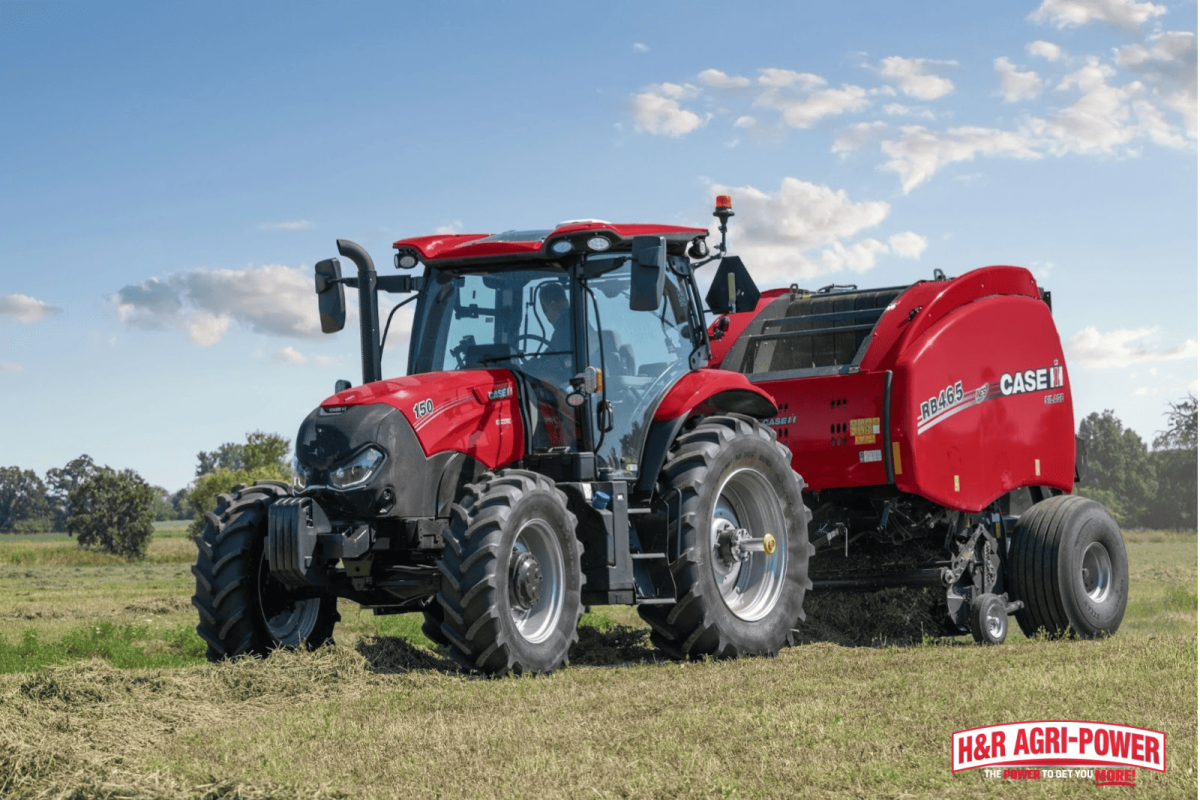
Maintaining hay equipment in Tennessee requires more than following a standard checklist. The state’s diverse terrain, from the steep mountain fields in the east to the rolling hills of Middle Tennessee and the flat river plains in the west, creates unique challenges for farmers. Add in a humid climate that increases the risk of rust, mold, and fire, and it becomes clear why equipment care must be tailored to local conditions.
With more than 1.7 million acres producing nearly 3.9 million tons of hay each year (University of Tennessee, AREC, the importance of reliable equipment care cannot be overstated. Every breakdown can mean lost time and lower-quality forage. A mower that fails on a slope or a baler that jams in wet ground conditions can quickly turn a productive day into a costly setback.
By taking a terrain-focused approach to maintenance, you can protect your investment, extend the life of your machinery, and keep hay harvests on schedule.
This guide walks you through seasonal checklists, terrain-specific tips, safety practices, and storage methods designed specifically for Tennessee farmers.
Plan Hay Equipment Maintenance Around Tennessee’s Seasons and Cutting Windows
Your hay equipment works best when it is maintained with the seasons in mind. In Tennessee, the timing of cutting and baling is tied closely to weather patterns and regional terrain. If you want smooth operation and high-quality hay, the way you plan preseason checks and fieldwork should match your local conditions.
When to Schedule Preseason Checks by Region
East Tennessee farmers often deal with steeper ground and cooler springs. That means equipment needs to be ready a little earlier, since fields can dry out more slowly at higher elevations. Start your preseason inspection in late March so you are prepared when the first good weather window arrives.
In Middle Tennessee, rolling hills and fertile ground give you a slightly later start. Most farmers begin cutting in late April or early May. Use the first weeks of April to grease fittings, replace worn belts, and test PTO connections. This way, Case IH equipment is ready when fields reach the right growth stage.
For West Tennessee, where flat land and river bottoms dominate, soil can hold more water after spring rains. Farmers in this region usually cut a bit later. Begin your preseason maintenance by mid-April and pay close attention to tire pressure and hydraulics. Wet ground puts more strain on machines, and following maintenance tips to extend machinery life can save you from downtime in the field.
How Humidity and Rainfall Affect Timing and Drying
Tennessee’s humid climate is one of your biggest challenges during hay season. Rainfall not only delays cutting but also affects how well hay cures in the field. If you cut too close to a wet spell, you risk mold growth and lost feed value.
High humidity also takes a toll on your equipment. Bearings, chains, and gearboxes are more likely to rust when moisture lingers. That is why you should keep a strict habit of greasing fittings and checking for water buildup around moving parts.
Research shows that hay baled with moisture levels above 20 percent is more likely to mold or lose nutritional value. As a farmer in Tennessee, you must adapt cutting schedules not only to weather windows but also to the risk of higher moisture levels that can quickly reduce feed quality.
Plan your cutting schedule around weather forecasts and allow for longer drying times when humidity is high. Many Tennessee farmers rely on tedders to speed up drying, especially in May and June when afternoon storms are common. By syncing your maintenance and cutting plans with seasonal weather, you protect both your hay crop and your equipment investment.
Start With a Preseason Tune-Up to Avoid Costly Mid-Season Breakdowns
Every Tennessee farmer knows that the hay season moves fast. If your mower or baler fails in the middle of a cutting window, you risk losing valuable forage quality. The best way to prevent breakdowns is to handle all major maintenance before the first field pass.
A preseason tune-up gives you confidence that your equipment can handle long days in the field without slowing you down.
Preseason Checklist for Mowers, Rakes, Tedders, Balers, and Bale Handlers
Each machine plays a role in producing quality hay, and each one deserves attention before the season starts:
-
Mowers: Sharpen or replace blades, check skid shoes, and make sure cutter bars are aligned and free of cracks.
-
Rakes: Inspect teeth or tines for wear, and tighten any loose bolts or arms that could fail in the field.
-
Tedders: Look for bent or missing tines and grease pivot points to avoid early-season vibration.
-
Balers: Clean knotter areas, check twine or net wrap systems, replace worn pickup teeth, and inspect chains and sprockets. Regular hay and farm implements maintenance helps keep all these machines in top working condition.
-
Bale handlers and loaders: Test hydraulics, check pins, and make sure all safety locks are in working condition.
Completing this checklist early in the spring saves you time when the weather is finally right for cutting.
Grease, Oil, and Fluid Service Intervals Every Owner Should Track
Lubrication is one of the most important parts of preseason preparation. Go over every grease fitting on your equipment. A good practice is to mark fittings after greasing so none are missed. Check gearbox oil levels and change fluids that are past service intervals. For tractors, confirm engine oil, hydraulic oil, and coolant are fresh and at the proper levels.
Moisture and temperature swings in Tennessee can break down lubricants faster than expected. If equipment sat unused over winter, changing fluids before you start work helps prevent rust and extends the life of internal parts.
Inspect Belts, Chains, Knives, Tines, and Safety Guards
Before hay season, give special attention to wear parts. Belts should be tight and free of cracks. Chains must be properly tensioned and lubricated. Knives on mowers and cutters should be sharp enough to make clean cuts, which helps the hay cure faster. Tines on rakes and tedders should be straight and secure.
Do not overlook safety guards. Shields around PTO shafts, belts, and chains protect you and your crew from serious injury. Replace any missing or broken guards before the equipment goes back into the field.
Do Fast Daily Checks During Cutting and Baling to Keep Machines Running
When hay season is in full swing, you do not always have time for long repairs. That is why a few quick checks every morning can keep your machines working through long days in the field.
In fact, a study showed that farmers who improve routine maintenance can reduce machinery repair costs by 25%. For example, an $80,000 tractor may typically require about $24,000 in repairs over 5,000 hours of operation with average maintenance, but that cost can drop to roughly $18,000 with excellent service management.
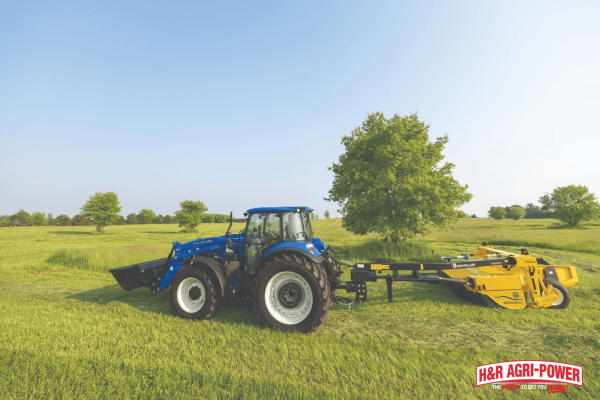
Tractor and hay equipment in the field during cutting and baling, illustrating daily inspections to keep machines running reliably in Tennessee.
Walk Around Inspection Checklist to Use Each Morning
Before you fire up the tractor, walk slowly around your mower, rake, or baler. Look closely at tires for cuts or low pressure, check for loose bolts, and scan hydraulic hoses for leaks or cracks. Wipe away any buildup of hay, dirt, or grease that could turn into a fire hazard later. Test all safety shields and PTO guards to be sure they are secure.
Pay special attention to the pickup area and the knotter system. Stray twine or stuck hay can cause jams once you are in the field. Taking five minutes with a flashlight and a grease gun first thing in the morning sets the tone for a productive day.
What Unusual Sounds and Heat Readings Tell You About Bearings and Knotters
Your ears and hands are some of the best tools you have. If you hear a grinding or squealing sound while baling, a bearing may be running dry or close to failure. Stop immediately and investigate before it locks up. A dull thumping noise in the knotter often points to twine tension issues that need adjustment.
It also pays to feel the heat. Carefully place your hand near (not directly on) bearings or use an infrared thermometer. A bearing that runs hotter than the others is a warning sign. Catching it early lets you grease or replace it before it seizes up.
Quick Field Fixes to Get Back to Work Safely
Even with the best preparation, breakdowns happen in the field. Keeping a small repair kit on the tractor saves you from a wasted trip back to the shop. Carry extra shear bolts, twine or net wrap, a few wrenches, and a hydraulic hose repair kit.
If you notice a loose chain or belt, tighten it right away before it jumps off the sprocket or pulley. When twine knives get dull, a quick sharpening or spare knife swap keeps knots tied securely. Always shut off the tractor, disengage the PTO, and remove the key before working on any part of the machine. A short, safe repair in the field often keeps you cutting or baling until the day’s work is done.
How to Adapt Your Operation to Tennessee Terrain
Tennessee’s land is as varied as the farmers who work it. The equipment setup that works in a flat river bottom is not the same as what you need on a steep mountain pasture. Adjusting your operation to fit the terrain keeps you safe, protects your equipment, and helps you harvest hay without costly delays.
East Tennessee Mountain Fields Best Practices and Tractor Setup
If you’re farming in the mountains, stability is your priority. Always use tractors equipped with rollover protection structures (ROPS) and wear your seatbelt. In fact, tractor rollovers are the leading cause of fatal injuries on U.S. farms, with an average of about 130 deaths each year. Using ROPS and a seatbelt is estimated to prevent 99% of deaths or serious injuries in such incidents.
That being said, a heavier tractor with wide-set tires gives you better balance on steep slopes, and checking tire pressure often helps avoid dangerous imbalances.
When mowing or baling on inclines, travel up and down instead of across the slope whenever possible. If you must work across, go slow and keep the load low to the ground. Adjust the drawbar height to prevent the baler from pulling the tractor off balance. On very steep ground, consider smaller equipment that is easier to control safely.
Middle Tennessee Rolling Hills and Karst Area Route Planning
In the central region, rolling hills may seem less dangerous, but hidden sinkholes and uneven terrain can surprise you. Before you start cutting or hauling, walk or drive the field slowly to mark hazards. A shallow dip can strain axles, while a hidden sinkhole can cause a rollover if you are carrying a heavy bale.
Plan your routes so that equipment follows the gentler slopes when moving between fields. Keep heavy loads off side hills and always lower your loader arms when carrying bales. If you have fields with uneven limestone outcrops, sharpen and check blades more often since rocks can cause rapid wear and damage.
West Tennessee Flatlands and River Plains Drainage and Stacking Sites
Flat land brings its own set of challenges, especially in river bottoms where soil stays wet. In these areas, focus on ground pressure and drainage. Wide tires or duals spread out weight and prevent equipment from sinking. Inspect your field edges for soft spots before you drive in with a loaded baler or trailer.
When it comes to stacking, choose a high, well-drained spot. Avoid low ground that collects water, because bales sitting in damp soil quickly rot. A gravel pad or pallets under stacks helps hay last longer and reduces waste. Plan your storage close to access roads so you do not have to drag heavy loads across soft ground.
How to Load, Transport, and Handle Bales on Slopes and Uneven Ground
No matter where you farm in Tennessee, handling bales safely is critical. When loading with a front-end loader or spear, keep bales as low as possible during transport. A bale held too high shifts your center of gravity and raises the risk of tipping.
On slopes, always point the tractor uphill or downhill, never sideways. Secure bales tightly on trailers and avoid stacking too high when hauling on uneven ground. Use straps or chains to keep the load stable, especially if you are moving across rough farm lanes. By keeping loads balanced and routes planned, you reduce accidents and extend the life of your hauling equipment.
Control Moisture, Mold, and Fire Risk in a Humid State
Tennessee’s humidity can be just as hard on your hay as it is on your equipment. If hay goes into storage too wet, it not only loses feed quality but also becomes a serious fire hazard. Paying attention to moisture levels and how you stack and store your bales makes the difference between a safe, profitable harvest and a costly loss.
Target Bale Moisture Levels and How to Test Them
The sweet spot for safe storage is keeping small square bales under 18 percent moisture and large round bales under 15 percent. Anything higher creates a risk of heating and mold growth. To stay within these limits:
-
Use a hay moisture tester before and during baling. Insert the probe into the center of the bale for the most accurate reading.
-
Sample multiple bales across the field since moisture levels are rarely uniform.
-
Record your readings in a notebook or phone app so you can track patterns over the season.
With close monitoring, you can protect both your hay quality and your livestock health.
Signs of Spontaneous Heating and What to Do if a Bale Gets Hot
Even when you are careful, hay can sometimes heat in storage. A bale that feels warm to the touch is your first warning. Other signs include a sharp musty smell or visible steam rising when bales are moved.
If you suspect heating:
-
Insert a temperature probe or a metal pipe into the bale stack. If the pipe feels hot when removed, you may have a fire risk.
-
For temperatures between 120 and 150 degrees Fahrenheit, increase ventilation and separate bales to allow cooling.
-
If the hay reaches 160 degrees or higher, contact your local fire department before moving stacks. At this stage, bales can ignite with little warning.
With quick and immediate action, you can protect both your hay and your barn.
Storage Placement and Stacking to Reduce Rot and Mold
Once hay is baled at the right moisture, proper storage is your best defense against losses. Farmers in Tennessee often deal with humid air and heavy rains, so pay attention to both placement and stacking:
-
Choose a dry site with good drainage. Gravel pads or concrete foundations prevent water from wicking into bales.
-
Keep bales off the ground by using pallets, wooden rails, or a layer of old tires.
-
Allow airflow between stacks. Leave a few inches of space between rows and keep stacks lower rather than building tall, tight piles.
-
Cover with a breathable tarp or store under a roof to shed rain without trapping moisture inside.
With these practices, you not only cut down on mold losses but also maintain higher forage quality throughout the feeding season.
Make Safety Simple and Part of Every Job
Your equipment is only as reliable as the safety practices you follow each day. In Tennessee’s fields, steep slopes, humid weather, and long harvest hours all raise the risk of accidents. By making safety part of every job, you protect yourself, your crew, and your equipment investment.
ROPS, Seat Belt, and Safe Slope Operation Rules
If you are running tractors on hills or uneven ground, rollover protection structures (ROPS) are non-negotiable. Always keep the ROPS in place and wear your seat belt. Without the belt, the frame cannot protect you in a rollover.
When working on slopes, slow down and keep heavy loads low. Avoid traveling across steep hillsides whenever possible. It is safer to go straight up and down the slope with steady power. If you are baling or hauling, release bales so they sit across the slope rather than pointing downhill, where they might roll.
Lockout Practices Before Maintenance and Clearing Jams
Never try to clear hay or debris from a baler, mower, or rake while it is running. Shut off the tractor, disengage the PTO, and remove the key before you start. This prevents sudden movement that could cause serious injury.
If you are working under raised guards or gates, use a lock or support bar to hold them in place. Even a small hydraulic leak can drop equipment without warning. Making lockout a routine habit keeps both you and your crew safe during the busiest parts of the season.
Fire Prevention Gear and Crew Communication
Dry hay, dust, and hot bearings create a fire risk every time you bale. Keep a fire extinguisher mounted on your tractor and another in your truck. A 10-pound ABC dry chemical extinguisher is the most practical choice for the field. Check that it is charged before the season starts.
Clear away chaff and dust from engines, knotters, and bearings at the end of each day. A clean machine runs cooler and lowers the chance of sparks.
Finally, talk with your crew before work begins. Agree on signals for stopping, turning, and emergencies. If everyone knows the plan, you prevent confusion and keep operations moving safely.
Keep These Spare Parts and Field Repair Tools on Hand
A hay harvest does not wait for broken parts. When a belt snaps or a hose leaks in the middle of a long day, having the right spares and repair tools nearby can save you hours of downtime.
North Dakota State University notes that worn parts and bad roller bearings are some of the main reasons balers catch fire in the field. A well-stocked field kit reduces downtime and minimizes risks that could otherwise damage equipment or hay quality.
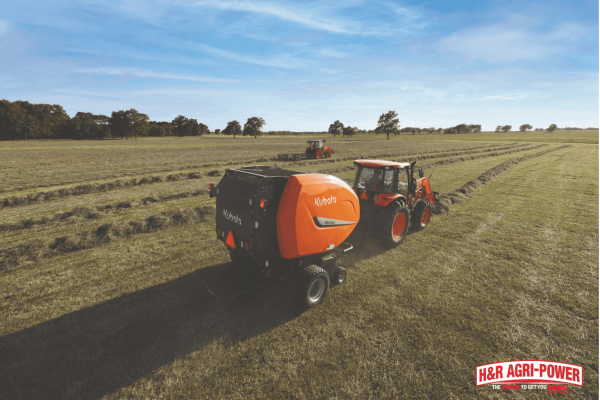
Essential Spares for Balers and Tractors
Balers and tractors carry the bulk of your workload, and even a small failure can bring the job to a halt. Keep extra shear bolts, pickup teeth, twine, and net wrap for the baler. Worn or broken teeth are common during heavy cutting, and without spares, you are stuck until parts arrive. For Case IH tractors, store extra fuel filters, fan belts, and fuses. These small items are inexpensive but critical to keeping engines running smoothly in the field.
Quick Hydraulic Hose and Belt Repair Tips
Hydraulic hoses and belts are two of the most common points of failure during hay season. A cracked hose or loose fitting can quickly bleed out hydraulic fluid, leaving your machine useless. Carry a hose repair kit with clamps and couplers sized for your equipment. This allows you to make a safe temporary fix and finish the field before calling in a replacement.
For belts, inspect tension regularly and carry spares for common sizes on your baler and mower. A belt that slips or frays can be swapped in minutes if you have the right one in your kit. Always label spare belts and hoses by machine to avoid confusion when you are pressed for time.
How to Organize a Farm Maintenance Kit for Hay Season
A well-organized kit saves you more time than just having loose parts scattered around. Use a sturdy toolbox or weatherproof container that can ride in the truck or tractor cab. Divide it into sections for fast access: one for small hardware like shear bolts and pins, one for belts and hoses, and another for hand tools.
Include a grease gun, adjustable wrenches, pliers, screwdrivers, a pressure gauge, and gloves. Adding a flashlight and a roll of electrical tape helps with late-evening or emergency fixes. Keep a fire extinguisher within reach as well, since repairs often happen near hot engines and dry hay.
The more organized your spares and tools, the quicker you can solve problems and keep hay moving from field to barn.
Troubleshooting Tips and Signs It Is Time to Call a Professional in Tennessee
Even the best maintenance plan cannot prevent every breakdown. When something goes wrong in the field, quick troubleshooting helps you decide if it is a simple fix or if you need to stop and bring in a professional.
Here are some troubleshooting tips you can handle yourself:
-
Uneven bale shape: Check for worn or missing pickup teeth, low twine tension, or a clogged chamber. Clean out debris and replace damaged parts.
-
Belts slipping or squealing: Inspect belt tension, pulleys, and alignment. A quick tightening or swap with a spare belt usually solves this.
-
Hydraulic functions slow or jerky: Look for low fluid levels, clogged filters, or air in the system. Topping off fluid and bleeding lines often restores performance.
-
Knots not holding in square balers: Clean the knotter, replace dull twine knives, and make sure twine is threaded correctly.
-
Overheating bearings: Feel for excess heat with a gloved hand or infrared thermometer. Grease fittings and replace bearings if noise or vibration continues.
One common warning sign farmers overlook is excessive bale heating, and research from South Dakota State University Extension shows that if internal bale temperatures reach around 170°F, spontaneous combustion becomes a real danger. If you notice a strong caramel odor or steam rising from stacked hay, it may be time to stop fieldwork and bring in professional support before conditions worsen.
Here are some clear signs it is time to call a professional:
-
Persistent hydraulic leaks that keep returning even after hose replacement. This may point to deeper valve or pump issues.
-
Electrical failures such as repeated blown fuses, shorts, or starting problems that basic checks cannot solve.
-
Severe vibration or knocking noises from the gearbox or driveline. Internal damage requires expert tools and parts.
-
Baler chamber jams you cannot clear safely. Forcing equipment when it is bound up can cause serious injury or permanent damage.
-
Cracked welds or bent frames after heavy use on rough ground. Structural repairs should be done by a certified welder or service center.
Quick-Use Hay Equipment Checklist to Keep Your Season on Track
A reliable maintenance checklist is one of the best tools a farmer can have during hay season. Tennessee’s mix of steep fields, rolling hills, and humid lowlands makes regular checks even more important.
Use the checklist below as your go-to guide for daily upkeep, preseason preparation, and postseason care. It is designed to save you time in the field and help you stay productive all season long.
|
Task Category |
Key Actions Farmers Should Take |
Frequency |
|
Preseason Prep |
- Inspect and replace worn belts, chains, knives, and tines - Grease all fittings and check gearbox oil - Test hydraulics and PTO connections - Stock spare shear bolts, twine, net wrap, and filters |
Before first cutting |
|
Daily Checks |
- Walk around for loose bolts, leaks, or cracks - Listen for unusual bearing or gearbox noises - Check tire pressure and adjust for terrain - Clear dust and chaff from knotters and engines |
Before starting work |
|
Field Readiness |
- Carry shear bolts, hoses, and belt spares - Keep grease gun, wrenches, and hose repair kit in the cab - Load fire extinguisher and first-aid kit |
Each field trip |
|
During Harvest |
- Monitor bale shape and knot strength - Check belt tension and hydraulic response mid-day - Inspect bearing temperature with a gloved hand or thermometer |
Mid-shift |
|
Postseason Care |
- Wash and clear out hay debris - Grease and oil exposed metal parts - Remove or protect batteries - Block up equipment to reduce tire strain |
After final cutting |
|
Storage Setup |
- Store bales off the ground on pallets or gravel - Cover hay or stack with airflow space - Choose high, well-drained areas for stacks |
End of season |
Farm Smarter and Keep Your Hay Operation on Track With Expert Support
Successful hay production in Tennessee depends on how well you maintain your equipment throughout the year. From preseason inspections to daily checks in the field, each step you take reduces the risk of costly breakdowns and helps you keep hay harvests on schedule. The state’s mix of mountains, hills, and lowlands adds unique challenges, making regular care of mowers, balers, and tractors even more important.
With seasonal maintenance routines, carrying the right spare parts, and paying attention to safety on slopes and in humid conditions, you can protect both your equipment and your harvest. Proper storage of hay after baling ensures that the work you put into the field carries over into feed quality for the months ahead.
If you are looking for dependable equipment, trusted parts, and professional service, H&R Agri-Power is a partner you can count on. We offer a wide selection of tractors, balers, and mowing equipment from leading brands, along with expert repair and maintenance support tailored to the needs of local farmers.
Visit our website to explore available equipment, order replacement parts, or schedule service to keep your hay operation running smoothly across Tennessee’s diverse terrain.
Frequently Asked Questions
How to maintain a hay field?
Maintaining a hay field starts with soil testing and proper fertilization to keep nutrients balanced. Control weeds early with mowing or selective herbicides, and rotate cutting schedules to avoid overharvesting. Reseeding thin spots helps maintain strong forage stands, while managing traffic reduces soil compaction.
How to maintain a hay baler?
Keep a hay baler in top condition by inspecting belts, chains, and knotters before each cutting. Grease all fittings regularly, check hydraulic lines for leaks, and clean out hay debris after every use. Replacing worn shear bolts, knives, and bearings on time prevents breakdowns during peak harvest.
How to properly store hay in a barn?
Store hay in a clean, dry barn with good ventilation to reduce mold and fire risks. Stack bales on pallets or gravel to keep them off the ground and allow airflow. Leave space between stacks for circulation, and always keep hay away from equipment that generates heat.
How dry should hay be before baling?
Hay should be baled when moisture levels are between 15 and 20 percent. Wetter hay can mold or even combust in storage, while overly dry hay leads to leaf loss and lower feed value. Using a hay moisture tester gives the most reliable reading before baling.
What causes most baler fires?
Most baler fires start from hot bearings, overheated belts, or sparks igniting dry crop residue. Dust and chaff buildup around knotters and belts can fuel flames quickly. Regular cleaning, bearing checks, and carrying a field fire extinguisher are the best defenses.
Can I bale on a slope, and how to do it safely?
Yes, you can bale on a slope, but safety comes first. Always travel up and down the slope instead of across it, keep speeds slow, and use tractors with proper tire pressure and weight distribution. Avoid steep fields when the soil is wet, as traction loss increases rollover risk.