

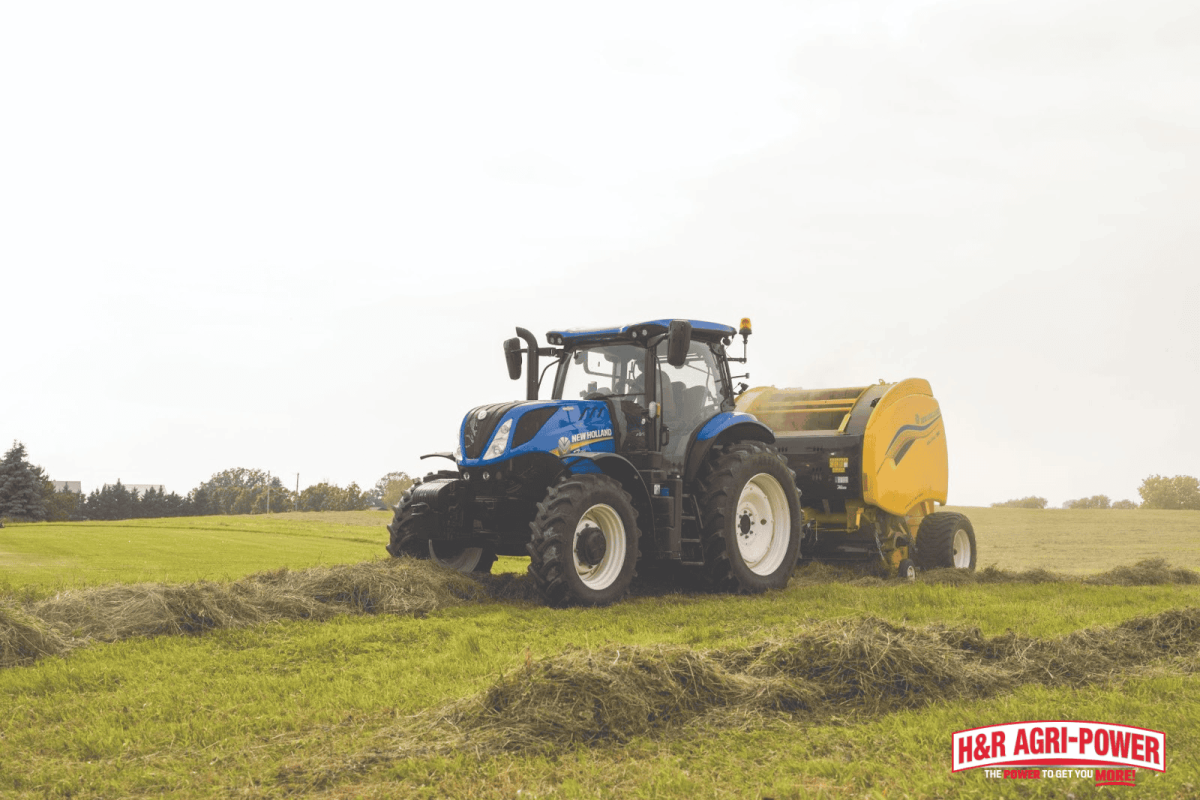
Hay equipment refers to the machinery and tools used in growing, harvesting, conditioning, baling, storing, and transporting hay (forage grasses, legumes, etc.). The correct selection of hay equipment ensures efficiency, preserves forage quality, reduces losses, and adapts to climate and soil conditions.
According to the USDA Natural Resources Conservation Service, forage harvest management (Standard Code 511) shows that poorly timed or unsuitable equipment can lead to losses of 30-40% of forage dry matter due to moisture, improper cutting height, or delayed harvest.
In Alabama’s southern farms, with hot, humid summers, frequent rainfall, varied soil textures, and long growing seasons, choosing the right hay equipment is especially critical. In this article, you will learn: the key equipment types, how climate/soil/forage type in south Alabama affects equipment choice, cost vs return trade-offs, managing moisture & forage quality, and how to scale equipment to farm size.
Equipment Types and Critical Attributes for Alabama Southern Farms
Before selecting hay equipment, it’s essential to understand which types are necessary, and which performance attributes matter most in Alabama’s climate (humid, long growing season, frequent rainfall).
Equipment categories include:
-
Mowers / mower-conditioners
-
Rakes, tedders, swathers / windrowers
-
Balers (round, large square, small square)
-
Bale handling (grapples, bale spears, wrappers)
-
Moisture measurement & conditioning tools
-
Storage, transport, and protection equipment
Key attributes to consider:
-
Capacity (field width, throughput)
-
Cutting height and residue management
-
Drying / curing capability (conditioning, tedding, rake design)
-
Durability and maintenance under humid conditions
-
Fuel consumption, horsepower requirements
-
Compatibility with available forage species/varieties
-
Transportability and bale size/shape demands
What Matters Most for Alabama?
Southern Alabama farms face humid, rainy conditions, long growing seasons, and varied soils. For forages like Bermuda grass and Bahia, equipment must enable fast drying, adjustable cutting heights, rust resistance, good clearance, and fuel efficiency to remain effective.
How to Select Hay Equipment That Fits Alabama’s Southern Farms
Choosing the right hay equipment starts by evaluating your farm’s forage type, cutting schedule, weather patterns, farm size, labour availability, budget, and intended bale type/storage method.
Assess Forage Type And Maturity Stage
-
Identify the dominant forage species: e.g. Bermudagrass, Bahia, Coastal Bermuda, Dallisgrass, perhaps endophyte-free fescue in some cases. Each has a different growth habit and optimal cutting stage.
-
For warm‐season grasses like Bermudagrass in Alabama, the ideal cutting stage is often in full tiller development before stem elongation to maximize quality. Delaying cutting for more yield may reduce digestibility and protein. NRCS standard 511 recommends timing to balance quantity and quality.
Equipment implication: mower or mower-conditioner must allow a low cutting height but leave sufficient stubble for regrowth. Also, conditioning (crimping/rollers) may help speed drying for stems in grasses like Bahia, etc.
Moisture Management: Drying, Conditioning, and Weather Window
-
Moisture content at baling needs to be in safe ranges to avoid spoilage. According to NRCS E511A, dry‐hay should be baled at 15-20% moisture; forced‐air dried 20-35% where applicable. Raking when moisture is 30-40%, tedding or inverting swaths when moisture >40%.
-
Conditioning mowers (which crush or crimp stems), tedders (which spread and flip windrows), rakes vs merger tools: choosing appropriate ones reduces drying time.
-
Equipment should be robust enough to handle wet material without excessive clogging or damage.
Bale Type, Size, and Shape
-
Round vs Square: Round bales are popular in southern states because they are easier to make, require less labor per bale, and are more forgiving with moisture and curing delays. However, large square bales stack better, transport more efficiently, and can command a premium for certain markets (e.g., dairy, horse).
-
Bale size impacts weight; a large round could be 500-1200 lbs, a large square sometimes over 1000 lbs. In Mississippi Extension, smaller square bales (50-200 lbs) are preferred by certain markets; large squares for others.
-
Transport and storage: equipment must match the area to move and store the chosen bale type (trailers, loaders, barns).
Many farms find that large round bales with bale wrappers or net wraps, handled via grapple forks or bale spears, provide the best balance.
Field Capacity, Width, and Tractor Compatibility
-
Compute field size, slope, road/travel distance, and terrain obstacles.
-
Mowers, balers, and rakes must match tractor horsepower (hp), PTO RPM, and hitch compatibility. Equipment that is too large might exceed tractor capability; too small may become a bottleneck.
-
Wider mowers reduce time, but if the soil is soft or uneven, wider gear may cause more compaction or difficulty turning.
-
Regular maintenance: given Alabama's humidity, equipment required to be rust-resistant, with good bearing seals, and protective covers. These conditions make maintaining your hay implements even more important for long-term reliability.
Storage, Protection, and Transport Considerations
-
Once bale is made, storage losses can be high if equipment is not used to protect hay: tarps, barns, elevated platforms.
-
Net wrap vs twine: Net wrap reduces moisture ingress and improves bale integrity.
-
Tools for handling: bale spears, grapples, wrappers.
-
Transport: trailers or implements with adequate capacity; consider road regulations if hauling large square bales or wide loads.
-
Moisture & spoilage control: moisture meters, drying aids, forced air, proper ventilation, on-farm testing, adherence to NRCS standards.
Cost, Return on Investment, and Scale Matching
-
The cost of equipment is often high; farms should analyse break-even: how many tons of hay will be produced, frequency of use, labour costs, fuel, and maintenance.
-
Smaller farms may prefer modular, used or mid-size equipment; large farms might invest in high-capacity harvesters and balers.
-
Availability of cost-share programs: In some states/districts, hay equipment is eligible for cost-share. While Alabama has its own extension and potential programs, checking state/local cost-share or USDA NRCS grants is critical. For farmers balancing upfront costs with long-term savings, how Case IH equipment saves time and reduces costs provides a clear example of how durable, high-performing machinery can strengthen financial outcomes.
Matching Specific Equipment Types to Alabama Conditions
Here, we examine each equipment category, its variants, performance in humid/southern climates, and which specifications and features fit best.
Mowers & Mower-Conditioners (Cutting Tools)
-
Sickle-bar, disc mowers, drum mowers, with or without conditioners (roller-crimper, knife conditioning).
-
In humid climates like Alabama, disc mowers with conditioners tend to perform better: they resist clogging with wet material, and conditioners reduce drying time.
-
Cutting height: for warm-season grasses, often leave 3-4 inches (or higher, depending on species) to allow for regrowth and prevent damage. NRCS CPS standards recommend cutting heights that leave adequate residual leaf area and tiller/bud bases.
-
Conditioner settings: adjustable rollers or flails that crack stems so moisture can escape.
-
Speed of operation vs cut quality: Higher forward speed may reduce cut quality, especially with tougher stems.
Tedders, Swathers, Rakes (Curing & Windrowing Tools)
-
Tedders: spread and turn forage to expose moist material to sun and airflow. Important especially if rain is likely, but during excessively humid days, tedding may not help if drying is impossible.
-
Rakes/mergers: aggregate swaths for baling; better rake design (wheel rake vs rotary vs merger) can reduce foreign material, preserve leaf, and reduce dust.
-
Swather or windrower systems: direct-cut windrowers that both cut and windrow in one pass may be efficient where the overhead cost of multiple passes is a concern.
-
For big farms: consider merger tools that combine multiple swaths, reducing the number of raking passes.
Balers (Round, Large Square, Small Square)
|
Feature |
Round Bale |
Large Square |
Small Square |
|
Capital cost |
Moderate |
High |
Medium - High |
|
Labor required to handle |
Moderate (need loader, grapple) |
More mechanical handling |
Very labour-intensive per bale |
|
Bale density/transport efficiency |
Medium-high for net wrap / tight bale |
Very high (good stack, lower transport cost per ton) |
Low density, many bales high handling cost |
|
Risk of spoilage |
A greater surface area has a higher risk if left unprotected |
Better stackability, less exposed surface area per ton |
Many small bales are harder to protect unless barned |
-
In Alabama, due to frequent rainfall, protecting radial surfaces is crucial; net wraps or covers are helpful.
-
Large square balers are good if there is a ready market or high infrastructure, and barn storage. Smaller operations may find large round bales more cost-effective.
Bale Handling, Wrapping, Transport
-
After baling, equipment essential:
-
Grapple forks/bale spears to move bales safely without damaging them.
-
Wrappers/cover systems to protect from moisture: net wrap, twine, plastic, or tarps.
-
Storage equipment: barns, sheds, elevated platforms.
-
-
Transport: trailers equipped to handle weight; ensuring legal limit compliance. Easier loading/unloading systems reduce labor costs.
Moisture Testing & Forage Quality Monitoring
-
Forage testing: crude protein (CP), neutral detergent fibre (NDF), acid detergent fiber (ADF), total digestible nutrients (TDN), relative feed value (RFV), etc. NRCS implements enhancement E511C: “Forage Testing for Improved Harvesting Methods and Hay Quality”. Plans must include a record of harvest timing, moisture, and bale type.
-
Moisture meters, GPS or mapping to plan harvest windows. Better monitoring helps decide when to mow, condition, rake, and bale.
-
Alabama Extension may have labs or services to test forage. Use local extension service guidance.
Environmental & Soil Factors: What Drives Equipment Needs
Before purchasing, the environmental and soil conditions of southern Alabama significantly influence which features are required.
Before diving into sub-topics: Alabama’s environment includes well over 50 inches of annual rainfall in many areas, high summer humidity, occasional heavy storms, soils varying from sandy loam to heavy clay, and warm winter mildness with a chance of frost in some zones.
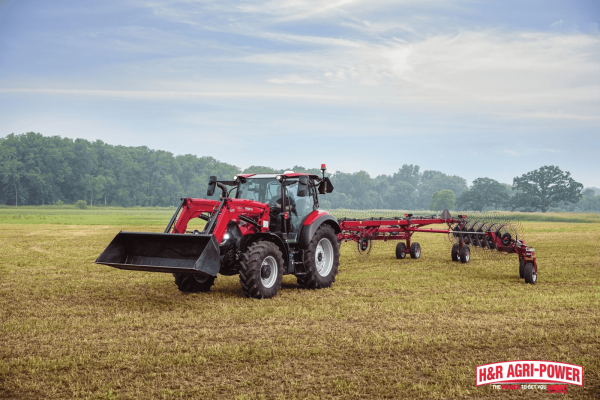
Soil Type, Slope & Drainage
-
Equipment must handle soft/sloppy soils when wet; heavy gear can cause compaction and ruts. So, wide tyre tractors, flotation tyres, and lower ground pressure equipment may be needed.
-
Slope matters: on sloped terrain, wide mowers might cause uneven cut; choosing flexible mowers or ones with independent cutter bars helps.
Climate & Weather Patterns
-
Rain timing: multiple cuttings possible, but weather windows narrow. Equipment needs to be fast and flexible to capitalize on dry days.
-
Humidity: selecting equipment that doesn’t trap moisture allows airflow in windrows; conditioning is more critical in humid zones.
-
Heat stress on equipment: material selection (steel types, paint coatings, sealants) to resist rust and corrosion. A maintenance schedule is important.
Regrowth, Cutting Height & Frequency
-
Warm-season grasses need rest periods. Cutting too often or too low damages the stands. NRCS CPS standard 511 and Pasture & Hay Planting (512) provide guidance: maintain stubble height, allow regrowth phase.
-
Equipment must allow adjustment of cutting height to leave adequate residual leaf area for photosynthesis and plant vigor.
Financial, Labor, and Policy Considerations
Even with a perfect technical match, decisions must consider cost, labor availability, and policy frameworks.
Capital Cost & Depreciation
-
New machines vs used: assessing depreciation, warranties, expected lifespan. Environmental wear in Alabama (humidity, insects) may reduce lifespan.
-
Maintenance cost: parts availability, skill, cost of blades, and bearings.
-
Fuel and PTO power: higher horsepower machines use more fuel; select an appropriate size.
Labor & Skill Needs
-
Handling round bales requires less manual labor than many small square bales.
-
Skilled operators needed for adjusting equipment properly (conditioner, cutter height, moisture detection). Training via extension.
-
The availability of a local service/repair shop matters.
Policy / Cost Share / Grants
-
Alabama Cooperative Extension System (ACES) provides research & guidance; farmers should check ACES for hay production budgets and extension materials.
-
Compare with programs in neighbouring states, such as the Tennessee Ag Enhancement Program, which supports a hay equipment cost share. Although in a different state, it demonstrates what is possible.
-
USDA NRCS programs may offer assistance for conservation practices (e.g., forage harvest management, pasture & hay planting) under 512 and 511 standards.
Case Studies & Alabama-Specific Data
Here are some real data and studies from Alabama (or similar southern states) relevant to hay equipment performance or forage yield/quality, and how equipment influenced outcomes.
Alabama Bermudagrass & Biofertilization Study
-
A case study shows that applying plant growth-promoting rhizobacteria (PGPR) increased soil health and lowered input costs, which means that some investment in equipment for precise application (sprayers, spreaders) can be worthwhile.
-
Although not directly about hay harvesting equipment, it suggests that equipment that supports precise spraying/spreading (to maintain soil fertility and stand vigour) will pay off.
NRCS Forage Harvest Enhancement E511C
-
NRCS E511C requires documentation of the equipment’s capability to cut at the desired height, handle moisture, and plan storage. Farms that follow this see measurable improvements in hay quality (higher CP, lower NDF) and reduced losses.
-
Example: using proper rake, good moisture control, and more accurate baler settings (density, preservation) reduces leaf loss and improves nutrition for livestock.
Best Practices & Recommendations for Alabama’s Southern Farms
Here are summarized recommendations drawn from above, as bullet points:
-
Invest in mower-conditioners or disc mowers with conditioning for warm-season grasses to accelerate drying.
-
Use an adjustable cutting height to leave sufficient residue and protect stand vigor.
-
Choose bale types based on scale: round for smaller farms, large square if storage, transport and markets support.
-
Moisture control is crucial: use tedders and rakes to achieve safe bale moisture; test forage; monitor weather.
-
Ensure tractor and implement compatibility to avoid underpowered machines.
-
Account for humid environment: quality maintenance, rust prevention.
-
Consider cost per ton, labor, and likely lifespan when evaluating equipment.
-
Explore cost-share programs, Extension advice, testing, and pilot scale before full investment.
Powering Alabama Farms With H&R Agri-Power
Success in hay production depends on the right equipment and reliable support. H&R Agri-Power offers a full line of new and used hay tools, quality parts, and expert service tailored to Alabama’s forage, soil, and climate conditions. Their specialists help farmers choose equipment that improves efficiency, protects forage quality, and fits budget needs.
Explore their inventory and services at H&R Agri-Power and work with a team committed to keeping your operation productive year after year.
Frequently Asked Questions
What Is the Best Cutting Height for Bermudagrass in Southern Alabama?
The optimal height is 3–4 inches (7.5–10 cm). This preserves leaf area for photosynthesis, protects the crown, allows faster regrowth, and reduces weed invasion.
How Soon After Cutting Should Hay Be Baled in Alabama’s Climate?
With frequent afternoon storms, cut in the morning after dew dries, use conditioning to speed drying, and bale within 24–48 hours once moisture is under 20%. Longer delays risk major dry matter and quality losses.
What Bale Density Reduces Spoilage and Improves Transport?
For round bales with net-wrap, aim for 15–18 lb/ft³; for square bales, 20+ lb/ft³. Higher density limits moisture exposure and improves transport stability.
Is Buying Used Hay Equipment a Good Option in Alabama?
Yes, but inspect for rust, worn bearings, blade condition, and rake/conditioner wear. Alabama’s humidity accelerates corrosion, so budget for refurbishing key parts if buying used.
How Does Storage Affect Equipment Choice?
Outdoor storage requires net wrap, tarps, or bale wrapping tools, plus handling equipment like forks or grapples. Investing in wrapping systems lowers spoilage compared to uncovered storage.